Organic seed priming with curtailed seed rate compensated wheat grains productivity by upgrading anti-oxidant status against terminal drought at flowering and milking
Hamid Nawaz, Haseeb-ur Rehman, Muhammad Zahid Ihsan, Muhammad Shahid Rizwan, Nazim Hussain, Basharat Ali, Rashid Iqbal, Muhammad Usama Hasnain, Mohamed S. Elshikh, Jawaher Alkahtani, Muhammad Arslan

TL;DR
Using moringa leaf extract to prime wheat seeds helped improve productivity and antioxidant levels under drought conditions, even when fewer seeds were planted.
Contribution
The study introduces moringa leaf extract seed priming as an effective organic method to mitigate drought stress in wheat.
Findings
MLE30-priming with reduced seed rate increased antioxidant enzyme activity under severe drought.
MLE30-priming improved chlorophyll, potassium, and water use efficiency compared to hydro-priming.
MLE30-priming provided higher economic returns under drought conditions.
Abstract
Terminal irrigation drought stress is one of the most drastic abiotic stress to diminish the wheat crop development and grains yield in arid regions of the world. The use of moringa leaf extract (MLE30) via seed priming technique is investigated as an organic and sustainable approach for the mitigation of drought stress along with curtailed seed rate in wheat crop. The study investigated the interaction of organic seed priming: control (dry seeds), hydro-priming, MLE30-priming, seed rate: recommended @ 125 kg ha−1, curtailed @ 25 kg ha−1, and terminal irrigation drought (TID): normal irrigation, mild-TID, severe-TID in wheat crop at agronomic research station, Bahawalpur, Pakistan during the wheat winter season of 2021–2022 and 2022–2023. The application of organic MLE30-priming with curtailed seed rate enhanced antioxidant enzyme activity especially total soluble proteins by 15%,…
Genes, proteins, chemicals, diseases, species, mutations and cell lines named across the full text — each resolved to its canonical identifier and authoritative record.
Click any figure to enlarge with its caption.
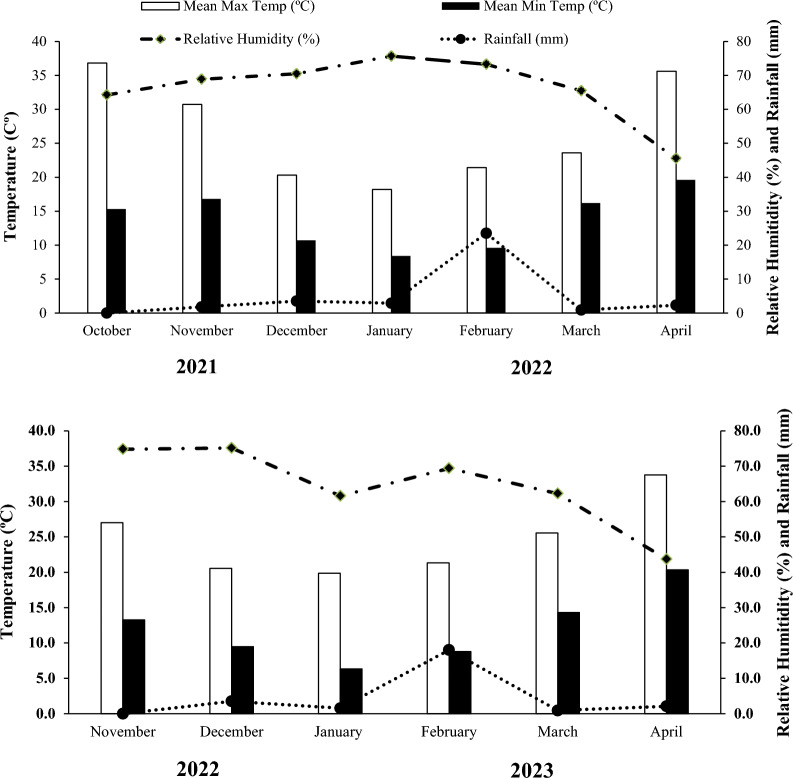 Figure 1
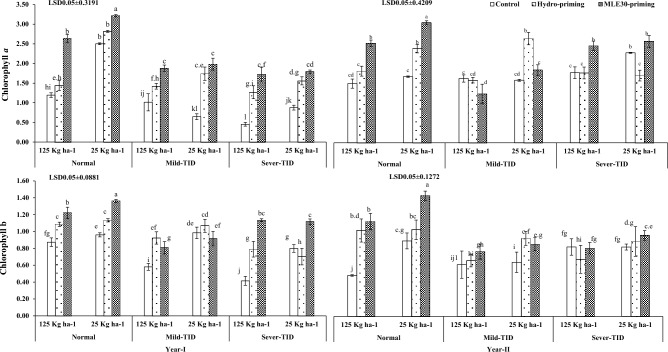 Figure 2
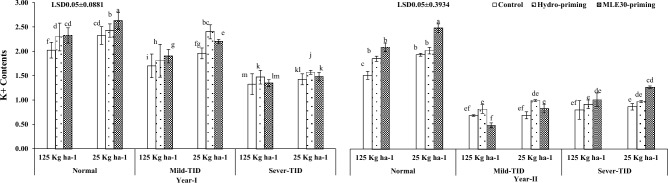 Figure 3
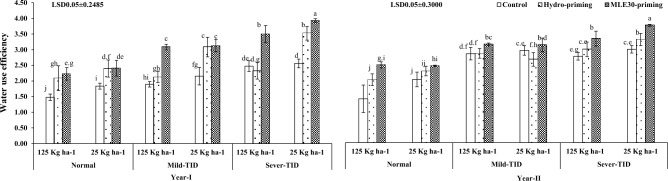 Figure 4
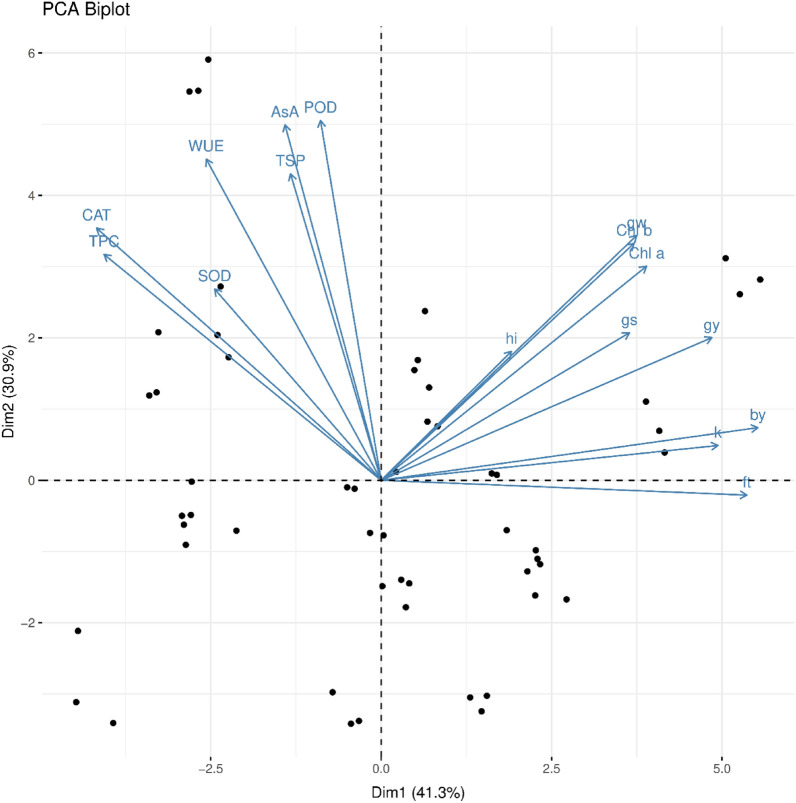 Figure 5
Peer Reviews
No public reviews on file for this paper yet. If you reviewed it on a platform where reviews are public (OpenReview, ICLR, NeurIPS, ICML), you can paste yours below so the community can read it here.
Videos
No videos yet. Explain this paper in a talk, walkthrough, or lecture? Add one.
Taxonomy
TopicsClassical Philosophy and Thought · Psychology of Moral and Emotional Judgment · Philosophical Ethics and Theory