Transcranial Irradiation Mitigates Paradoxical Sleep Deprivation Effect in an Age-Dependent Manner: Role of BDNF and GLP-1
Radwa H. Lutfy, Amina E. Essawy, Haitham S. Mohammed, Marwa M. Shakweer, Sherine Abdel Salam

TL;DR
This study shows that transcranial near-infrared light helps reduce cognitive issues caused by sleep deprivation in young but not old rats, possibly by boosting brain chemicals like BDNF and GLP-1.
Contribution
The study reveals age-dependent effects of NIR light on mitigating sleep deprivation-induced cognitive decline and identifies BDNF and GLP-1 as key factors.
Findings
NIR photobiomodulation improved cognition in young but not senile sleep-deprived rats.
NIR reduced anxiety-like behavior in both young and old sleep-deprived rats.
NIR increased BDNF and GLP-1 mRNA in senile rats, promoting neuronal survival.
Abstract
The growing prevalence of aged sleep-deprived nations is turning into a pandemic state. Acute sleep deprivation (SD) accompanies aging, changing the hippocampal cellular pattern, neurogenesis pathway expression, and aggravating cognitive deterioration. The present study investigated the ability of Near Infra Red (NIR) light laser to ameliorate cognitive impairment induced by SD in young and senile rats. Wistar rats ≤ 2 months (young) and ≥ 14 months (senile) were sleep-deprived for 72 h with or without transcranial administration of NIR laser of 830 nm. Our results showed that NIR photobiomodulation (PBM) attenuated cognitive deterioration made by SD in young, but not senile rats, while both sleep-deprived young and senile rats exhibited decreased anxiety (mania)-like behavior in response to PBM. NIR PBM had an inhibitory effect on AChE, enhanced the production of ACh, attenuated ROS,…
Genes, proteins, chemicals, diseases, species, mutations and cell lines named across the full text — each resolved to its canonical identifier and authoritative record.
Click any figure to enlarge with its caption.
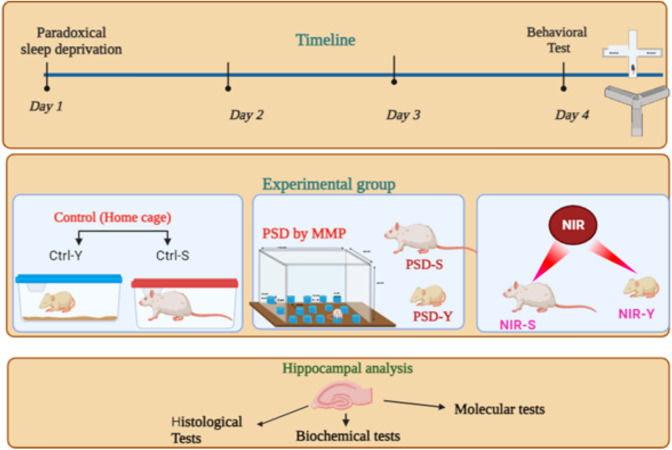 Figure 1
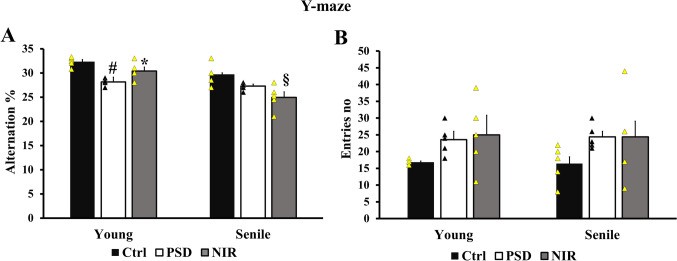 Figure 2
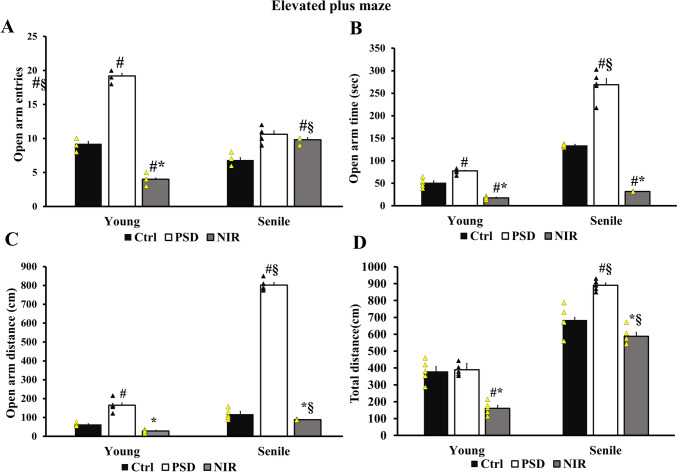 Figure 3
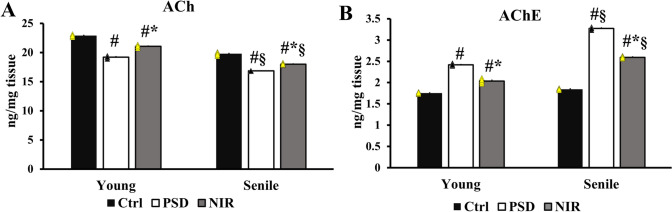 Figure 4
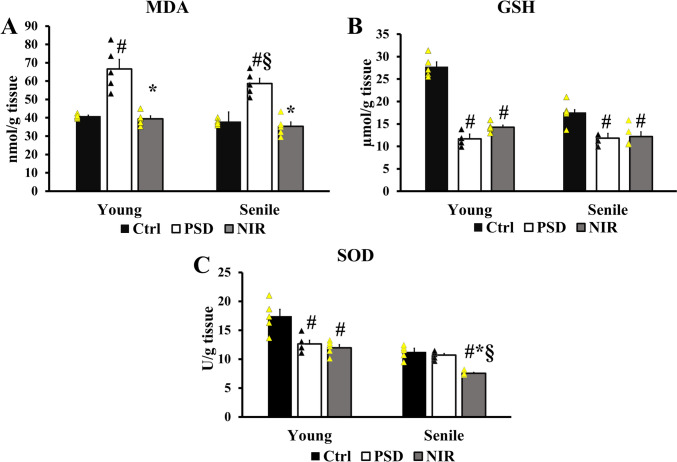 Figure 5
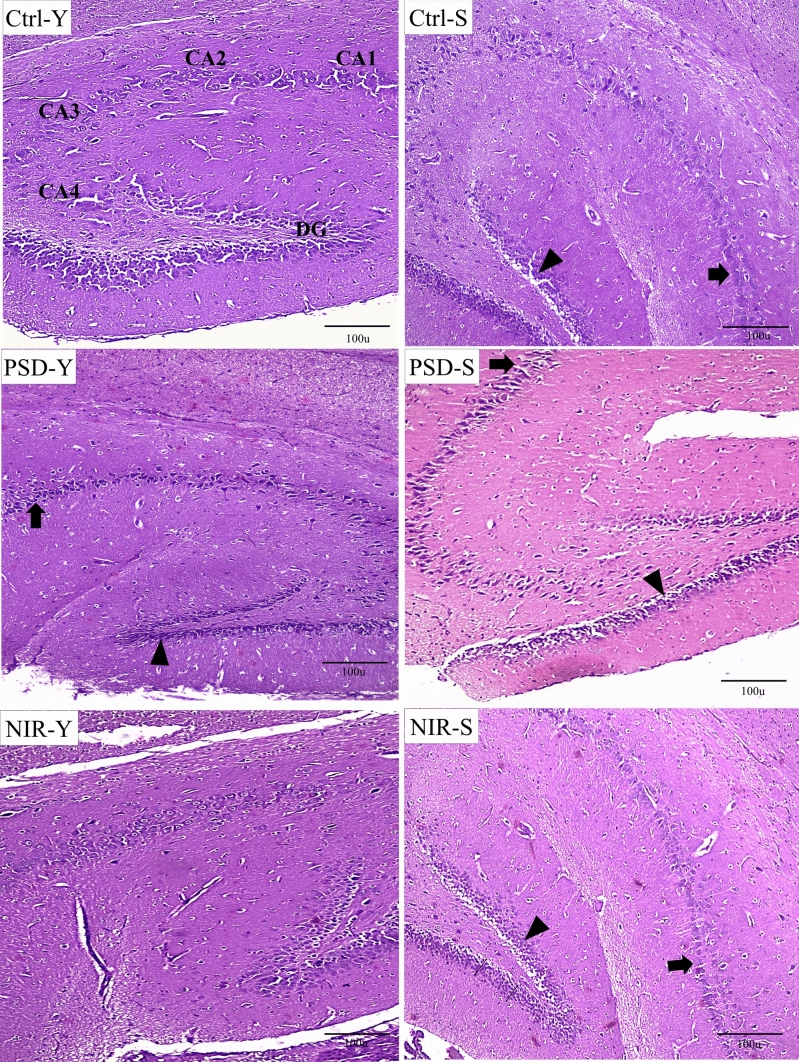 Figure 6
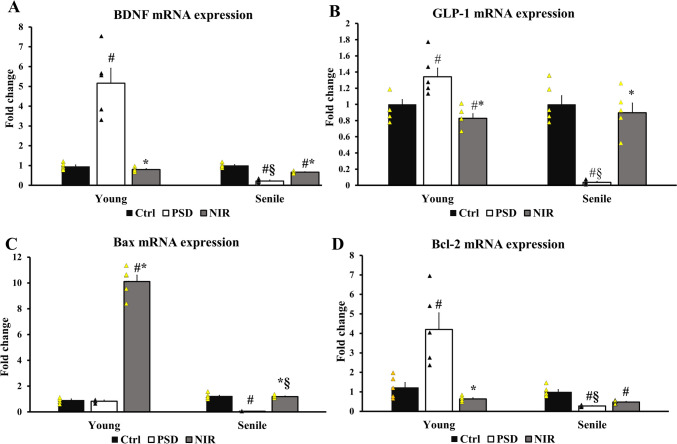 Figure 7
Peer Reviews
No public reviews on file for this paper yet. If you reviewed it on a platform where reviews are public (OpenReview, ICLR, NeurIPS, ICML), you can paste yours below so the community can read it here.
Videos
No videos yet. Explain this paper in a talk, walkthrough, or lecture? Add one.
Taxonomy
TopicsExtraction and Separation Processes · Metal Extraction and Bioleaching