Using cryopreserved allogeneic pericardium to repair congenital heart defects in children
Mariusz Birbach, Maciej Fedorowicz, Ewa M. Gałkowska, Agnieszka Powirska, Michał Kozłowski, Krzysztof Mozol, Aleksandra Wasiak, Bohdan Maruszewski, Andrzej Kansy

TL;DR
This study shares a hospital's experience using frozen donor pericardium to repair heart defects in children, showing it can be used in various parts of the heart and circulation.
Contribution
The study provides a detailed single-center retrospective analysis of cryopreserved allogeneic pericardium use in pediatric heart surgeries.
Findings
Cryopreserved allogeneic pericardium was used in 382 children for congenital heart defect repairs.
Patches were implanted in both systemic and pulmonary circulations, as well as intracardiac and extracardiac positions.
There is no uniform strategy for selecting the optimal patch type for pediatric heart defect repairs.
Abstract
Patches prepared from autologous, allogeneic, or xenogeneic tissues are widely used in the repair of congenital heart defects in children. Since 2002, cryopreserved allogeneic pericardial patches have been prepared in our institution as an alternative to commercially available patches. This study retrospectively reviewed donor and patient data concerning cryopreservation time and the clinical use of the pericardium in 382 children who were operated on at a single center between 2004 and 2021. There were 177 donors: 98 males and 79 females. The median donor age was 13 years (range: 1 month to 53 years) and the median cryopreservation time was 72 days (range: 3–685). There were 382 pediatric patients: 224 males and 158 females. The median patient age was 1 month (range: 3 days to 17.8 years). The patches were used for primary surgeries in 228 patients and for reoperations in 154. The…
Genes, proteins, chemicals, diseases, species, mutations and cell lines named across the full text — each resolved to its canonical identifier and authoritative record.
Click any figure to enlarge with its caption.
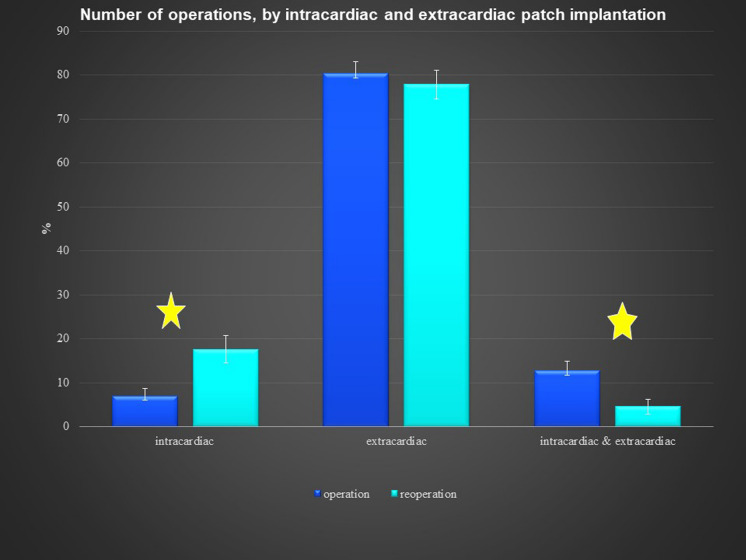 Figure 1
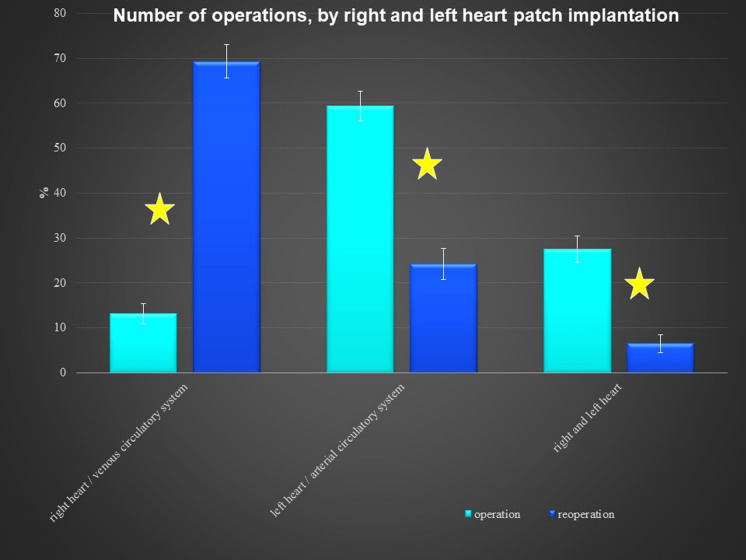 Figure 2
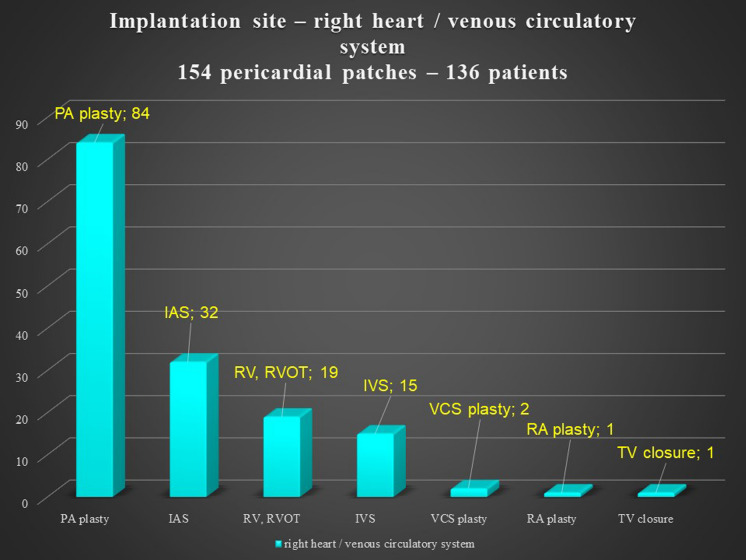 Figure 3
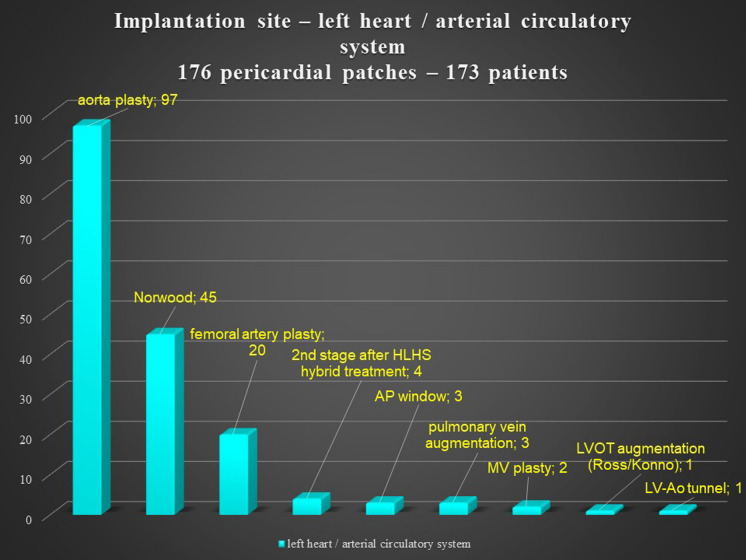 Figure 4
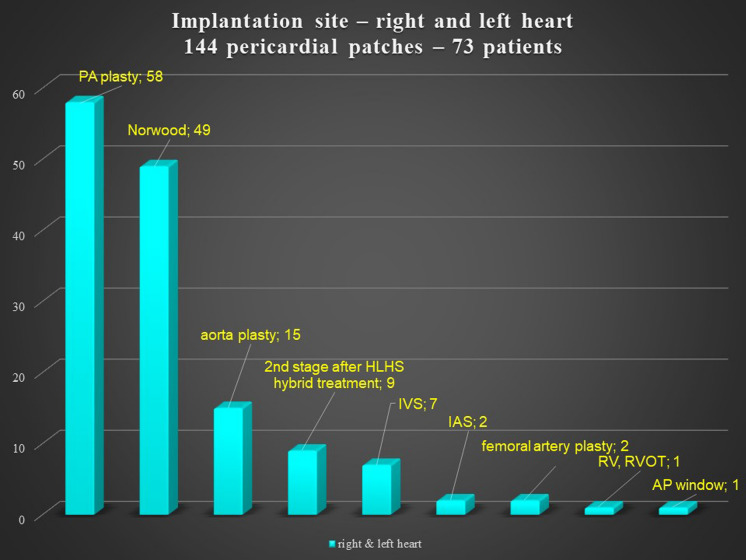 Figure 5
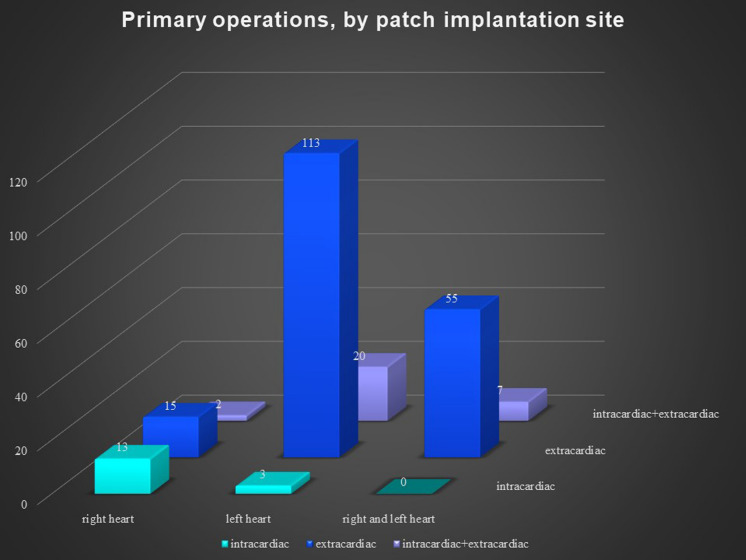 Figure 6
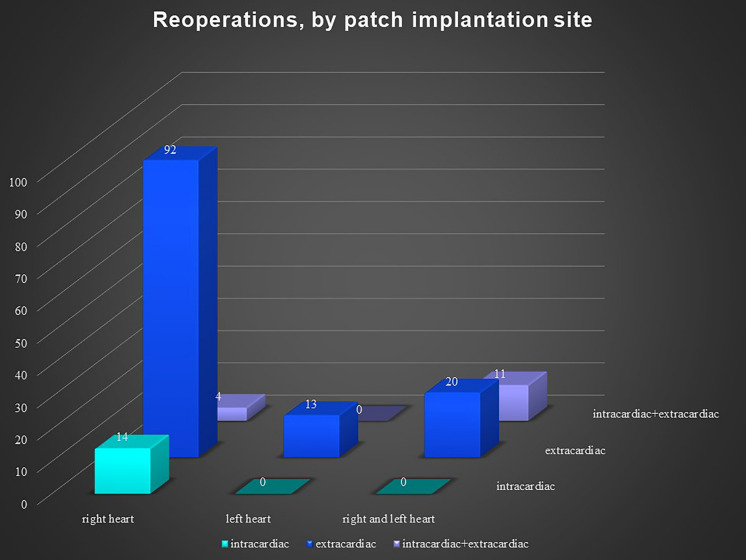 Figure 7
Peer Reviews
No public reviews on file for this paper yet. If you reviewed it on a platform where reviews are public (OpenReview, ICLR, NeurIPS, ICML), you can paste yours below so the community can read it here.
Videos
No videos yet. Explain this paper in a talk, walkthrough, or lecture? Add one.
Taxonomy
TopicsCardiac Structural Anomalies and Repair · Congenital Heart Disease Studies · Mechanical Circulatory Support Devices