Improved metagenome assemblies through selective enrichment of bacterial genomic DNA from eukaryotic host genomic DNA using ATAC-seq
Lindsey J. Cantin, Julie C. Dunning Hotopp, Jeremy M. Foster

TL;DR
This paper shows how ATAC-seq can be used to enrich bacterial DNA from host tissue, improving metagenome assemblies for hard-to-culture bacteria like Wolbachia.
Contribution
The novel use of ATAC-seq for selective bacterial DNA enrichment enables efficient metagenome assembly with minimal input and low cost.
Findings
ATAC-seq achieved 50-fold enrichment of bacterial sequences in Brugia malayi nematodes.
wBm genome was assembled with 97% coverage using only 1 million Illumina reads.
Bacterial enrichment was also observed in ATAC-seq data from human and C. elegans samples.
Abstract
Genomics can be used to study the complex relationships between hosts and their microbiota. Many bacteria cannot be cultured in the laboratory, making it difficult to obtain adequate amounts of bacterial DNA and to limit host DNA contamination for the construction of metagenome-assembled genomes (MAGs). For example, Wolbachia is a genus of exclusively obligate intracellular bacteria that live in a wide range of arthropods and some nematodes. While Wolbachia endosymbionts are frequently described as facultative reproductive parasites in arthropods, the bacteria are obligate mutualistic endosymbionts of filarial worms. Here, we achieve 50-fold enrichment of bacterial sequences using ATAC-seq (Assay for Transposase-Accessible Chromatin using sequencing) with Brugia malayi nematodes, containing Wolbachia (wBm). ATAC-seq uses the Tn5 transposase to cut and attach Illumina sequencing adapters…
Genes, proteins, chemicals, diseases, species, mutations and cell lines named across the full text — each resolved to its canonical identifier and authoritative record.
Click any figure to enlarge with its caption.
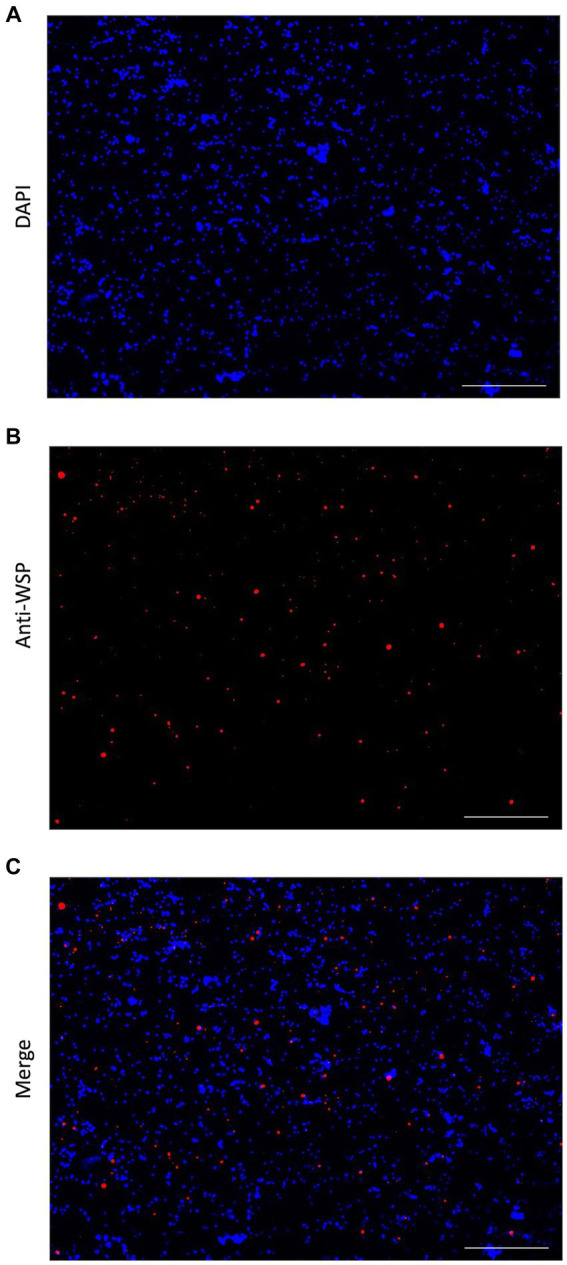 Figure 1
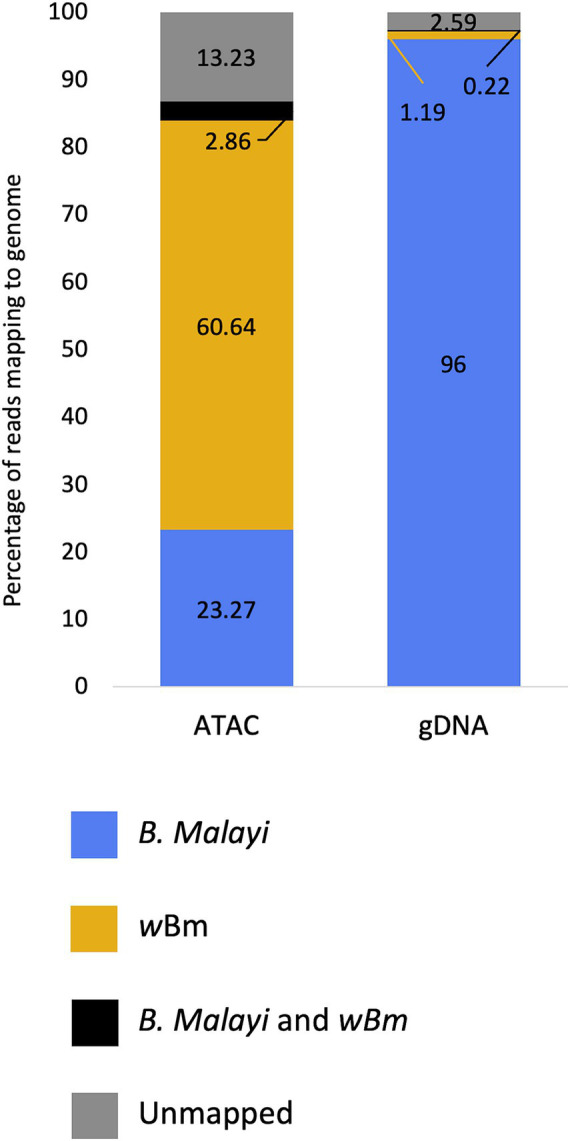 Figure 2
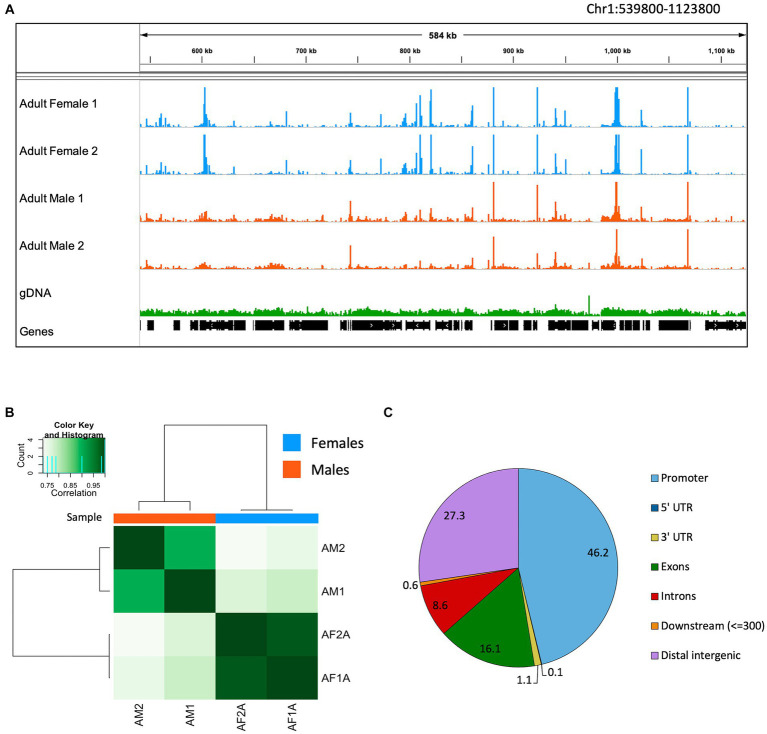 Figure 3
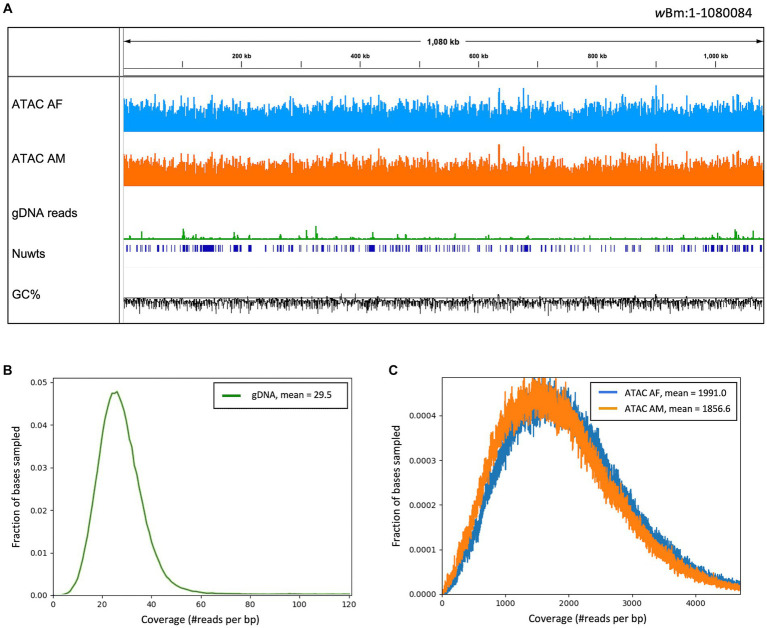 Figure 4
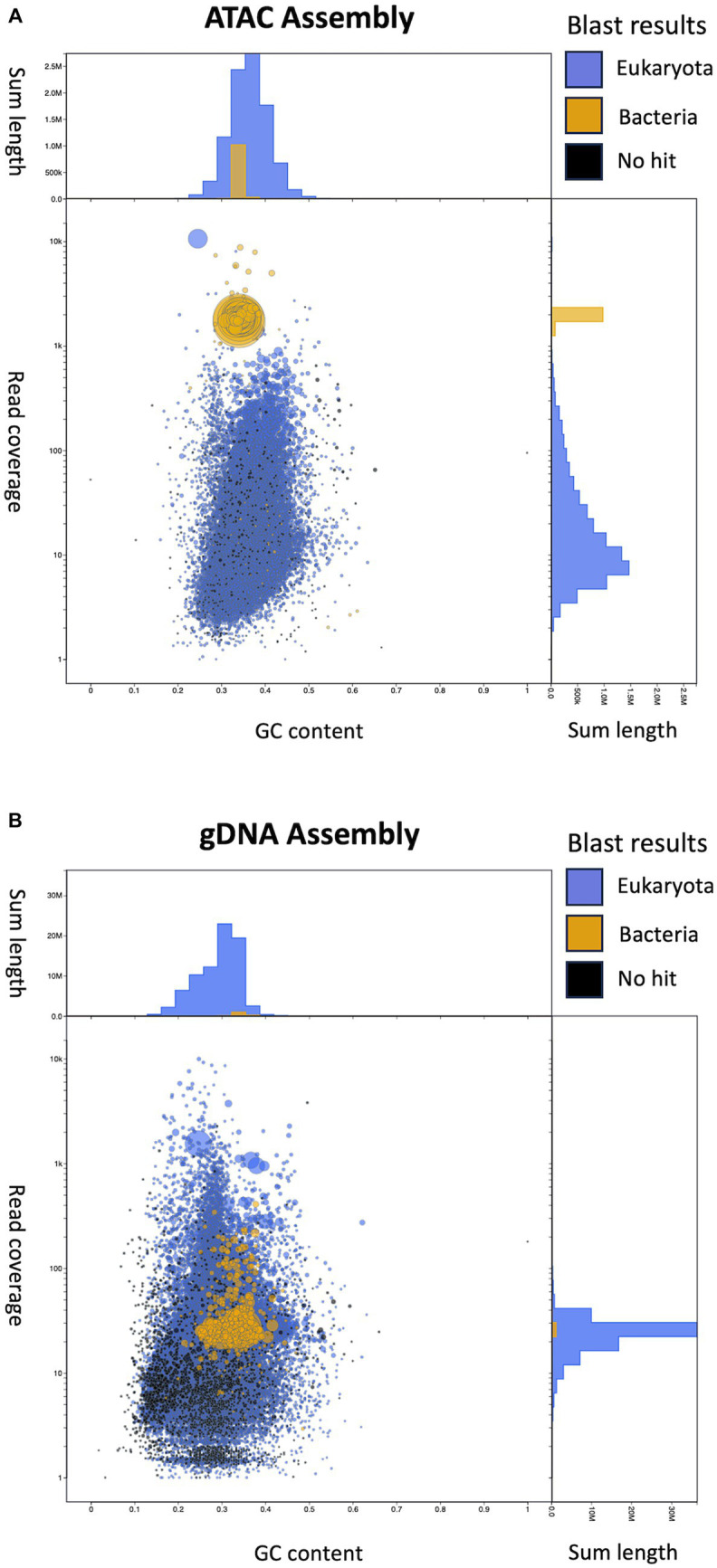 Figure 5
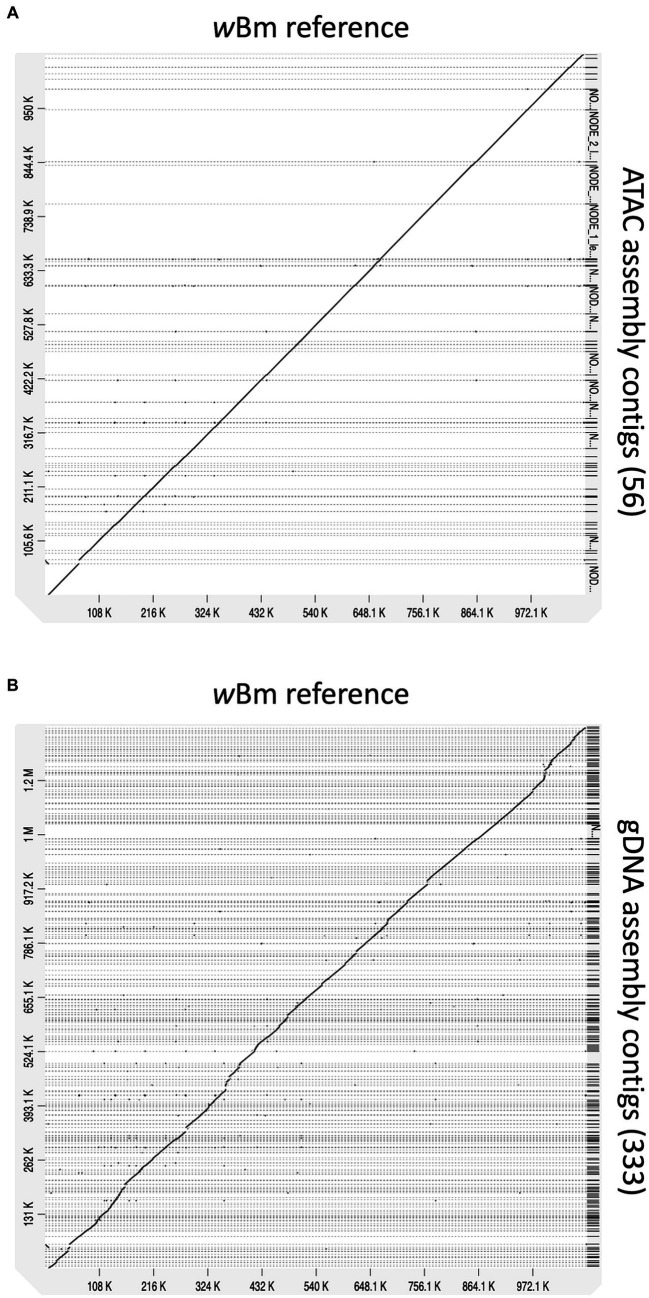 Figure 6
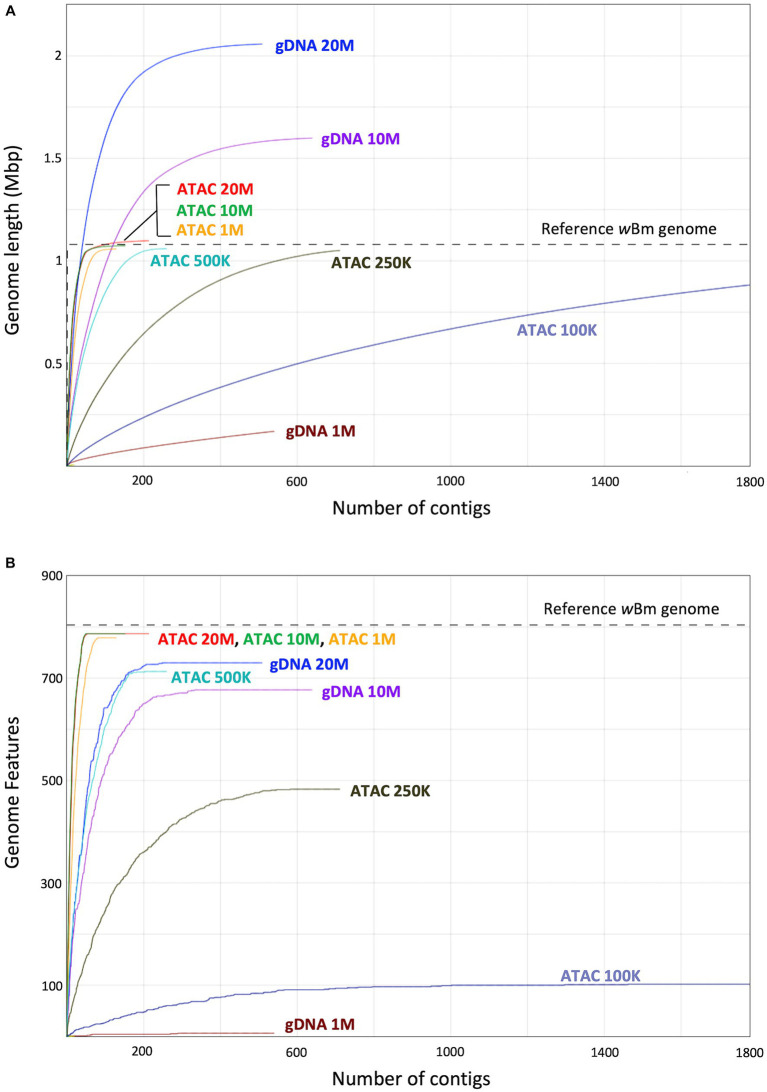 Figure 7
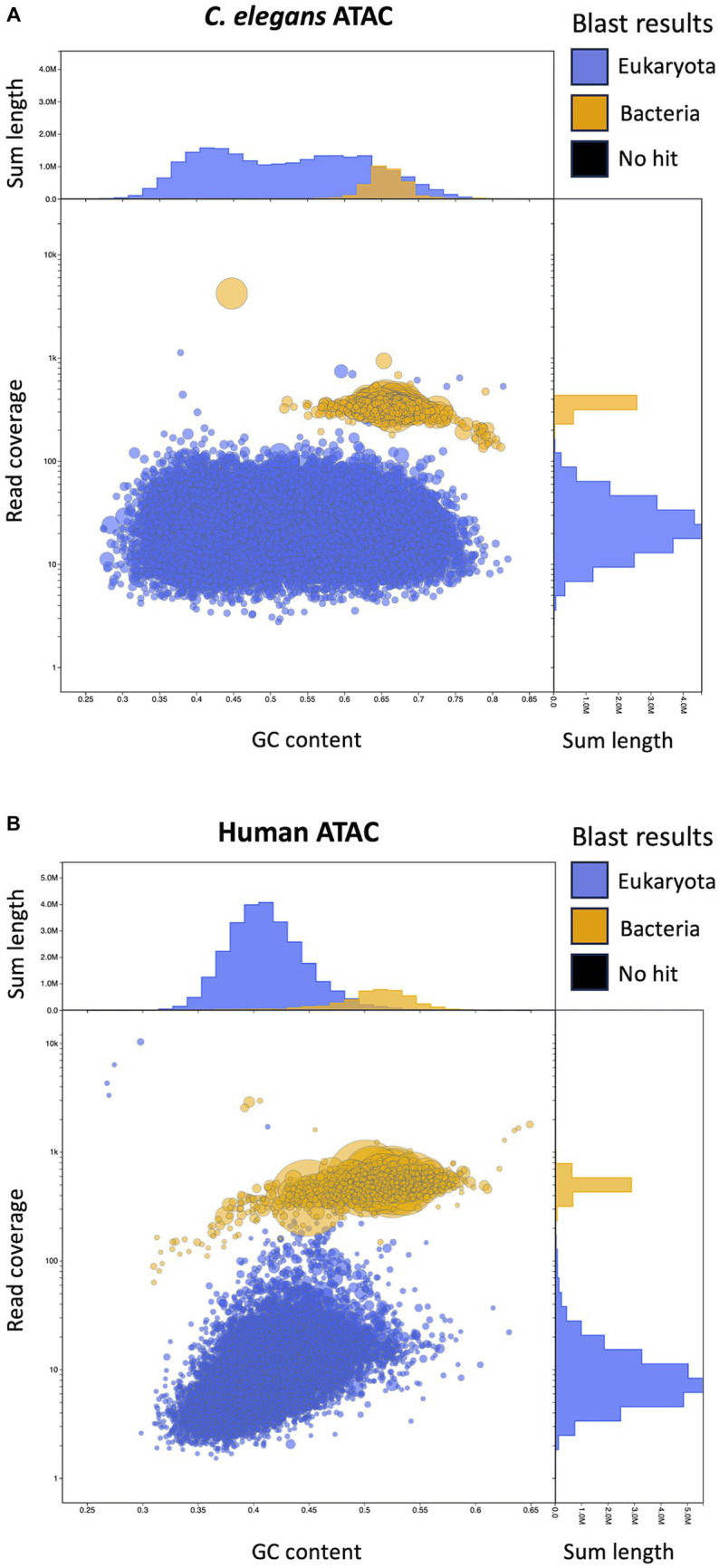 Figure 8
Peer Reviews
No public reviews on file for this paper yet. If you reviewed it on a platform where reviews are public (OpenReview, ICLR, NeurIPS, ICML), you can paste yours below so the community can read it here.
Videos
No videos yet. Explain this paper in a talk, walkthrough, or lecture? Add one.
Taxonomy
TopicsInsect symbiosis and bacterial influences · Parasitic Diseases Research and Treatment · Nematode management and characterization studies