Conserved molecular chaperone PrsA stimulates protective immunity against group A Streptococcus
Chien-Yu Lai, Jia-Xun Xie, Meng-Chih Lai, Zhao-Yi Wu, Jr-Shiuan Lin, Yu-Tsung Huang, Chia-Yu Chi, Chuan Chiang-Ni, Mark J. Walker, Yung-Chi Chang

TL;DR
This study explores PrsA1 and PrsA2 proteins as potential universal vaccine candidates against Group A Streptococcus, showing strong immune protection in mice.
Contribution
The study identifies PrsA1 and PrsA2 as highly conserved and non-cross-reactive vaccine candidates for Group A Streptococcus.
Findings
PrsA1 and PrsA2 are highly conserved across GAS isolates with minimal amino acid variation.
Antibodies targeting PrsA1/A2 enhance neutrophil killing and confer protective immunity in mice.
CFA-adjuvanted PrsA1/A2 immunization provides ~70% protection against invasive GAS infection.
Abstract
Group A Streptococcus (GAS) is a significant human pathogen that poses a global health concern. However, the development of a GAS vaccine has been challenging due to the multitude of diverse M-types and the risk of triggering cross-reactive immune responses. Our previous research has identified a critical role of PrsA1 and PrsA2, surface post-translational molecular chaperone proteins, in maintaining GAS proteome homeostasis and virulence traits. In this study, we aimed to further explore the potential of PrsA1 and PrsA2 as vaccine candidates for preventing GAS infection. We found that PrsA1 and PrsA2 are highly conserved among GAS isolates, demonstrating minimal amino acid variation. Antibodies specifically targeting PrsA1/A2 showed no cross-reactivity with human heart proteins and effectively enhanced neutrophil opsonophagocytic killing of various GAS serotypes. Additionally, passive…
Genes, proteins, chemicals, diseases, species, mutations and cell lines named across the full text — each resolved to its canonical identifier and authoritative record.
Click any figure to enlarge with its caption.
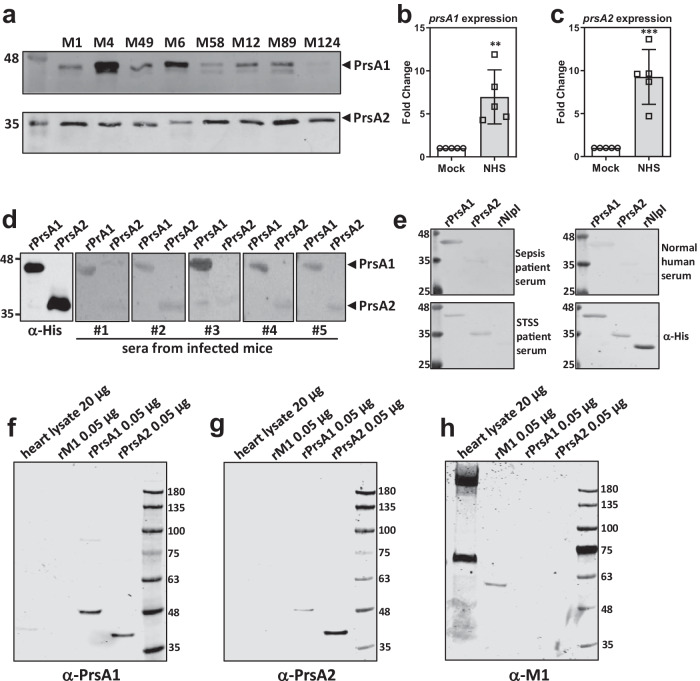 Figure 1
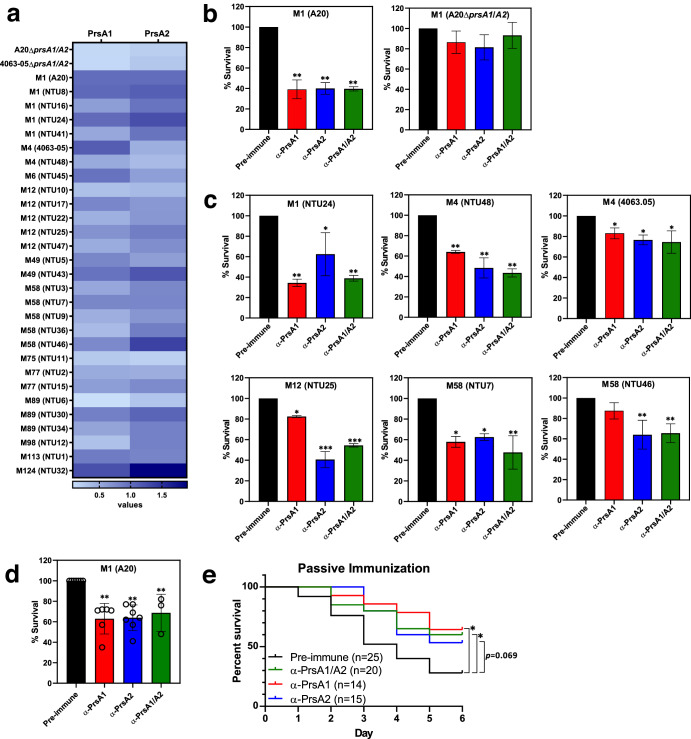 Figure 2
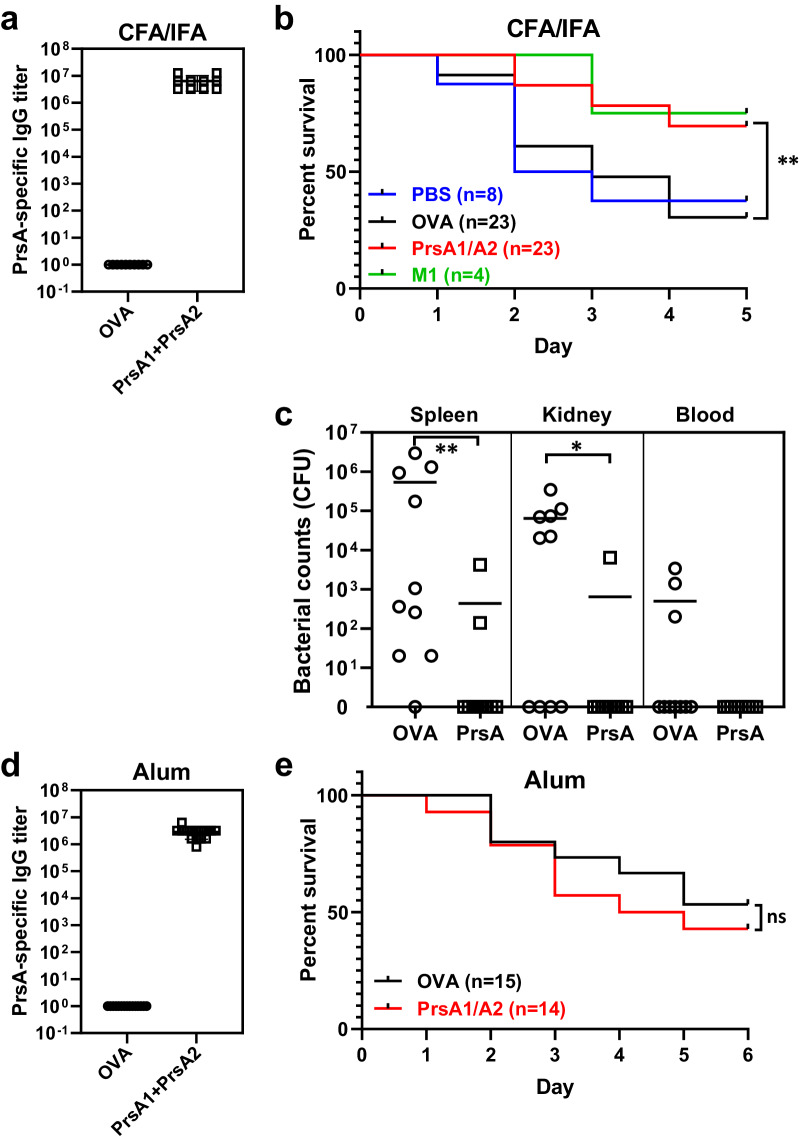 Figure 3
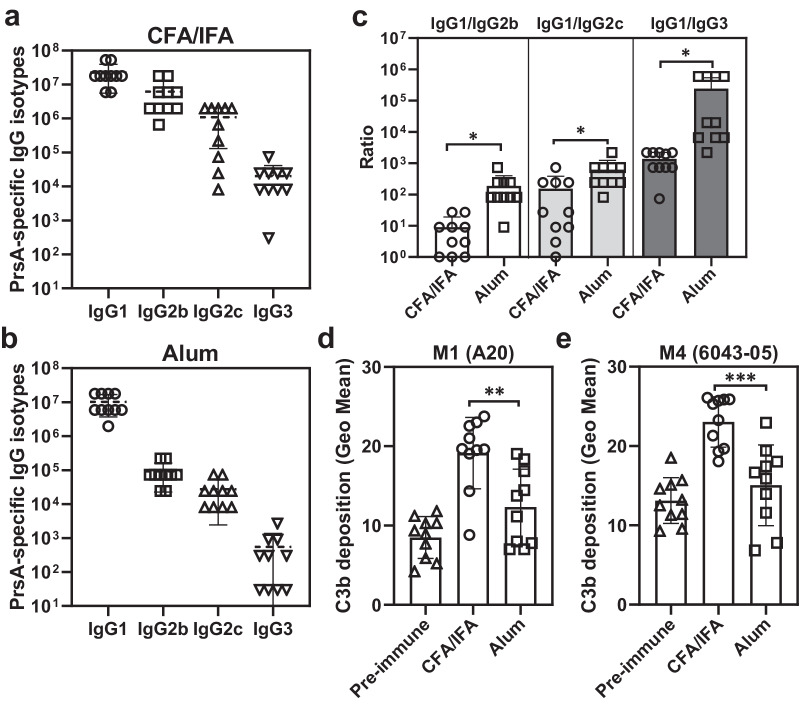 Figure 4
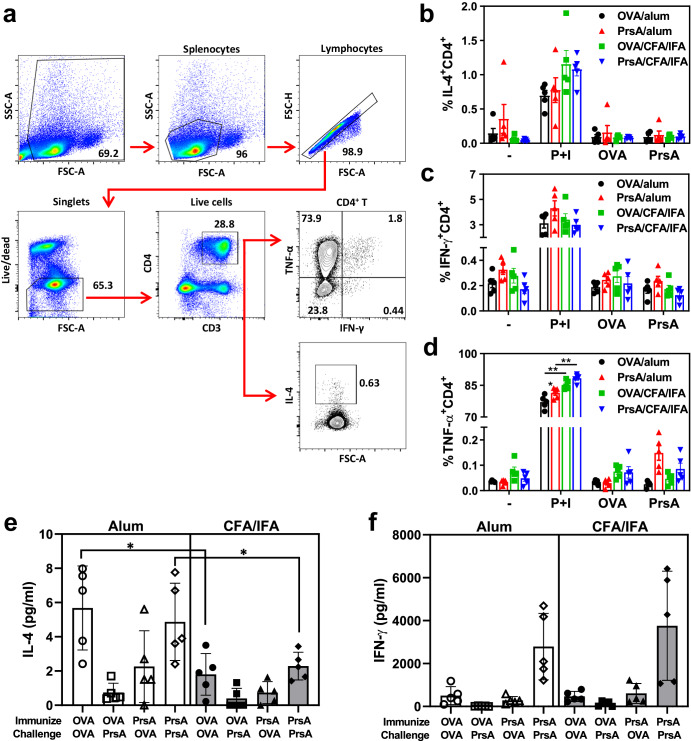 Figure 5
Peer Reviews
No public reviews on file for this paper yet. If you reviewed it on a platform where reviews are public (OpenReview, ICLR, NeurIPS, ICML), you can paste yours below so the community can read it here.
Videos
No videos yet. Explain this paper in a talk, walkthrough, or lecture? Add one.
Taxonomy
TopicsStreptococcal Infections and Treatments · Neonatal and Maternal Infections · Bacterial Identification and Susceptibility Testing