Pyromeconic acid-enriched Erigeron annuus water extract as a cosmetic ingredient for itch relief and anti-inflammatory activity
Minkyoung Kang, Minji Kang, Tae Hee Kim, Seong Un Jeong, Sangnam Oh

TL;DR
This study shows that a water extract from Erigeron annuus and its main ingredient, pyromeconic acid, can reduce itching and inflammation, making them promising for cosmetic use.
Contribution
The study identifies pyromeconic acid-enriched Erigeron annuus extract as a novel functional cosmetic ingredient with anti-inflammatory and anti-itch properties.
Findings
EEA and PA reduced histamine secretion and pro-inflammatory cytokines in human mast cells and keratinocytes.
EEA and PA enhanced antioxidant enzymes and reduced oxidative stress in HaCaT cells.
EEA and PA improved skin barrier function and modulated inflammatory gene expression.
Abstract
Erigeron annuus (EA), traditionally used to treat disorders such as diabetes and enteritis, contains a variety of chemicals, including caffeic acid, flavonoids, and coumarins, providing antifungal and antioxidative benefits. However, the ingredients of each part of the EA vary widely, and there are few reports on the functionality of water extracts in skin inflammation and barrier protection. We assessed the therapeutic properties of the extract of EA without roots (EEA) and its primary ingredient, pyromeconic acid (PA), focusing on their antihistamine, anti-inflammatory, and antioxidative capabilities using HMC-1(human mast cells) and human keratinocytes (HaCaT cells). Our findings revealed that histamine secretion, which is closely related to itching, was notably reduced in HMC-1 cells following pretreatment with EEA (0.1% and 0.2%) and PA (corresponding concentration, 4.7 of 9.4…
Genes, proteins, chemicals, diseases, species, mutations and cell lines named across the full text — each resolved to its canonical identifier and authoritative record.
Click any figure to enlarge with its caption.
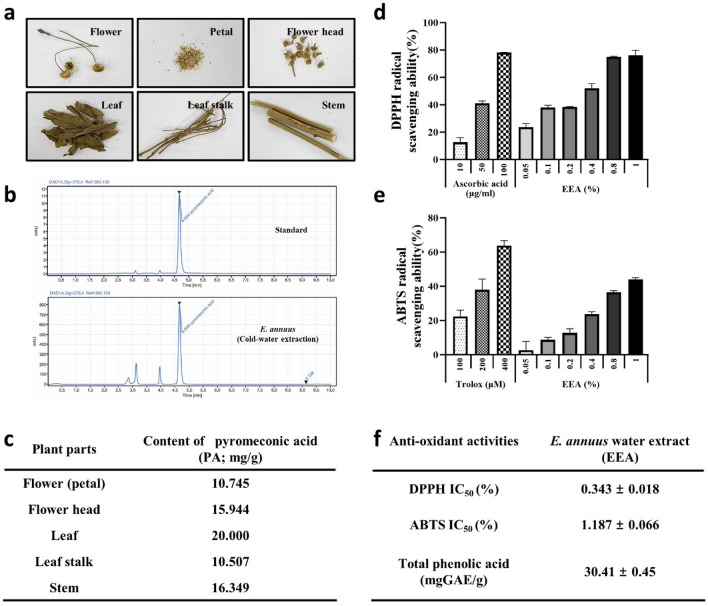 Figure 1
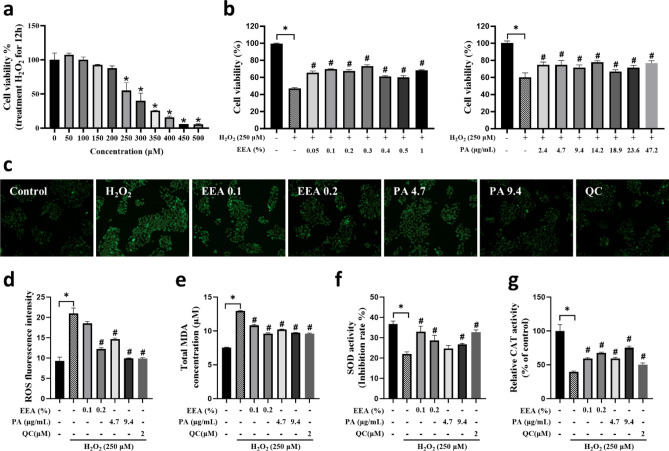 Figure 2
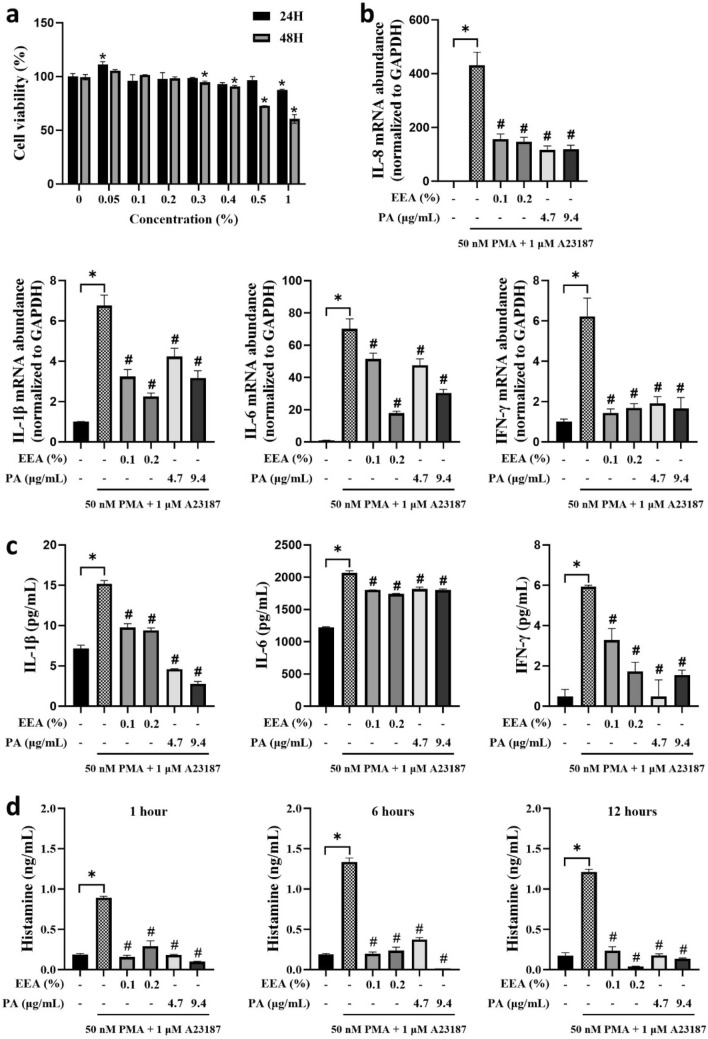 Figure 3
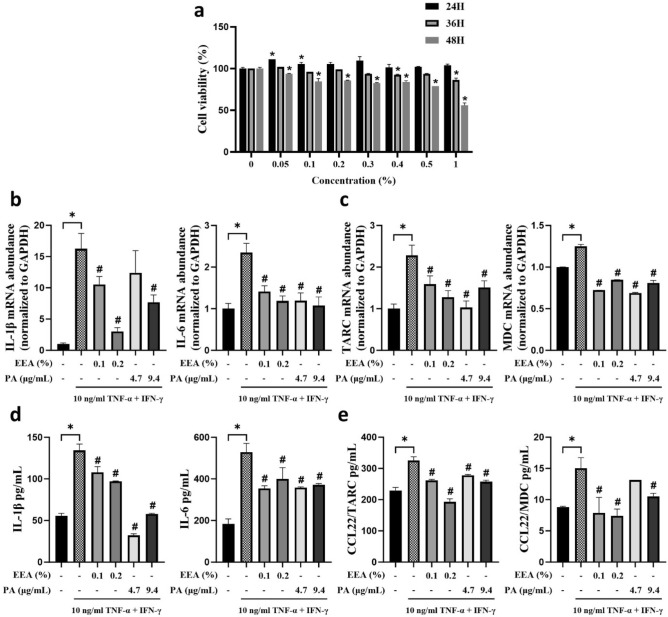 Figure 4
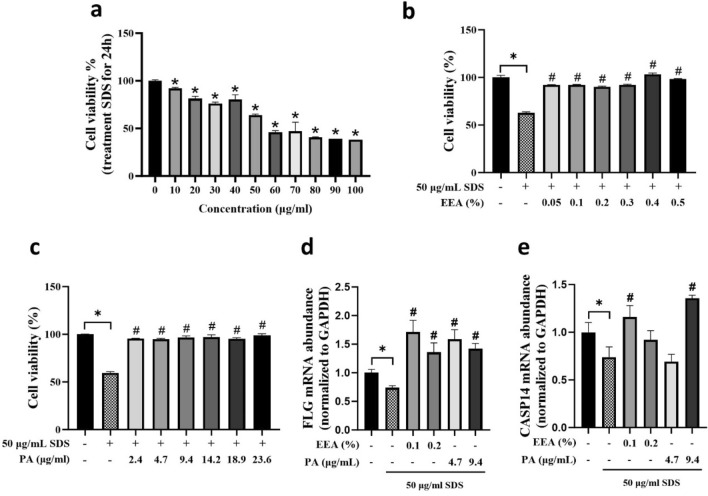 Figure 5
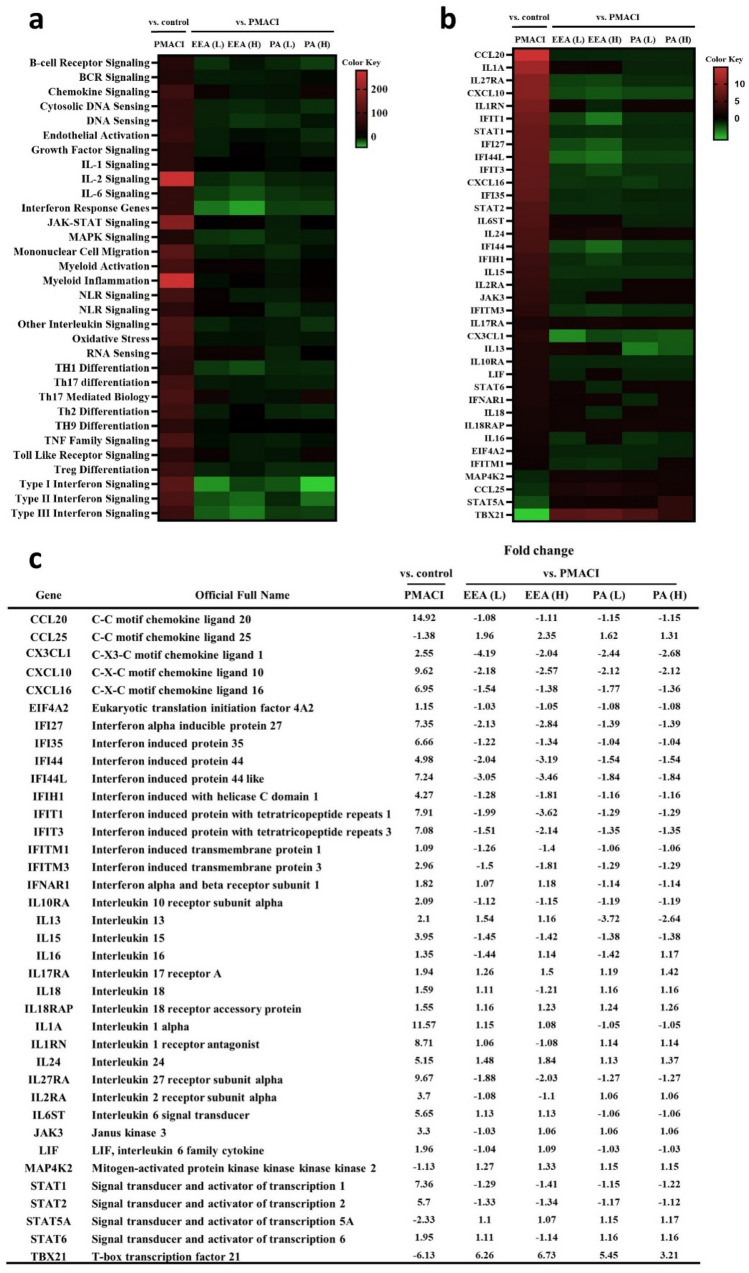 Figure 6
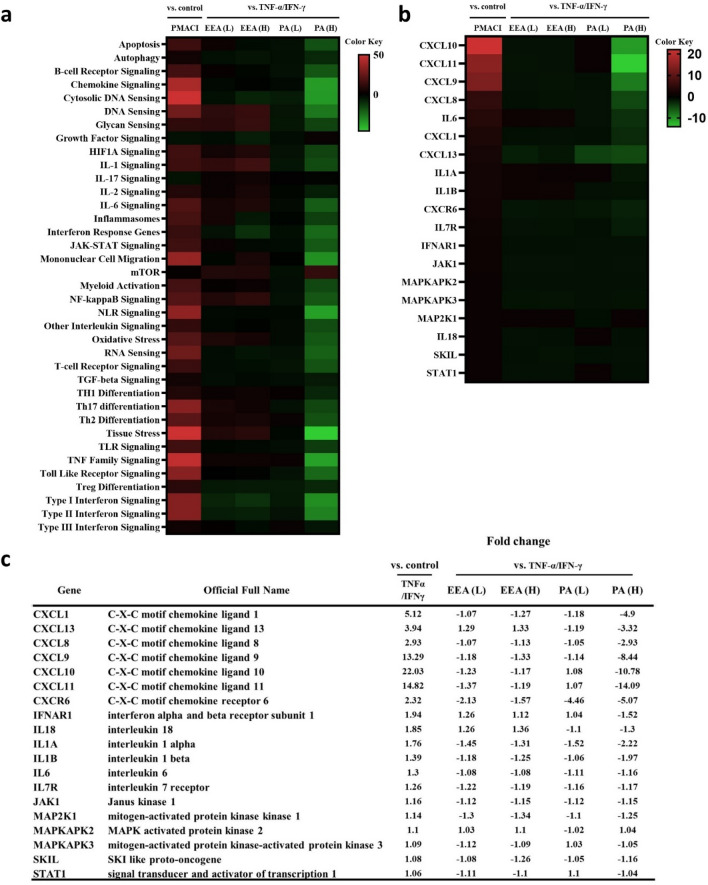 Figure 7
Peer Reviews
No public reviews on file for this paper yet. If you reviewed it on a platform where reviews are public (OpenReview, ICLR, NeurIPS, ICML), you can paste yours below so the community can read it here.
Videos
No videos yet. Explain this paper in a talk, walkthrough, or lecture? Add one.
Taxonomy
TopicsDermatology and Skin Diseases · Natural product bioactivities and synthesis · Allergic Rhinitis and Sensitization