Hysterosalpingography and Ultrasonography Features of Herlyn-Werner-Wunderlich Syndrome Detected during Infertility Workup
Hidayatullah Hamidi, Bibi Hosai Balkhi

TL;DR
This paper presents a rare case of Herlyn-Werner-Wunderlich Syndrome diagnosed using ultrasonography and hysterosalpingography during an infertility evaluation.
Contribution
The novelty lies in diagnosing HWWS using HSG and ultrasonography instead of the typically used MRI.
Findings
HWWS was successfully diagnosed using ultrasonography and hysterosalpingography.
The case highlights the potential of non-MRI imaging techniques in detecting rare urogenital anomalies.
The patient presented with infertility, leading to the discovery of the syndrome.
Abstract
The Herlyn-Werner-Wunderlich syndrome (HWWS) is a very rare congenital anomaly of the urogenital tract. It is characterized by a combination of didelphys uterus, unilateral vaginal obstruction, and ipsilateral renal agenesis. MRI imaging is usually used for diagnosis; however, the authors present a case of HWWS diagnosed by ultrasonography (HSG) and hysterosalpingography (HSG) in a 22-year-old lady who has undergone an imaging workup of infertility.
Genes, proteins, chemicals, diseases, species, mutations and cell lines named across the full text — each resolved to its canonical identifier and authoritative record.
Click any figure to enlarge with its caption.
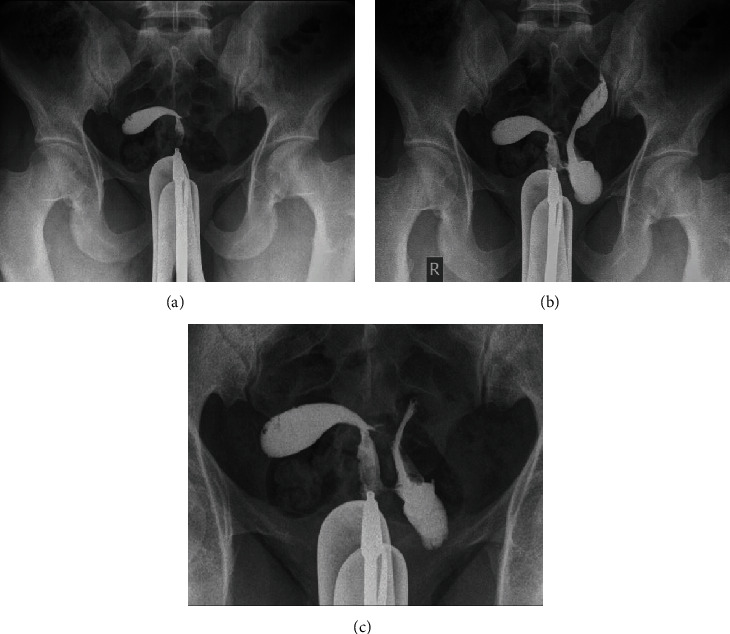 Figure 1
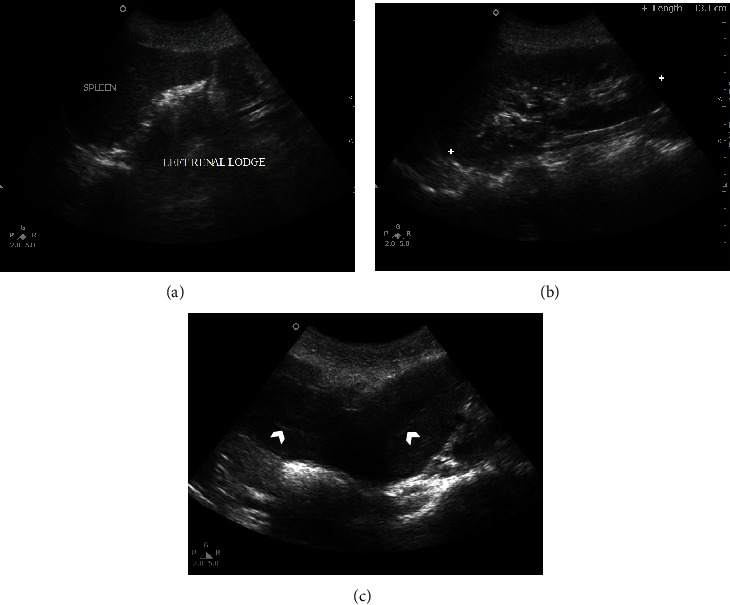 Figure 2
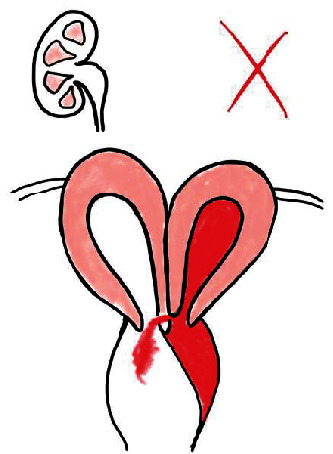 Figure 3
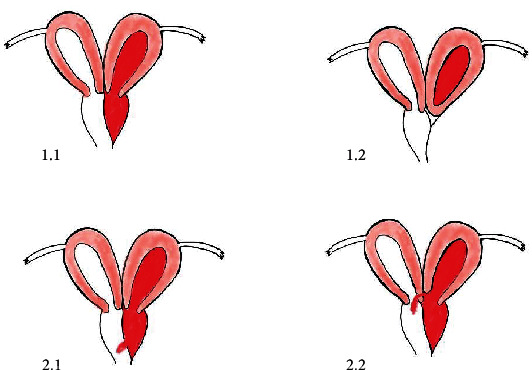 Figure 4
Peer Reviews
No public reviews on file for this paper yet. If you reviewed it on a platform where reviews are public (OpenReview, ICLR, NeurIPS, ICML), you can paste yours below so the community can read it here.
Videos
No videos yet. Explain this paper in a talk, walkthrough, or lecture? Add one.
Taxonomy
TopicsGynecological conditions and treatments · Uterine Myomas and Treatments · Endometriosis Research and Treatment