Clinical predictors of severe forms of influenza A(H1N1)pdm09 in adults and children during the 2009 epidemic in Brazil
Jose Ueleres Braga

TL;DR
This study identifies clinical predictors of severe influenza A(H1N1)pdm09 in Brazil during 2009 and develops prediction models for adults and children.
Contribution
The paper introduces three clinical prediction models for severe influenza based on epidemiological data from Brazil's 2009 epidemic.
Findings
Systolic blood pressure, respiratory rate, dehydration, obesity, pregnancy, and vomiting were key predictors of severe influenza.
Three prediction models showed good performance with ROC AUC values of 0.89, 0.98, and 0.91 for adults, adult women, and children.
The study included 1653 participants with a mean age of 26, mostly female and with low education levels.
Abstract
The World Health Organization (WHO) raised the global alert level for the A(H1N1) influenza pandemic in June 2009. However, since the beginning of the epidemic, the fight against the epidemic lacked foundations for managing cases to reduce the disease lethality. It was urgent to carry out studies that would indicate a model for predicting severe forms of influenza. This study aimed to identify risk factors for severe forms during the 2009 influenza epidemic and develop a prediction model based on clinical epidemiological data. A case-control of cases notified to the health secretariats of the states of Rio de Janeiro, São Paulo, Minas Gerais, Paraná, and Rio Grande do Sul was conducted. Cases had fever, respiratory symptoms, positive confirmatory test for the presence of the virus associated with one of the three conditions: (i) presenting respiratory complications such as pneumonia,…
Genes, proteins, chemicals, diseases, species, mutations and cell lines named across the full text — each resolved to its canonical identifier and authoritative record.
Click any figure to enlarge with its caption.
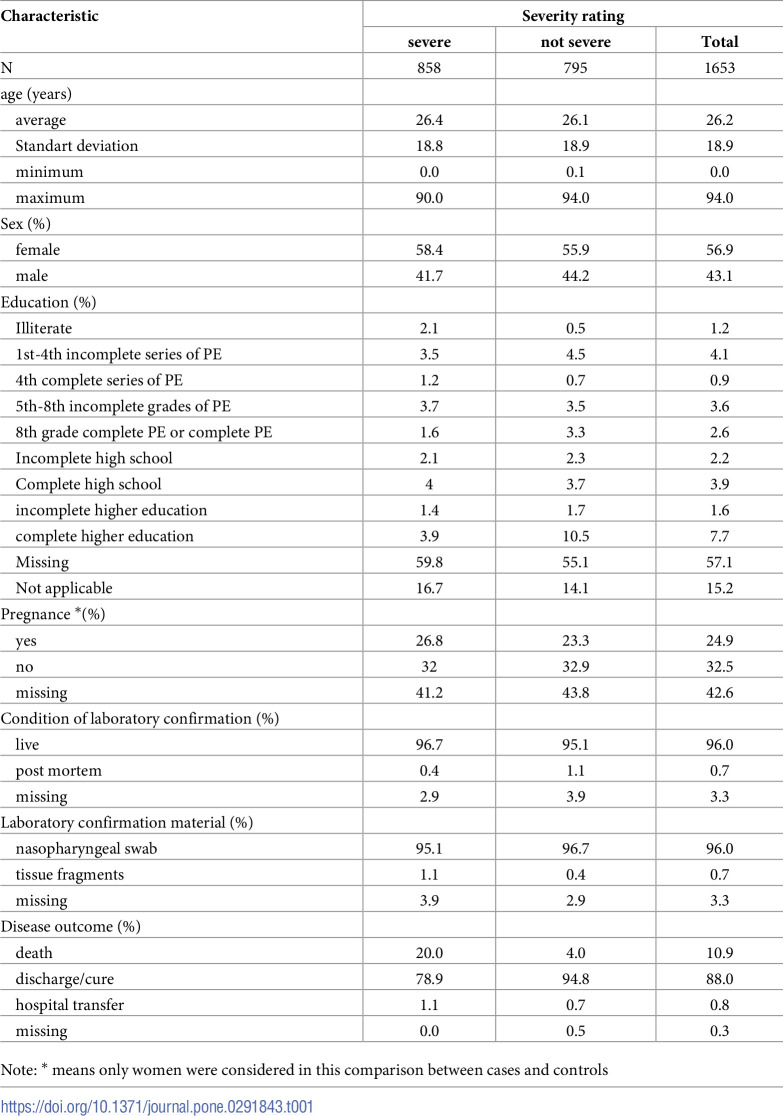 Figure 1
 Figure 2
 Figure 3
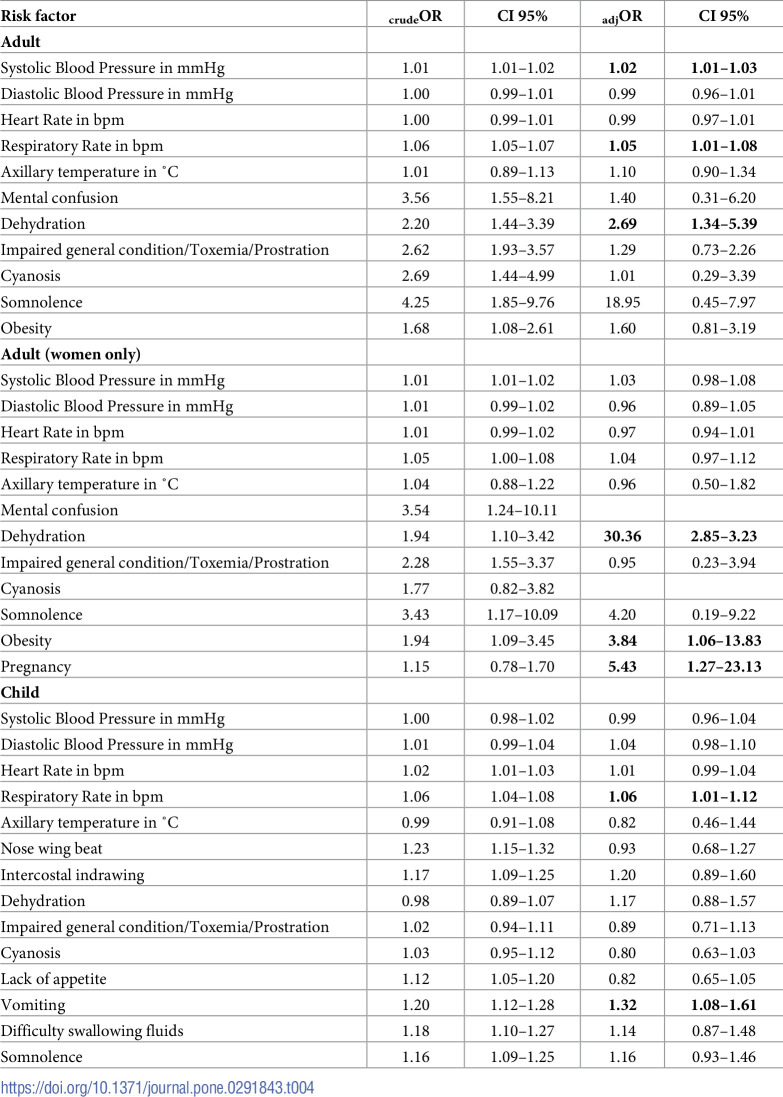 Figure 4
Peer Reviews
No public reviews on file for this paper yet. If you reviewed it on a platform where reviews are public (OpenReview, ICLR, NeurIPS, ICML), you can paste yours below so the community can read it here.
Videos
No videos yet. Explain this paper in a talk, walkthrough, or lecture? Add one.
Taxonomy
TopicsCOVID-19 epidemiological studies · Influenza Virus Research Studies · Data-Driven Disease Surveillance