KRAS silencing alters chromatin physical organization and transcriptional activity in colorectal cancer cells
Flávia Martins, Ana Luísa Machado, Andreia Ribeiro, Susana Mendonça Oliveira, Joana Carvalho, Rune Matthiesen, Vadim Backman, Sérgia Velho

TL;DR
KRAS silencing in colorectal cancer cells leads to chromatin reorganization and transcriptional changes, enabling drug tolerance.
Contribution
The study reveals a novel mechanism of drug tolerance through global chromatin reorganization, not specific gene mutations.
Findings
KRAS-dependent cells undergo G0/G1 arrest and show a quiescent transcriptomic signature after KRAS silencing.
Chromatin reorganization includes changes in euchromatin/heterochromatin states and topologically associating domains.
Transcriptional alterations over time link chromatin changes to increased transcriptional reprogramming capacity.
Abstract
Clinical data revealed that KRAS mutant tumors, while initially sensitive to treatment, rapidly bypass KRAS dependence to acquire a drug-tolerant phenotype. However, the mechanisms underlying the transition from a drug-sensitive to a drug-tolerant state still elude us. Here, we show that global chromatin reorganization is a recurrent and specific feature of KRAS-dependent cells that tolerated KRAS silencing. We show that KRAS-dependent cells undergo G0/G1 cell cycle arrest after KRAS silencing, presenting a transcriptomic signature of quiescence. Proteomic analysis showed upregulated chromatin-associated proteins and transcription-associated biological processes. Accordingly, these cells shifted euchromatin/heterochromatin states, gained topologically associating domains, and altered the nanoscale physical organization of chromatin, more precisely by downregulating chromatin packing…
Genes, proteins, chemicals, diseases, species, mutations and cell lines named across the full text — each resolved to its canonical identifier and authoritative record.
Click any figure to enlarge with its caption.
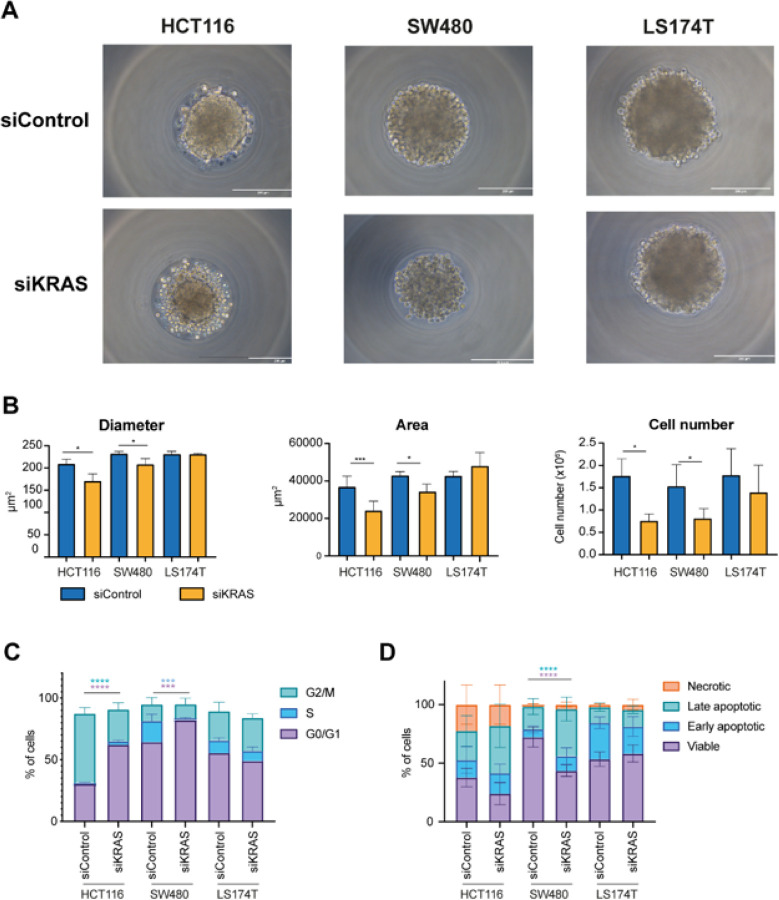 Figure 1
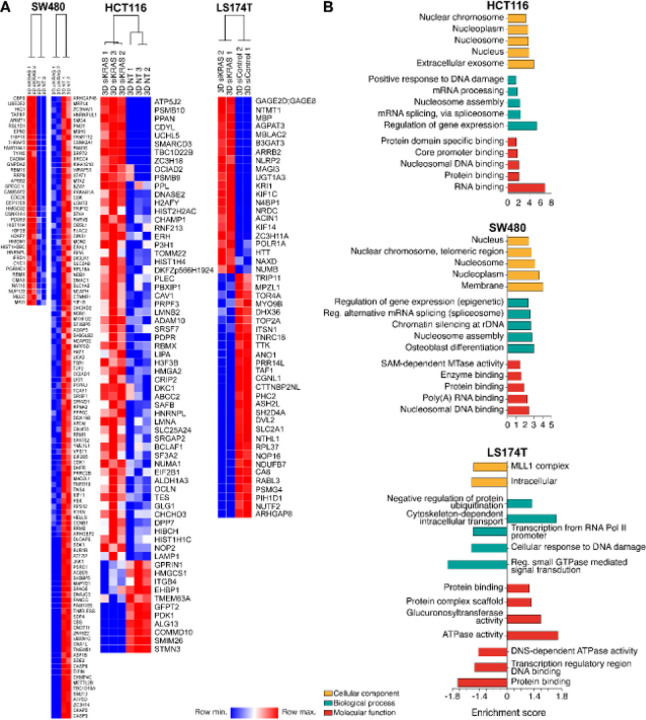 Figure 2
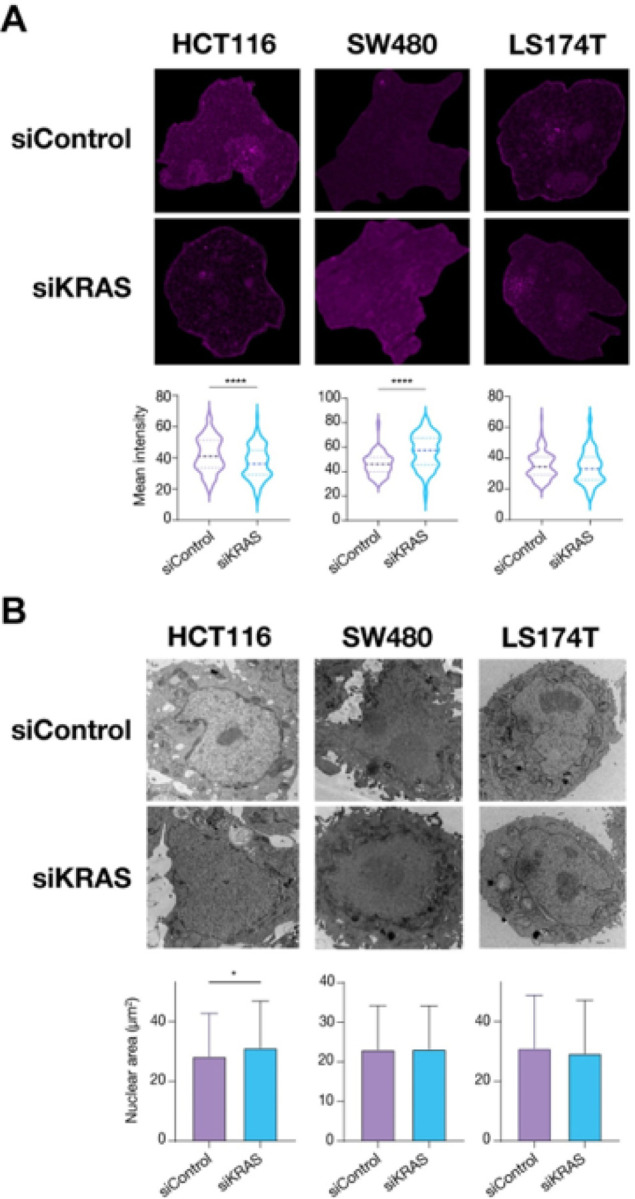 Figure 3
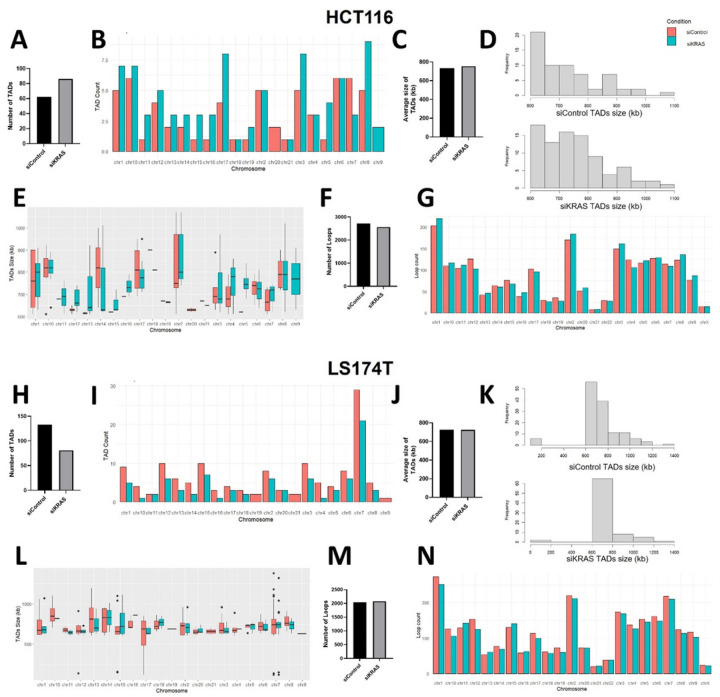 Figure 4
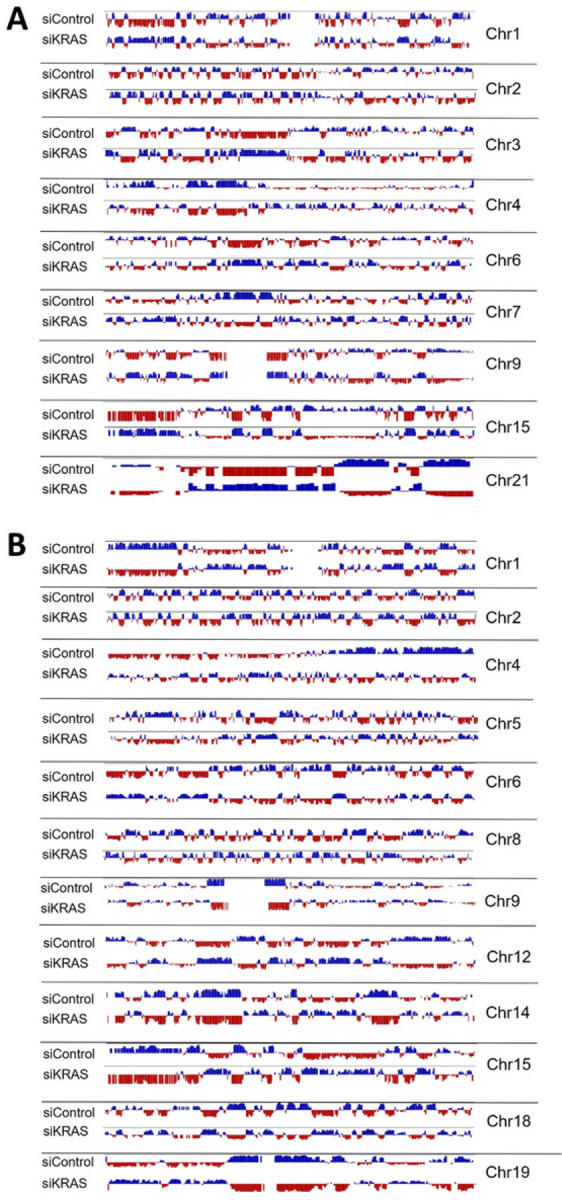 Figure 5
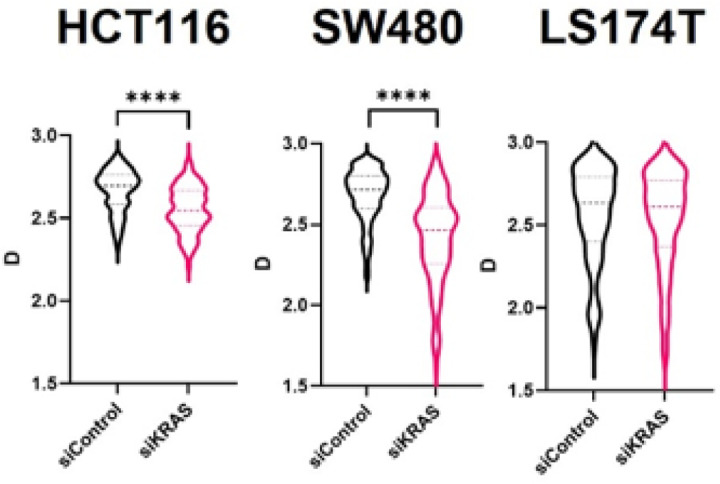 Figure 6
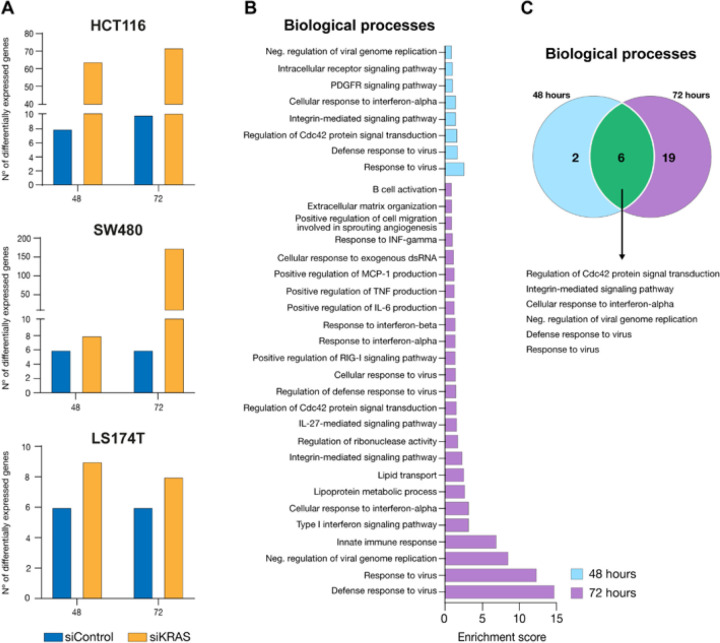 Figure 7
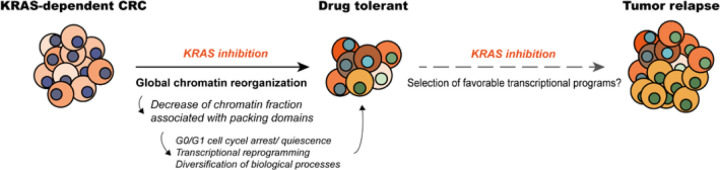 Figure 8
Peer Reviews
No public reviews on file for this paper yet. If you reviewed it on a platform where reviews are public (OpenReview, ICLR, NeurIPS, ICML), you can paste yours below so the community can read it here.
Videos
No videos yet. Explain this paper in a talk, walkthrough, or lecture? Add one.
Taxonomy
TopicsGenomics and Chromatin Dynamics · Ubiquitin and proteasome pathways · Glycosylation and Glycoproteins Research