Making the most of scarce biological resources in the desert: Loptuq material culture in Eastern Turkestan around 1900
Patrick Hällzon, Zulhayat Ötkür, Sabira Ståhlberg, Ingvar Svanberg

TL;DR
The Loptuq people in the Taklamakan desert around 1900 survived by skillfully using scarce biological resources for their material culture and subsistence.
Contribution
This study reconstructs the Loptuq's historical ethnobiology using source pluralism to analyze an extinct culture's adaptation to desert and marsh environments.
Findings
The Loptuq relied on a few key plant species like Lop hemp and Euphrates poplar for housing, tools, and clothing.
They used biological resources for trade and cultural practices, including folklore and small-scale bartering.
Their adaptation strategies and local ecological knowledge are relevant for understanding survival in desert environments today.
Abstract
Most fisher-gatherer communities we know of utilized a limited number of natural resources for their livelihood. The Turkic-speaking Loptuq (exonym Loplik, Loplyk) in the Lower Tarim River basin, Taklamakan desert, Eastern Turkestan (Xinjiang), were no exception. Their habitat, the Lop Nor marsh and lake area, was surrounded by desert and very poor in plant species; the Loptuq had to make the most of a handful of available biological resources for housing, furniture, clothing and fabric, fishnets and traps, tools and other equipment. The taxa used by the Loptuq were documented by foreign explorers at the end of the nineteenth and beginning of the twentieth centuries, prior to the forced resettlement of the group in the 1950s and subsequent destruction of their language, lifestyle and culture. Ethnobiology explores the relationship between humans and their environment, including the use…
Genes, proteins, chemicals, diseases, species, mutations and cell lines named across the full text — each resolved to its canonical identifier and authoritative record.
Click any figure to enlarge with its caption.
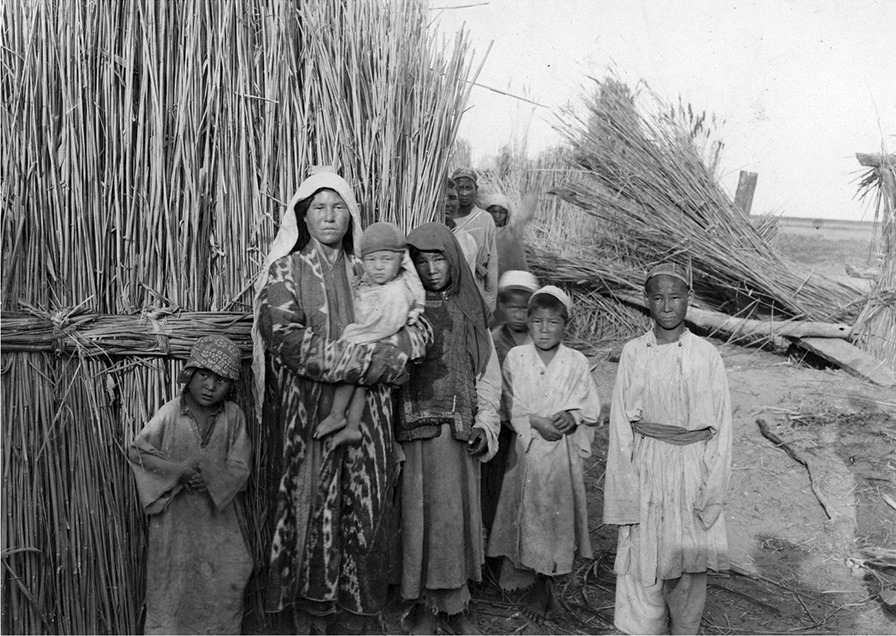 Figure 10
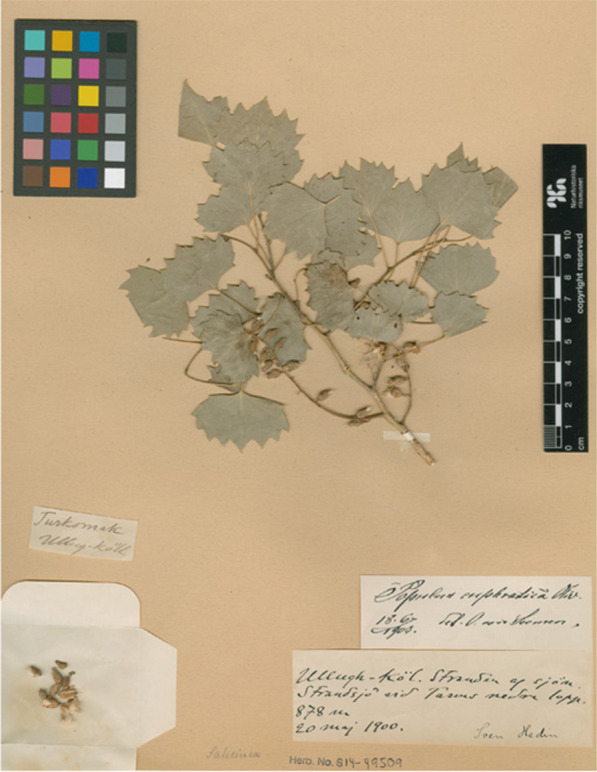 Figure 11
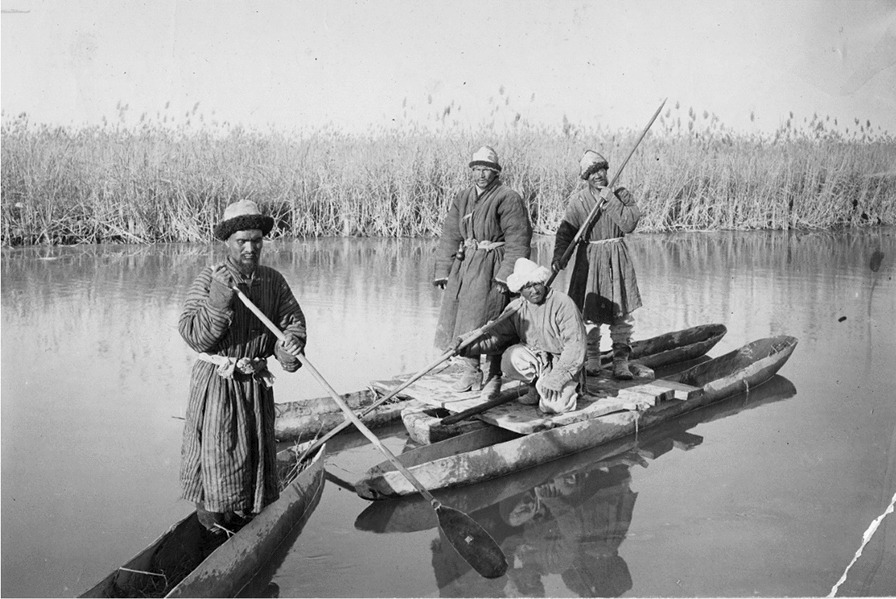 Figure 12
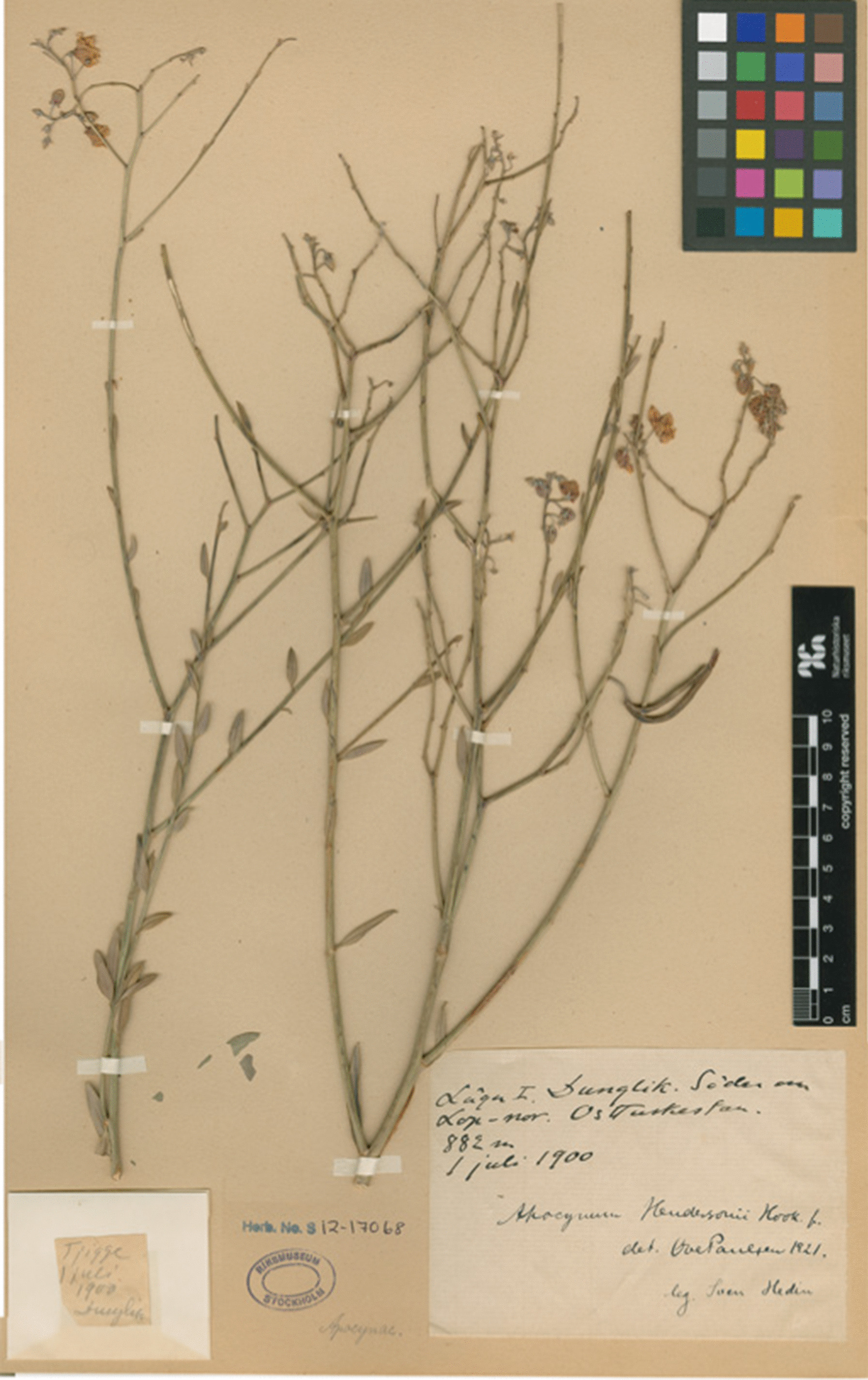 Figure 13
 Figure 14
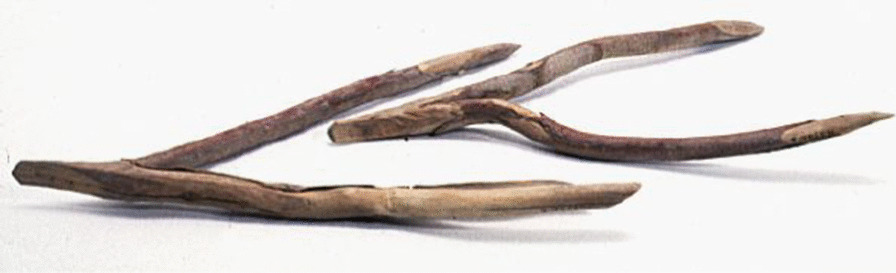 Figure 15
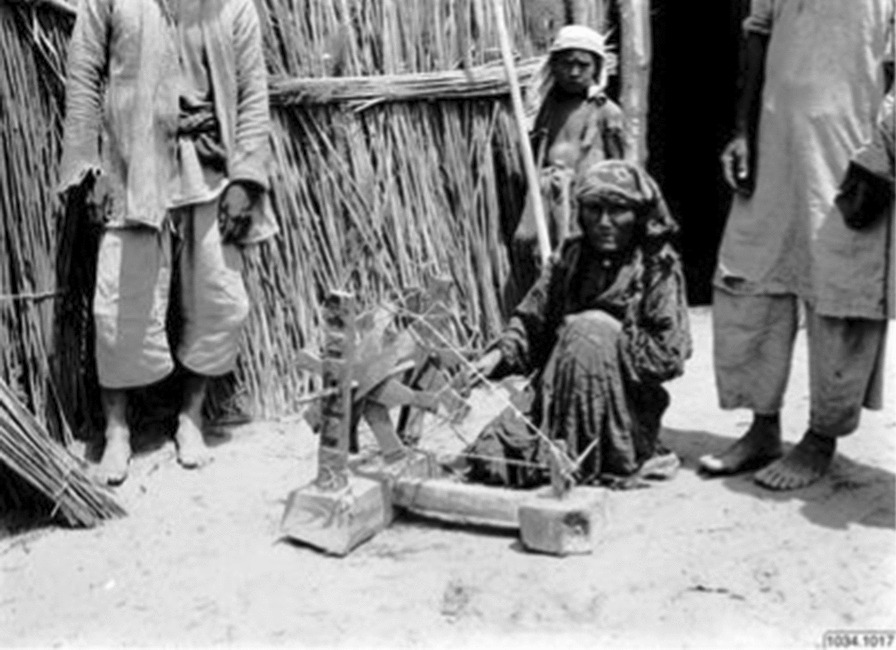 Figure 16
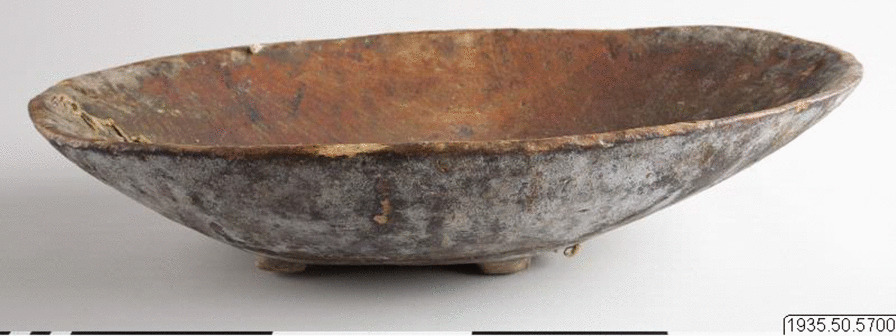 Figure 17
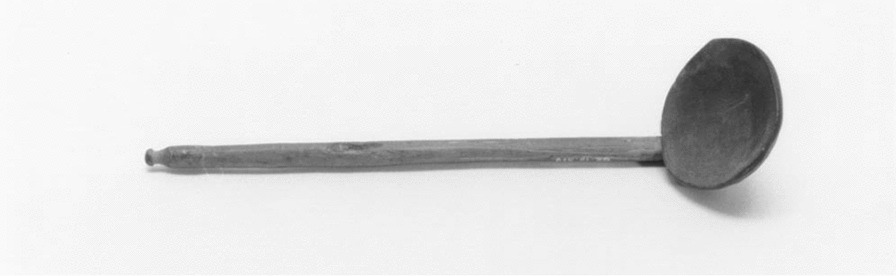 Figure 18
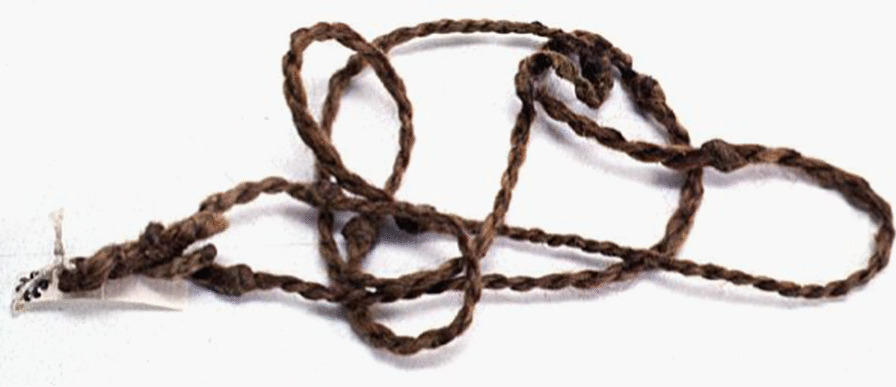 Figure 19
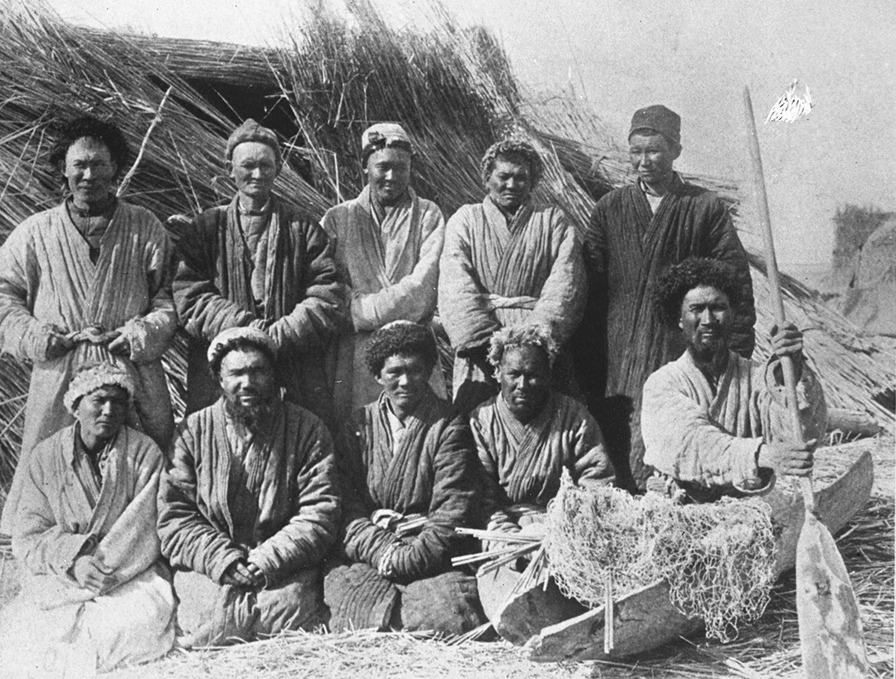 Figure 1
 Figure 20
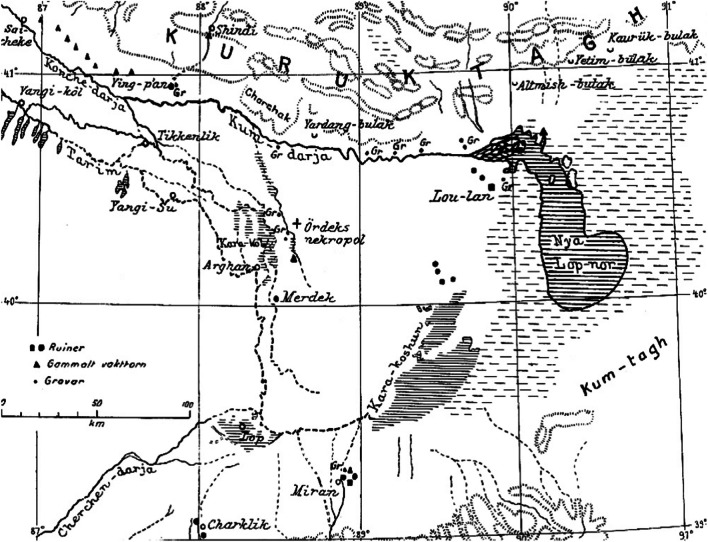 Figure 2
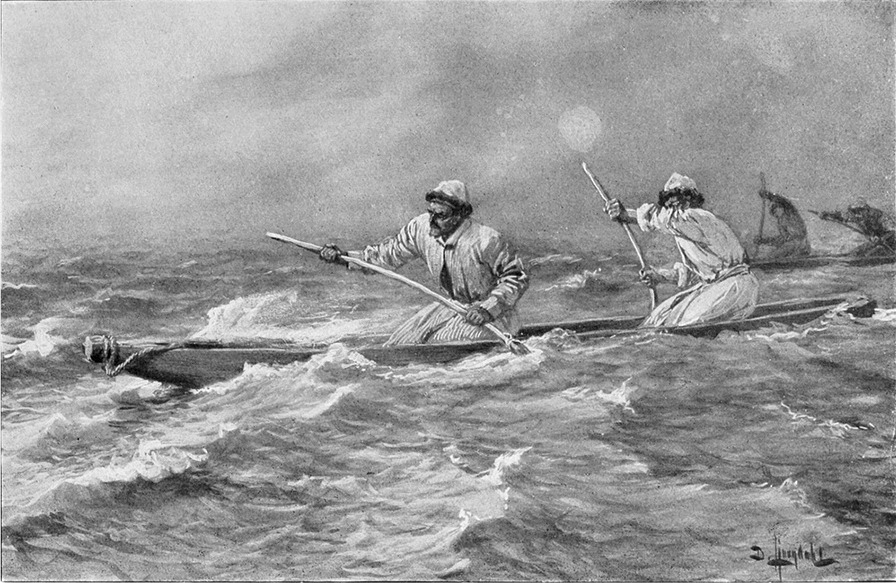 Figure 3
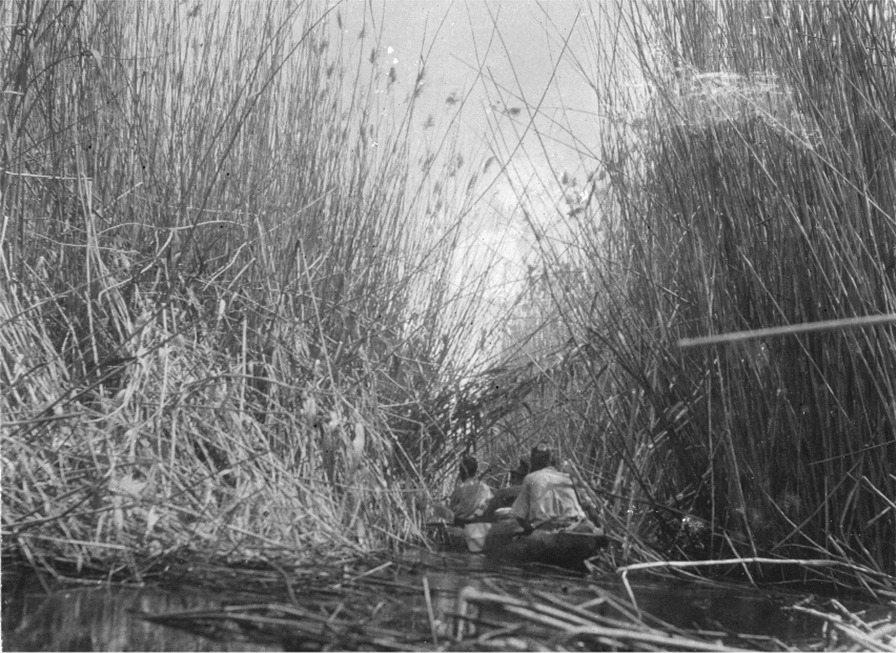 Figure 4
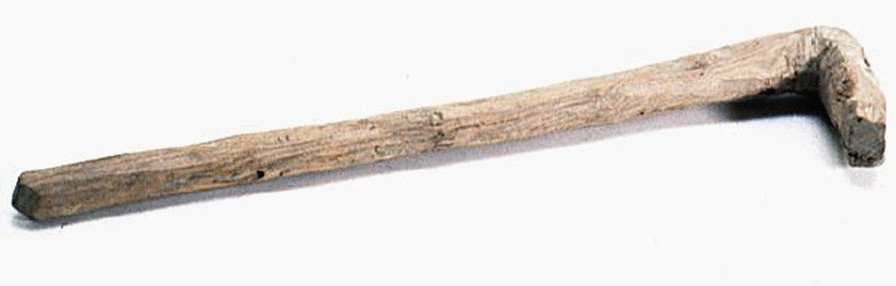 Figure 5
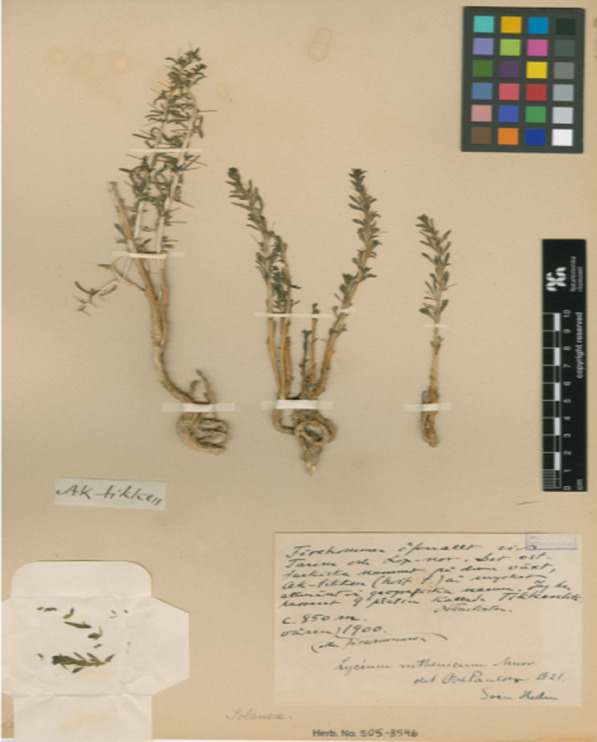 Figure 6
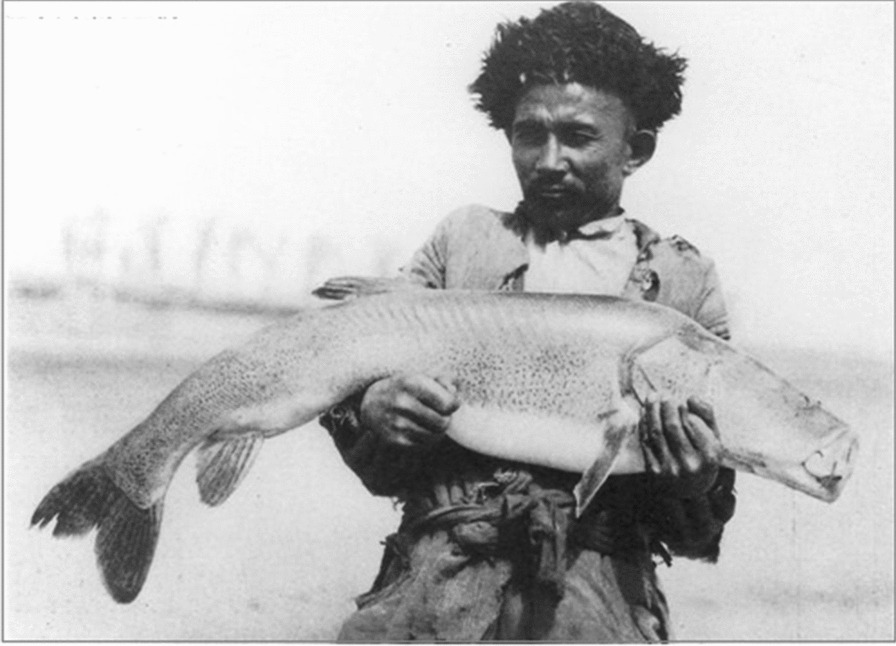 Figure 7
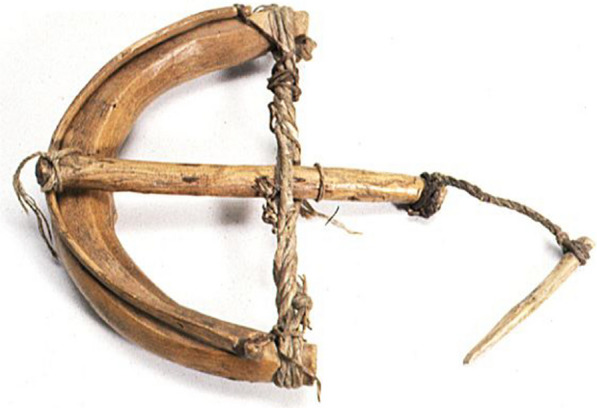 Figure 8
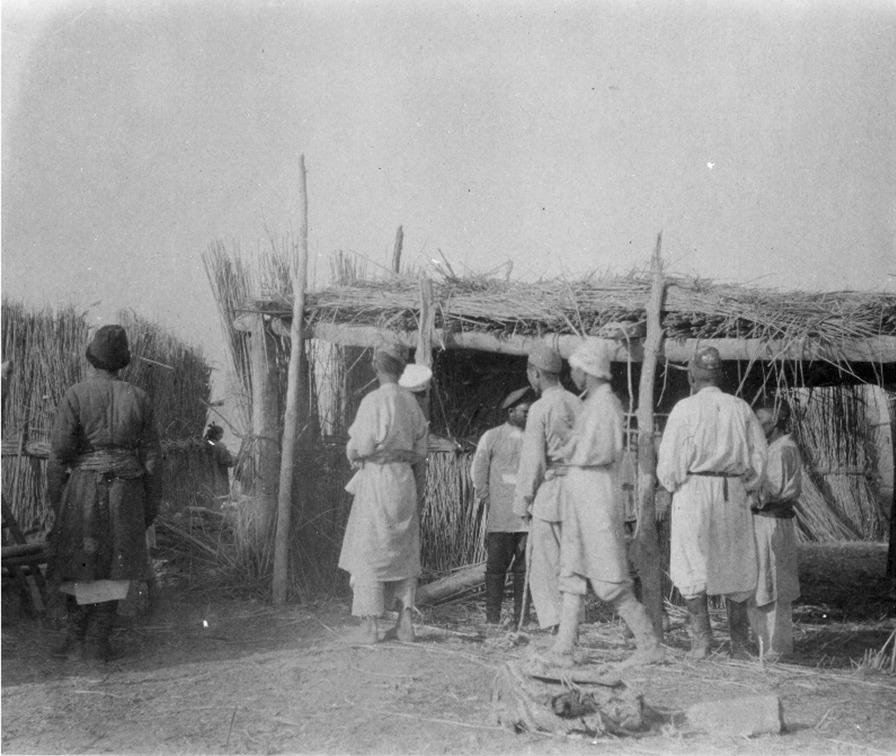 Figure 9
Peer Reviews
No public reviews on file for this paper yet. If you reviewed it on a platform where reviews are public (OpenReview, ICLR, NeurIPS, ICML), you can paste yours below so the community can read it here.
Videos
No videos yet. Explain this paper in a talk, walkthrough, or lecture? Add one.
Taxonomy
TopicsRangeland Management and Livestock Ecology · Eurasian Exchange Networks · Linguistics and Cultural Studies