Expression and localization of HPG axis-related genes in Carassius auratus with different ploidy
Xiaowei Xu, Li Yang, Xinyi Deng, Qingwen Xiao, Xu Huang, Chongqing Wang, Yue Zhou, Xiang Luo, Yuxin Zhang, Xidan Xu, Qinbo Qin, Shaojun Liu

TL;DR
This study examines how genes related to reproduction function differently in diploid and triploid crucian carp, revealing insights into their fertility.
Contribution
The study identifies gene expression and methylation differences in triploid crucian carp that support their fertility despite polyploidy.
Findings
Triploid crucian carp show higher transcript levels of HPG axis genes compared to diploid forms.
Lower DNA methylation in triploid carp's gene promoters suggests a regulatory role in gene expression.
Immunofluorescence confirms consistent gene localization in triploid and diploid carp.
Abstract
In the Dongting water system, the Carassius auratus (Crucian carp) complex is characterized by the coexistence of diploid forms (2n=100, 2nCC) and polyploidy forms. The diploid (2nCC) and triploid C.auratus (3n=150, 3nCC) had the same fertility levels, reaching sexual maturity at one year. The nucleotide sequence, gene expression, methylation, and immunofluorescence of the gonadotropin releasing hormone 2(Gnrh2), Gonadotropin hormone beta(Gthβ), and Gonadotropin-releasing hormone receptor(Gthr) genes pivotal genes of the hypothalamic-pituitary-gonadal (HPG) axis were analyzed. The analysis results indicated that Gnrh2, follicle-stimulating hormone receptor(Fshr), and Lethal hybrid rescue(Lhr) genes increased the copy number and distinct structural differentiation in 3nCC compared to that in 2nCC. The transcript levels of HPG axis genes in 3nCC were higher than 2nCC (P<0.05), which…
Genes, proteins, chemicals, diseases, species, mutations and cell lines named across the full text — each resolved to its canonical identifier and authoritative record.
Click any figure to enlarge with its caption.
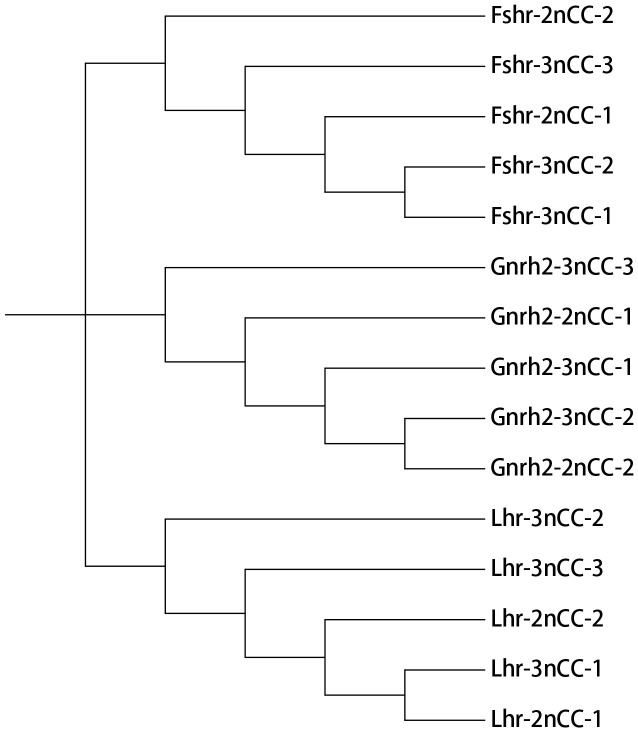 Figure 1
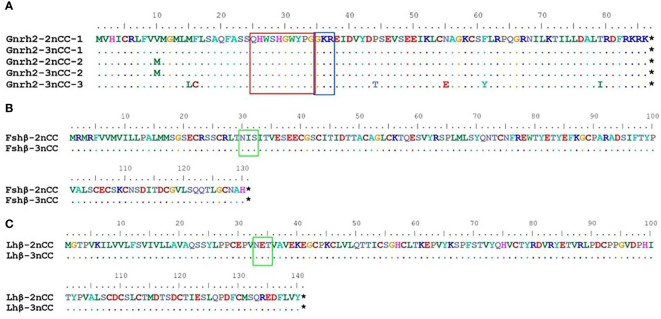 Figure 2
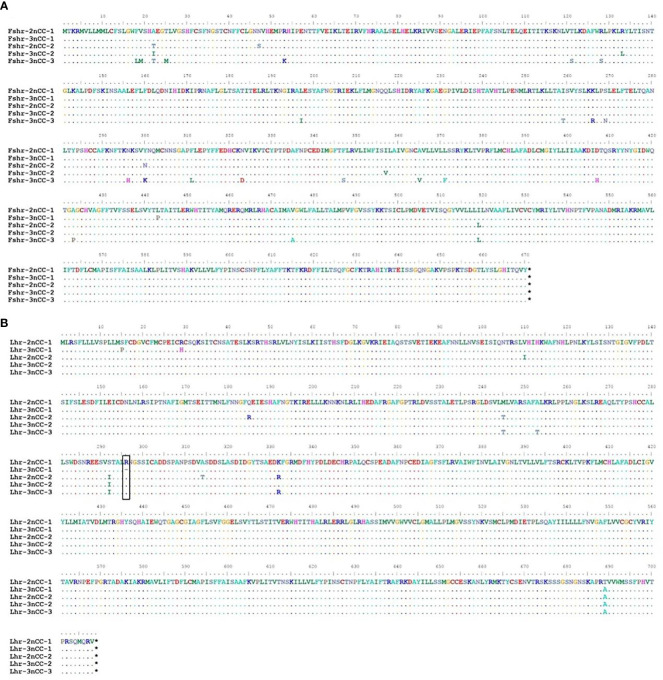 Figure 3
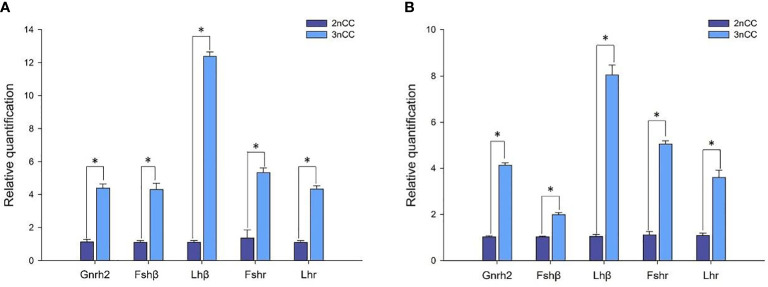 Figure 4
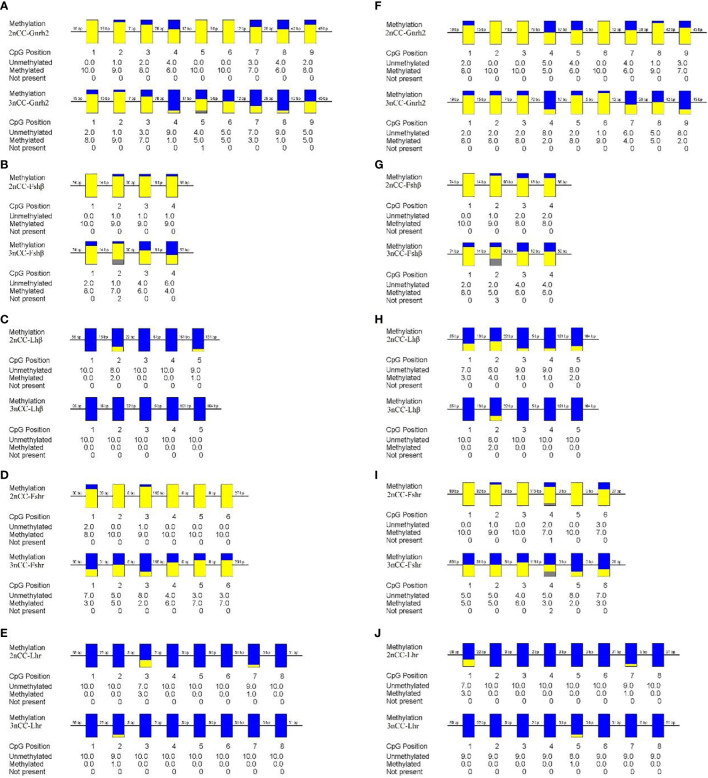 Figure 5
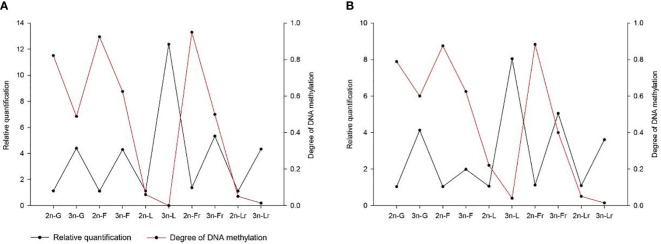 Figure 6
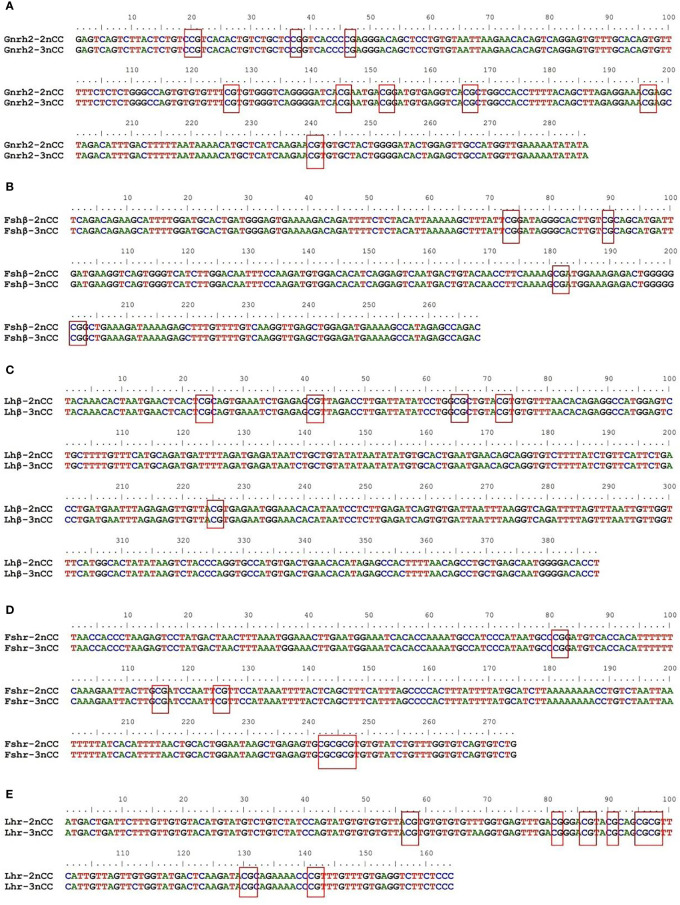 Figure 7
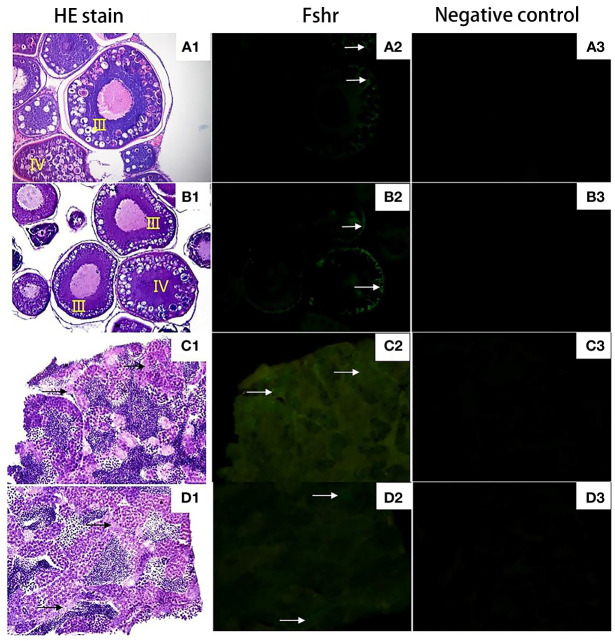 Figure 8
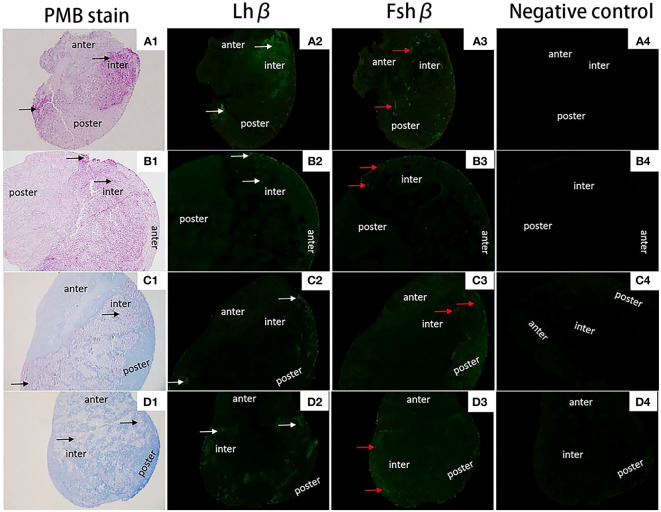 Figure 9
Peer Reviews
No public reviews on file for this paper yet. If you reviewed it on a platform where reviews are public (OpenReview, ICLR, NeurIPS, ICML), you can paste yours below so the community can read it here.
Videos
No videos yet. Explain this paper in a talk, walkthrough, or lecture? Add one.
Taxonomy
TopicsReproductive biology and impacts on aquatic species · Genetic and Clinical Aspects of Sex Determination and Chromosomal Abnormalities · Fish Ecology and Management Studies