CsMLO8/11 are required for full susceptibility of cucumber stem to powdery mildew and interact with CsCRK2 and CsRbohD
Shaoyun Dong, Xin Liu, Jianan Han, Han Miao, Diane M Beckles, Yuling Bai, Xiaoping Liu, Jiantao Guan, Ruizhen Yang, Xingfang Gu, Jiaqiang Sun, Xueyong Yang, Shengping Zhang

TL;DR
This study identifies CsMLO8 and CsMLO11 as key genes in cucumber's resistance to powdery mildew, with interactions affecting ROS production for defense.
Contribution
The study reveals a novel role for CsMLO8 and CsMLO11 in powdery mildew resistance through their interactions with CsRbohD and CsCRK2.
Findings
Knockout mutants of CsMLO8 and CsMLO11 show enhanced powdery mildew resistance in cucumber stems.
CsMLO8 and CsMLO11 interact with CsRbohD and CsCRK2, affecting ROS production during defense.
The double mutant mlo8mlo11 exhibits stronger resistance than single mutants.
Abstract
Powdery mildew (PM) is one of the most destructive diseases that threaten cucumber production globally. Efficient breeding of novel PM-resistant cultivars will require a robust understanding of the molecular mechanisms of cucumber resistance against PM. Using a genome-wide association study, we detected a locus significantly correlated with PM resistance in cucumber stem, pm-s5.1. A 1449-bp insertion in the CsMLO8 coding region at the pm-s5.1 locus resulted in enhanced stem PM resistance. Knockout mutants of CsMLO8 and CsMLO11 generated by CRISPR/Cas9 both showed improved PM resistance in the stem, hypocotyl, and leaves, and the double mutant mlo8mlo11 displayed even stronger resistance. We found that reactive oxygen species (ROS) accumulation was higher in the stem of these mutants. Protein interaction assays suggested that CsMLO8 and CsMLO11 could physically interact with CsRbohD and…
Genes, proteins, chemicals, diseases, species, mutations and cell lines named across the full text — each resolved to its canonical identifier and authoritative record.
Click any figure to enlarge with its caption.
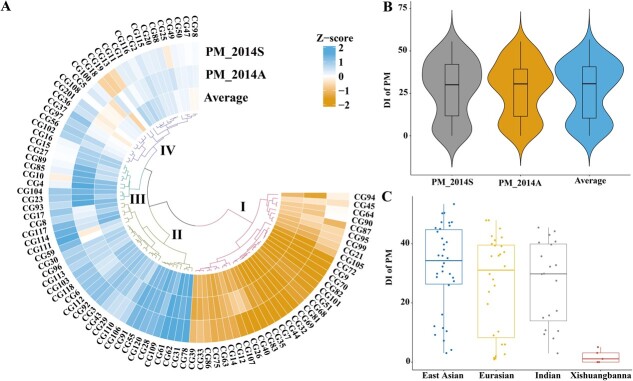 Figure 1
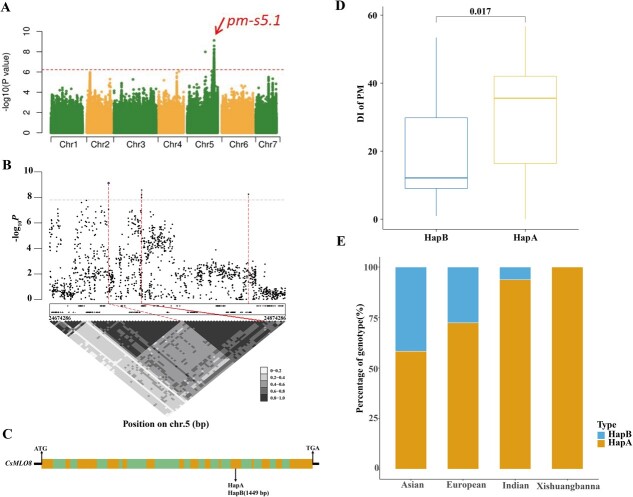 Figure 2
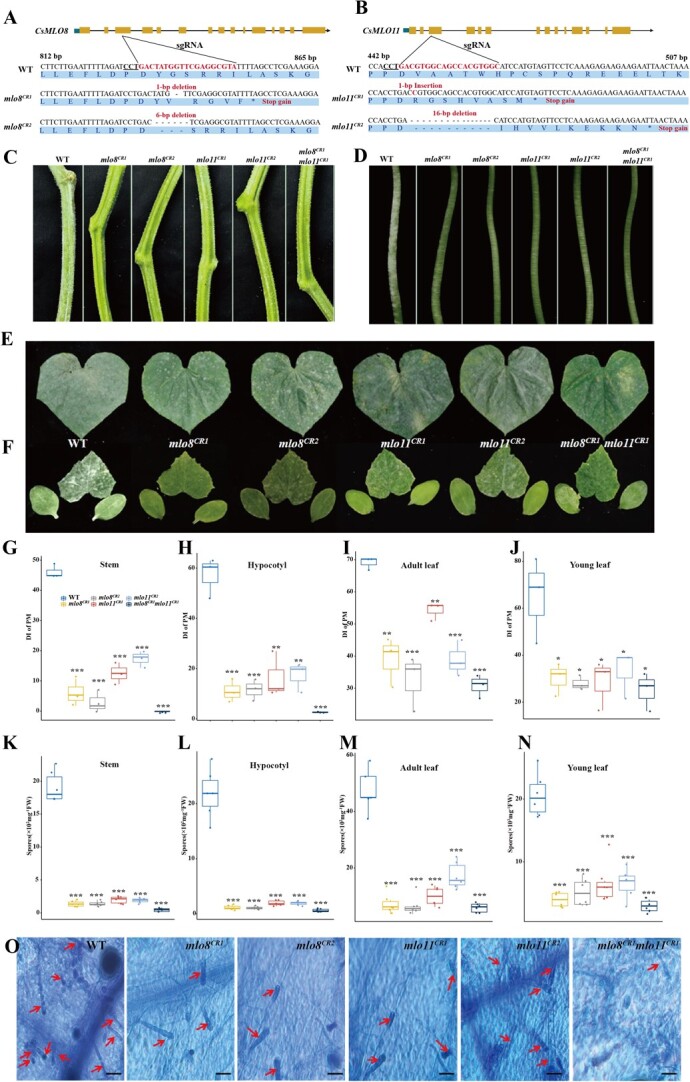 Figure 3
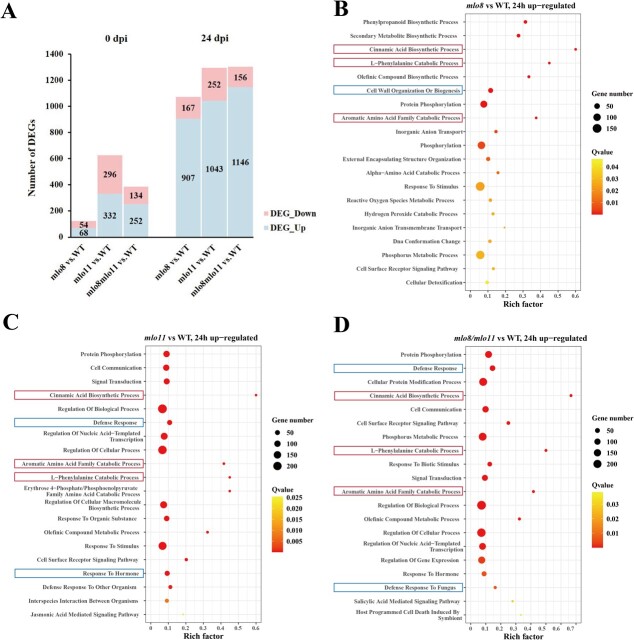 Figure 4
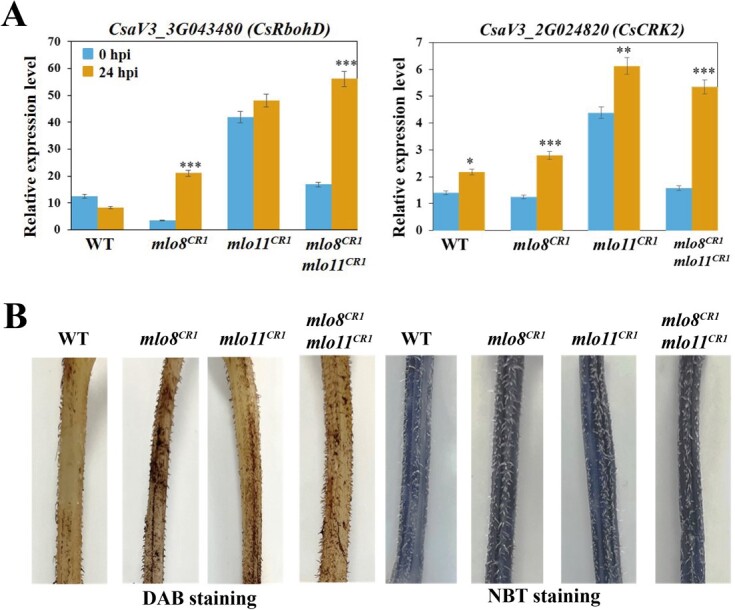 Figure 5
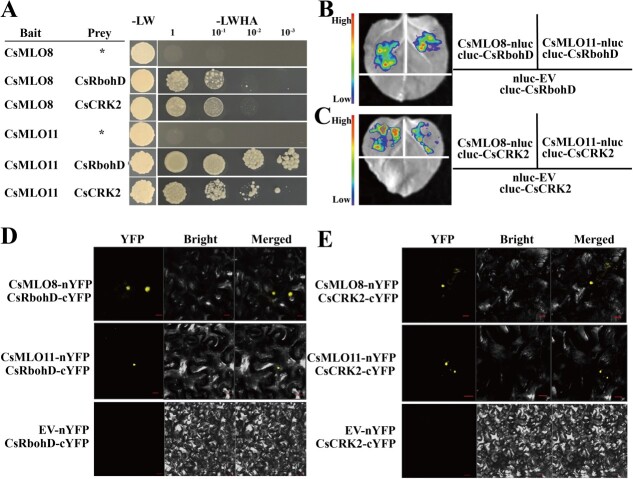 Figure 6
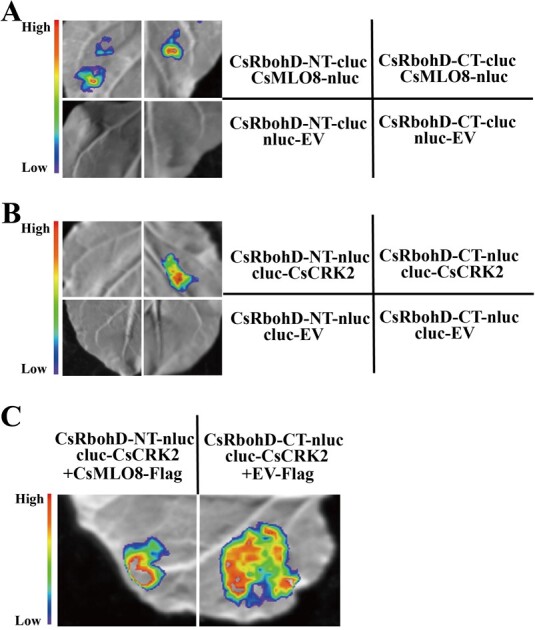 Figure 7
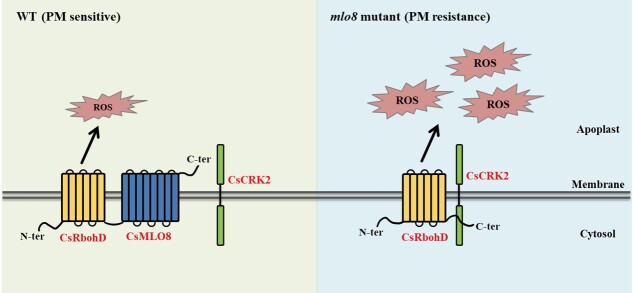 Figure 8
Peer Reviews
No public reviews on file for this paper yet. If you reviewed it on a platform where reviews are public (OpenReview, ICLR, NeurIPS, ICML), you can paste yours below so the community can read it here.
Videos
No videos yet. Explain this paper in a talk, walkthrough, or lecture? Add one.
Taxonomy
TopicsAdvances in Cucurbitaceae Research · Plant Molecular Biology Research · Protein Tyrosine Phosphatases