A Contemporary Review of Cryptorchidism Management in Adults: A Rare Presentation of Bilateral Cryptorchidism Presenting as Pelvic Pain in an Adult Patient
Colleen B Sholtes, Lauren A Tranthem, Fumihiko Nakamura, Katie Canalichio, Michael Goedde, Kellen Choi

TL;DR
This case report describes a rare instance of bilateral cryptorchidism in an adult, managed with staged orchidopexy, and discusses the lack of guidelines for adult cryptorchidism management.
Contribution
The paper presents the first documented case of bilateral cryptorchidism in an adult with nonspecific pelvic pain and proposes management strategies for this rare condition.
Findings
Bilateral cryptorchidism in adults is extremely rare and often managed with staged orchidopexy.
Current guidelines do not address adult cryptorchidism, necessitating individualized surgical approaches.
Orchiectomy or orchiopexy with long-term cancer monitoring may be preferred depending on patient factors.
Abstract
This case report presents a rare case of adult cryptorchidism, found incidentally in a 25-year-old gentleman who initially presented with abdominal and suprapubic pain and was successfully treated with staged orchidopexy. To our knowledge, to date, our case is the first published instance of bilateral cryptorchidism in an adult presenting with nonspecific suprapubic pain. Cryptorchidism is the most common genital abnormality in newborn boys, and due to its association with an increased risk of infertility and malignancy, current management involves surgical correction with orchidopexy by 12 to 18 months of life. Adult presentation of cryptorchidism is very unusual due to early intervention; therefore, bilateral cryptorchidism is even more rare. As a result, current guidelines do not address proper management for adult cryptorchidism. Therefore, after performing a thorough review of…
Genes, proteins, chemicals, diseases, species, mutations and cell lines named across the full text — each resolved to its canonical identifier and authoritative record.
Click any figure to enlarge with its caption.
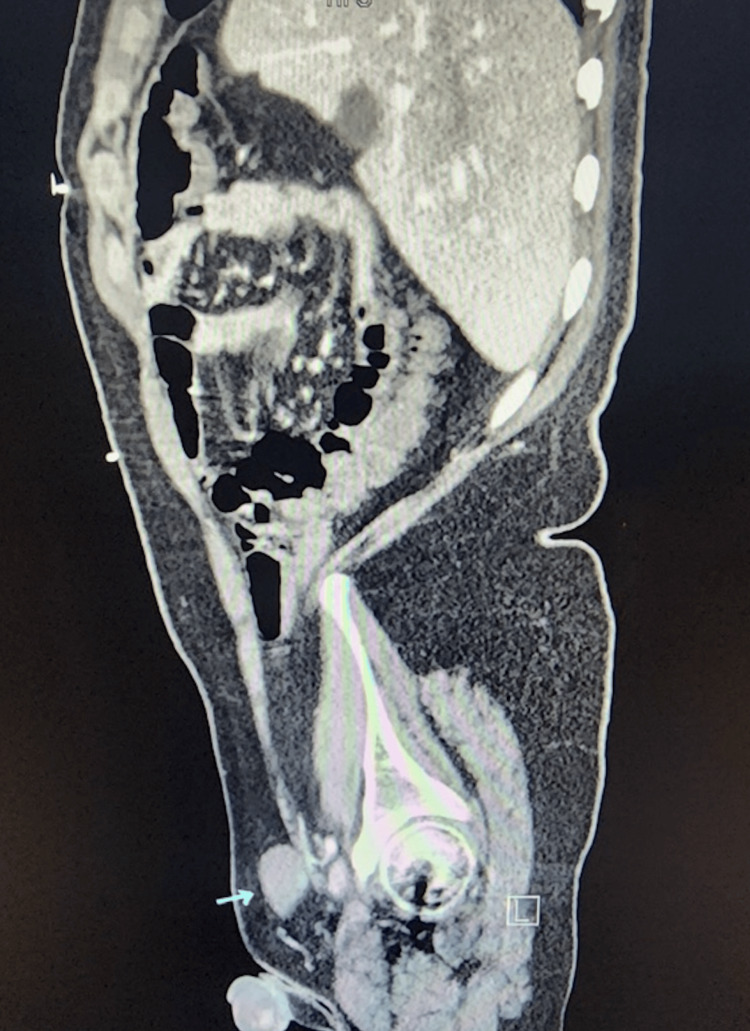 Figure 1
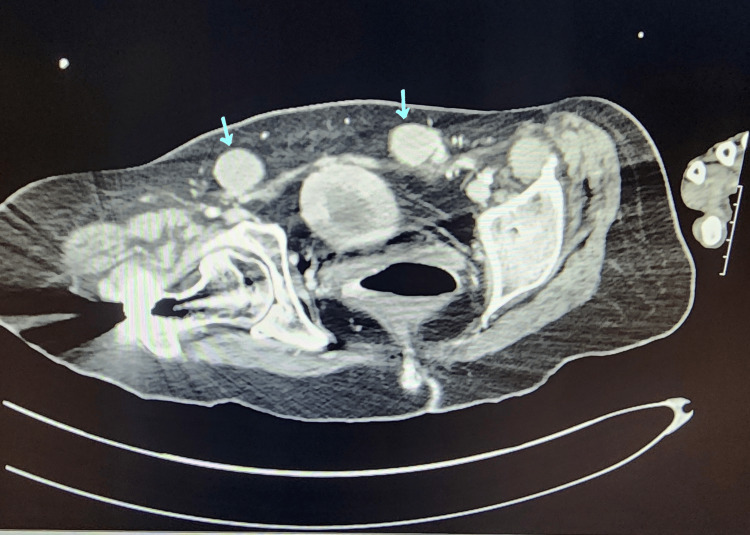 Figure 2
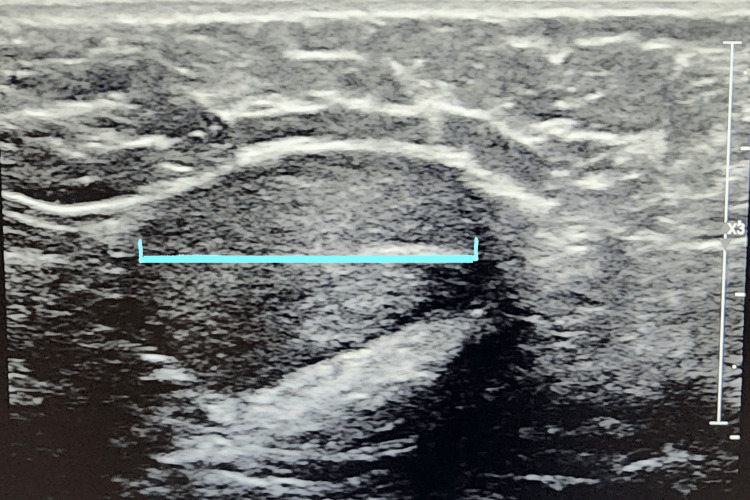 Figure 3
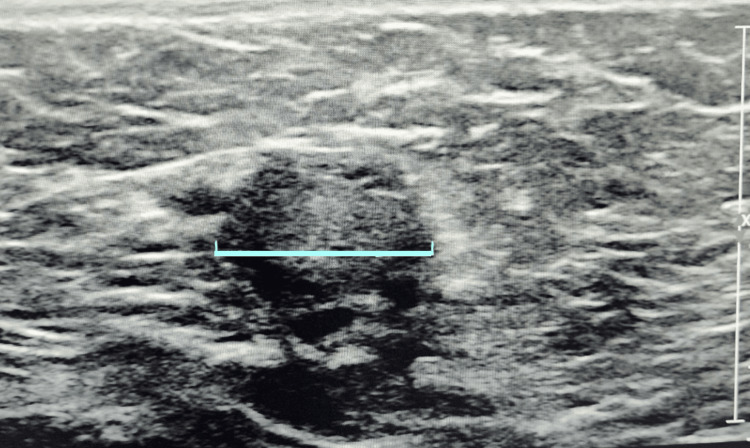 Figure 4
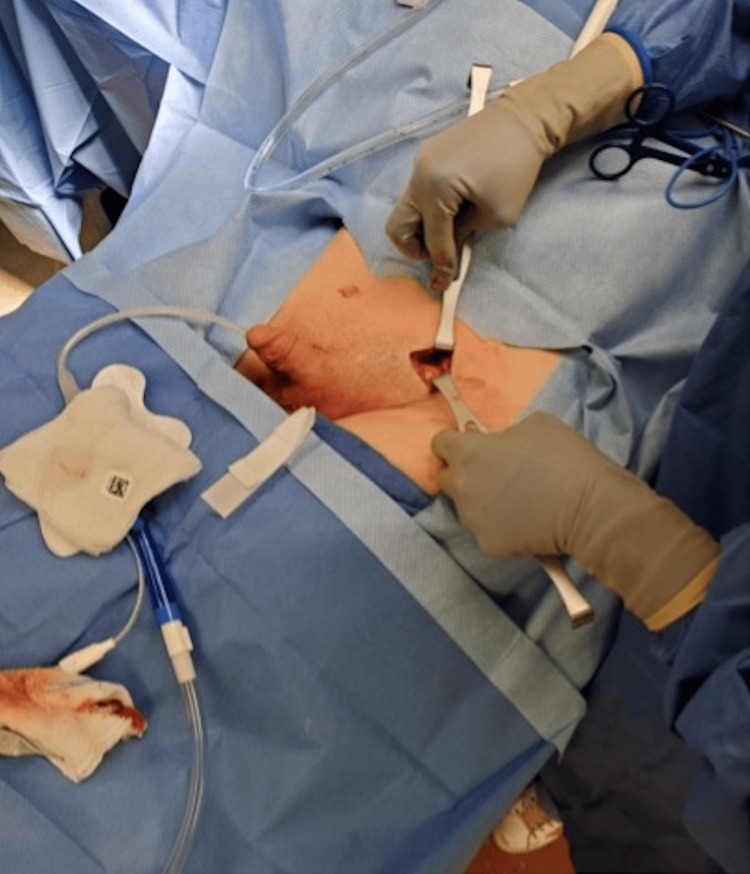 Figure 5
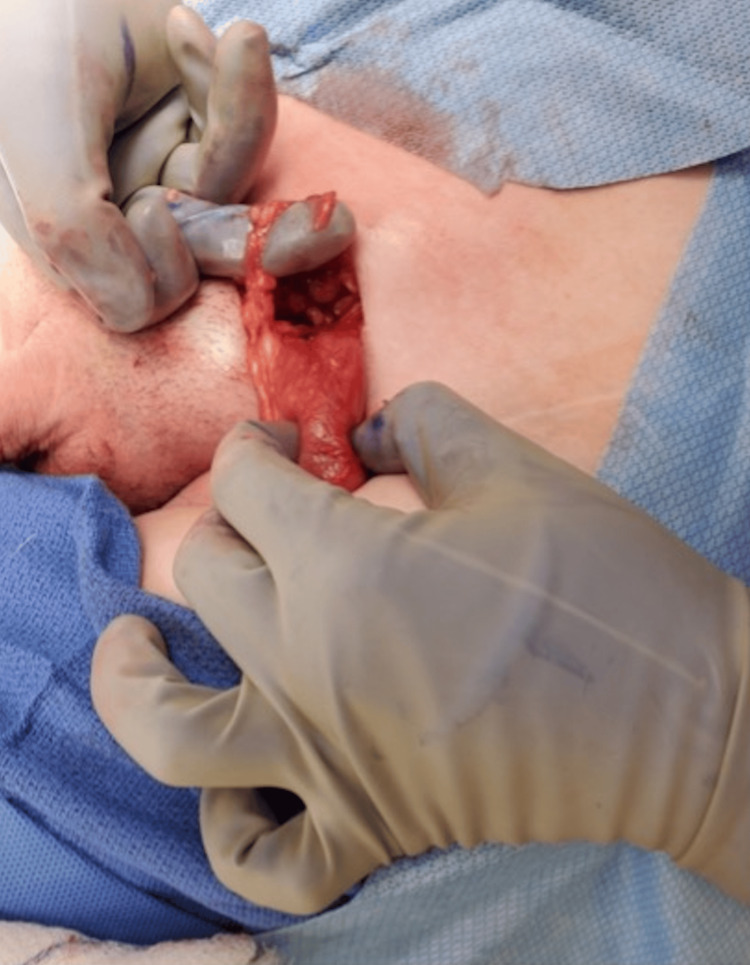 Figure 6
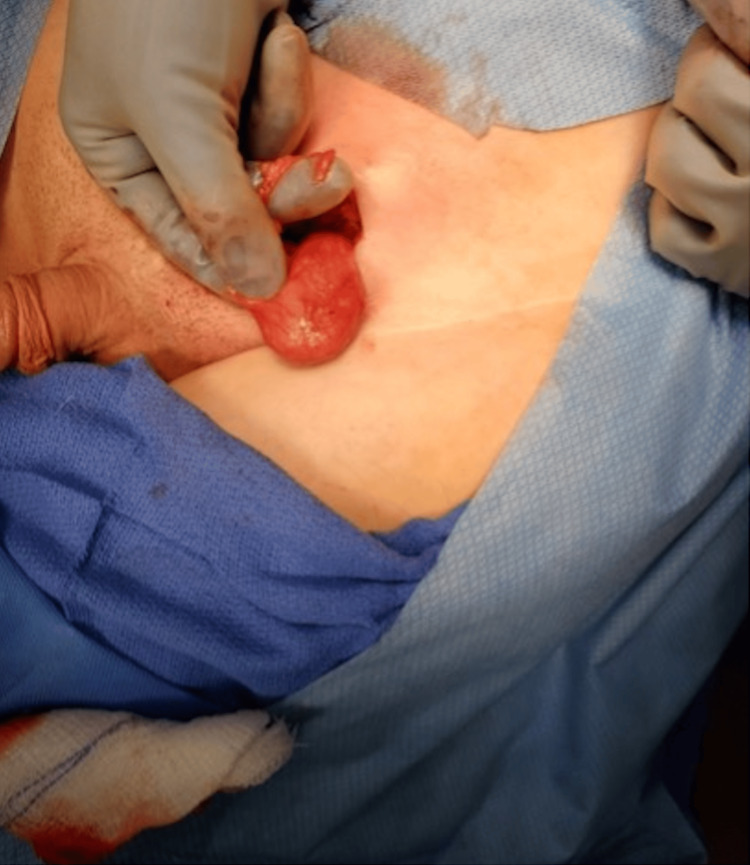 Figure 7
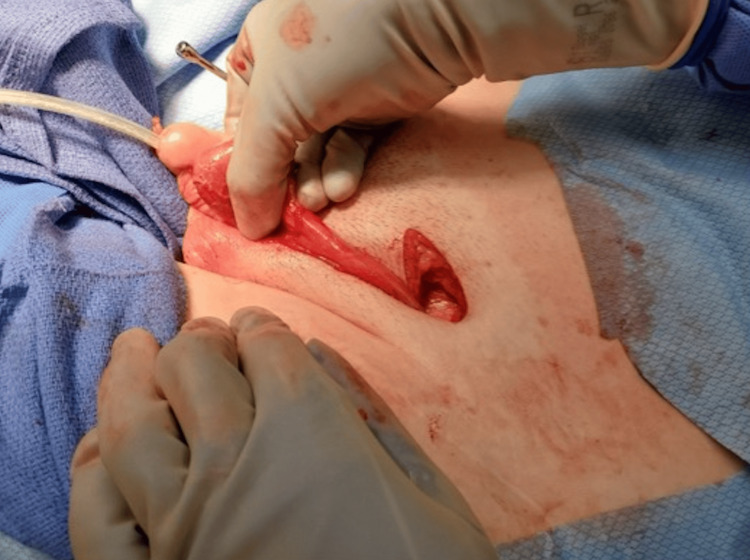 Figure 8
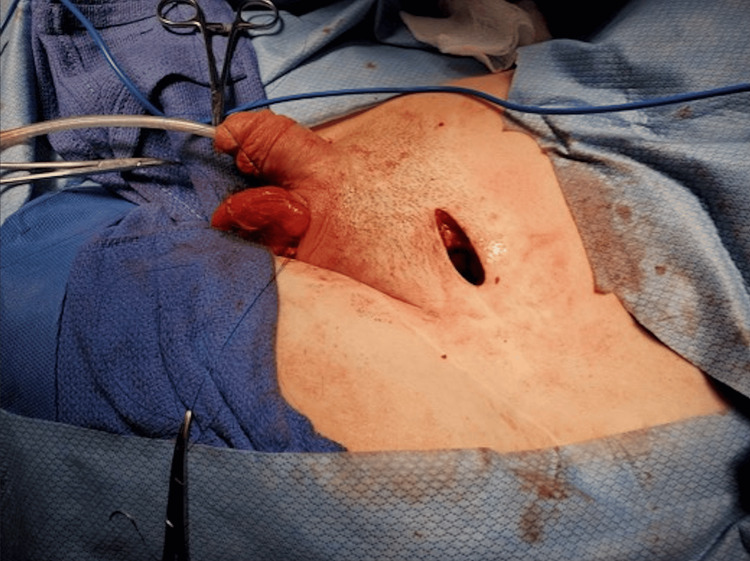 Figure 9
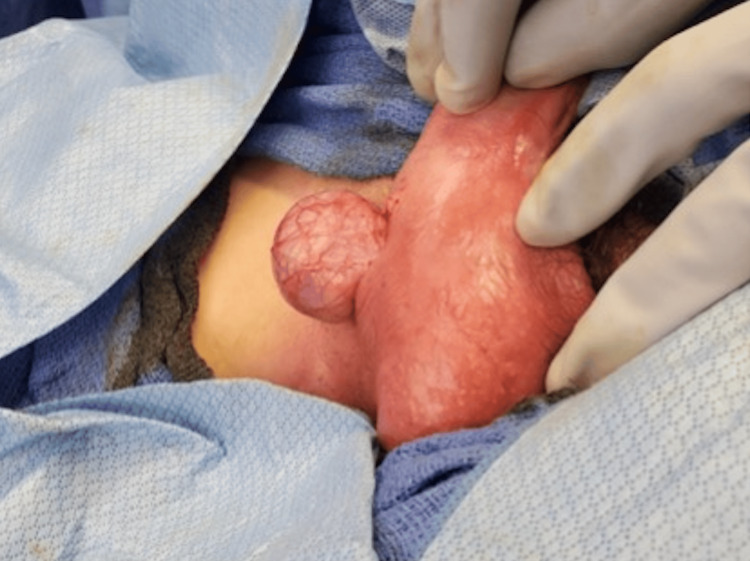 Figure 10
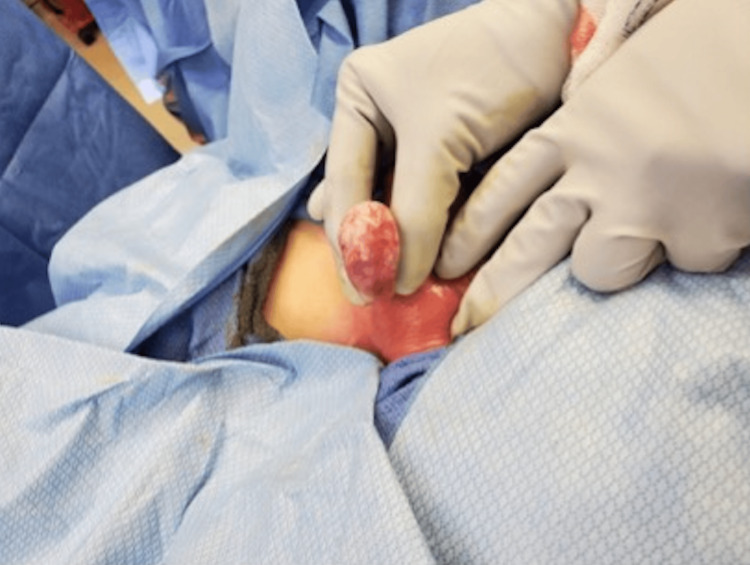 Figure 11
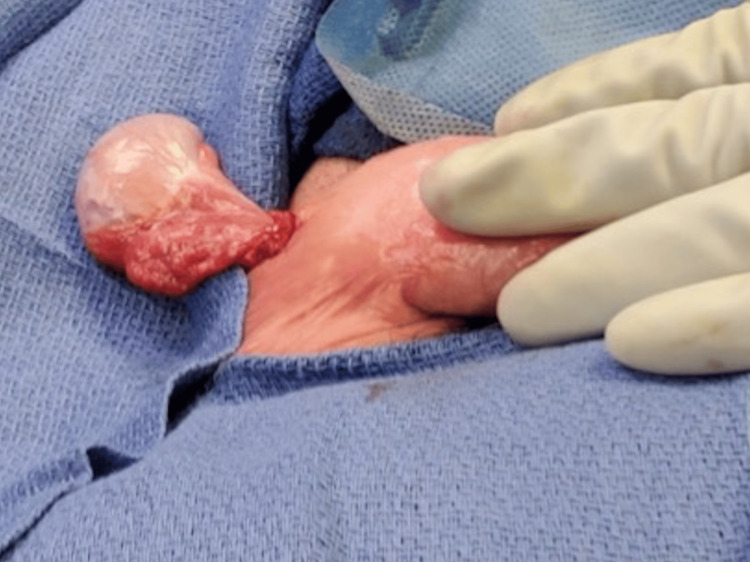 Figure 12
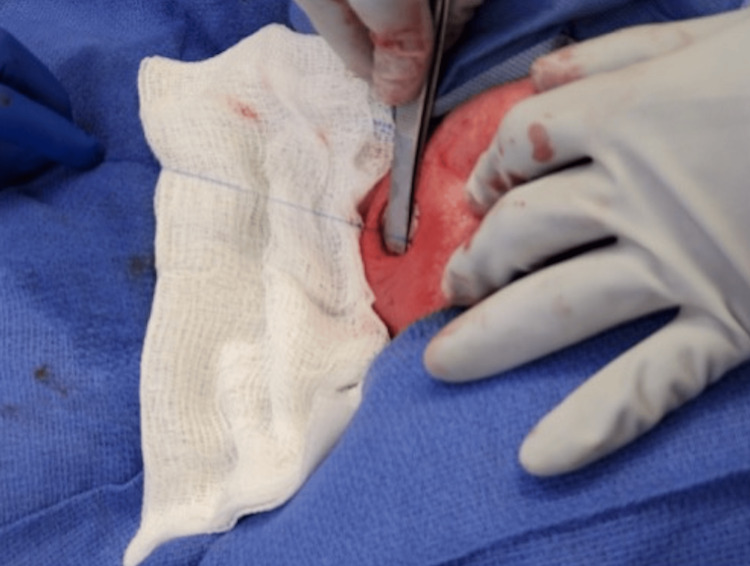 Figure 13
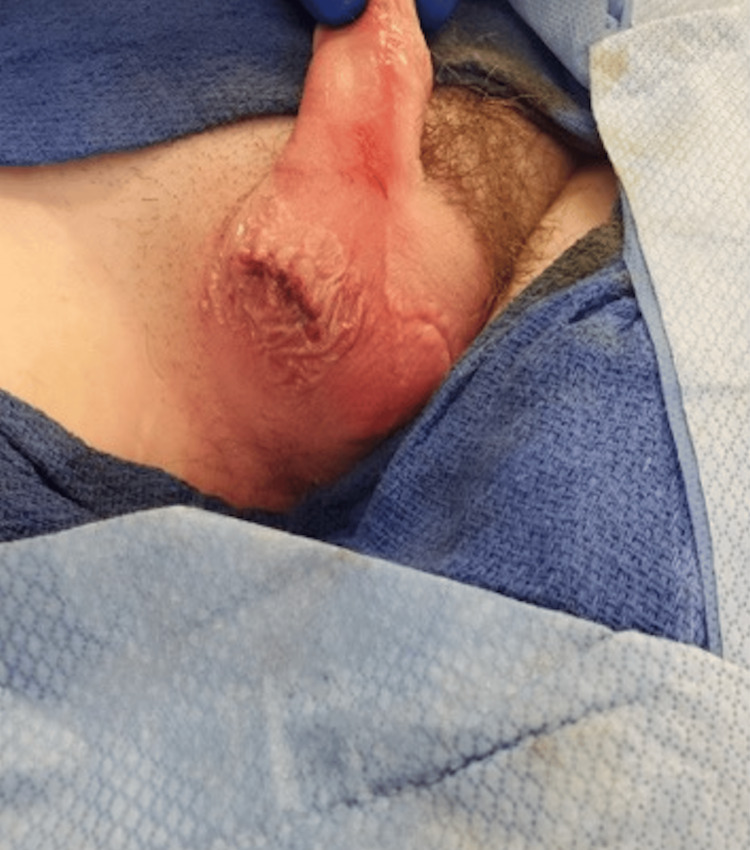 Figure 14
Peer Reviews
No public reviews on file for this paper yet. If you reviewed it on a platform where reviews are public (OpenReview, ICLR, NeurIPS, ICML), you can paste yours below so the community can read it here.
Videos
No videos yet. Explain this paper in a talk, walkthrough, or lecture? Add one.
Taxonomy
TopicsTesticular diseases and treatments · Ovarian cancer diagnosis and treatment · Childhood Cancer Survivors' Quality of Life