Fluorescent Graphitic Carbon Nitride (g-C3N4)-Embedded Hyaluronic Acid Microgel Composites for Bioimaging and Cancer-Cell Targetability as Viable Theragnostic
Selin S. Suner, Mehtap Sahiner, Sahin Demirci, Evrim Umut, Nurettin Sahiner

TL;DR
Researchers developed fluorescent carbon nitride microgels that can safely image and target cancer cells for potential cancer therapy.
Contribution
Heteroatom-doped g-C3N4@HA microgels are introduced as safe, fluorescent theragnostic agents for cancer.
Findings
g-C3N4@HA microgels showed excellent fluorescence and no toxicity to healthy cells at high concentrations.
Sg-C3N4@HA microgels significantly reduced cancer cell viability while maintaining high cell viability in healthy fibroblasts.
The microgels demonstrated cancer-cell targetability due to HA's binding function without interfering with healthy cells.
Abstract
Fluorescent graphitic carbon nitride (g-C3N4) doped with various heteroatoms, such as B, P, and S, named Bg-C3N4, Pg-C3N4, and Sg-C3N4, were synthesized with variable band-gap values as diagnostic materials. Furthermore, they were embedded within hyaluronic acid (HA) microgels as g-C3N4@HA microgel composites. The g-C3N4@HA microgels had a 0.5–20 μm size range that is suitable for intravenous administration. Bare g-C3N4 showed excellent fluorescence ability with 360 nm excitation wavelength and 410–460 emission wavelengths for possible cell imaging application of g-C3N4@HA microgel composites as diagnostic agents. The g-C3N4@HA-based microgels were non-hemolytic, and no clotting effects on blood cells or cell toxicity on fibroblasts were observed at 1000 μg/mL concentration. In addition, approximately 70% cell viability for SKMEL-30 melanoma cells was seen with Sg-C3N4 and its HA…
Genes, proteins, chemicals, diseases, species, mutations and cell lines named across the full text — each resolved to its canonical identifier and authoritative record.
Click any figure to enlarge with its caption.
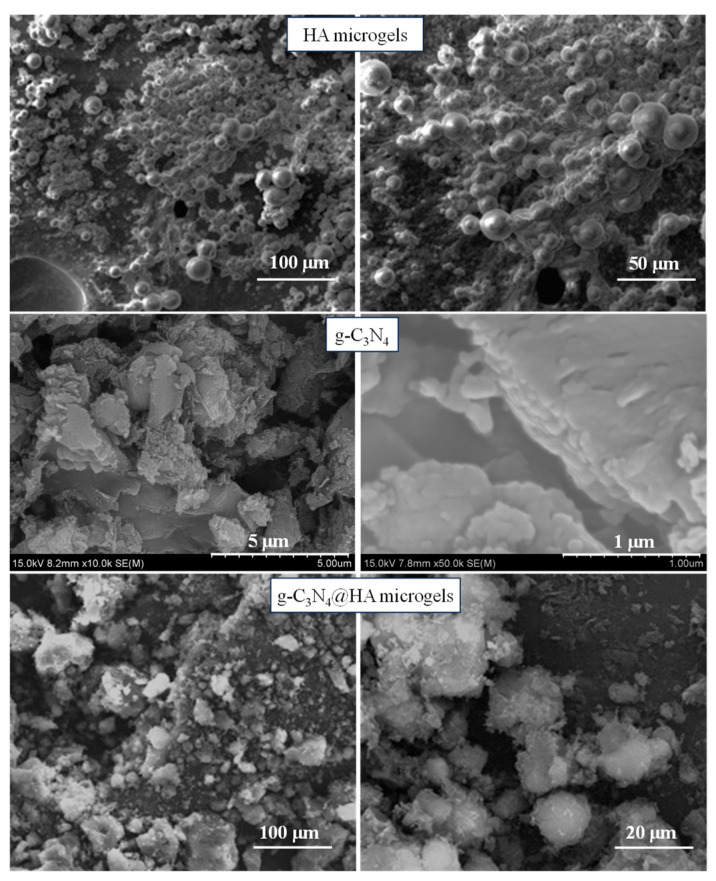 Figure 1
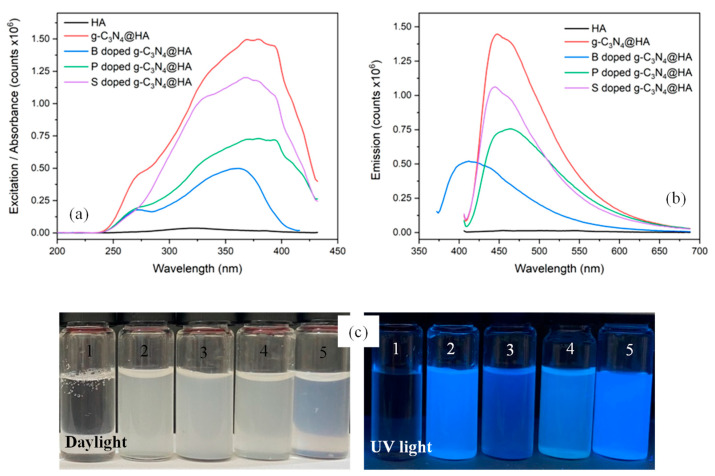 Figure 2
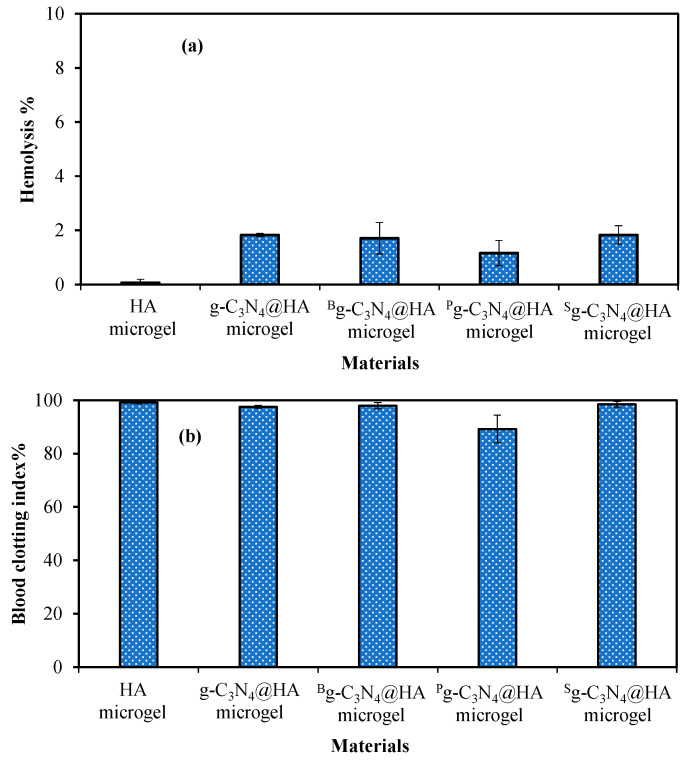 Figure 3
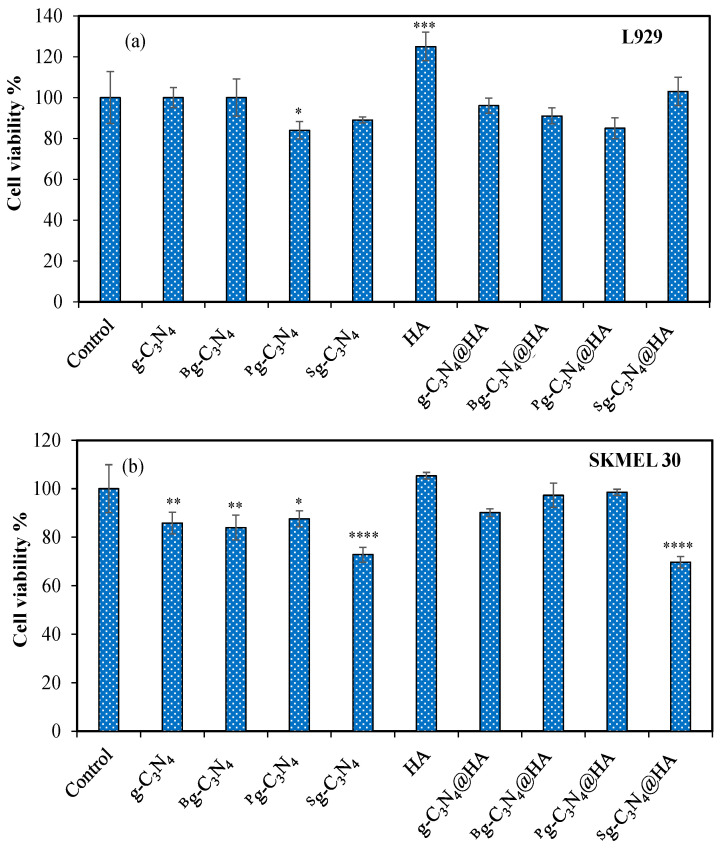 Figure 4
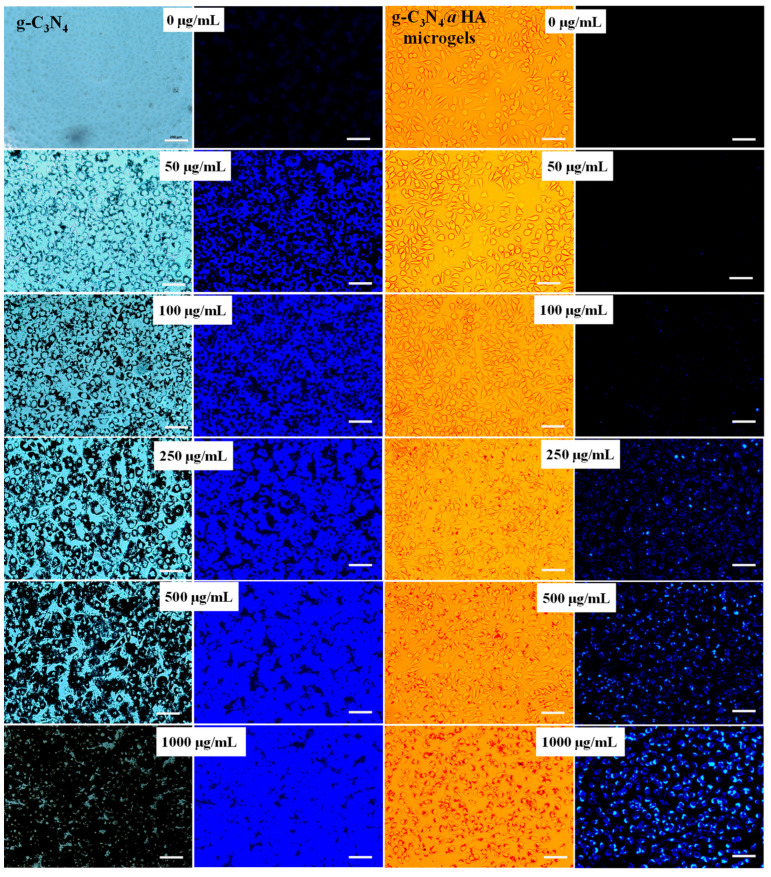 Figure 5
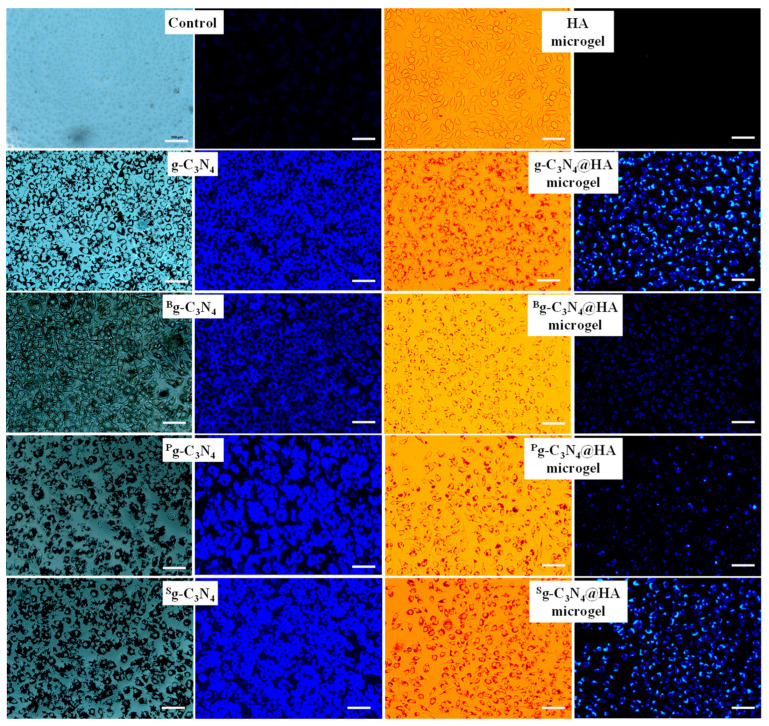 Figure 6
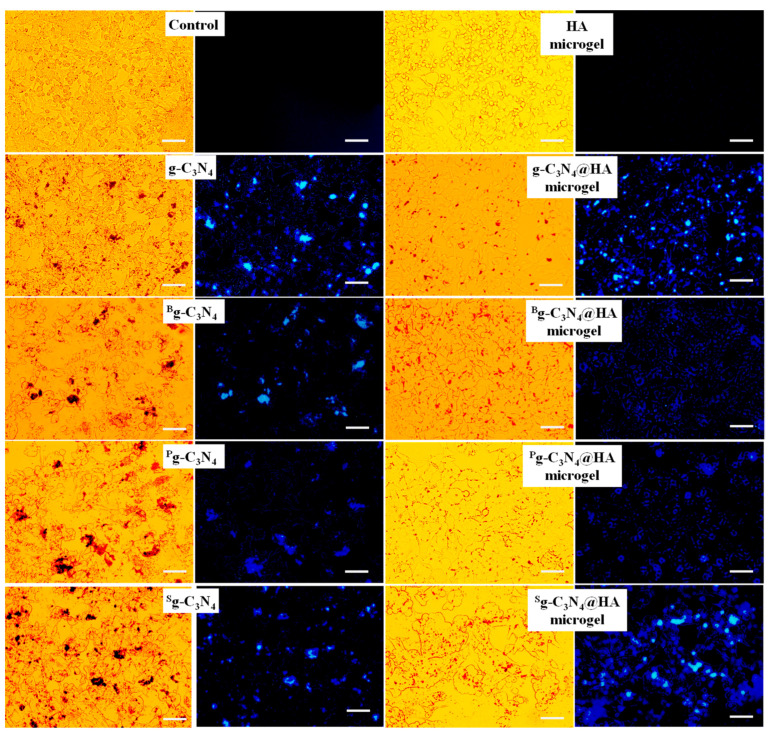 Figure 7
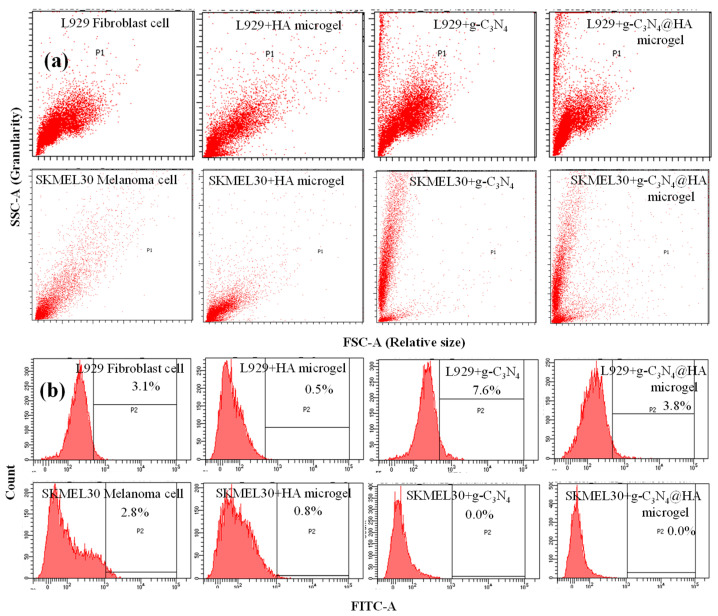 Figure 8
Peer Reviews
No public reviews on file for this paper yet. If you reviewed it on a platform where reviews are public (OpenReview, ICLR, NeurIPS, ICML), you can paste yours below so the community can read it here.
Videos
No videos yet. Explain this paper in a talk, walkthrough, or lecture? Add one.
Taxonomy
TopicsWittgensteinian philosophy and applications