Motivation levels and white matter microstructure in children living with HIV
Catherine J. Wedderburn, Tatum Sevenoaks, Jean-Paul Fouche, Nicole J. Phillips, Stephen D. Lawn, Dan J. Stein, Jacqueline Hoare

TL;DR
Children living with HIV show reduced motivation, which may be linked to changes in brain white matter structure, according to a study in South Africa.
Contribution
This study is the first to link reduced motivation in children with HIV to specific white matter microstructure changes in the brain.
Findings
Children living with HIV scored significantly lower on motivation assessments compared to normative values.
Motivation levels were significantly lower in children on ART compared to ART-naïve slow progressors.
Motivation scores correlated with white matter microstructure in frontostriatal brain regions, particularly the anterior limb of the internal capsule.
Abstract
Central nervous system involvement in HIV infection leads to neurobehavioural sequelae. Although apathy is a well-recognised symptom in adults living with HIV linked to alterations in brain structure, there is scarce research examining motivation in children living with HIV (CLWH). We used the Children’s Motivation Scale (CMS; normative mean = 50, SD = 10) to assess motivation levels in 76 CLWH aged 6–16 years (63 on antiretroviral therapy [ART]; 13 ART-naïve slow progressors) in South Africa. Overall, CLWH scored low on the CMS (mean = 35.70 [SD = 5.87]). Motivation levels were significantly reduced in children taking ART compared to ART-naïve slow progressors (p = 0.02), but were not correlated with markers of HIV disease (CD4 + cell count or viral load), or neurocognitive function (p > 0.05). CMS scores were correlated with diffusion tensor imaging metrics of white matter…
Genes, proteins, chemicals, diseases, species, mutations and cell lines named across the full text — each resolved to its canonical identifier and authoritative record.
Click any figure to enlarge with its caption.
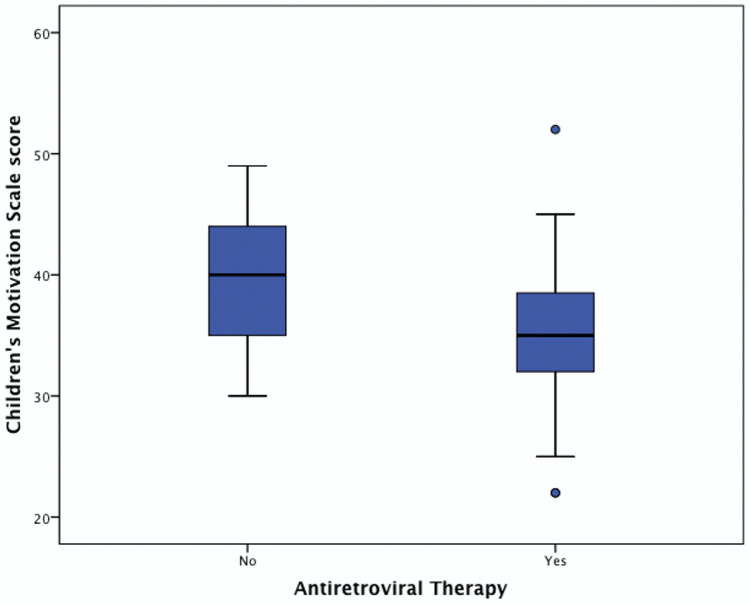 Figure 1
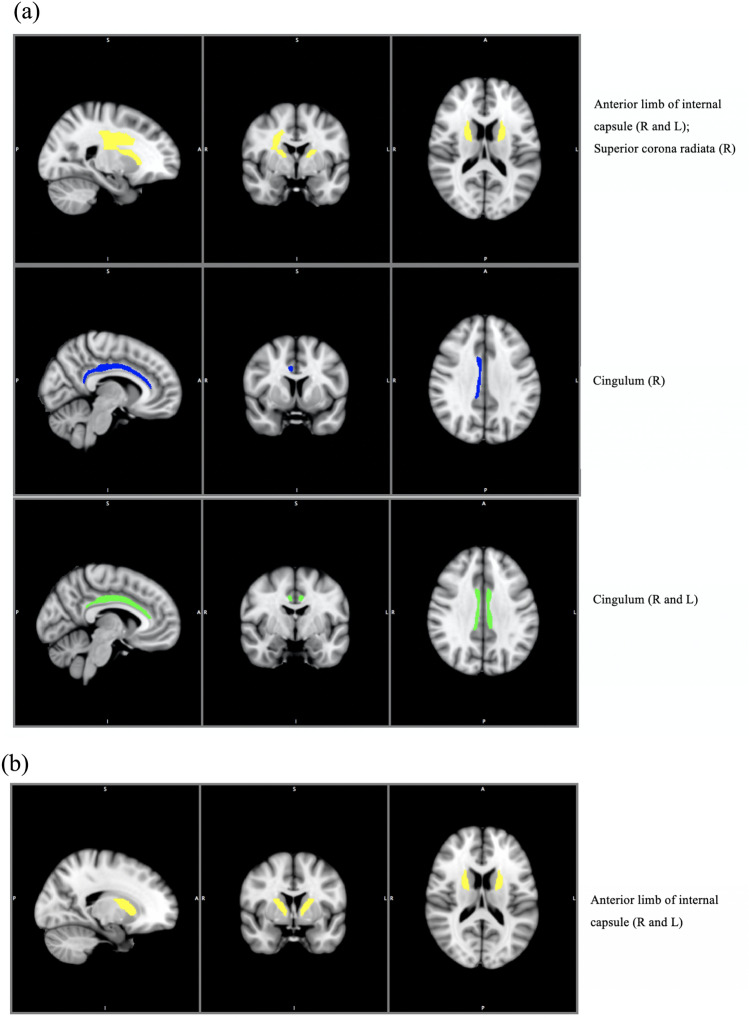 Figure 2
Peer Reviews
No public reviews on file for this paper yet. If you reviewed it on a platform where reviews are public (OpenReview, ICLR, NeurIPS, ICML), you can paste yours below so the community can read it here.
Videos
No videos yet. Explain this paper in a talk, walkthrough, or lecture? Add one.
Taxonomy
TopicsAdvanced Neuroimaging Techniques and Applications · HIV-related health complications and treatments · HIV Research and Treatment