Sleep deprivation detected by voice analysis
Etienne Thoret, Thomas Andrillon, Caroline Gauriau, Damien Léger, Daniel Pressnitzer, Frédéric E. Theunissen, Marieke Karlijn van Vugt, Frédéric E. Theunissen, Marieke Karlijn van Vugt, Frédéric E. Theunissen, Marieke Karlijn van Vugt, Frédéric E. Theunissen

TL;DR
This paper shows that sleep deprivation can be detected through voice analysis, revealing individual differences in vocal biomarkers.
Contribution
The study introduces interpretable machine learning methods to detect sleep deprivation using generic auditory features and identifies two distinct vocal effects.
Findings
Sleep deprivation can be detected from voice recordings with accuracy comparable to state-of-the-art speech features.
Sleep deprivation affects vocal prosody and voice quality, with individual variability in these effects.
Voice quality changes are not correlated with subjective sleepiness reports, indicating implicit effects of sleep deprivation.
Abstract
Sleep deprivation has an ever-increasing impact on individuals and societies. Yet, to date, there is no quick and objective test for sleep deprivation. Here, we used automated acoustic analyses of the voice to detect sleep deprivation. Building on current machine-learning approaches, we focused on interpretability by introducing two novel ideas: the use of a fully generic auditory representation as input feature space, combined with an interpretation technique based on reverse correlation. The auditory representation consisted of a spectro-temporal modulation analysis derived from neurophysiology. The interpretation method aimed to reveal the regions of the auditory representation that supported the classifiers’ decisions. Results showed that generic auditory features could be used to detect sleep deprivation successfully, with an accuracy comparable to state-of-the-art speech features.…
Genes, proteins, chemicals, diseases, species, mutations and cell lines named across the full text — each resolved to its canonical identifier and authoritative record.
Click any figure to enlarge with its caption.
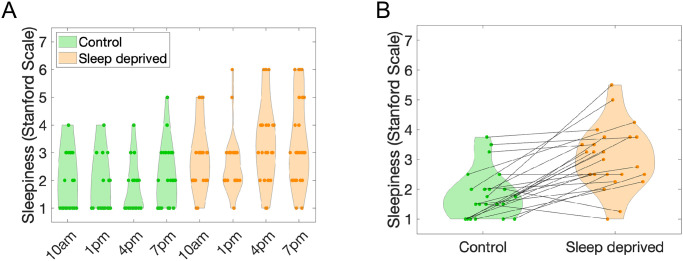 Figure 1
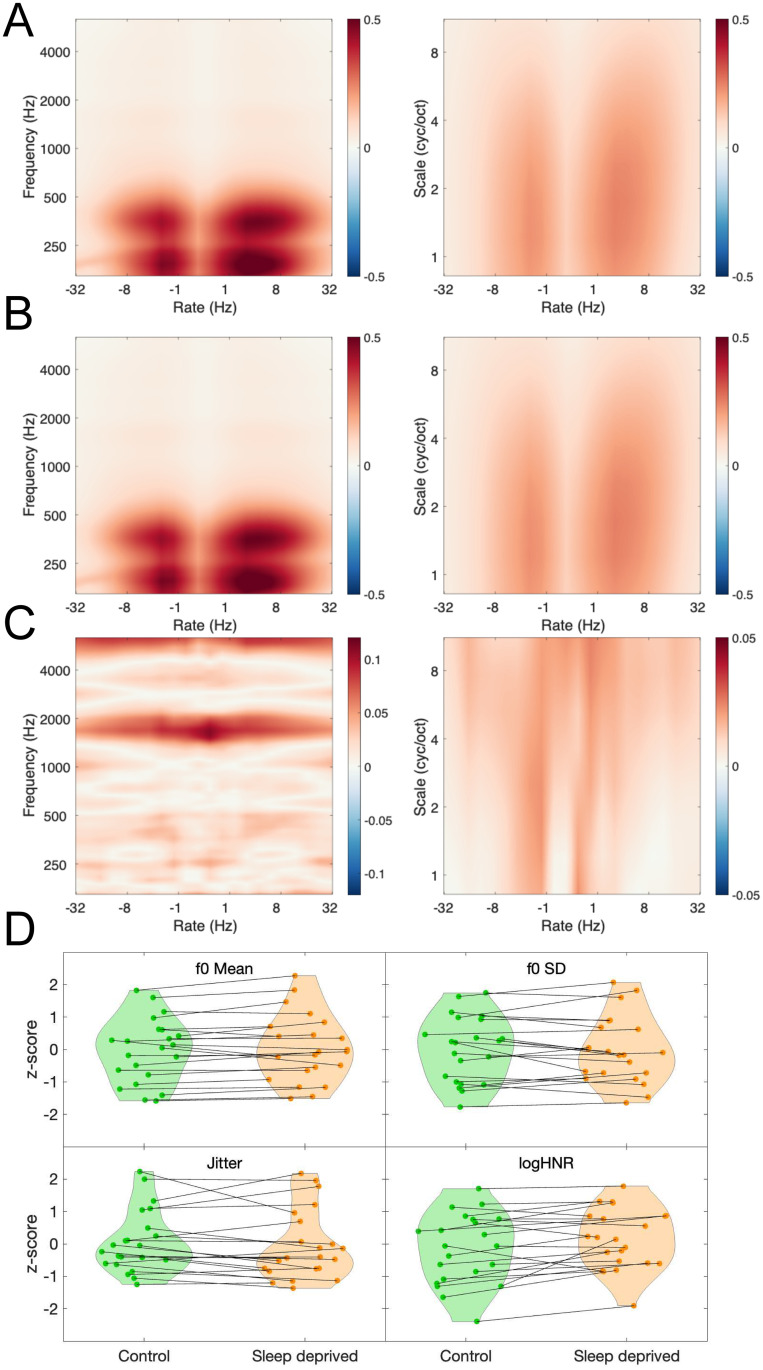 Figure 2
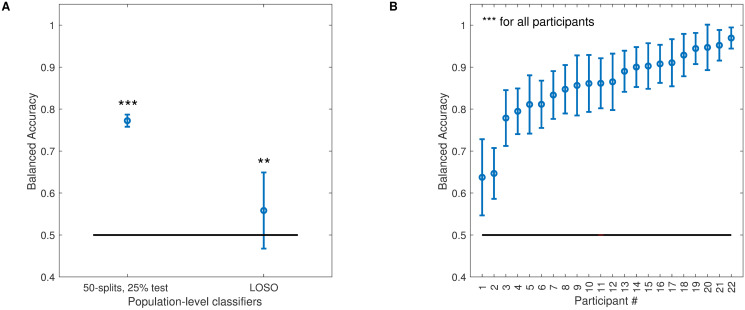 Figure 3
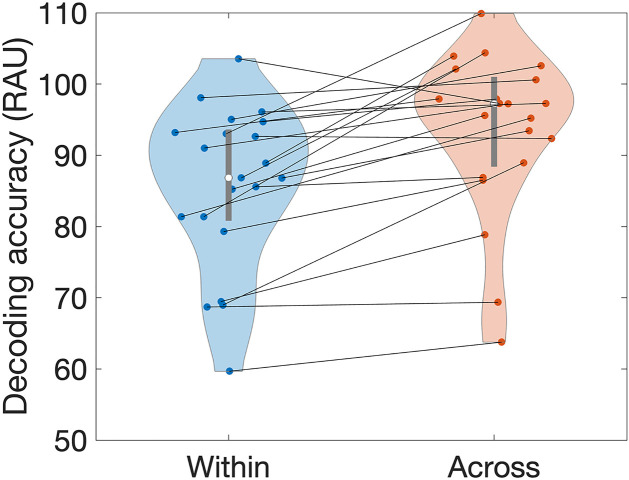 Figure 4
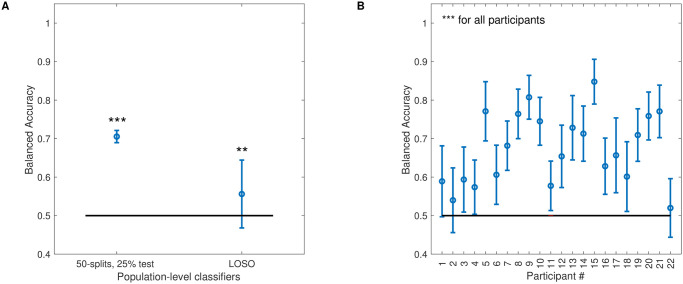 Figure 5
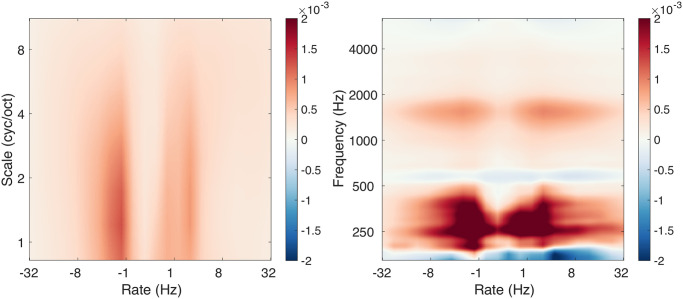 Figure 6
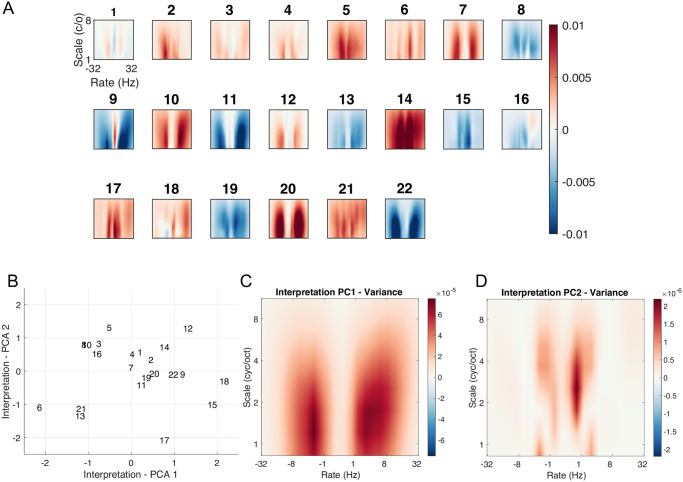 Figure 7
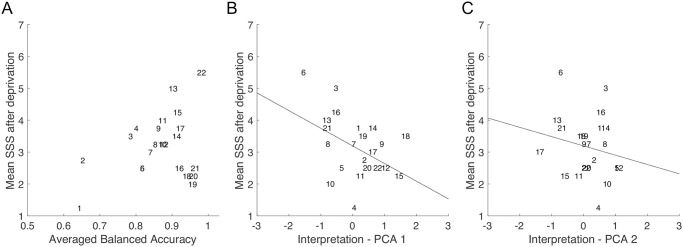 Figure 8
Peer Reviews
No public reviews on file for this paper yet. If you reviewed it on a platform where reviews are public (OpenReview, ICLR, NeurIPS, ICML), you can paste yours below so the community can read it here.
Videos
No videos yet. Explain this paper in a talk, walkthrough, or lecture? Add one.
Taxonomy
TopicsSleep and Work-Related Fatigue · Voice and Speech Disorders · Obstructive Sleep Apnea Research