Investigation of the Chemiluminescent Reaction of a Fluorinated Analog of Marine Coelenterazine
Carla M. Magalhães, Joaquim C. G. Esteves da Silva, Luís Pinto da Silva

TL;DR
This study explores how a fluorinated version of a marine compound produces light more efficiently under basic conditions, shedding light on the underlying chemical processes.
Contribution
The study reveals that an anionic intermediate contributes more to light emission efficiency than a neutral one, despite similar electron and charge transfer processes.
Findings
CL efficiency is higher under basic conditions due to an anionic dioxetanone intermediate.
Theoretical calculations show both species involve similar electron and charge transfer processes.
Neither process alone explains the observed differences in chemiexcitation efficiency.
Abstract
Bioluminescence (BL) and chemiluminescence (CL) are remarkable processes in which light is emitted due to (bio)chemical reactions. These reactions have attracted significant attention for various applications, such as biosensing, bioimaging, and biomedicine. Some of the most relevant and well-studied BL/CL systems are that of marine imidazopyrazine-based compounds, among which Coelenterazine is a prime example. Understanding the mechanisms behind efficient chemiexcitation is essential for the optimization and development of practical applications for these systems. Here, the CL of a fluorinated Coelenterazine analog was studied using experimental and theoretical approaches to obtain insight into these processes. Experimental analysis revealed that CL is more efficient under basic conditions than under acidic ones, which could be attributed to the higher relative chemiexcitation…
Genes, proteins, chemicals, diseases, species, mutations and cell lines named across the full text — each resolved to its canonical identifier and authoritative record.
Click any figure to enlarge with its caption.
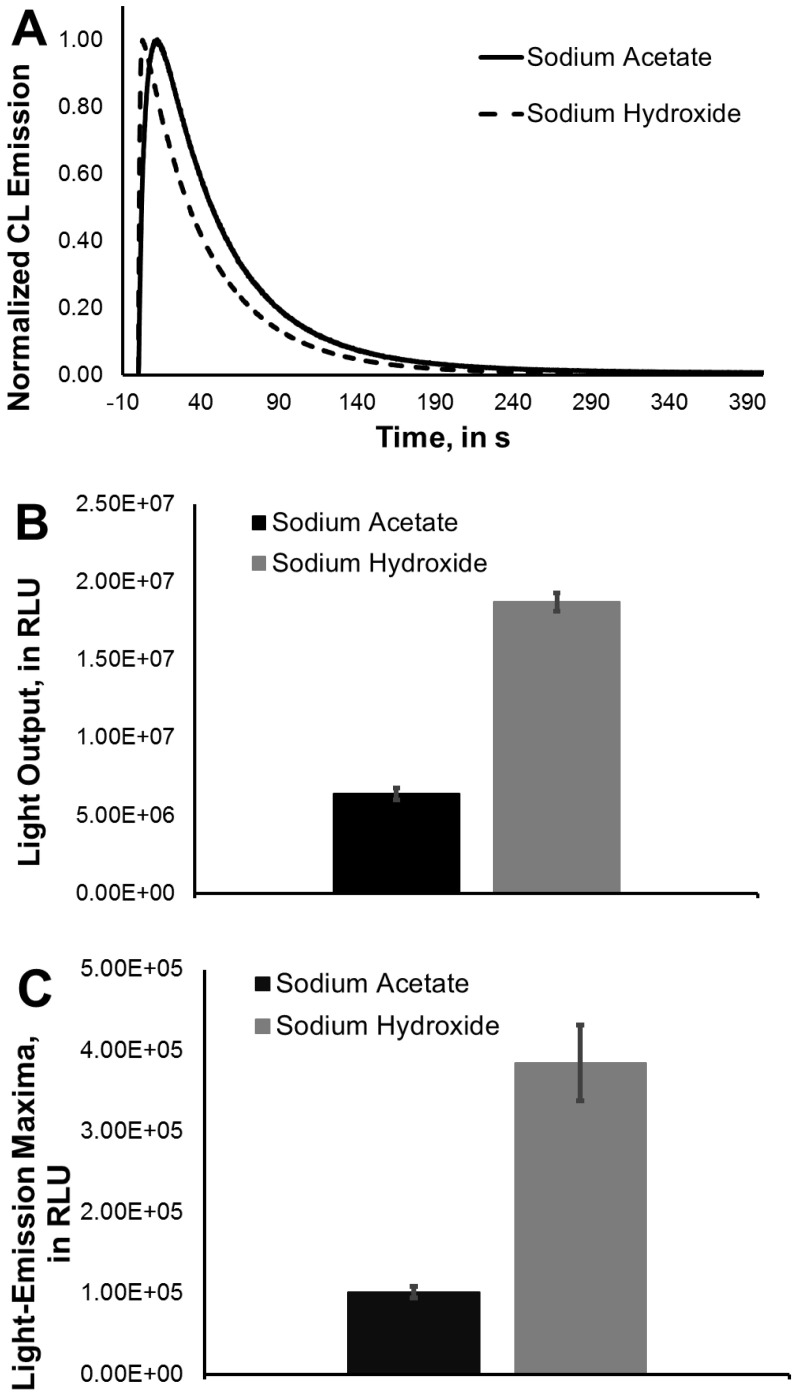 Figure 1
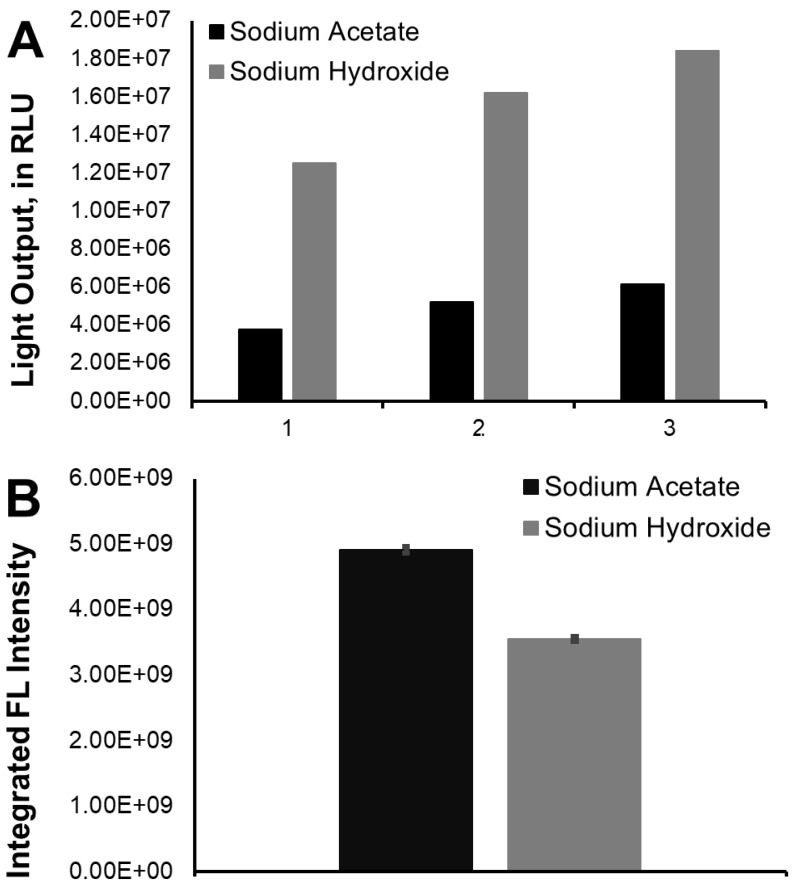 Figure 2
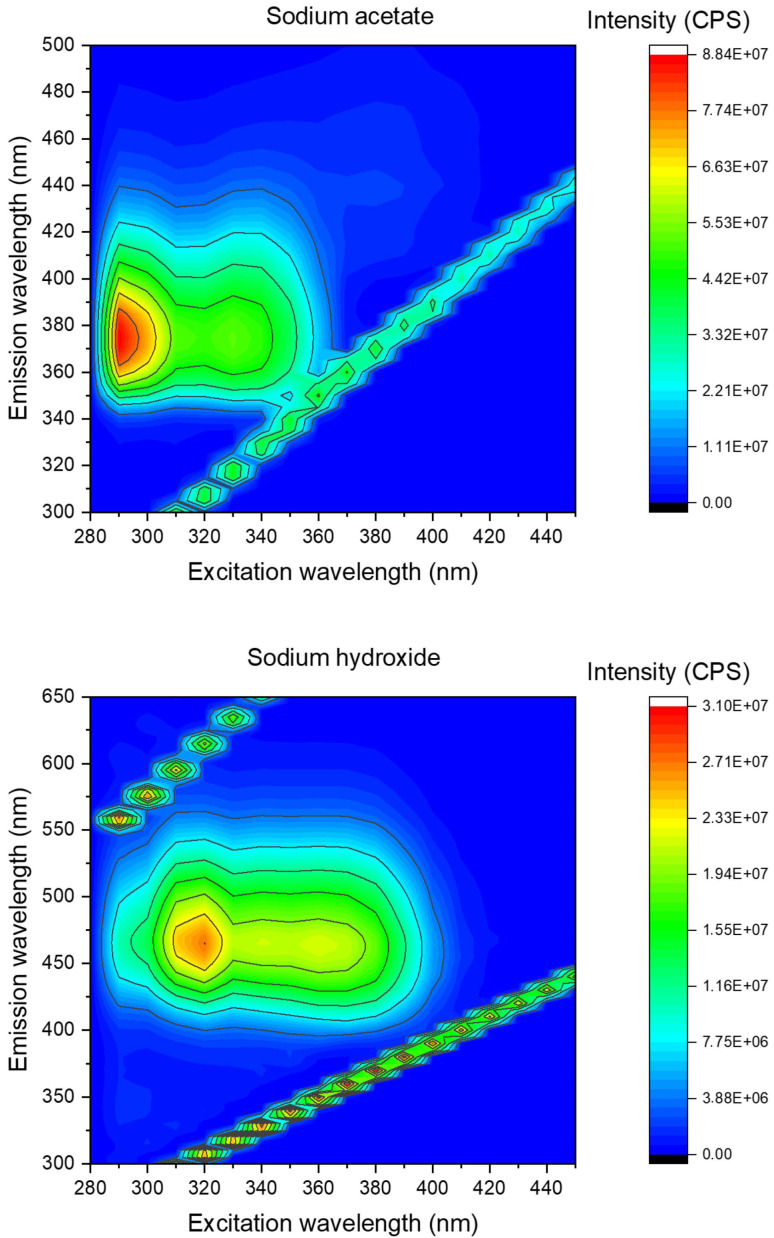 Figure 3
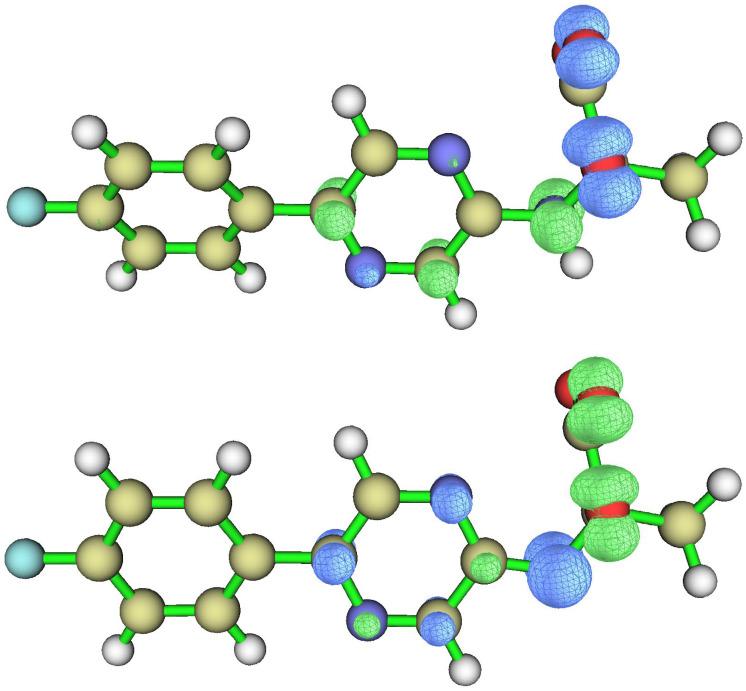 Figure 4
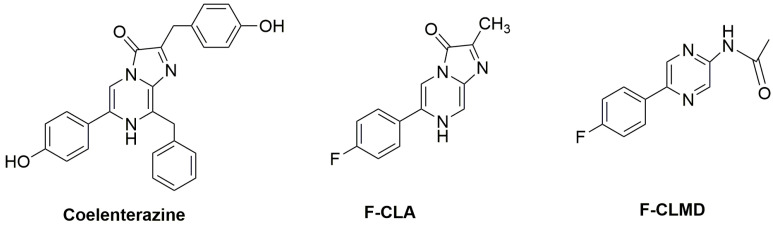 Figure 5
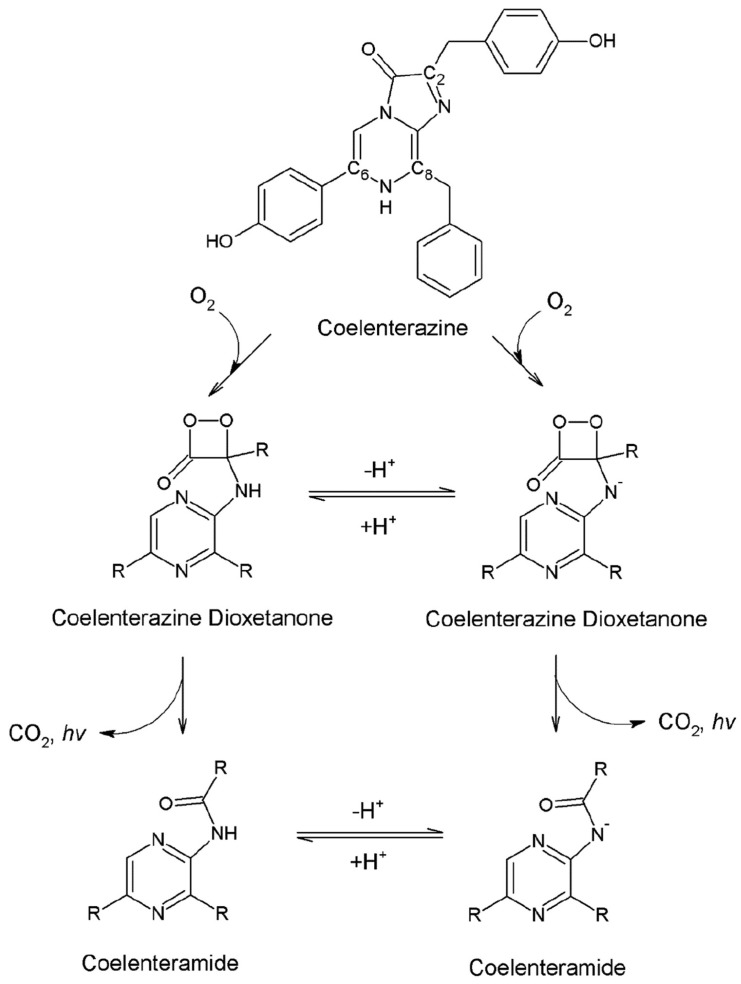 Figure 6
 Figure 7
Peer Reviews
No public reviews on file for this paper yet. If you reviewed it on a platform where reviews are public (OpenReview, ICLR, NeurIPS, ICML), you can paste yours below so the community can read it here.
Videos
No videos yet. Explain this paper in a talk, walkthrough, or lecture? Add one.
Taxonomy
Topicsbioluminescence and chemiluminescence research · Molecular Communication and Nanonetworks · Advanced Chemical Sensor Technologies