Prognostic Significance of Multifactorial Analysis in Complex Cervical Aero-Digestive Trauma Cases
Florentina Severin, Radu Danila, Andrei Nicolau, Anisia Iuliana Alexa, Raluca Olariu, Ștefan Roșca, Octavian Dragos Palade, Florin Mocanu, Mihail Dan Cobzeanu, Bogdan Mihail Cobzeanu

TL;DR
This study identifies key factors affecting outcomes in complex cervical trauma cases, emphasizing the importance of early diagnosis and treatment strategies.
Contribution
The paper introduces a multifactorial analysis approach to predict prognosis in complex cervical aero-digestive trauma.
Findings
Hemodynamic instability, age, muscle/laryngeal injuries, and anemia are negative prognostic factors.
Imaging-based investigations improve prognosis in managing cervical trauma.
Surgical exploration for penetrating trauma remains controversial due to high negative exploration rates.
Abstract
Background and Objectives: In the context of complex aerodigestive cervical traumas, the prognosis and outcome heavily depend on risk factors, particularly injuries to the larynx, trachea, major digestive tissues, cervical vertebrae, and vascular structures. With the increasing prevalence of trauma as a public health concern, there is a pressing need for epidemiological research and the implementation of preventative measures. The purpose of this research is to establish the profile of the predictable impact factors that determine the prognosis of patients with complex cervical trauma. Methods and Methods: The study group consisted of 106 patients with complex cervical trauma pathology developed by various mechanisms such as car accidents, home-related accidents, aggression, gunshot wounds, and self-inflicted attempts, resulting in hospitalization in the E.N.T. Clinic at “St. Spiridon”…
Genes, proteins, chemicals, diseases, species, mutations and cell lines named across the full text — each resolved to its canonical identifier and authoritative record.
Click any figure to enlarge with its caption.
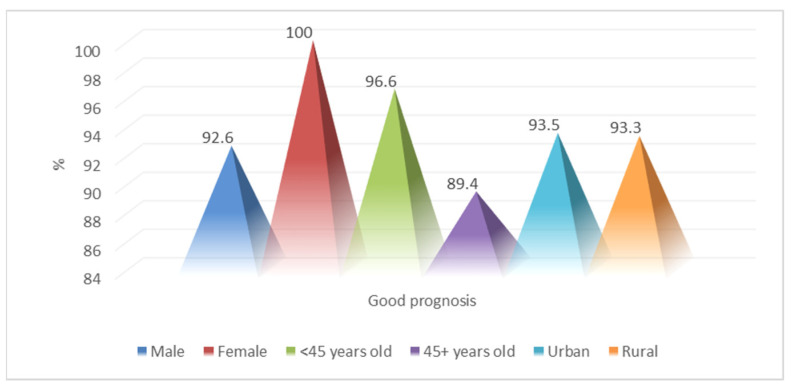 Figure 1
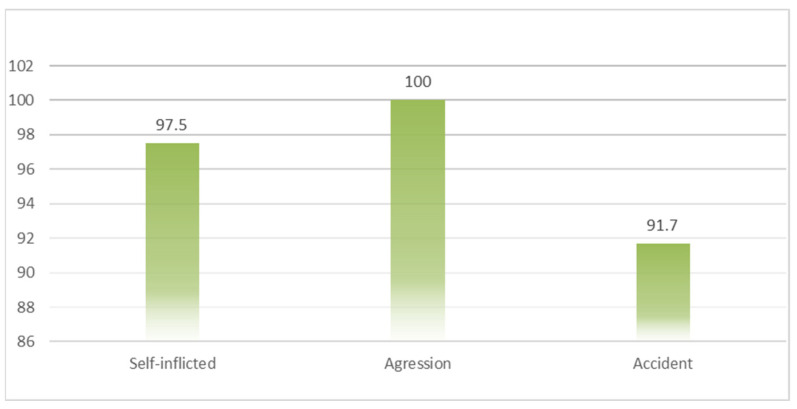 Figure 2
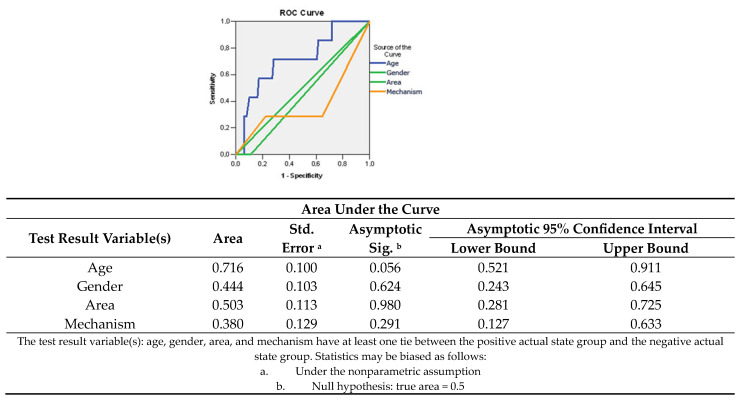 Figure 3
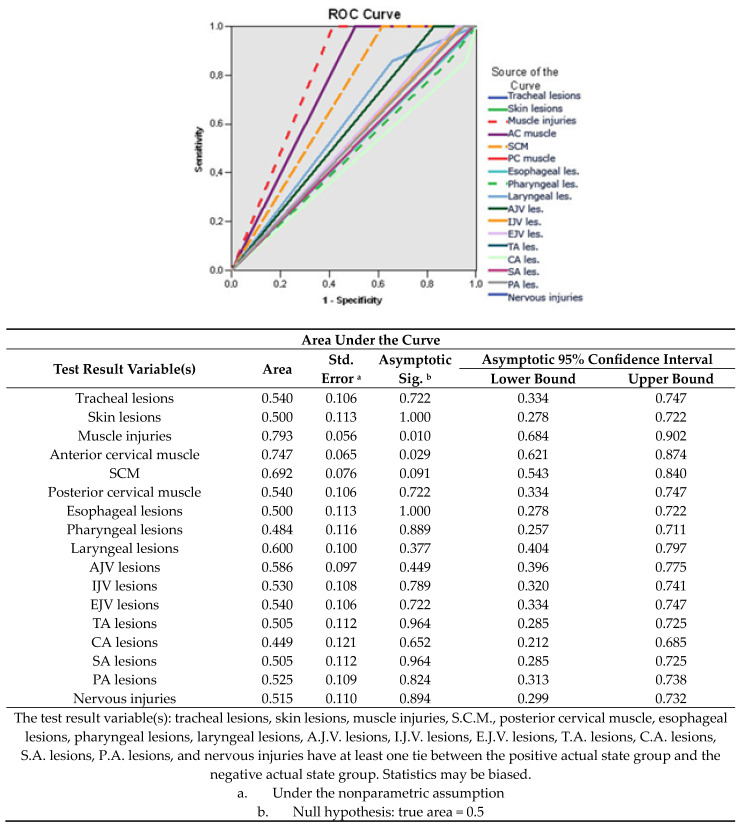 Figure 4
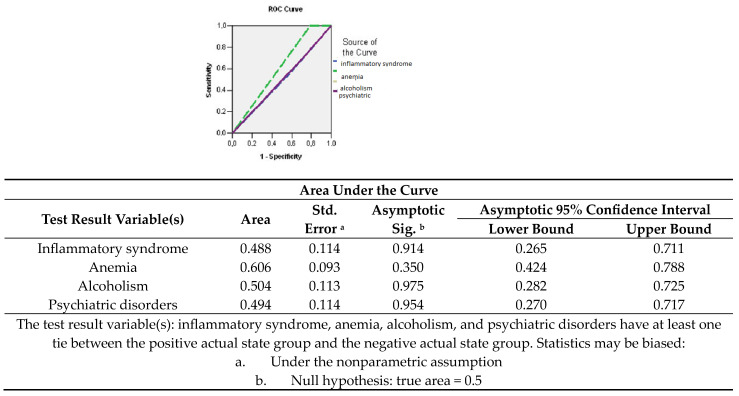 Figure 5
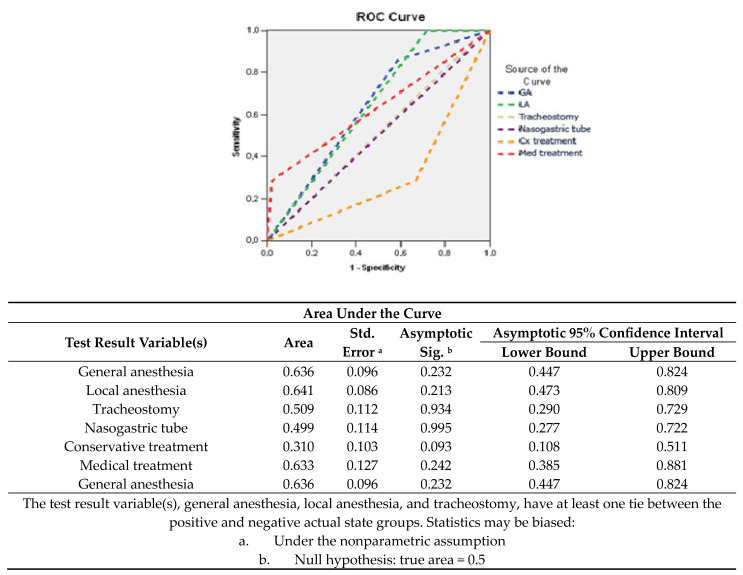 Figure 6
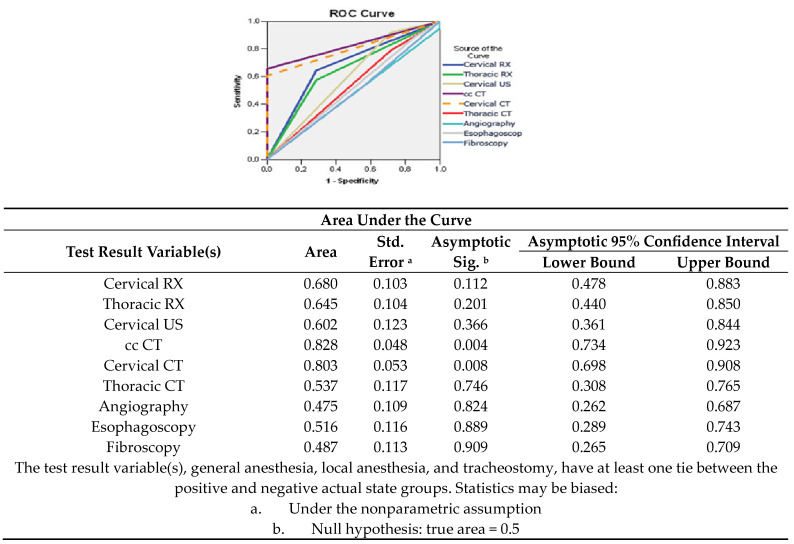 Figure 7
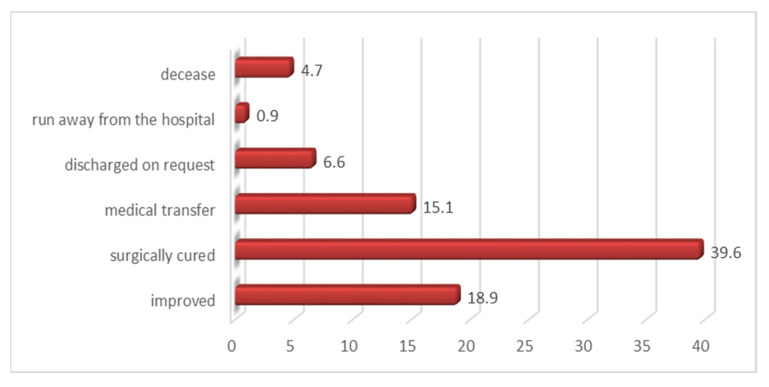 Figure 8
Peer Reviews
No public reviews on file for this paper yet. If you reviewed it on a platform where reviews are public (OpenReview, ICLR, NeurIPS, ICML), you can paste yours below so the community can read it here.
Videos
No videos yet. Explain this paper in a talk, walkthrough, or lecture? Add one.
Taxonomy
TopicsTrauma Management and Diagnosis · Pelvic and Acetabular Injuries · Congenital Diaphragmatic Hernia Studies