Venturi Injector Optimization for Precise Powder Transport for Directed Energy Deposition Manufacturing Using the Discrete Element Method and Genetic Algorithms
Joshua García-Montagut, Rubén Paz, Mario Monzón, Begoña González

TL;DR
This paper optimizes Venturi injectors for precise powder transport in 3D printing using simulations and genetic algorithms to improve performance in low-pressure systems.
Contribution
A novel optimization approach combining discrete element method simulations and genetic algorithms for Venturi injectors in low-pressure powder transport.
Findings
Optimal Venturi injector dimensions achieved an 85% improvement in powder suction compared to initial designs.
The most influential design variables were suction diameter (D3), throat diameter (d2), and nozzle diameter (d1).
The optimized design resulted in a maximum 2% loss of load during powder transport.
Abstract
Additive manufacturing technologies such as directed energy deposition use powder as their raw material, and it must be deposited in a precise and controlled manner. Venturi injectors could be a solution for the highly precise transport of particulate material. They have been studied from different perspectives, but they are always under high-pressure conditions and mostly fed by gravity. In the present study, an optimization of the different dimensional parameters needed for the manufacturing of a Venturi injector in relation to a particle has been carried out to maximize the amount of powder capable of being sucked and transported for a specific flow in a low-pressure system with high precision in transport. For this optimization, simulations of Venturi usage were performed using the discrete element method, generating different variations proposed by a genetic algorithm based on a…
Genes, proteins, chemicals, diseases, species, mutations and cell lines named across the full text — each resolved to its canonical identifier and authoritative record.
Click any figure to enlarge with its caption.
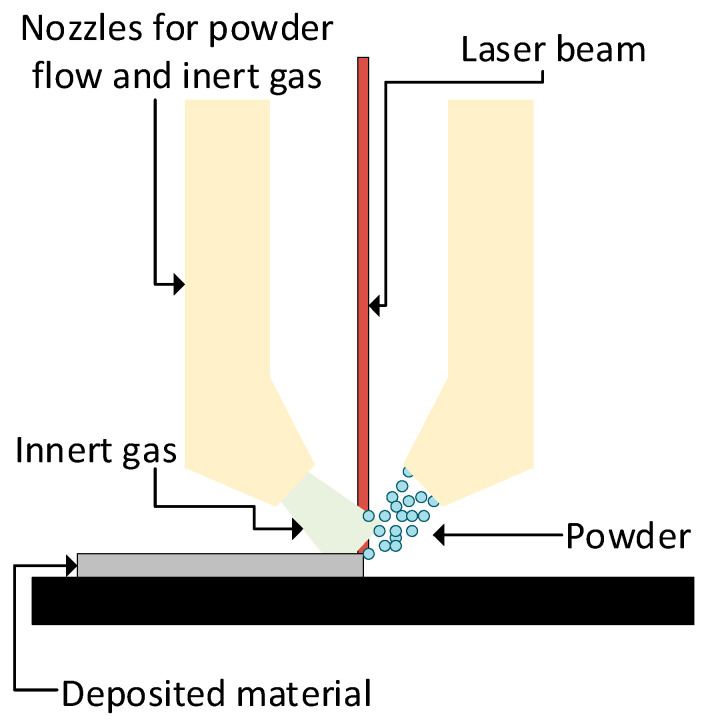 Figure 1
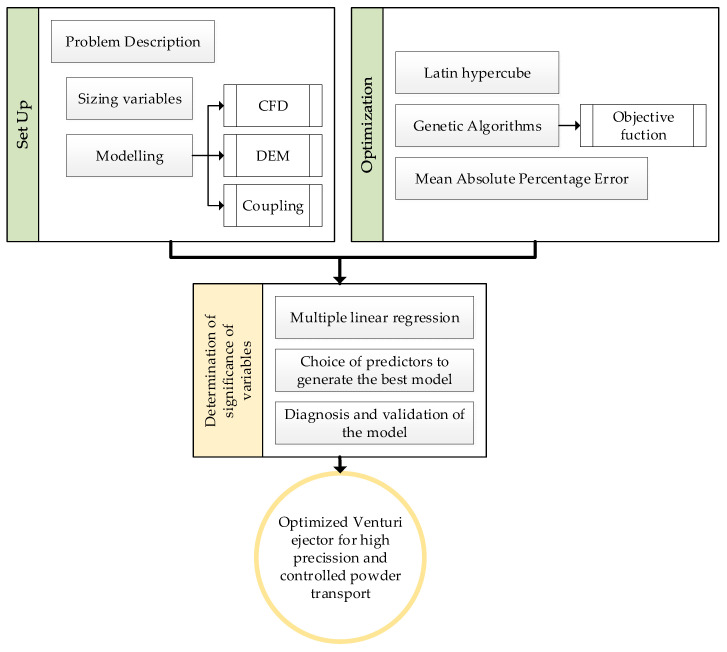 Figure 2
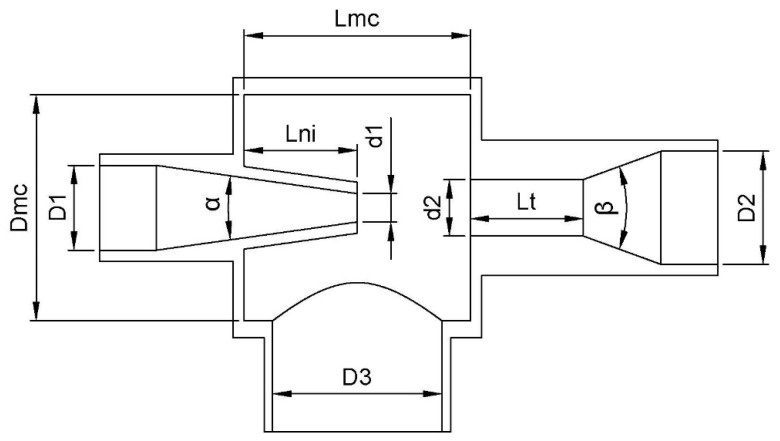 Figure 3
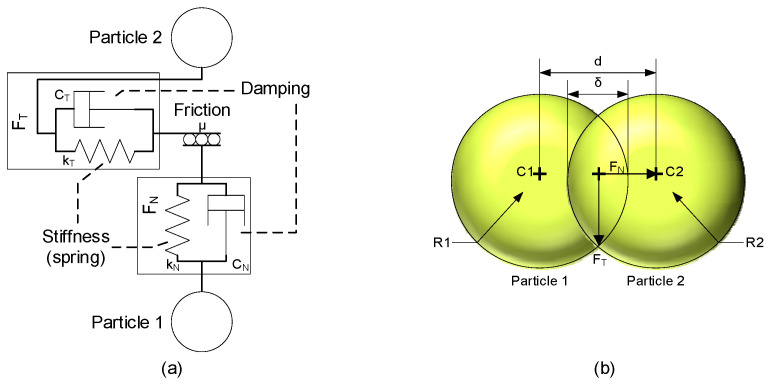 Figure 4
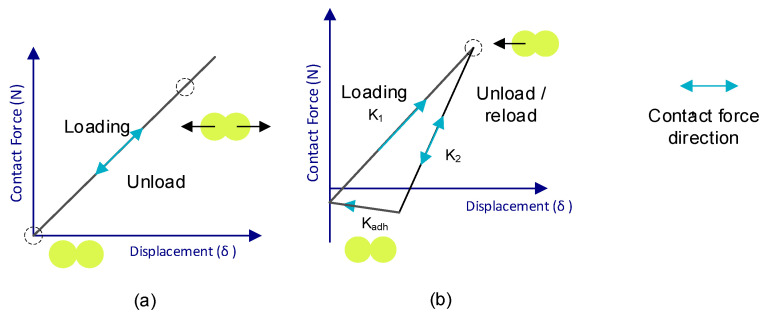 Figure 5
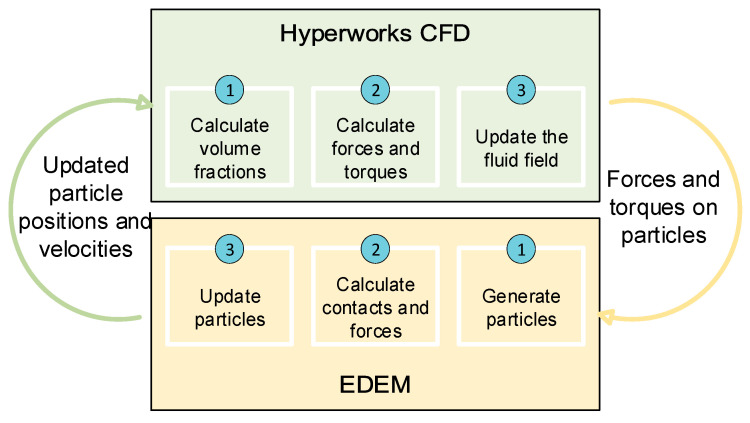 Figure 6
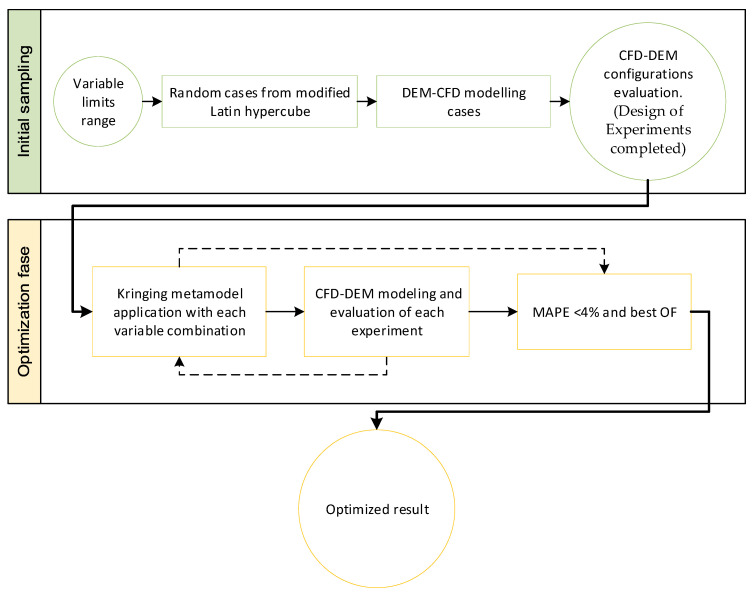 Figure 7
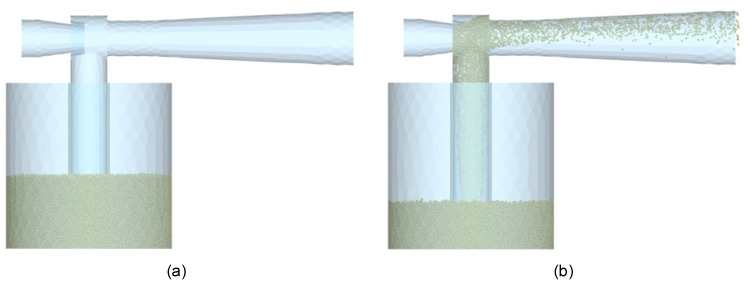 Figure 8
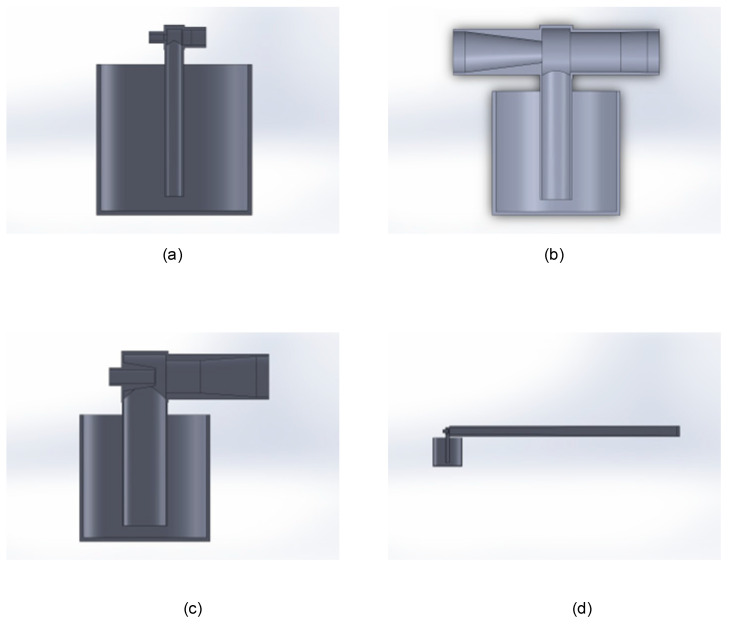 Figure 9
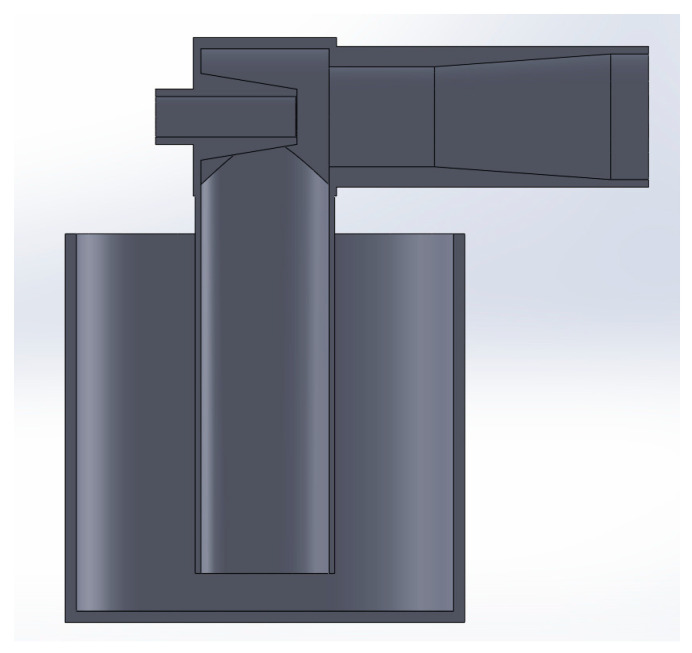 Figure 10
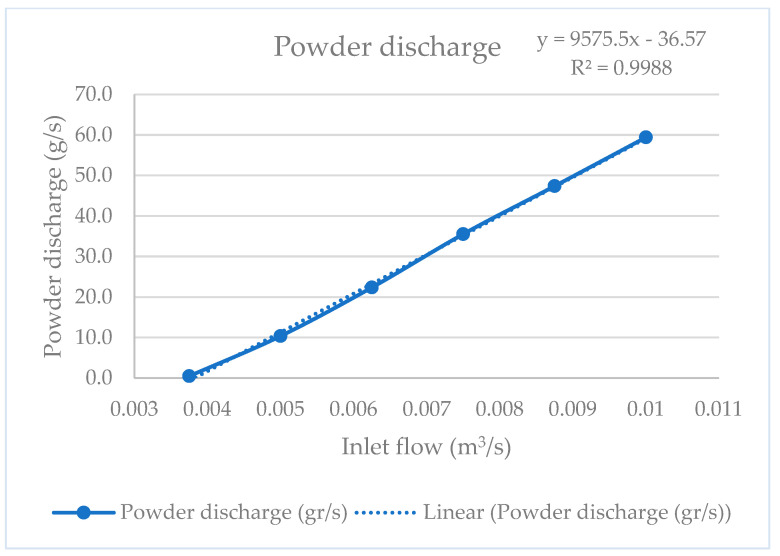 Figure 11
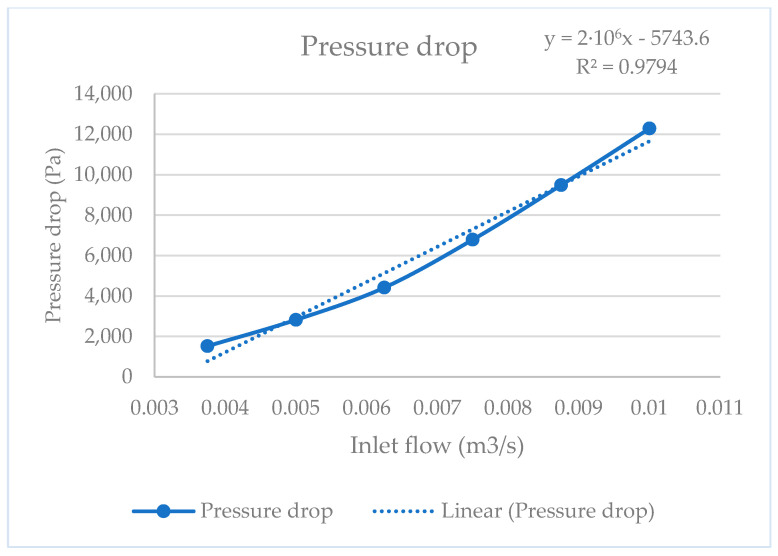 Figure 12
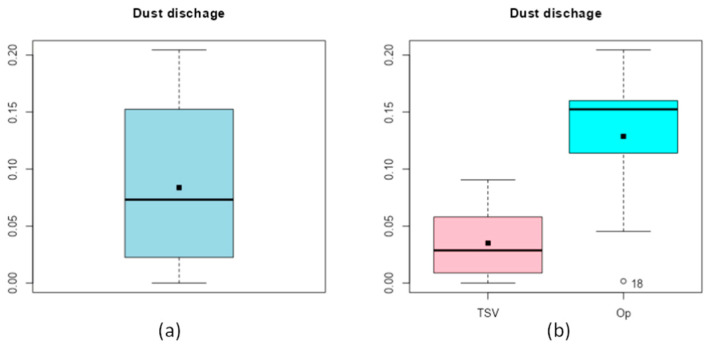 Figure 13
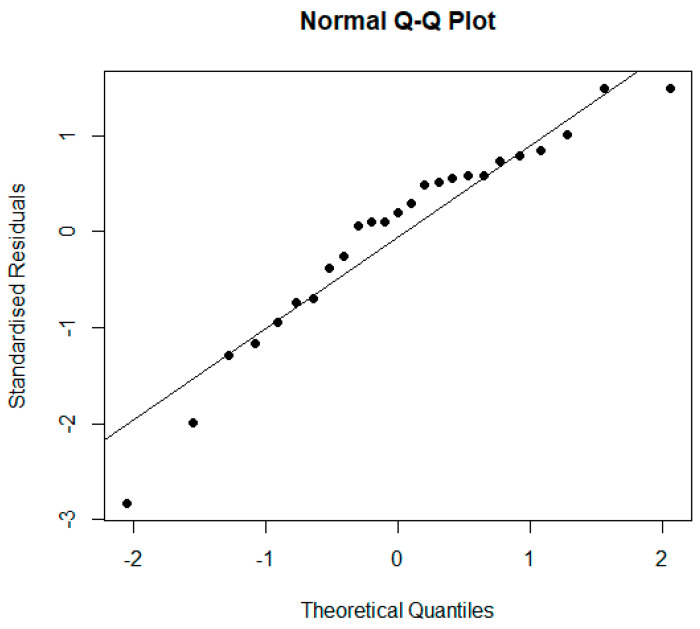 Figure 14
Peer Reviews
No public reviews on file for this paper yet. If you reviewed it on a platform where reviews are public (OpenReview, ICLR, NeurIPS, ICML), you can paste yours below so the community can read it here.
Videos
No videos yet. Explain this paper in a talk, walkthrough, or lecture? Add one.
Taxonomy
TopicsGranular flow and fluidized beds · Fluid Dynamics and Heat Transfer · Heat Transfer Mechanisms