Effect of Divalent Metal Ions on the Ribonuclease Activity of the Toxin Molecule HP0894 from Helicobacter pylori
Ja-Shil Hyun, Rabin Pun, Sung Jean Park, Bong-Jin Lee

TL;DR
This study investigates how metal ions affect the ribonuclease activity of the toxin HP0894 from Helicobacter pylori, finding that zinc ions significantly reduce its activity.
Contribution
The study reveals that Zn2+ ions uniquely and significantly inhibit HP0894's RNase activity, offering new insights into toxin regulation.
Findings
Zinc ions (Zn2+) caused the most significant decrease in HP0894's ribonuclease activity.
Zn2+ binding increased structural rigidity of HP0894 without altering its secondary structure.
NMR analysis identified His, Asp, and Glu residues involved in Zn2+ binding to HP0894.
Abstract
Bacteria and archaea respond and adapt to environmental stress conditions by modulating the toxin–antitoxin (TA) system for survival. Within the bacterium Helicobacter pylori, the protein HP0894 is a key player in the HP0894-HP0895 TA system, in which HP0894 serves as a toxin and HP0895 as an antitoxin. HP0894 has intrinsic ribonuclease (RNase) activity that regulates gene expression and translation, significantly influencing bacterial physiology and survival. This activity is influenced by the presence of metal ions such as Mg2+. In this study, we explore the metal-dependent RNase activity of HP0894. Surprisingly, all tested metal ions lead to a reduction in RNase activity, with zinc ions (Zn2+) causing the most significant decrease. The secondary structure of HP0894 remained largely unaffected by Zn2+ binding, whereas structural rigidity was notably increased, as revealed using CD…
Genes, proteins, chemicals, diseases, species, mutations and cell lines named across the full text — each resolved to its canonical identifier and authoritative record.
Click any figure to enlarge with its caption.
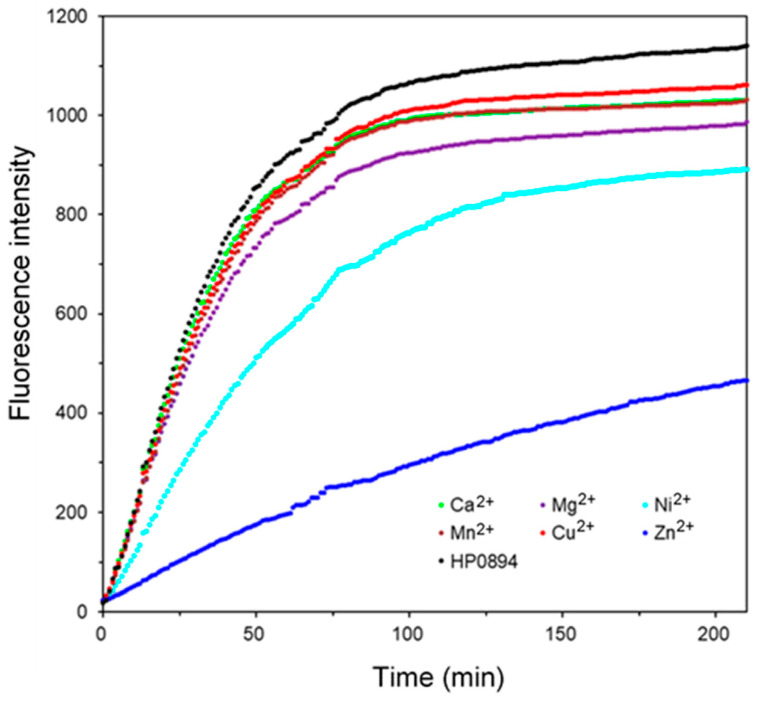 Figure 1
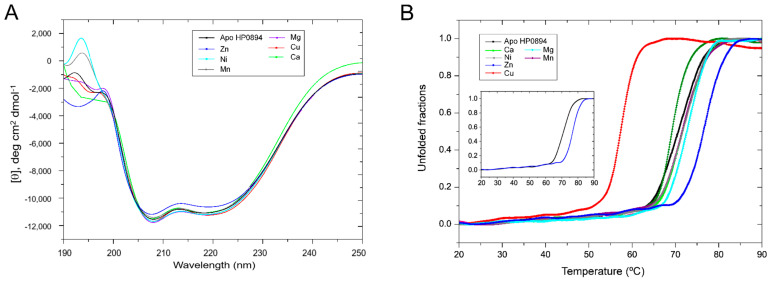 Figure 2
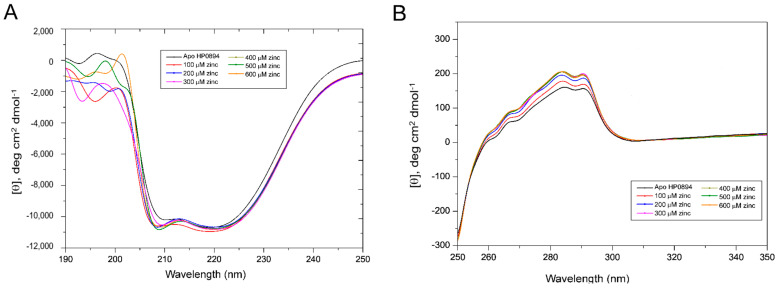 Figure 3
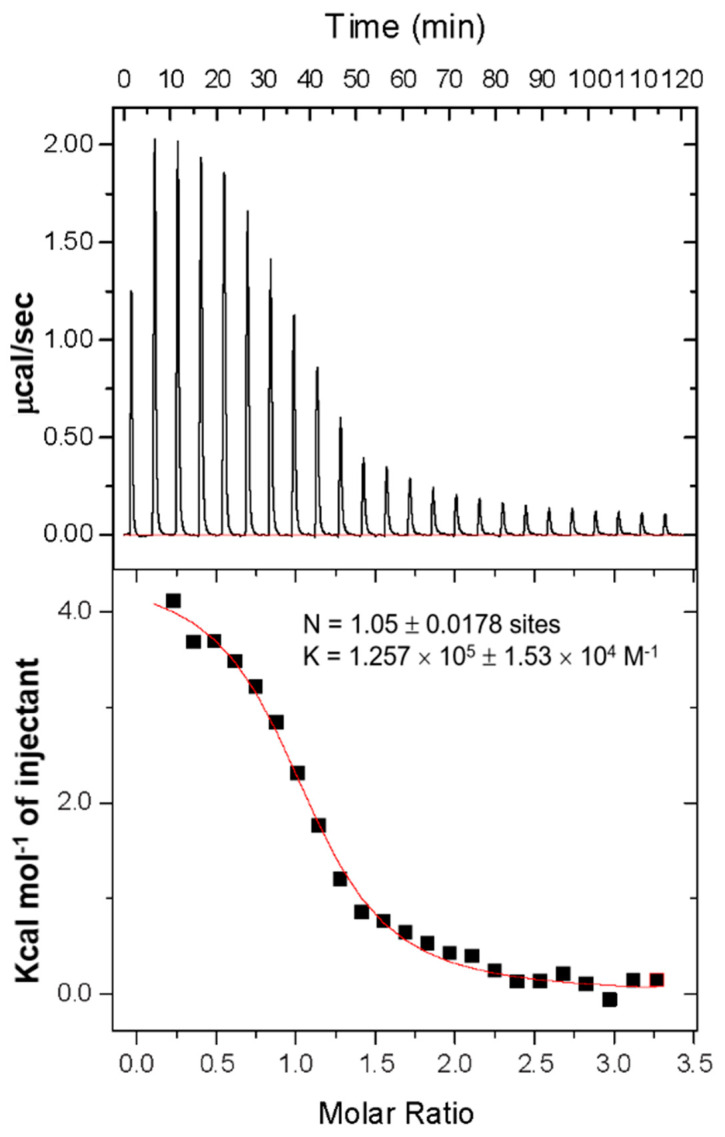 Figure 4
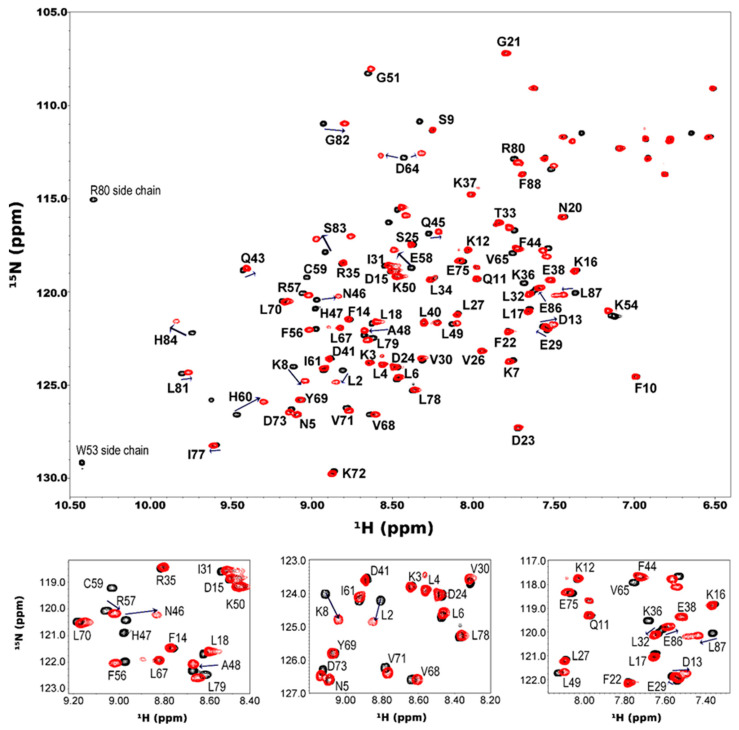 Figure 5
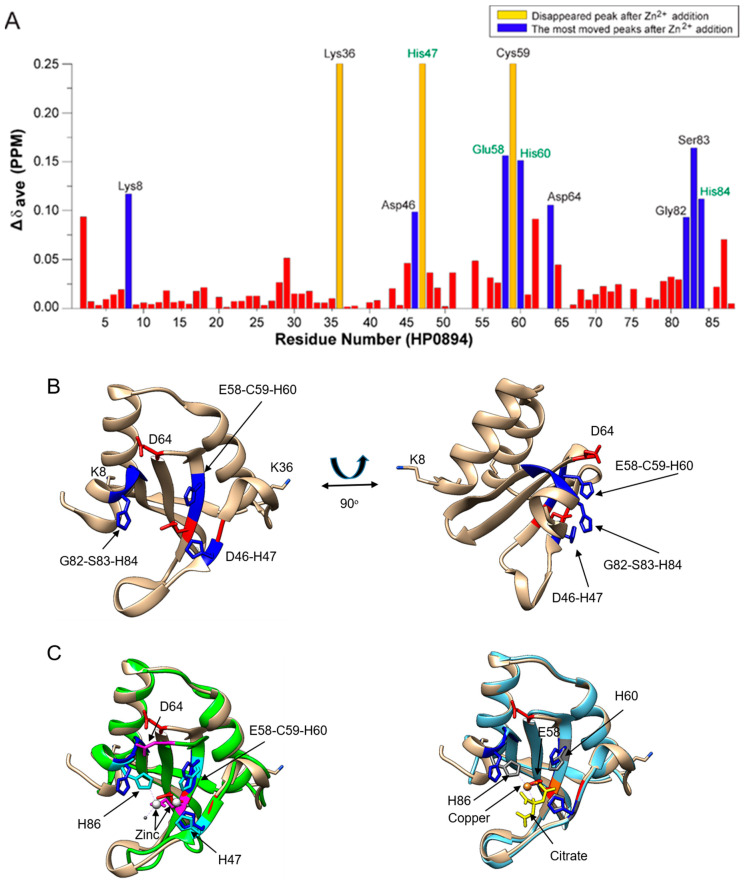 Figure 6
Peer Reviews
No public reviews on file for this paper yet. If you reviewed it on a platform where reviews are public (OpenReview, ICLR, NeurIPS, ICML), you can paste yours below so the community can read it here.
Videos
No videos yet. Explain this paper in a talk, walkthrough, or lecture? Add one.
Taxonomy
TopicsHelicobacter pylori-related gastroenterology studies · Enterobacteriaceae and Cronobacter Research · Veterinary medicine and infectious diseases