Fungal-Mediated Biotransformation of the Plant Growth Regulator Forchlorfenuron by Cunninghamella elegans
Charles M. Moreno, Jaclyn N. Moreno, Matthew C. Valdez, Melinda P. Baldwin, Ana C. Vallor, Paulo B. Carvalho

TL;DR
This study shows that the fungus Cunninghamella elegans can efficiently produce a key metabolite of the plant growth regulator forchlorfenuron, similar to how mammals do it, in a faster and more ethical way.
Contribution
The first report of FCF metabolism by C. elegans, offering a faster and ethical alternative for producing FCF metabolites for toxicological studies.
Findings
Cunninghamella elegans converts FCF to 4-hydroxyphenyl-forchlorfenuron, a major mammalian FCF metabolite.
Optimized conditions reduced the biotransformation time from 26 to 7 days, a 73% reduction.
The metabolite was confirmed using LC-MS, NMR, and comparison with synthetic samples.
Abstract
The synthetic cytokinin forchlorfenuron (FCF), while seemingly presenting relatively low toxicity for mammalian organisms, has been the subject of renewed scrutiny in the past few years due to its increasing use in fruit crops and potential for bioaccumulation. Despite many toxicological properties of FCF being known, little research has been conducted on the toxicological effects of its secondary metabolites. Given this critical gap in the existing literature, understanding the formation of relevant FCF secondary metabolites and their association with mammalian metabolism is essential. To investigate the formation of FCF metabolites in sufficient quantities for toxicological studies, a panel of four fungi were screened for their ability to catalyze the biotransformation of FCF. Of the organisms screened, Cunninghamella elegans (ATCC 9245), a filamentous fungus, was found to convert FCF…
Genes, proteins, chemicals, diseases, species, mutations and cell lines named across the full text — each resolved to its canonical identifier and authoritative record.
Click any figure to enlarge with its caption.
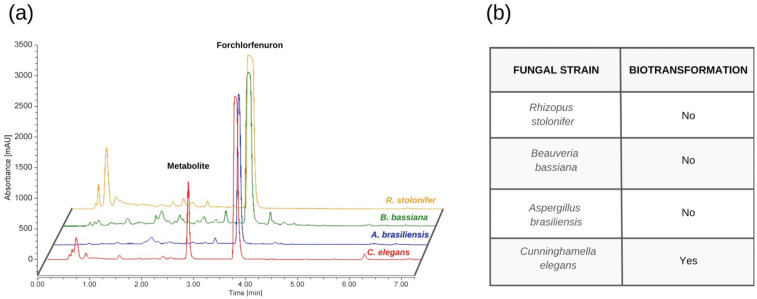 Figure 1
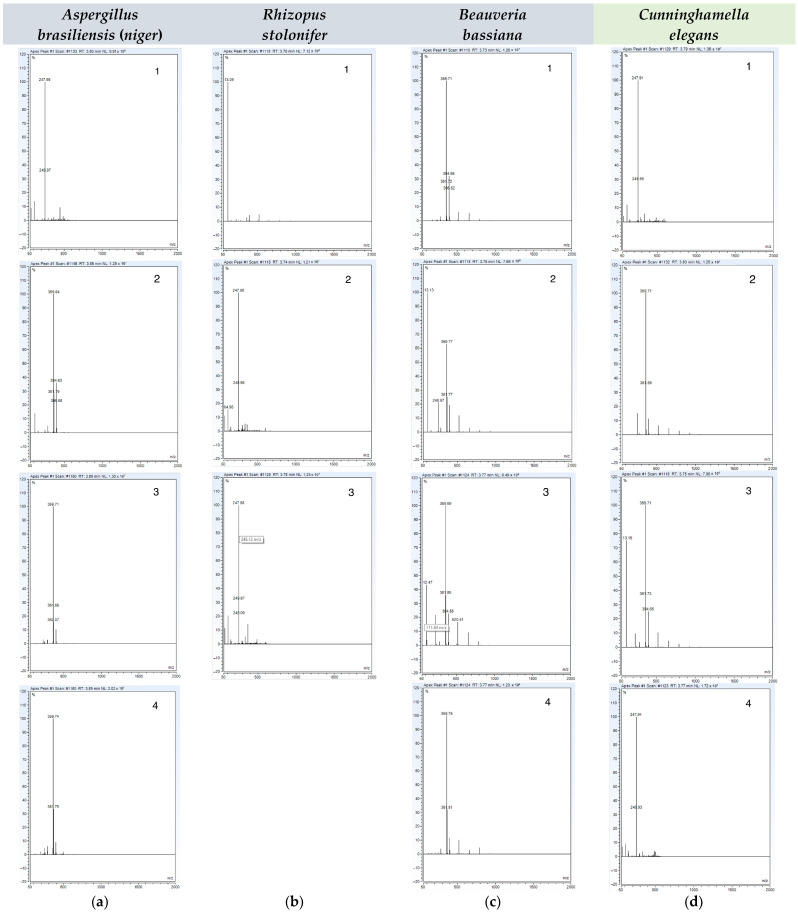 Figure 2
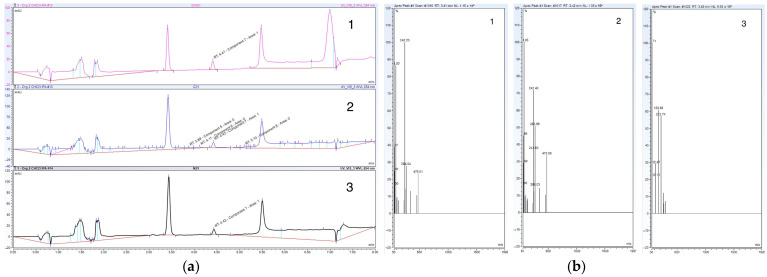 Figure 3
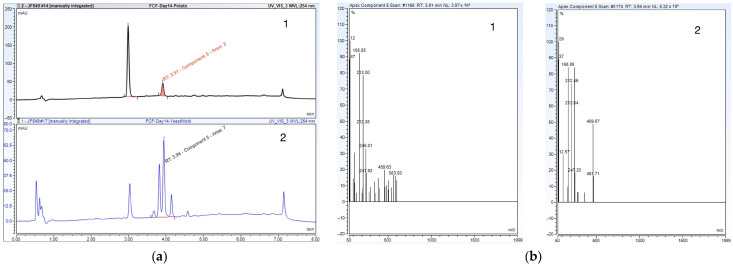 Figure 4
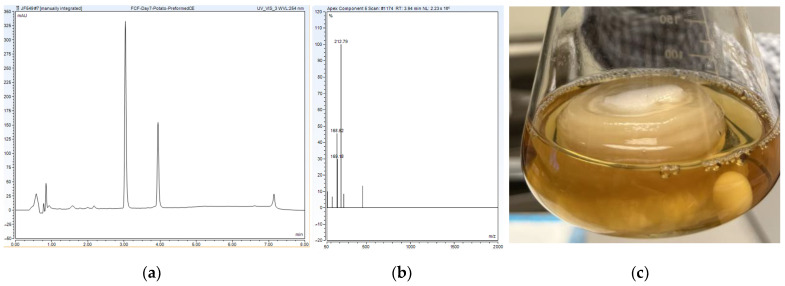 Figure 5
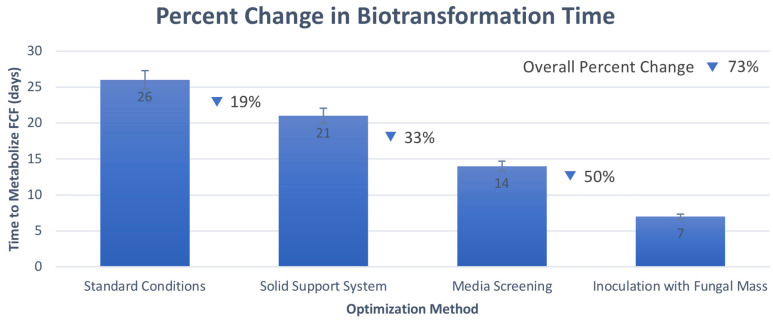 Figure 6
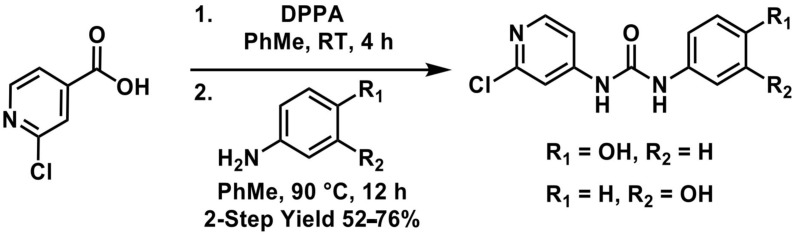 Figure 7
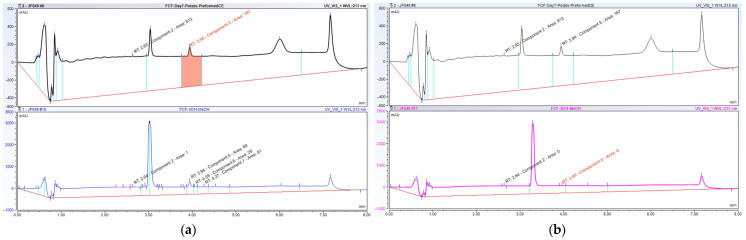 Figure 8
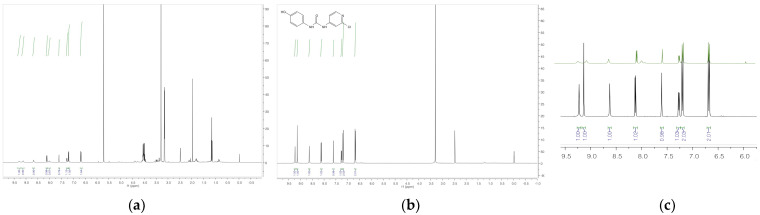 Figure 9
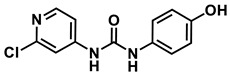 Figure 10
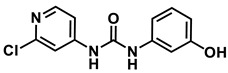 Figure 11
 Figure 12
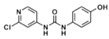 Figure 13
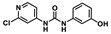 Figure 14
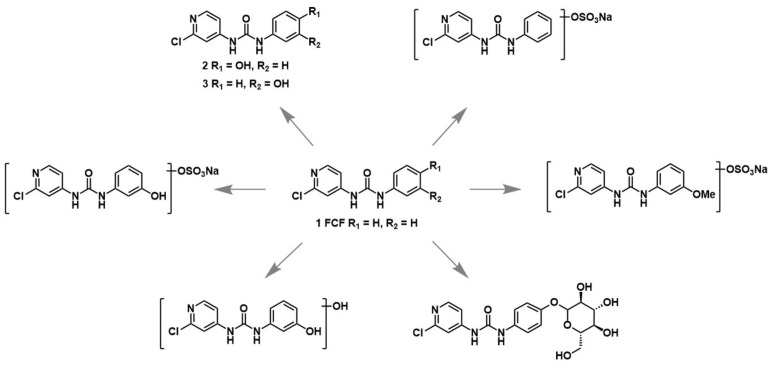 Figure 15
Peer Reviews
No public reviews on file for this paper yet. If you reviewed it on a platform where reviews are public (OpenReview, ICLR, NeurIPS, ICML), you can paste yours below so the community can read it here.
Videos
No videos yet. Explain this paper in a talk, walkthrough, or lecture? Add one.
Taxonomy
TopicsFungal Biology and Applications · Biocrusts and Microbial Ecology · Microbial Metabolic Engineering and Bioproduction