Novel PAX9 Mutations Causing Isolated Oligodontia
Ye Ji Lee, Yejin Lee, Youn Jung Kim, Zang Hee Lee, Jung-Wook Kim

TL;DR
This study finds new mutations in the PAX9 gene that cause a rare tooth development disorder called oligodontia.
Contribution
The study identifies two novel PAX9 mutations and shows that a silent mutation affects RNA splicing, contributing to oligodontia.
Findings
Two novel PAX9 mutations were identified in families with non-syndromic oligodontia.
A silent mutation in PAX9 causes aberrant pre-mRNA splicing, leading to altered splicing products.
The study strengthens the diagnostic understanding of PAX9-related oligodontia.
Abstract
Hypodontia, i.e., missing one or more teeth, is a relatively common human disease; however, oligodontia, i.e., missing six or more teeth, excluding the third molars, is a rare congenital disorder. Many genes have been shown to cause oligodontia in non-syndromic or syndromic conditions. In this study, we identified two novel PAX9 mutations in two non-syndromic oligodontia families. A mutational analysis identified a silent mutation (NM_006194.4: c.771G>A, p.(Gln257=)) in family 1 and a frameshift mutation caused by a single nucleotide duplication (c.637dup, p.(Asp213Glyfs*104)) in family 2. A minigene splicing assay revealed that the silent mutation resulted in aberrant pre-mRNA splicing instead of normal splicing. The altered splicing products are ones with an exon 4 deletion or using a cryptic 5’ splicing site in exon 4. Mutational effects were further investigated using protein…
Genes, proteins, chemicals, diseases, species, mutations and cell lines named across the full text — each resolved to its canonical identifier and authoritative record.
Click any figure to enlarge with its caption.
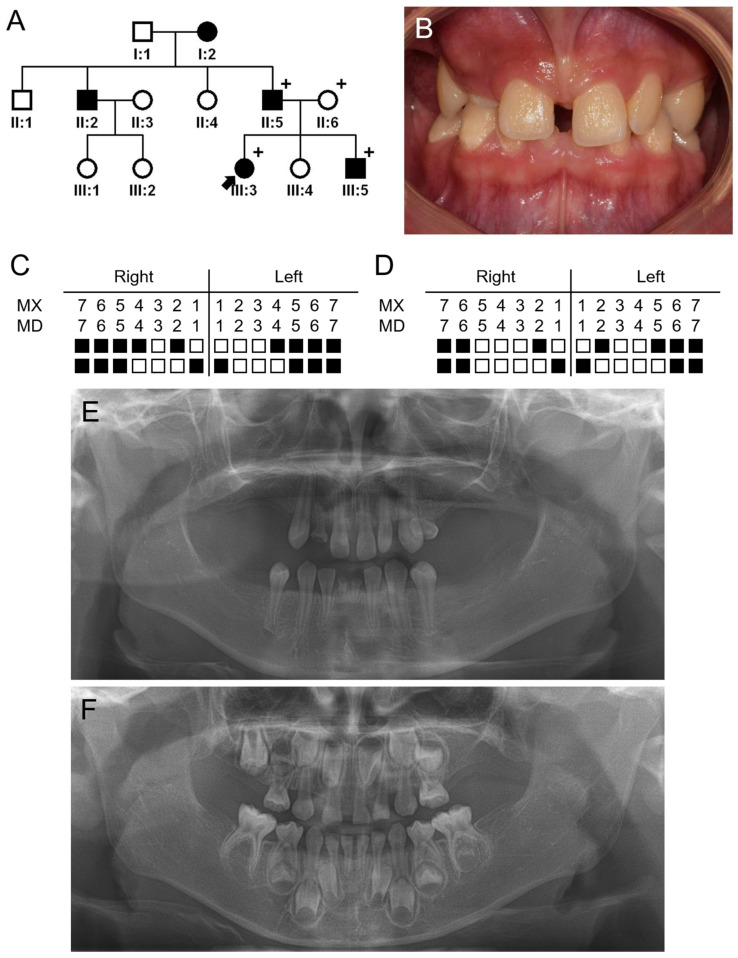 Figure 1
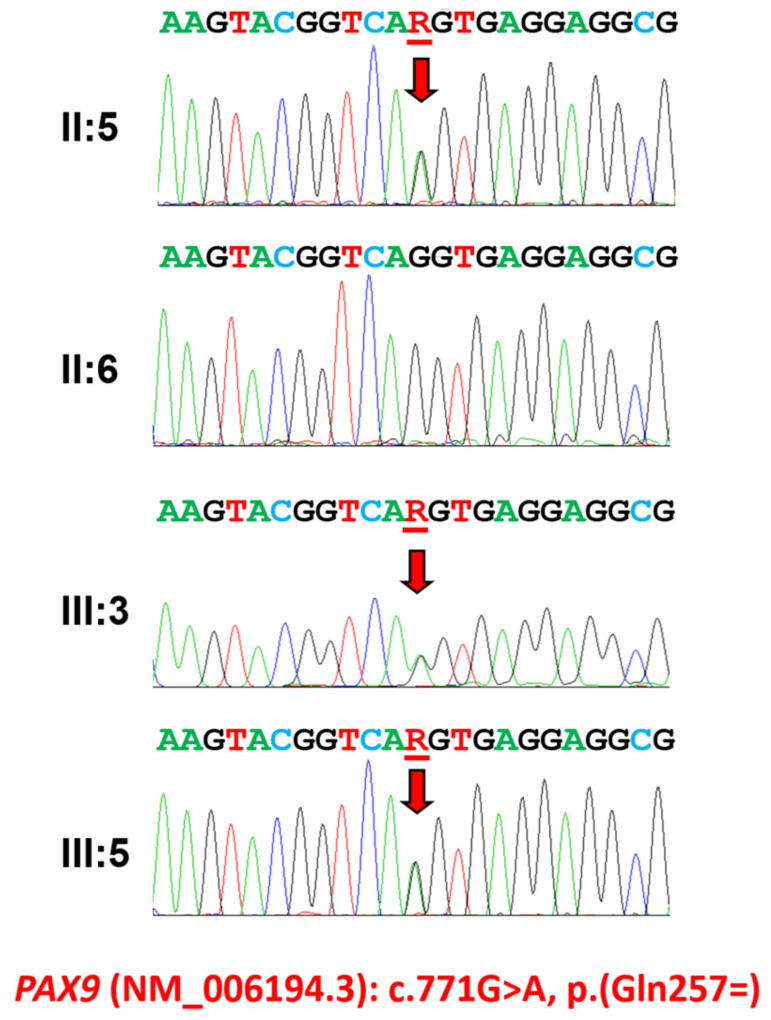 Figure 2
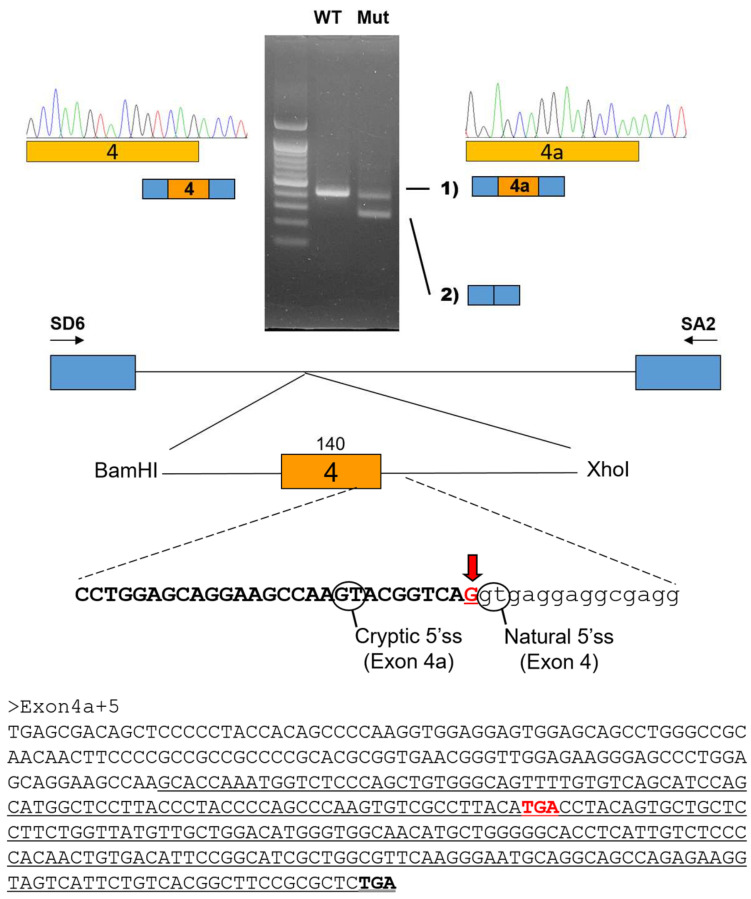 Figure 3
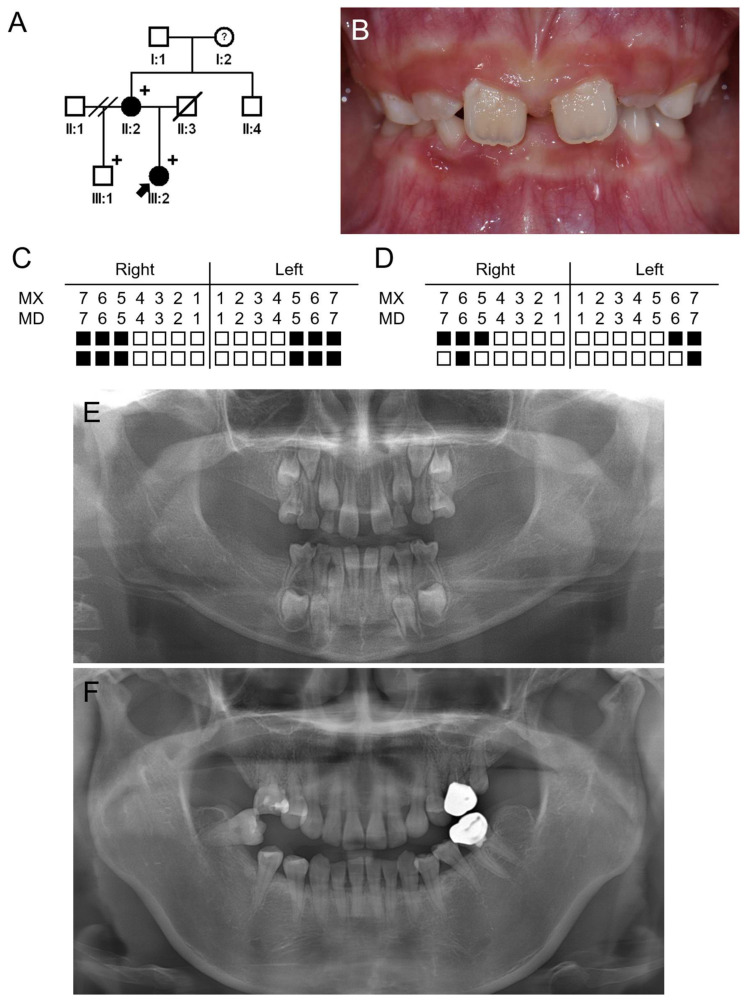 Figure 4
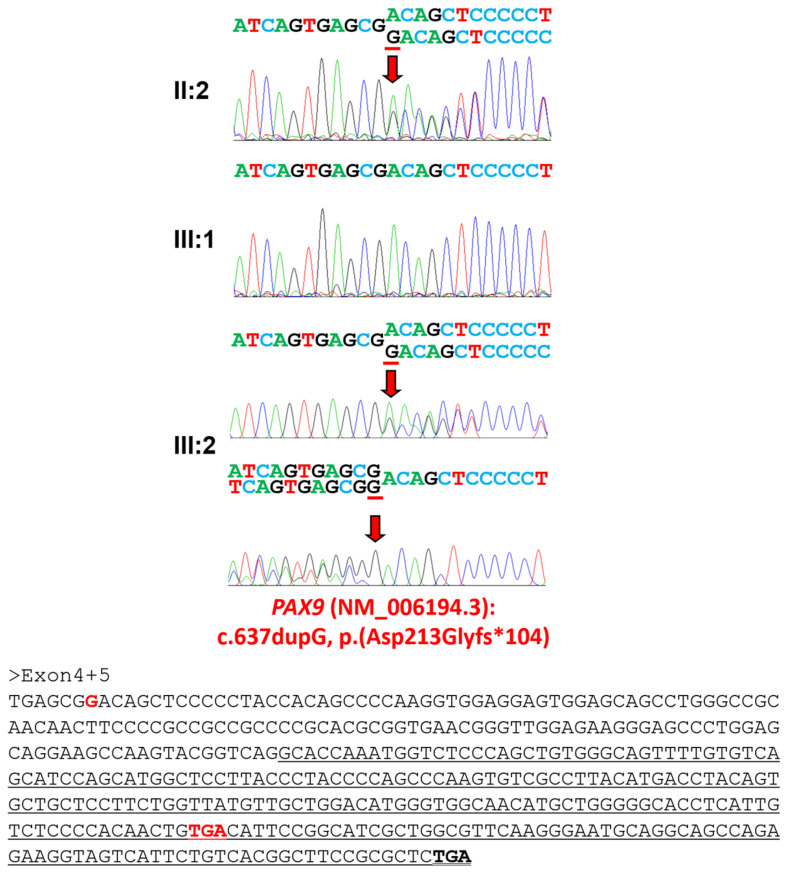 Figure 5
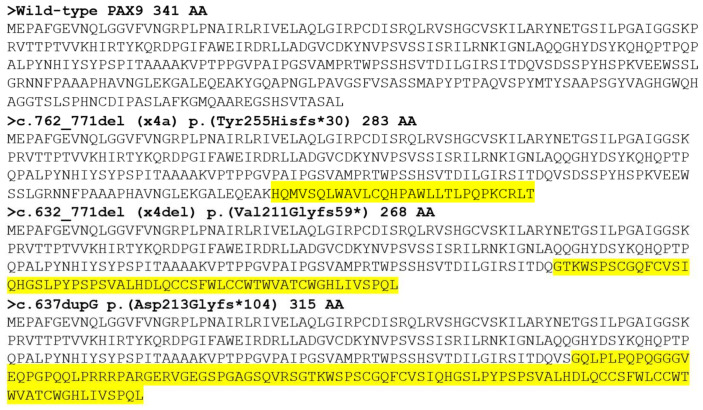 Figure 6
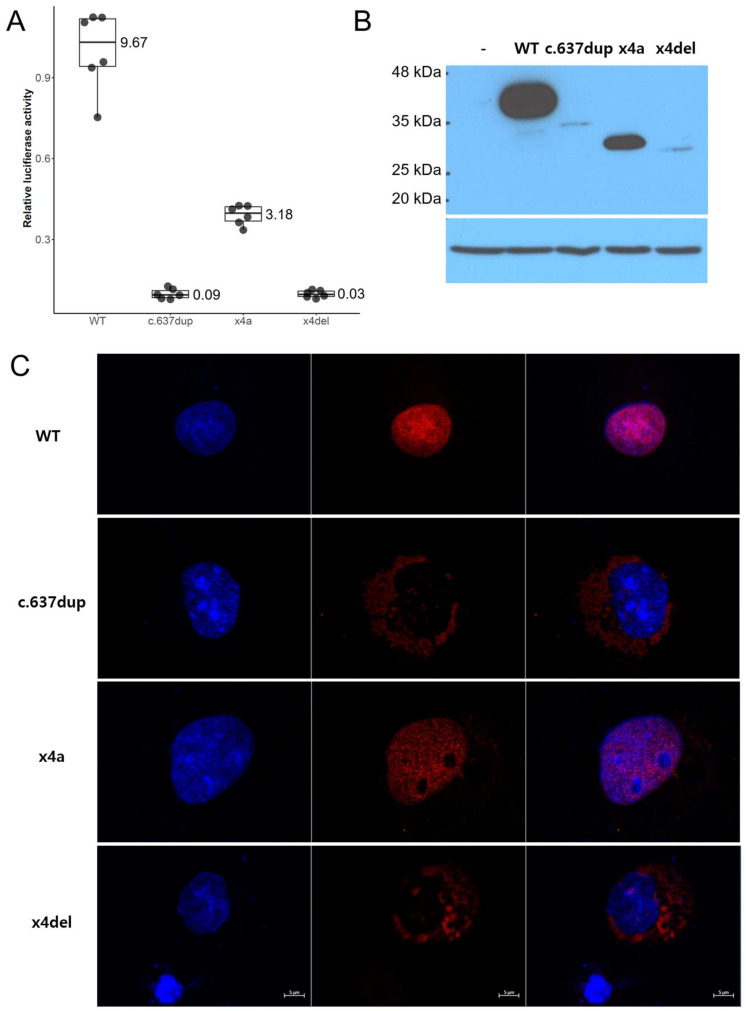 Figure 7
Peer Reviews
No public reviews on file for this paper yet. If you reviewed it on a platform where reviews are public (OpenReview, ICLR, NeurIPS, ICML), you can paste yours below so the community can read it here.
Videos
No videos yet. Explain this paper in a talk, walkthrough, or lecture? Add one.
Taxonomy
Topicsdental development and anomalies · Oral and Maxillofacial Pathology · Bone and Dental Protein Studies