Experimental Investigation of Current Intensity and Feed Speed in Electrically Assisted Necking and Thickening of 5A02 Aluminum Alloy Tubes
Yubin Fan, Xuefeng Xu, Ruichen Tao, Ming Luo, Xiaodong Li, Liming Wei, Shitian Wu, Jie Xiao, Xiang Zeng

TL;DR
This paper investigates how electric current and feed speed affect the necking and thickening of aluminum alloy tubes during manufacturing.
Contribution
The study provides specific process windows for optimal forming by analyzing the effects of current intensity and feed speed.
Findings
Higher current intensity increases temperature and reduces forming load during necking and thickening.
Lower feed speeds improve forming outcomes but increase overall forming load.
A thickening rate of 303.2% was achieved with an average wall thickness of 5.984 mm in the thickening zone.
Abstract
In order to further explore the forming limits of thin-wall tube necking and thickening, and obtain sufficient thickness of the tube in the thickening area, local electric pulse-assisted forming experiments were carried out to study the effects of current intensity and feed speed on the necking and thickening forming of thin-wall tube. The experimental results show that with the increase in current intensity, the temperature in the forming area of the tube increases, and the forming load for necking and thickening decreases. However, with the increase in feed speed, the overall forming load for necking and thickening increases in general, and the smaller feed speed is more conducive to forming. Taking into account the forming efficiency and electrode loss, the corresponding forming process window is obtained for the manufacturing of good parts. That is, during the necking stage, the…
Genes, proteins, chemicals, diseases, species, mutations and cell lines named across the full text — each resolved to its canonical identifier and authoritative record.
Click any figure to enlarge with its caption.
 Figure 1
 Figure 2
 Figure 3
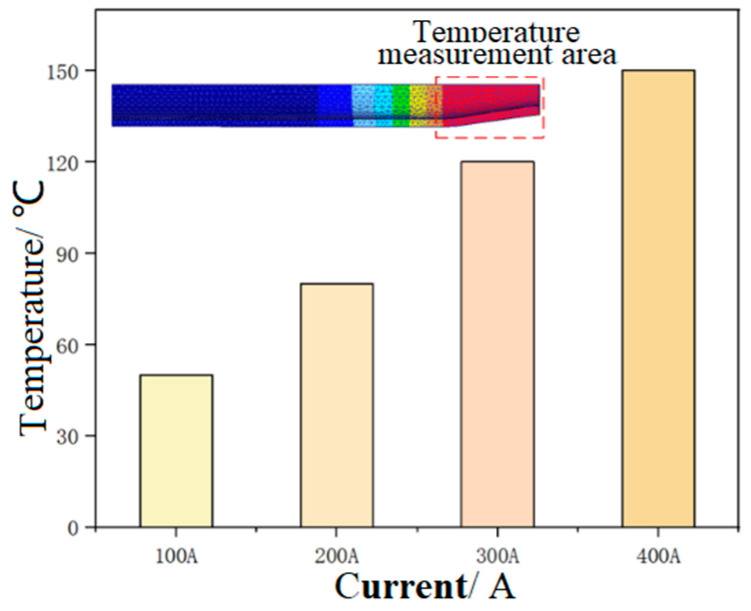 Figure 4
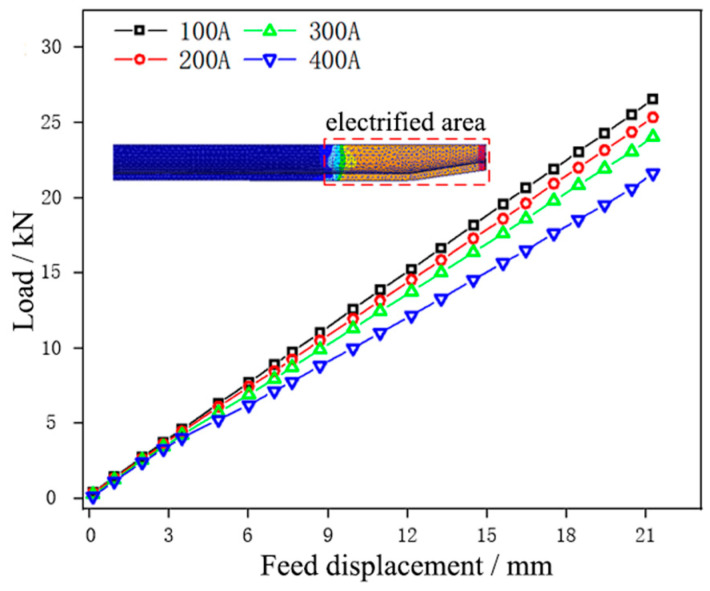 Figure 5
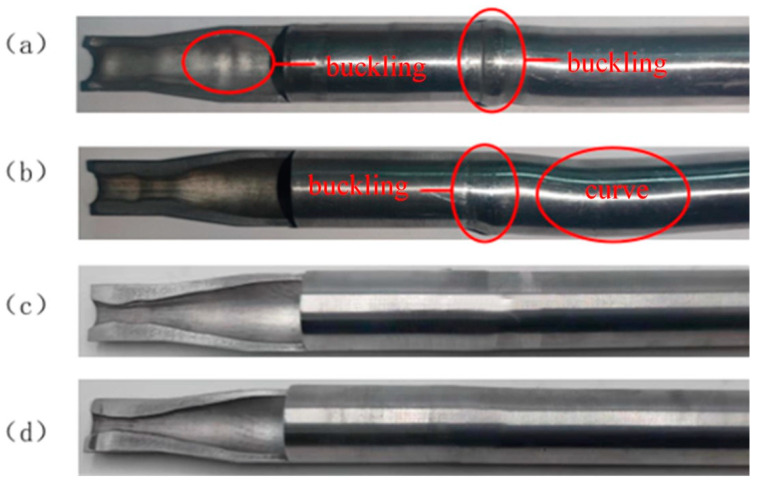 Figure 6
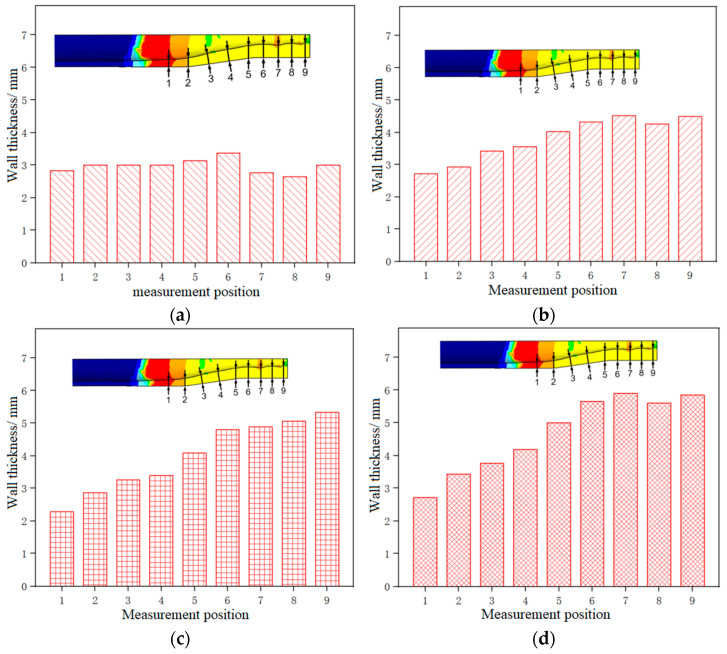 Figure 7
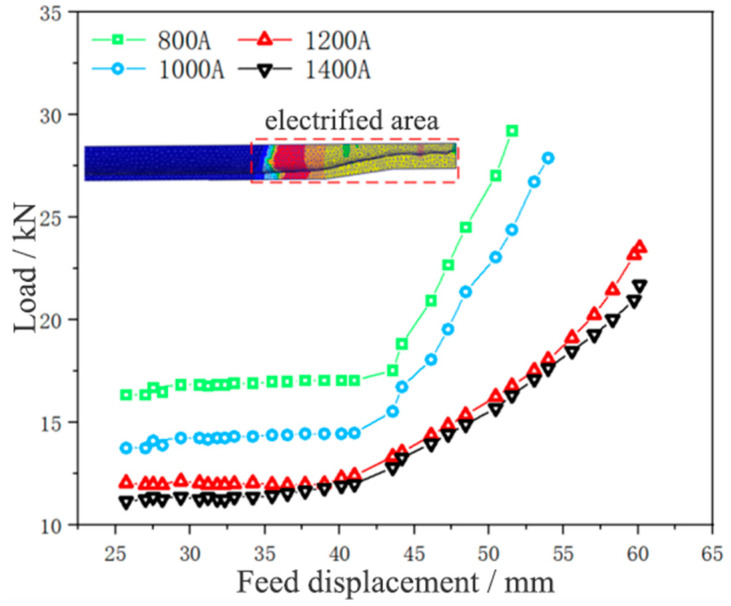 Figure 8
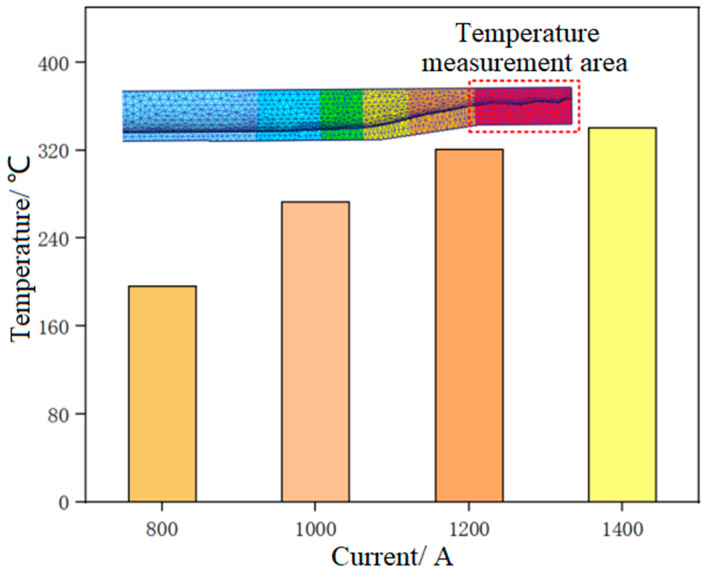 Figure 9
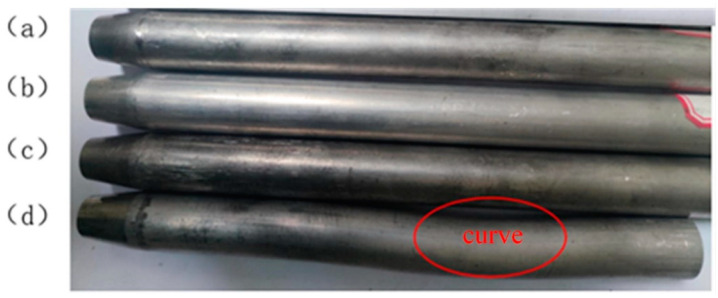 Figure 10
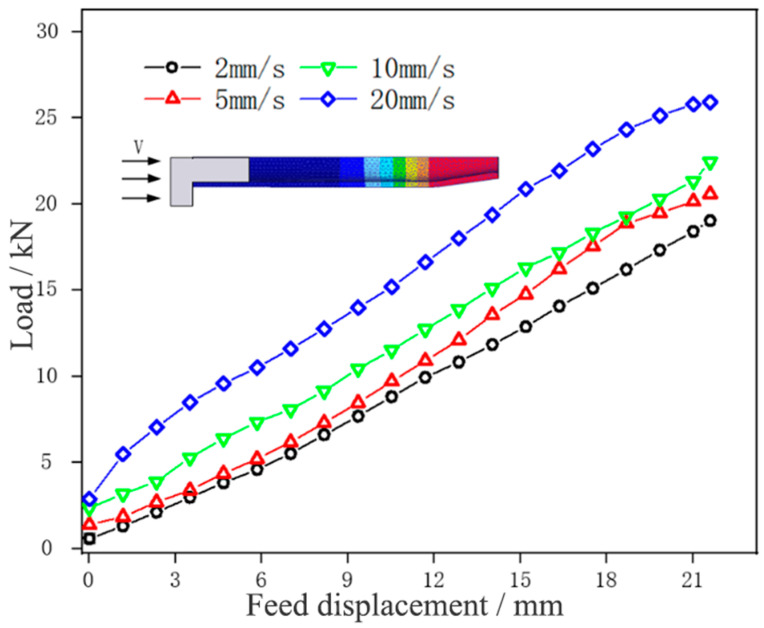 Figure 11
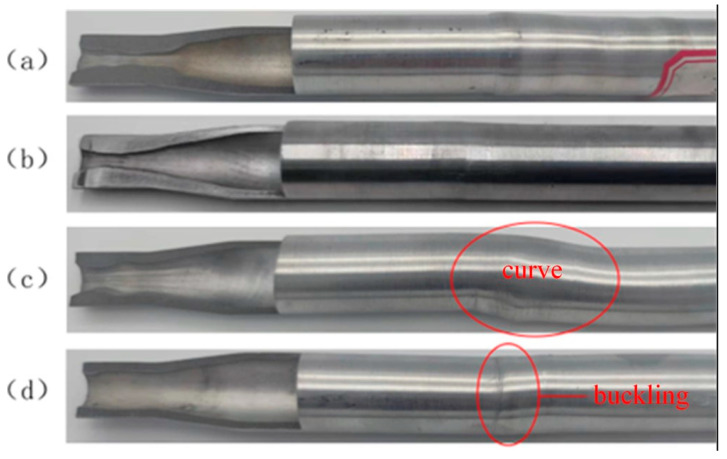 Figure 12
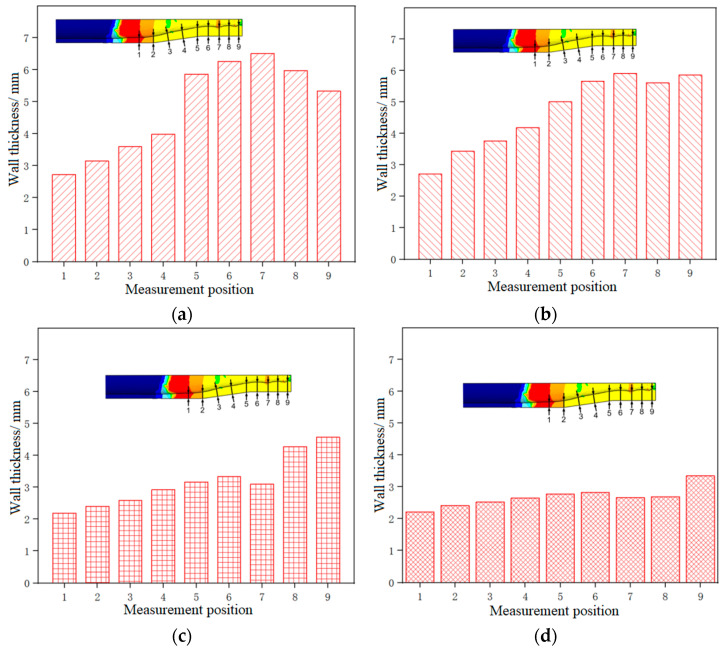 Figure 13
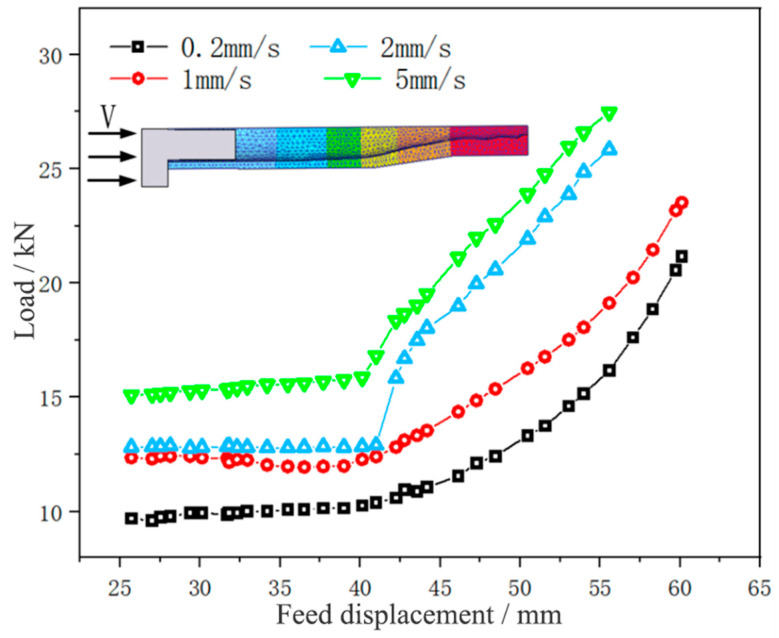 Figure 14
Peer Reviews
No public reviews on file for this paper yet. If you reviewed it on a platform where reviews are public (OpenReview, ICLR, NeurIPS, ICML), you can paste yours below so the community can read it here.
Videos
No videos yet. Explain this paper in a talk, walkthrough, or lecture? Add one.
Taxonomy
TopicsElectromagnetic Effects on Materials · Microstructure and mechanical properties