Cs+ Promoting the Diffusion of K+ and Inhibiting the Generation of Newberyite in Struvite-K Cements: Experiments and Molecular Dynamics Simulation Calculations
Difei Leng, Qiuyan Fu, Yunlu Ge, Chenhao He, Yang Lv, Xiangguo Li

TL;DR
This study shows how Cs+ improves the stability of struvite-K cements by reducing harmful byproducts and enhancing radioactive Cs+ immobilization.
Contribution
The discovery of Cs+ promoting K+ diffusion and forming a new Cs-containing crystal phase in struvite-K cements is novel.
Findings
Cs+ reduces newberyite and brucite formation by up to 60.81% in struvite-K cements.
Cs+ achieves immobilization rates over 99% for radioactive Cs+ in different Mg/P ratios.
A new crystal phase [CsPO3·H2O]4 was identified as a dominant Cs-containing phase.
Abstract
Struvite-K cements, also called magnesium potassium phosphate cements (MKPCs), are applicable for particular applications, especially the immobilization of radioactive Cs+ in the nuclear industry. This work focuses on how Cs+ affects the hydration mechanism of struvite-K cements because newberyite and brucite in the hydration products are deemed to be risky products that result in cracking. Experiments and molecular dynamics simulations showed that Cs+ promoted the diffusion of K+ to the surface of MgO, which greatly facilitates the formation of more K-struvite crystals, inhibiting the formation of newberyite and brucite. A total of 0.02 M Cs+ resulted in a 40.44%, 13.93%, 60.81%, and 32.18% reduction in the amount of newberyite and brucite, and the Cs immobilization rates were 99.07%, 99.84%, 99.87%, and 99.83% when the ratios of Mg/P were 1, 3, 5, and 7, respectively. This provides…
Genes, proteins, chemicals, diseases, species, mutations and cell lines named across the full text — each resolved to its canonical identifier and authoritative record.
Click any figure to enlarge with its caption.
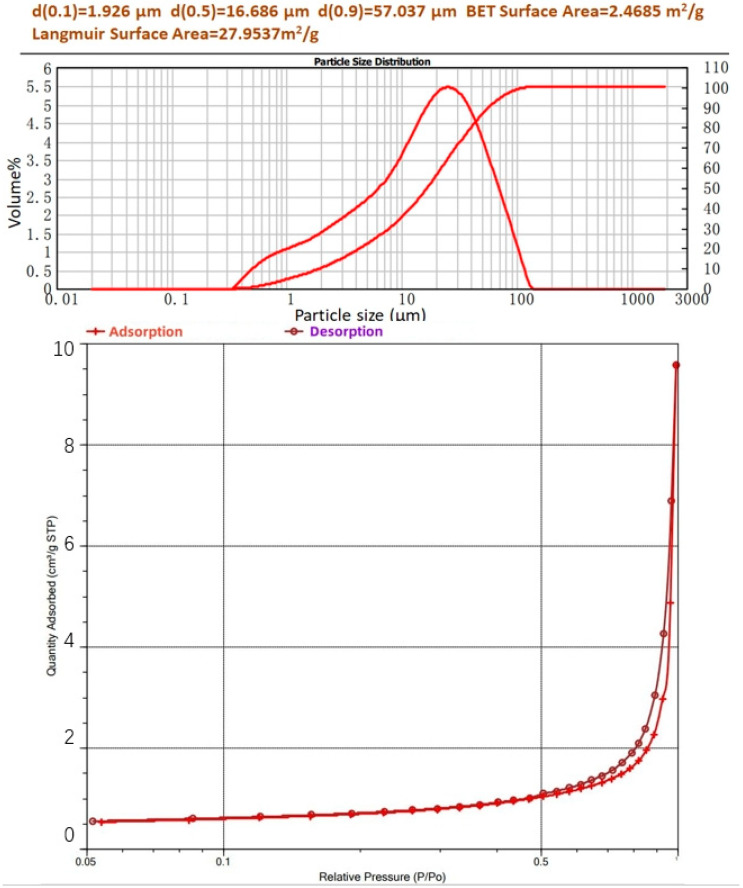 Figure 1
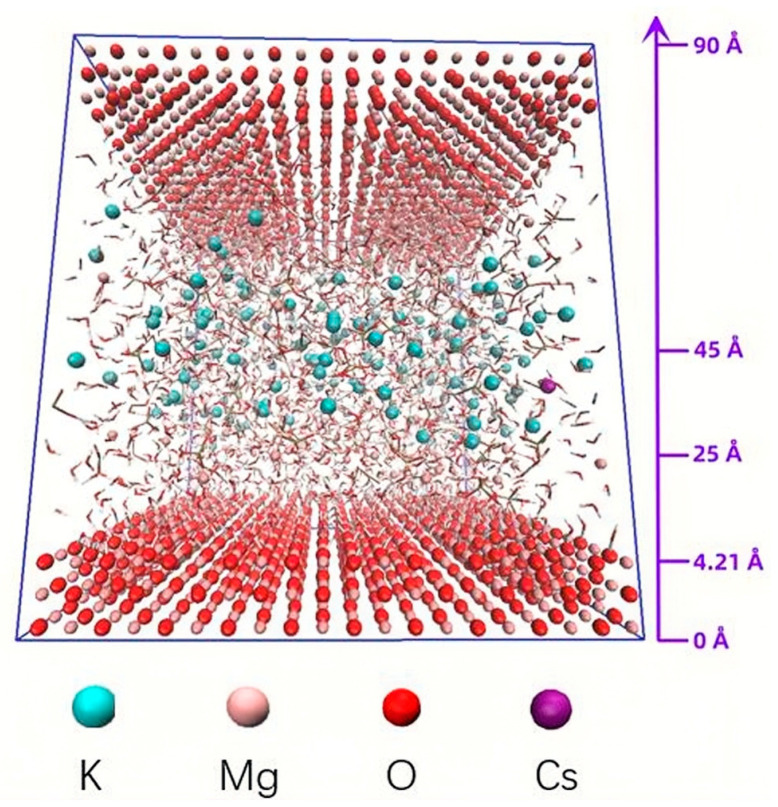 Figure 2
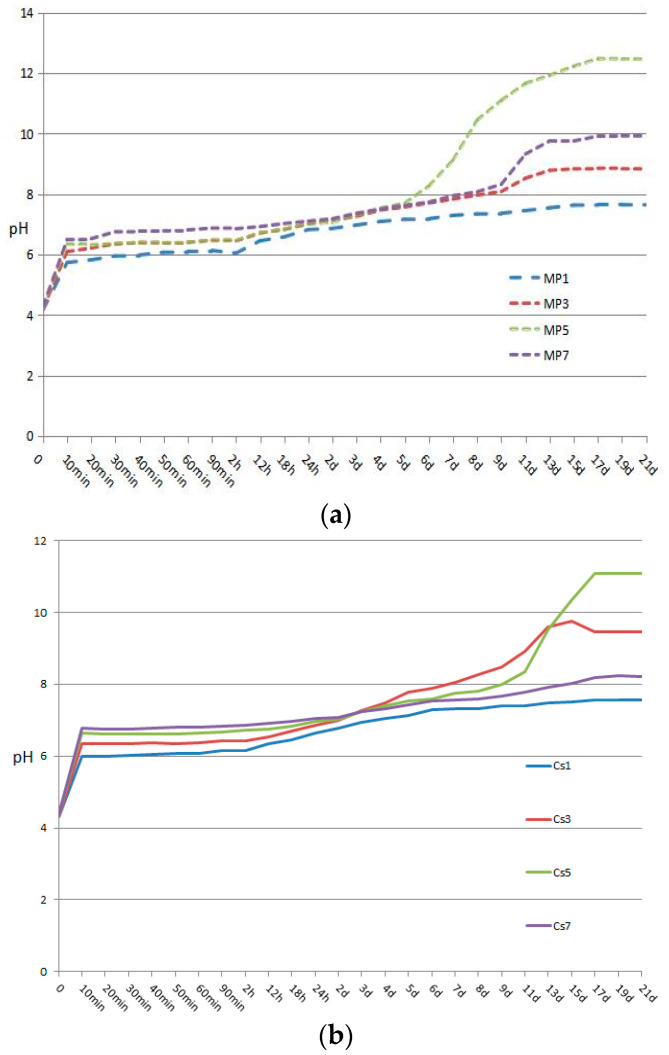 Figure 3
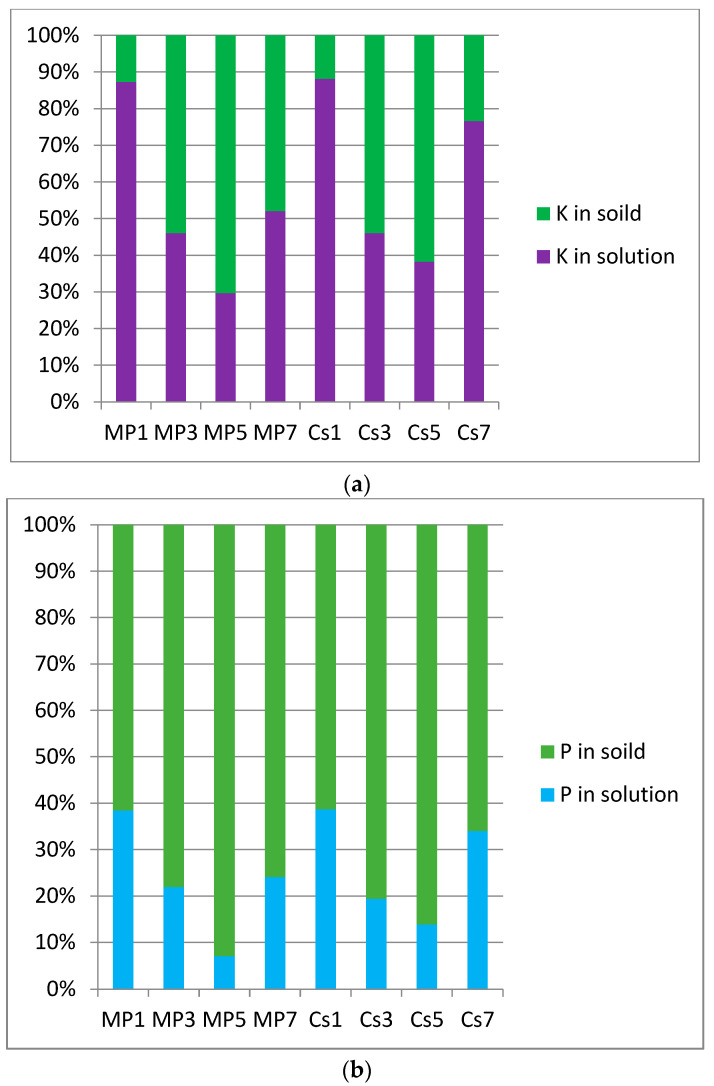 Figure 4
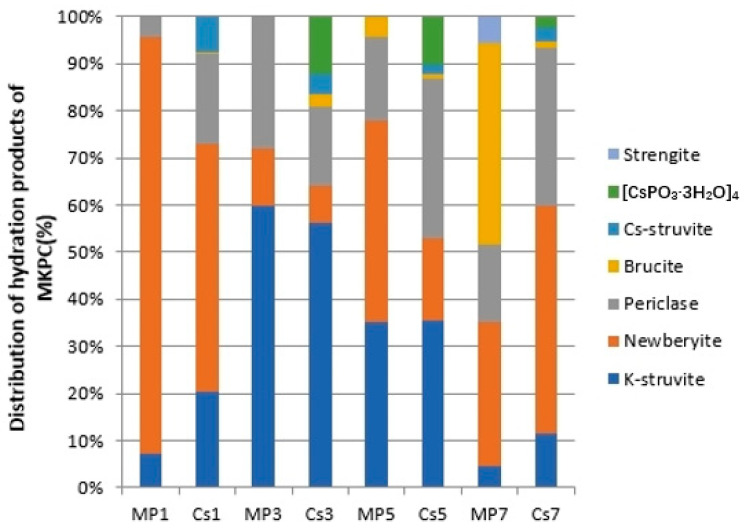 Figure 5
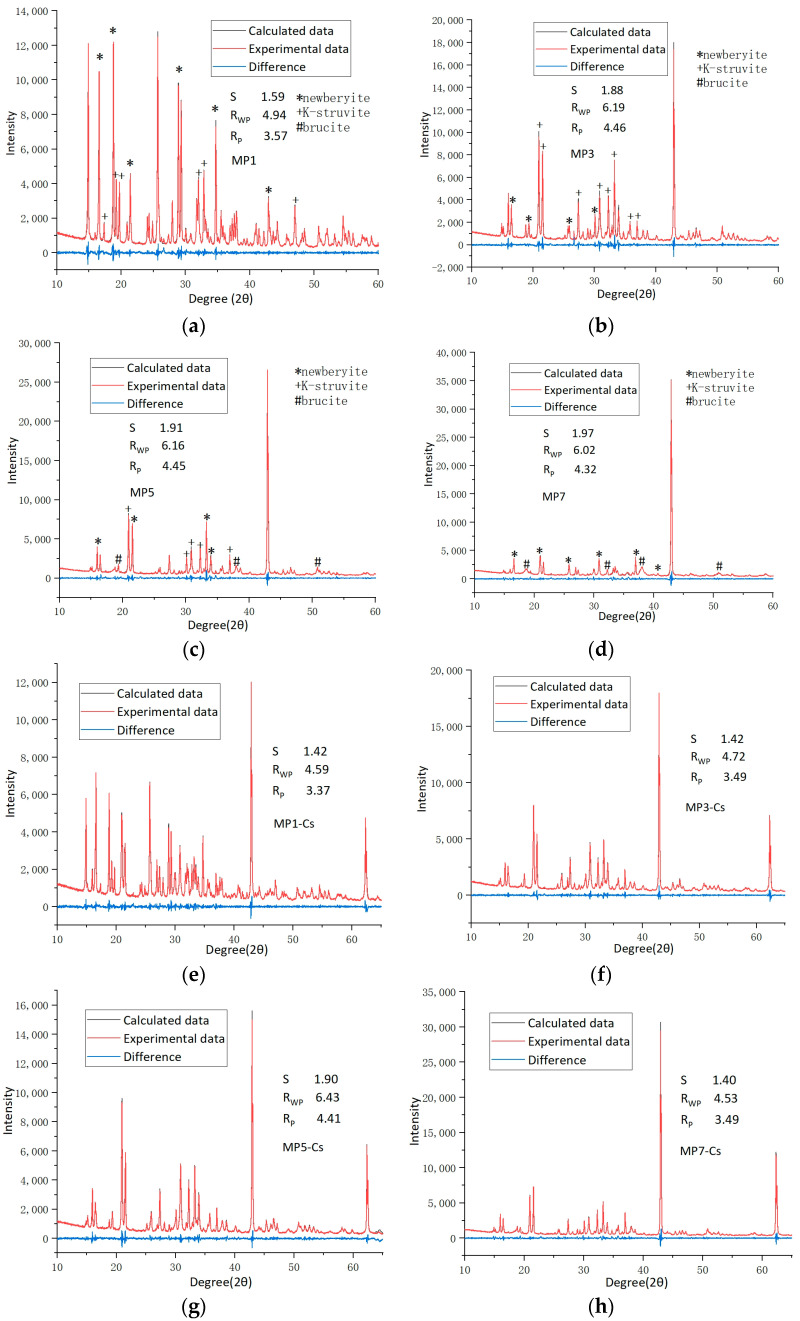 Figure 6
 Figure 7
 Figure 8
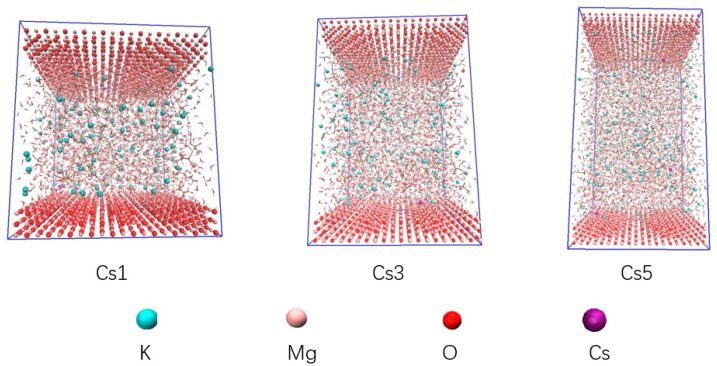 Figure 9
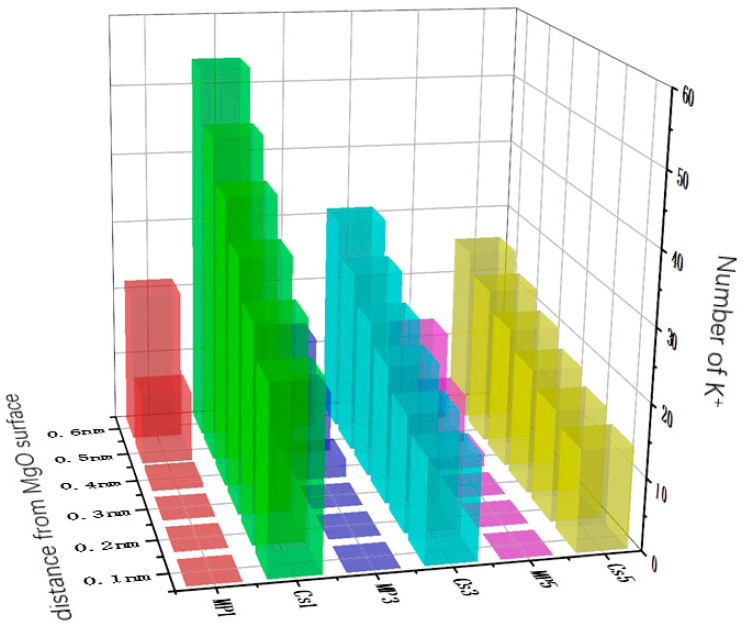 Figure 10
Peer Reviews
No public reviews on file for this paper yet. If you reviewed it on a platform where reviews are public (OpenReview, ICLR, NeurIPS, ICML), you can paste yours below so the community can read it here.
Videos
No videos yet. Explain this paper in a talk, walkthrough, or lecture? Add one.
Taxonomy
TopicsMagnesium Oxide Properties and Applications · Chemical Synthesis and Characterization · Layered Double Hydroxides Synthesis and Applications