An Examination of the Motives for Attributing and Interpreting Deception in People with Amnestic Mild Cognitive Impairment
Maria Tilkeridou, Despina Moraitou, Vasileios Papaliagkas, Nikoleta Frantzi, Evdokia Emmanouilidou, Magdalini Tsolaki

TL;DR
This study explores how people with memory issues interpret deception, finding they tend to avoid suspecting others even when something seems wrong.
Contribution
The study reveals that aMCI patients show reduced suspicion of deception, possibly due to cognitive or emotional factors.
Findings
aMCI patients did not interpret potential deception even when they sensed something was wrong.
They avoided seeking confirmative information about deception compared to young adults.
This behavior is linked to cognitive impairment or socioemotional selectivity.
Abstract
The aim of the present study was to examine how a person with amnestic mild cognitive impairment perceives the phenomenon of deception. Amnestic mild cognitive impairment (aMCI) usually represents the prodromal phase of Alzheimer’s disease (AD), with patients showing memory impairment but with normal activities of daily living. It was expected that aMCI patients would face difficulties in the attribution and interpretation of deceptive behavior due to deficits regarding their diagnosis. The main sample of the study consisted of 76 older adults who were patients of a daycare center diagnosed with aMCI. A sample of 55 highly educated young adults was also examined in the same experiment to qualitatively compare their performance with that of aMCI patients. Participants were assigned a scenario where a hypothetical partner (either a friend or a stranger) was engaged in a task in which the…
Genes, proteins, chemicals, diseases, species, mutations and cell lines named across the full text — each resolved to its canonical identifier and authoritative record.
Click any figure to enlarge with its caption.
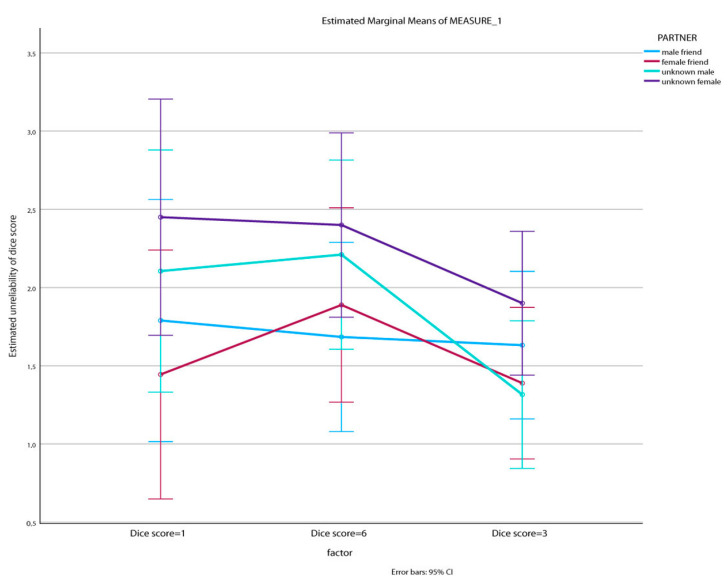 Figure 1
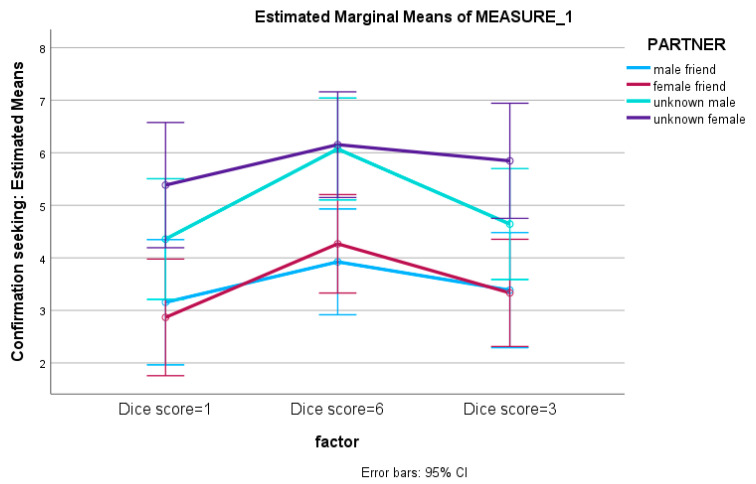 Figure 2
Peer Reviews
No public reviews on file for this paper yet. If you reviewed it on a platform where reviews are public (OpenReview, ICLR, NeurIPS, ICML), you can paste yours below so the community can read it here.
Videos
No videos yet. Explain this paper in a talk, walkthrough, or lecture? Add one.
Taxonomy
TopicsDeception detection and forensic psychology · Psychopathy, Forensic Psychiatry, Sexual Offending · Healthcare Decision-Making and Restraints