Reversibility of the Enlargement of the Pulmonary Artery in COVID-19 Pneumonia as a Marker of Remission of the Disease
Andreas M. Matthaiou, Nikoleta Bizymi, Konstantinos Pagonidis, Eirini Manousaki, Michail Fragkoulakis, Irini Lambiri, Ioanna Mitrouska, Eirini Vasarmidi, Nikolaos Tzanakis, Katerina M. Antoniou

TL;DR
This study shows that enlargement of the pulmonary artery in COVID-19 pneumonia can reverse after recovery, suggesting it may be a marker of disease remission.
Contribution
The study demonstrates that pulmonary artery enlargement in COVID-19 is reversible after disease remission, a novel finding for monitoring disease activity.
Findings
Pulmonary artery diameter significantly decreased after recovery from COVID-19 pneumonia.
The enlargement of the pulmonary artery is a reversible cardiovascular event linked to disease activity.
Further decline in diameter was observed in patients with multiple post-COVID-19 CT scans.
Abstract
Coronavirus disease 2019 (COVID-19) pneumonia is associated with extensive pulmonary microangiopathy and the enlargement of the pulmonary artery (PA), while its progression after the remission of the disease has not been investigated yet. The aim was to assess the diametral increase in the PA in COVID-19 pneumonia, as revealed on chest computed tomography (CT), and further investigate its progression. This was a retrospective cohort study of patients with COVID-19 pneumonia, without prior history of pulmonary hypertension, who underwent CT pulmonary angiography before, during, and after the infection. Pulmonary embolism was excluded in all cases. The main PA diameter (MPAD) was assessed in consecutive chest imaging. Statistical analysis was performed with the non-parametric Wilcoxon and Kruskal–Wallis tests, while correlations were performed with the non-parametric Spearman test. A mean…
Genes, proteins, chemicals, diseases, species, mutations and cell lines named across the full text — each resolved to its canonical identifier and authoritative record.
Click any figure to enlarge with its caption.
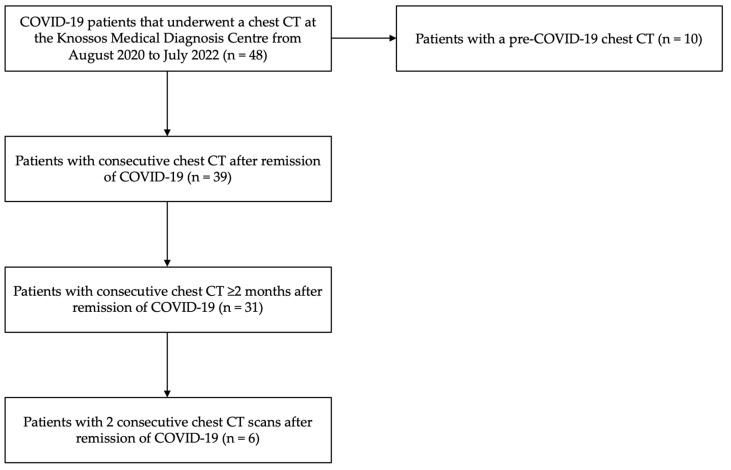 Figure 1
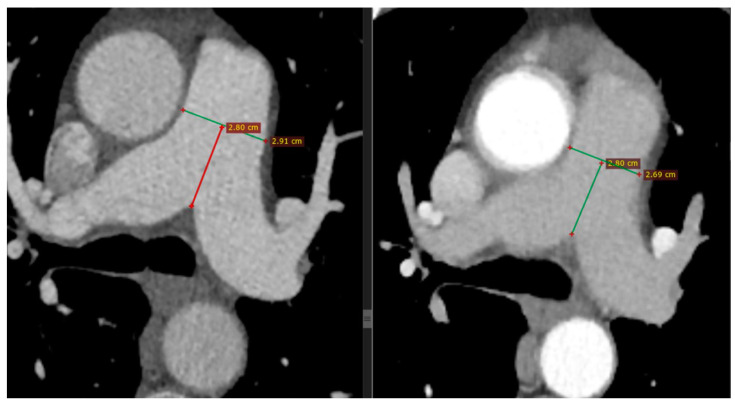 Figure 2
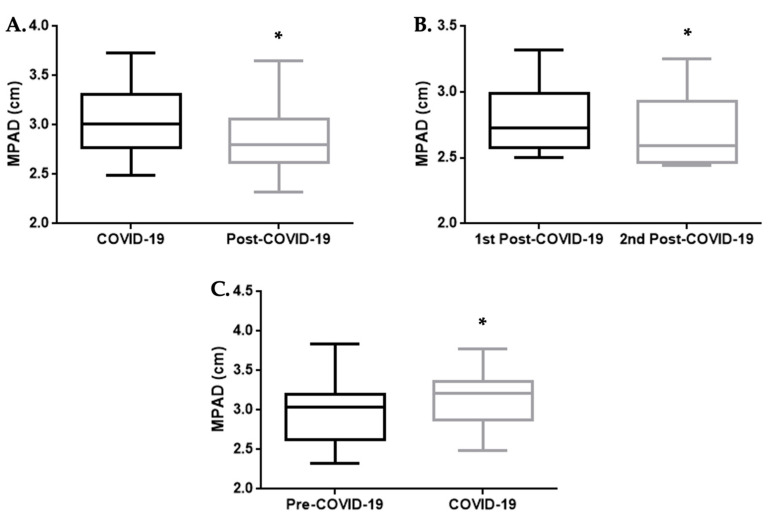 Figure 3
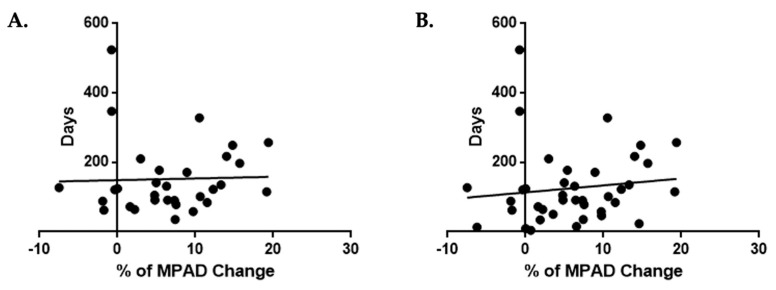 Figure 4
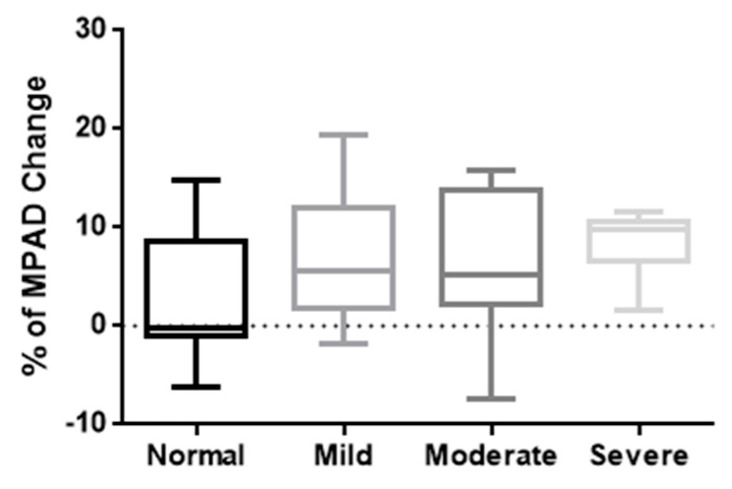 Figure 5
Peer Reviews
No public reviews on file for this paper yet. If you reviewed it on a platform where reviews are public (OpenReview, ICLR, NeurIPS, ICML), you can paste yours below so the community can read it here.
Videos
No videos yet. Explain this paper in a talk, walkthrough, or lecture? Add one.
Taxonomy
TopicsCOVID-19 Clinical Research Studies · Long-Term Effects of COVID-19 · Venous Thromboembolism Diagnosis and Management