Machine Learning Predicts Cerebral Vasospasm in Subarachnoid Hemorrhage Patients
David Zarrin, Abhinav Suri, Karen McCarthy, Bilwaj Gaonkar, Bayard Wilson, Geoffrey Colby, Robert Freundlich, Luke Macyszyn, Eilon Gabel

TL;DR
Machine learning models accurately predict cerebral vasospasm in subarachnoid hemorrhage patients up to a week in advance, helping improve ICU care and resource use.
Contribution
The study introduces a novel machine learning model for early prediction of verapamil-requiring cerebral vasospasm in SAH patients using multi-center data.
Findings
Machine learning models achieved an AUC of 0.88 in predicting verapamil-requiring cerebral vasospasm up to a week in advance.
The models successfully ruled out 8% of non-verapamil patients with zero false negatives.
External validation confirmed similar performance at a separate institution.
Abstract
Cerebral vasospasm (CV) is a feared complication occurring in 20–40% of patients following subarachnoid hemorrhage (SAH) and is known to contribute to delayed cerebral ischemia. It is standard practice to admit SAH patients to intensive care for an extended period of vigilant, resource-intensive, clinical monitoring. We used machine learning to predict CV requiring verapamil (CVRV) in the largest and only multi-center study to date. SAH patients admitted to UCLA from 2013–2022 and a validation cohort from VUMC from 2018–2023 were included. For each patient, 172 unique intensive care unit (ICU) variables were extracted through the primary endpoint, namely first verapamil administration or ICU downgrade. At each institution, a light gradient boosting machine (LightGBM) was trained using five- fold cross validation to predict the primary endpoint at various timepoints during hospital…
Genes, proteins, chemicals, diseases, species, mutations and cell lines named across the full text — each resolved to its canonical identifier and authoritative record.
Click any figure to enlarge with its caption.
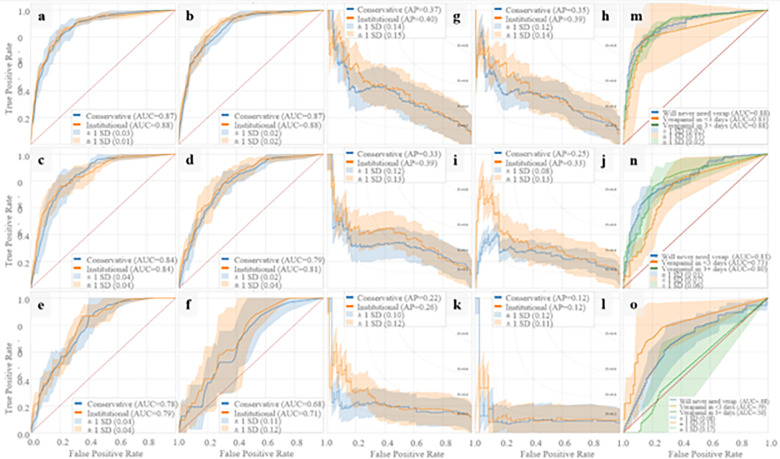 Figure 1
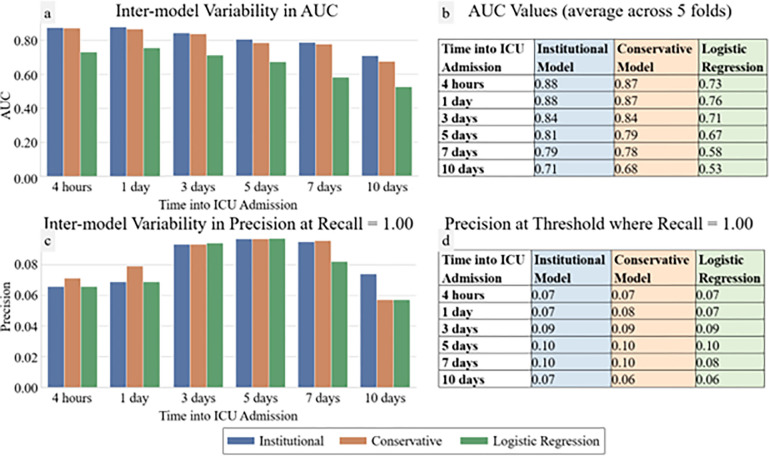 Figure 2
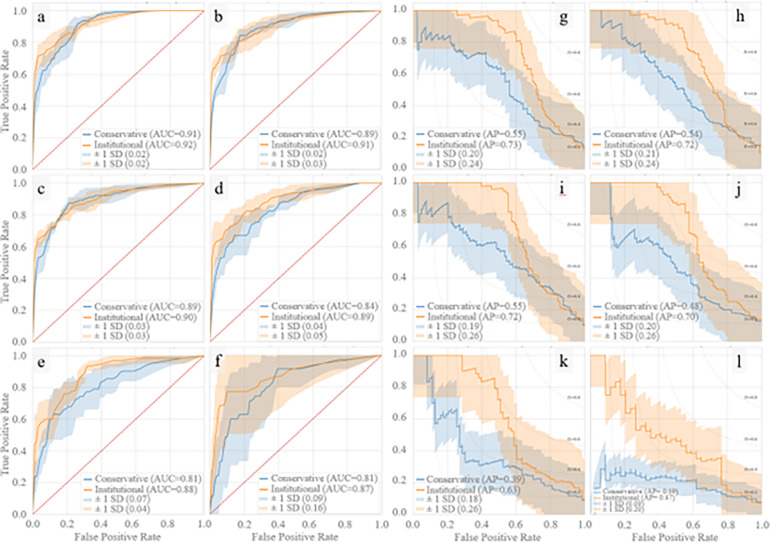 Figure 3
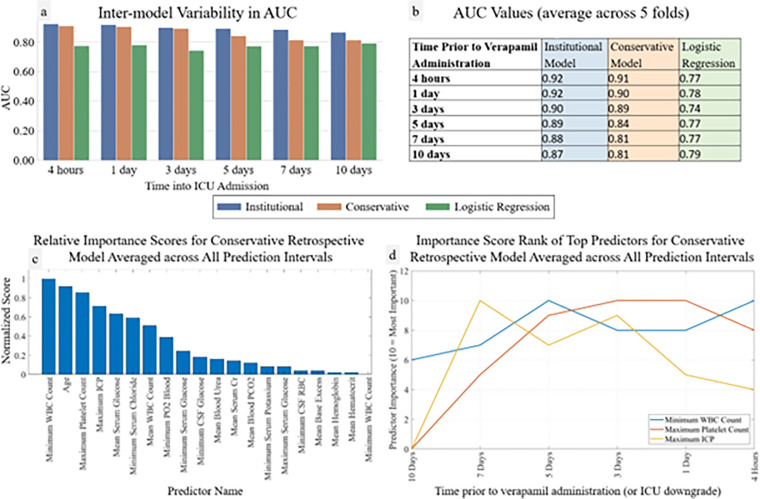 Figure 4
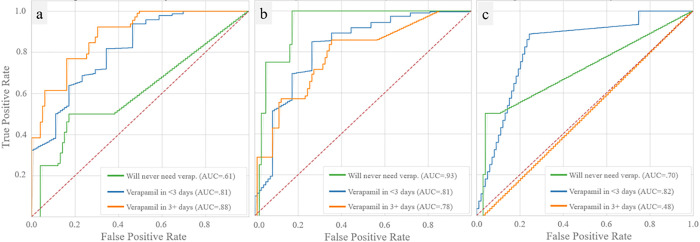 Figure 5
Peer Reviews
No public reviews on file for this paper yet. If you reviewed it on a platform where reviews are public (OpenReview, ICLR, NeurIPS, ICML), you can paste yours below so the community can read it here.
Videos
No videos yet. Explain this paper in a talk, walkthrough, or lecture? Add one.
Taxonomy
TopicsIntracranial Aneurysms: Treatment and Complications · Acute Ischemic Stroke Management · Cerebrovascular and Carotid Artery Diseases