In vivo affinity maturation of the HIV-1 Env-binding domain of CD4
Andi Pan, Charles C. Bailey, Tianling Ou, Jinge Xu, Xin Liu, Baodan Hu, Gogce Crynen, Nickolas Skamangas, Naomi Bronkema, Mai Tran, Huihui Mu, Xia Zhang, Yiming Yin, Michael D. Alpert, Wenhui He, Michael Farzan

TL;DR
Scientists improved a human protein used to fight HIV by letting mice B-cells naturally enhance its effectiveness in the body.
Contribution
A novel in vivo method for affinity maturation of non-antibody protein biologics is demonstrated.
Findings
Engineered murine B cells successfully affinity matured the CD4-Ig-v0 protein in vivo.
Somatic hypermutations increased CD4-Ig-v0's binding affinity and neutralization potency tenfold.
Pharmacokinetic properties of CD4-Ig-v0 remained unaffected after in vivo maturation.
Abstract
Many human proteins have been repurposed as biologics for clinical use. These proteins have been engineered with in vitro techniques that improve affinity for their ligands. However, these approaches do not select against properties that impair efficacy such as protease sensitivity or self-reactivity. Here we engineer the B-cell receptor of primary murine B cells to express a human protein biologic without disrupting their ability to affinity mature. Specifically, CD4 domains 1 and 2 (D1D2) of a half-life enhanced-HIV-1 entry inhibitor CD4-Ig (CD4-Ig-v0) were introduced into the heavy-chain loci of murine B cells, which were then adoptively transferred to wild-type mice. After immunization, transferred B cells proliferated, class switched, affinity matured, and efficiently produced D1D2-presenting antibodies. Somatic hypermutations found in the D1D2-encoding region of engrafted B cells…
Genes, proteins, chemicals, diseases, species, mutations and cell lines named across the full text — each resolved to its canonical identifier and authoritative record.
Click any figure to enlarge with its caption.
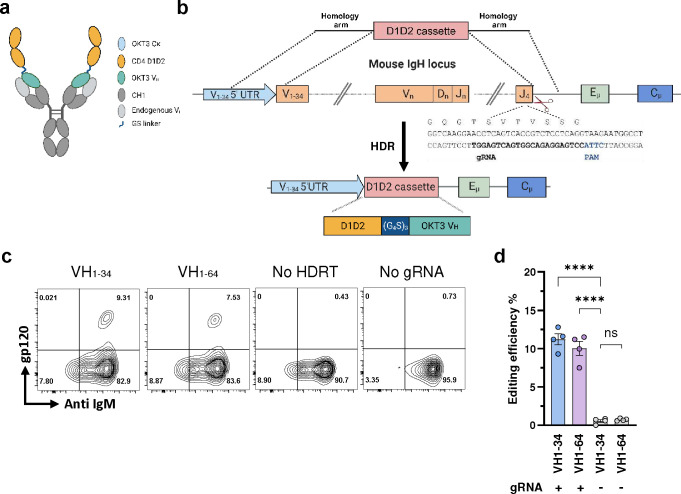 Figure 1
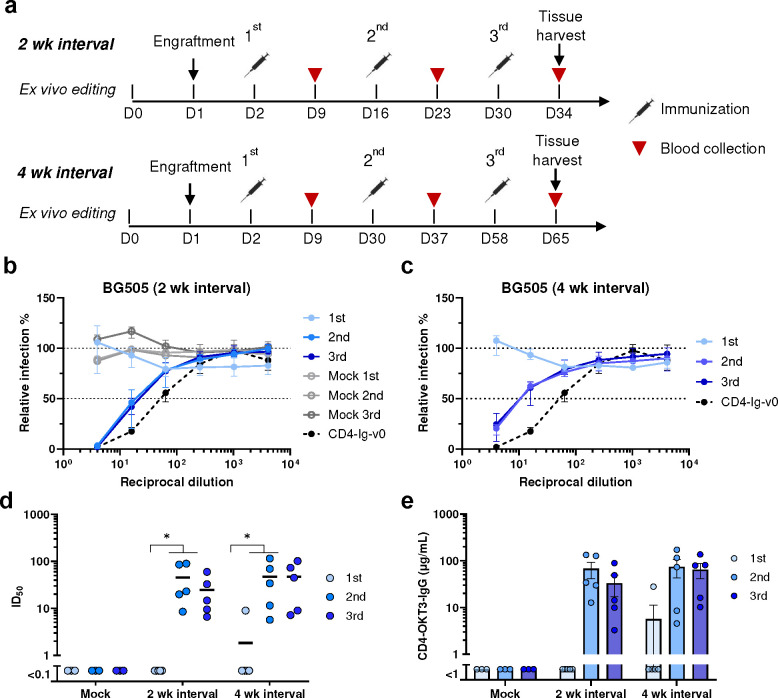 Figure 2
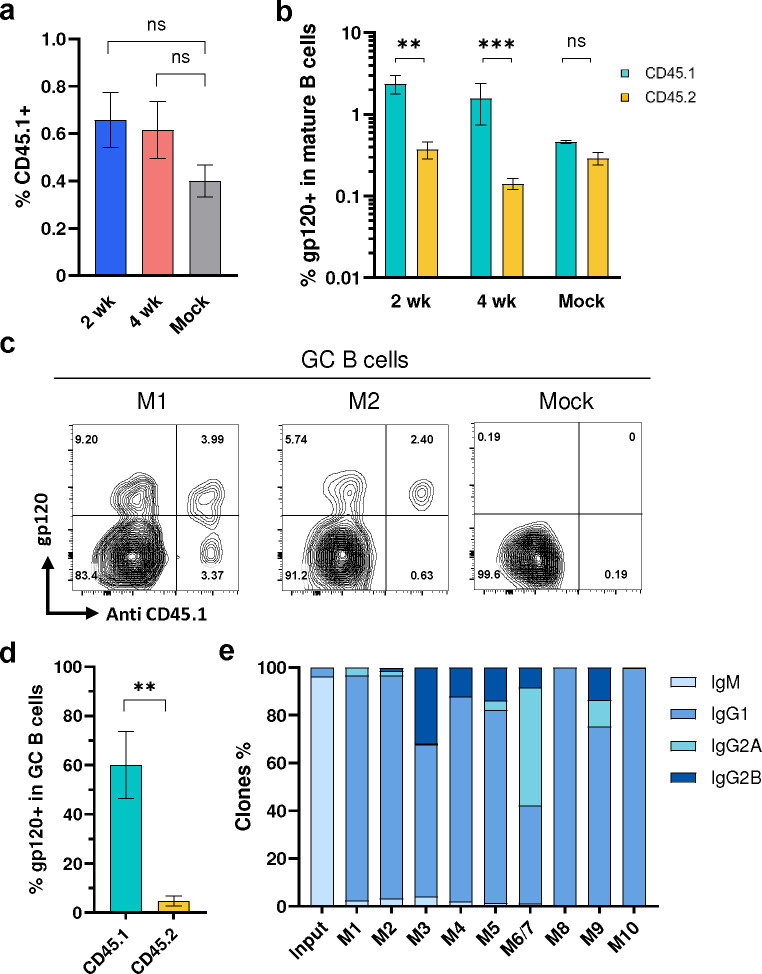 Figure 3
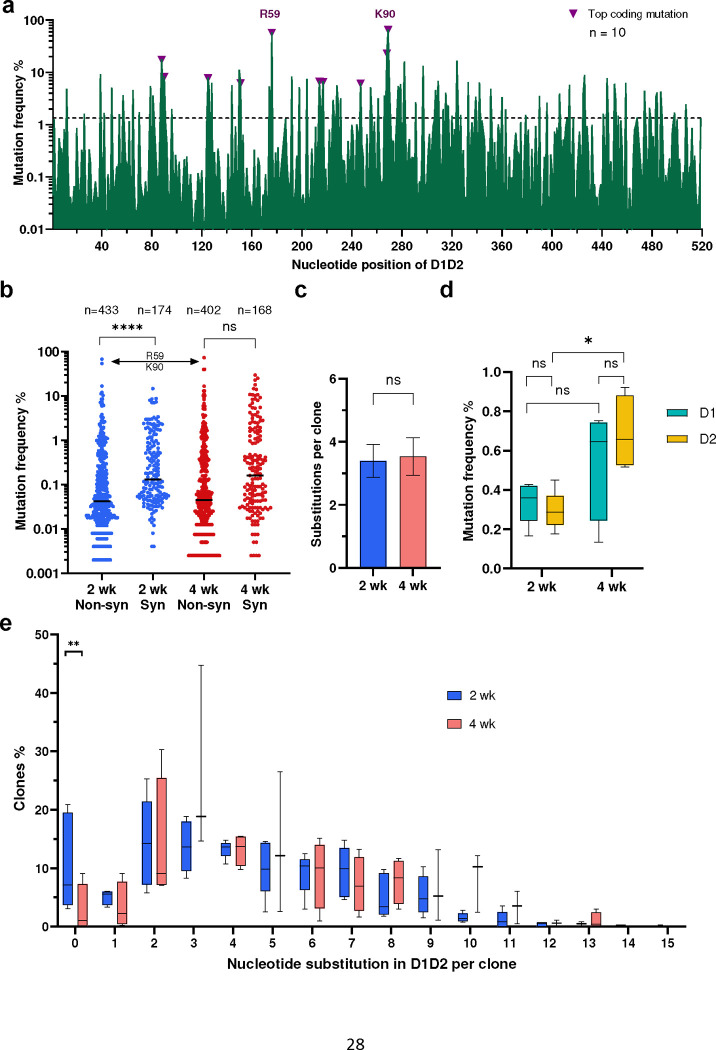 Figure 4
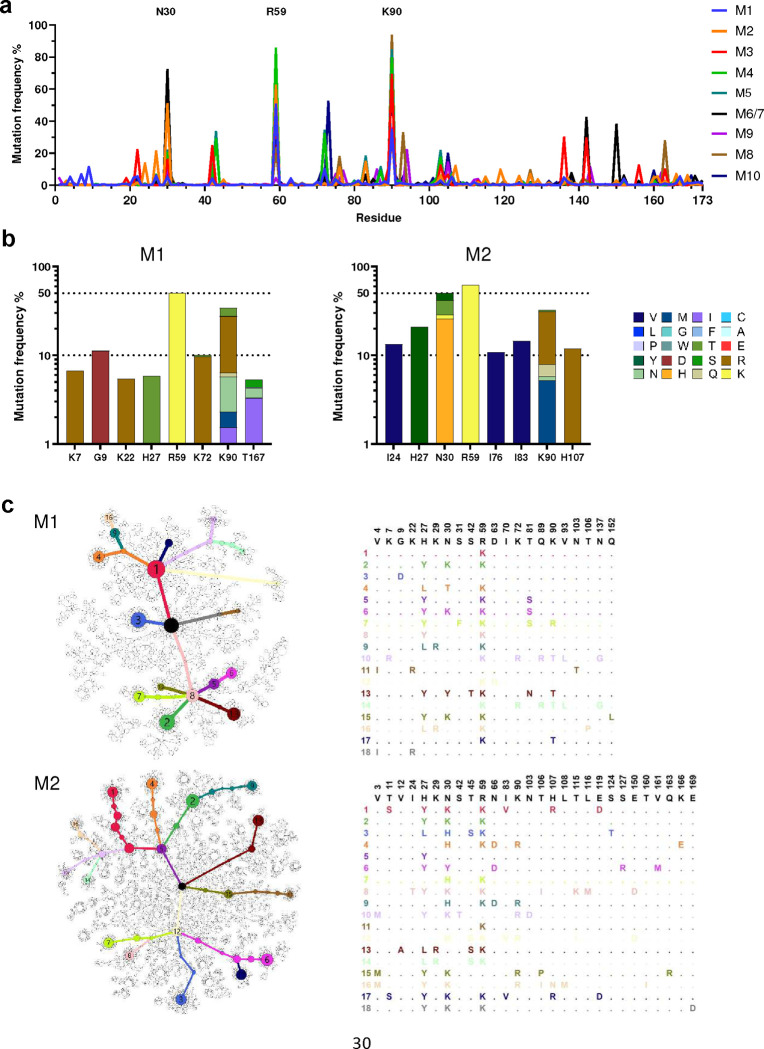 Figure 5
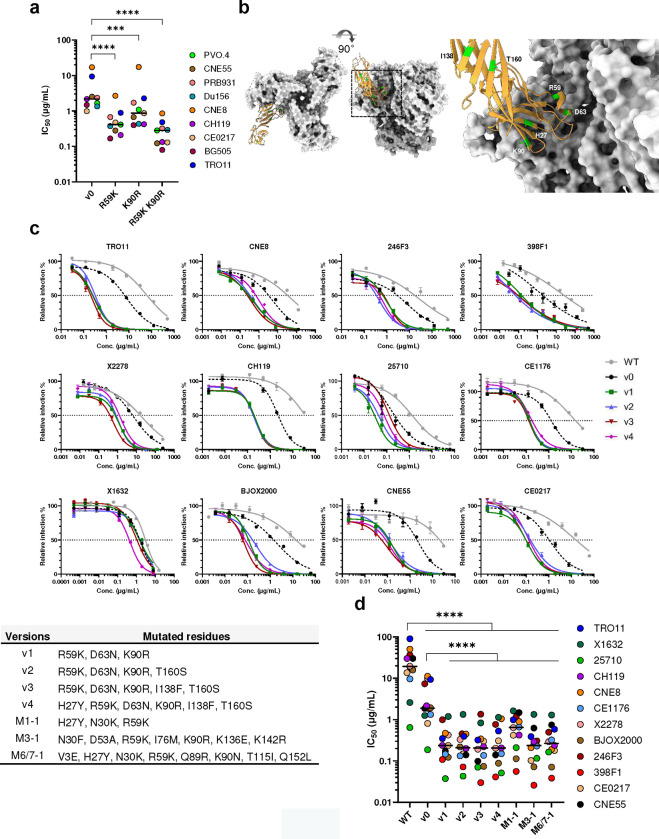 Figure 6
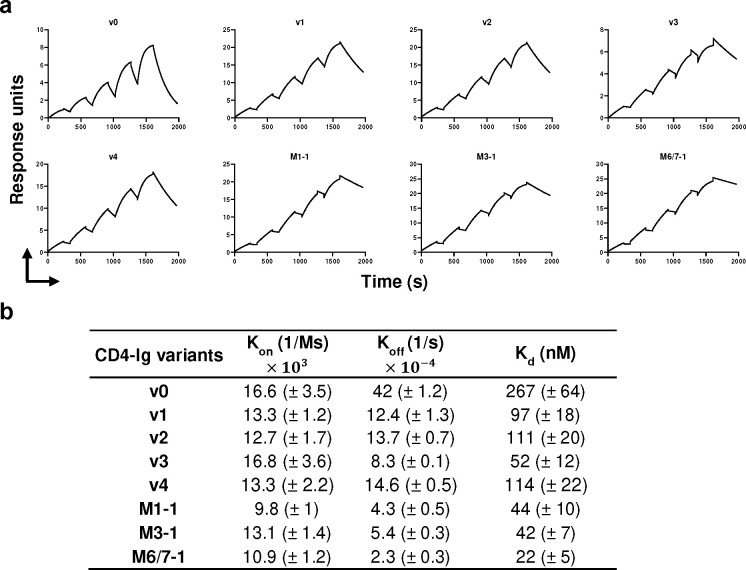 Figure 7
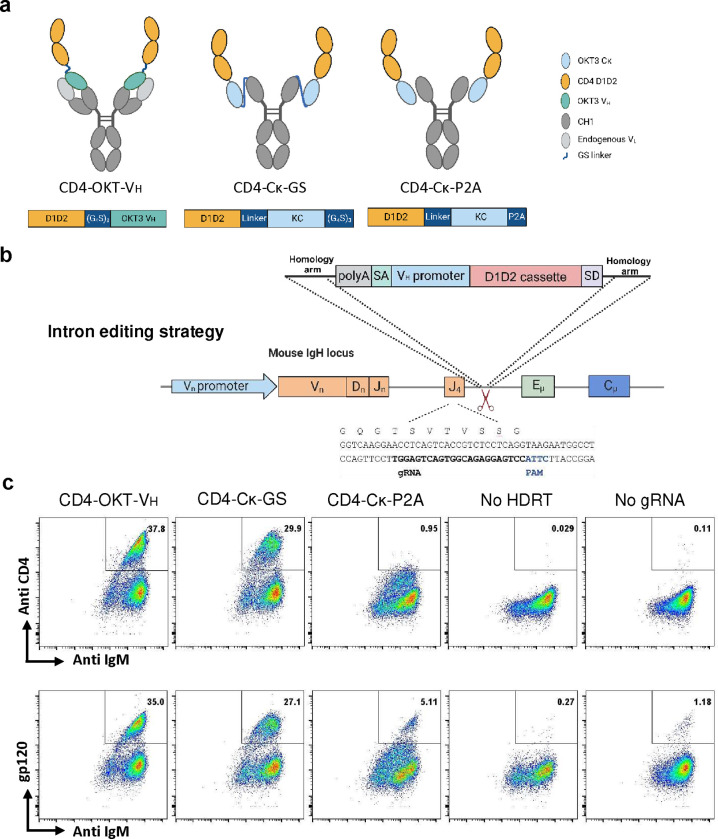 Figure 8
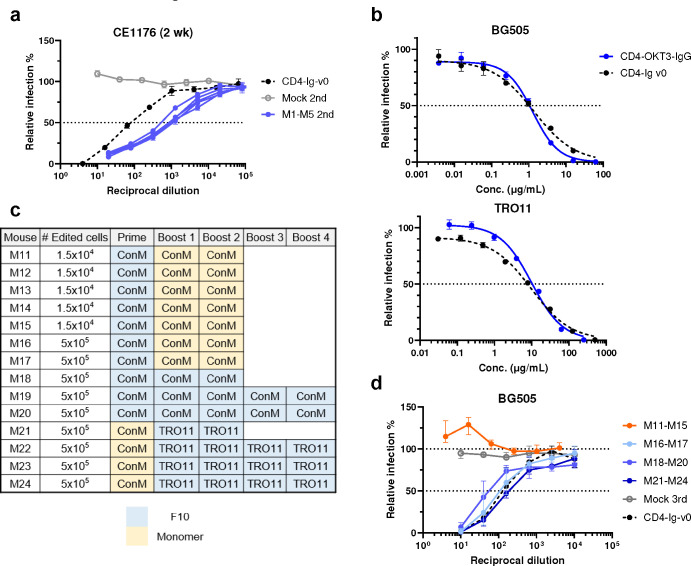 Figure 9
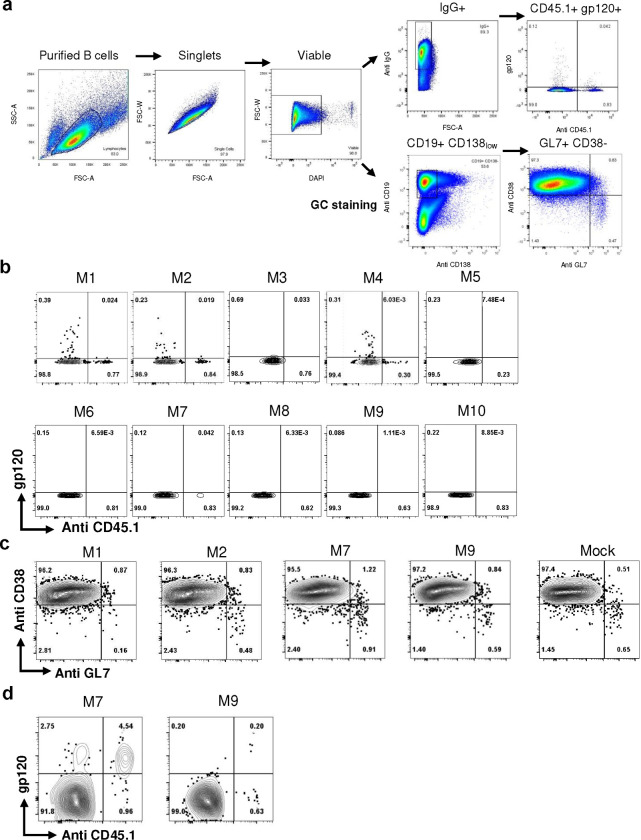 Figure 10
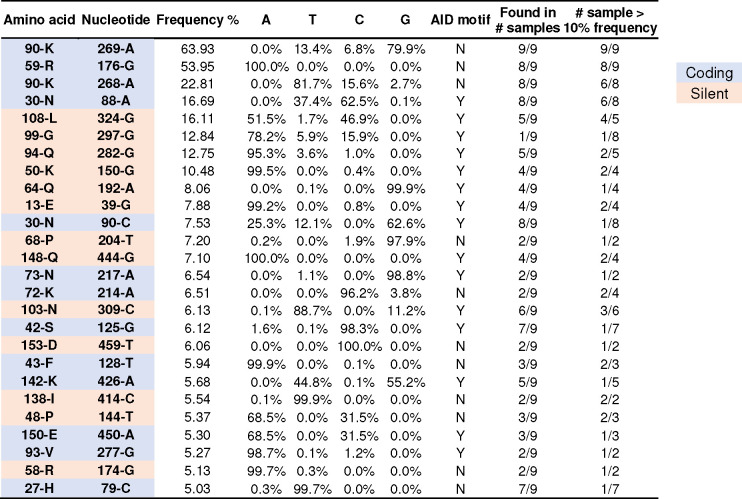 Figure 11
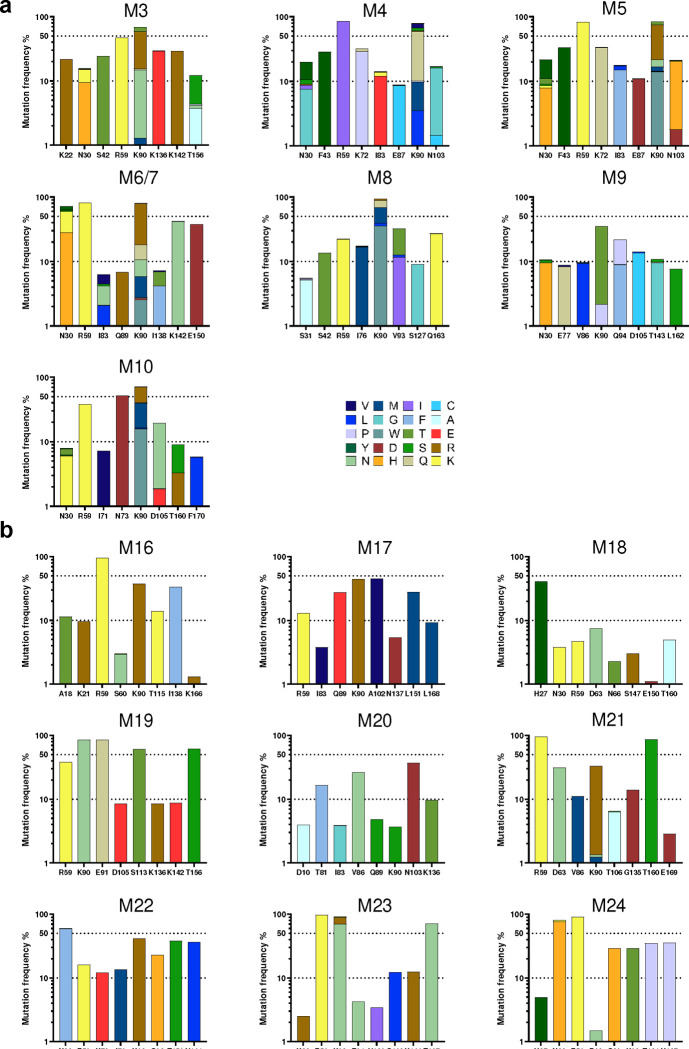 Figure 12
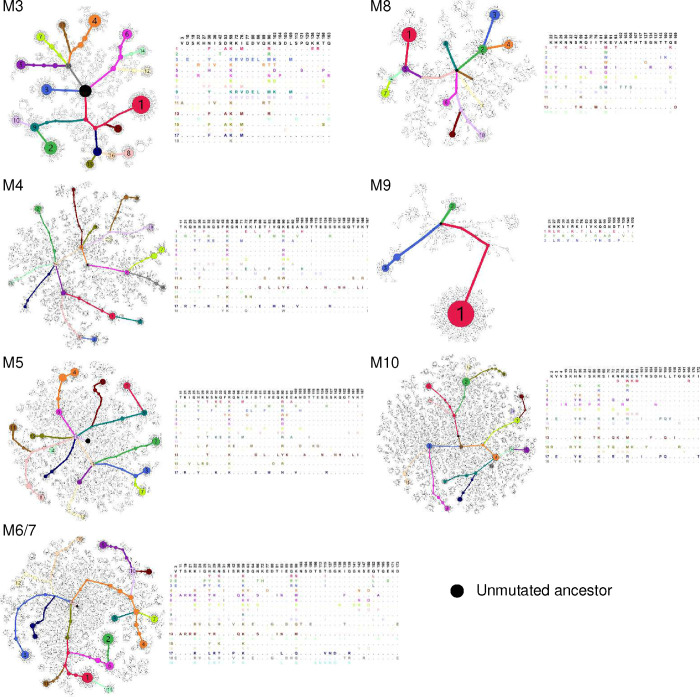 Figure 13
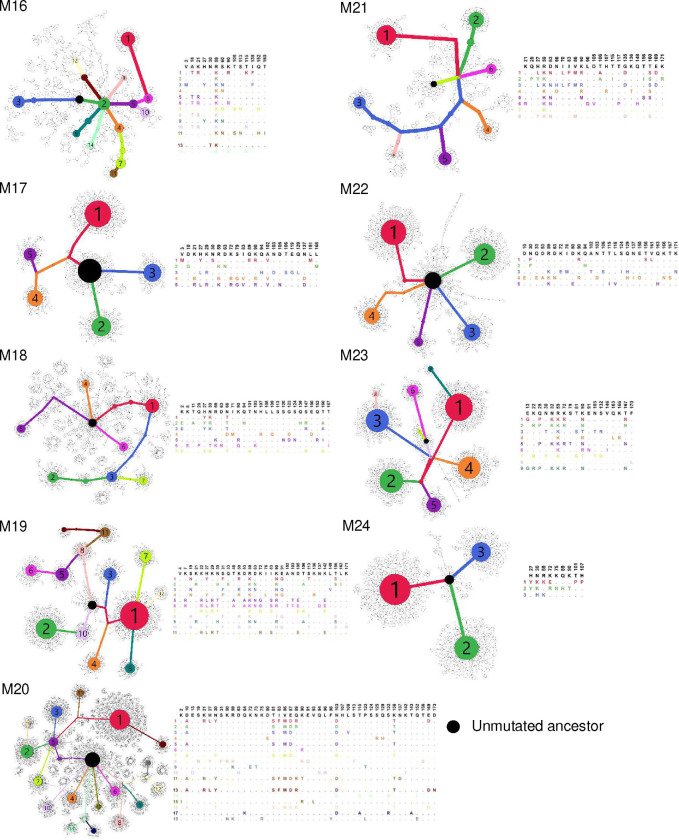 Figure 14
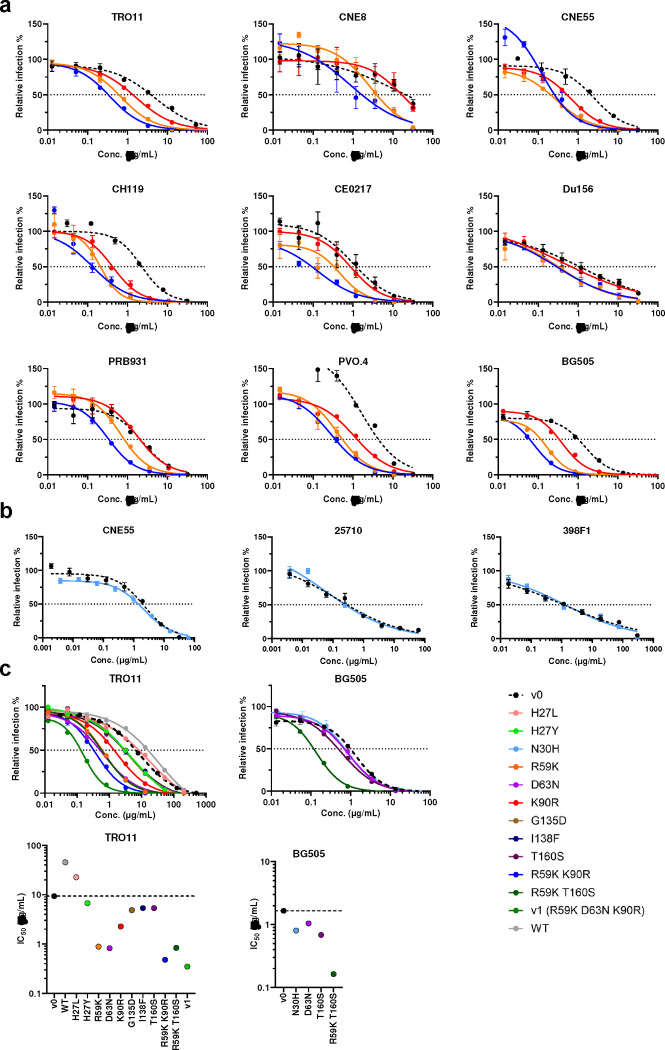 Figure 15
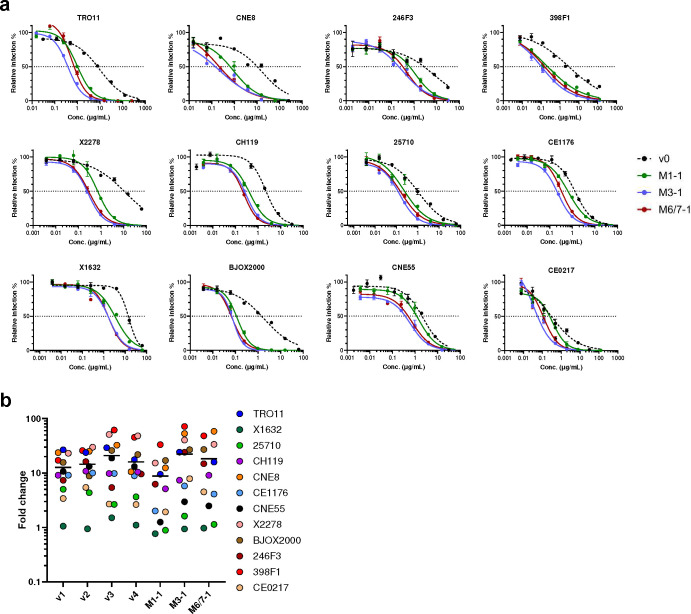 Figure 16
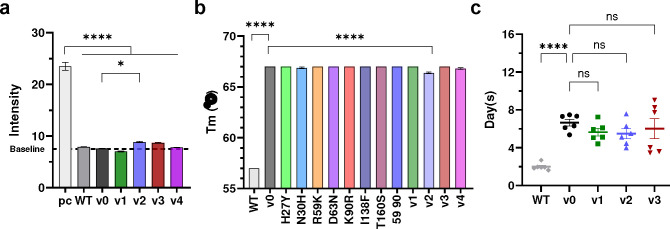 Figure 17
Peer Reviews
No public reviews on file for this paper yet. If you reviewed it on a platform where reviews are public (OpenReview, ICLR, NeurIPS, ICML), you can paste yours below so the community can read it here.
Videos
No videos yet. Explain this paper in a talk, walkthrough, or lecture? Add one.
Taxonomy
TopicsMonoclonal and Polyclonal Antibodies Research · T-cell and B-cell Immunology · Immune Cell Function and Interaction