Functionally refined encoding of threat memory by distinct populations of basal forebrain cholinergic projection neurons
Prithviraj Rajebhosale, Mala R. Ananth, Ronald Kim, Richard Crouse, Li Jiang, Gretchen López-Hernández, Chongbo Zhong, Christian Arty, Shaohua Wang, Alice Jone, Niraj S. Desai, Yulong Li, Marina R. Picciotto, Lorna W. Role, David A. Talmage

TL;DR
The study shows that different groups of cholinergic neurons in the mouse brain handle different types of threat memories.
Contribution
The paper identifies distinct cholinergic neuron populations encoding learned and innate threat memories in mice.
Findings
BLA-projecting cholinergic neurons learn and recall conditioned threat memories.
VP/SIa cholinergic neurons respond to innate threats like predator odor.
Learning-activated neurons are essential for expressing defensive behaviors.
Abstract
Neurons of the basal forebrain nucleus basalis and posterior substantia innominata (NBM/SIp) comprise the major source of cholinergic input to the basolateral amygdala (BLA). Using a genetically-encoded acetylcholine (ACh) sensor in mice, we demonstrate that BLA-projecting cholinergic neurons can “learn” the association between a naïve tone and a foot shock (training) and release ACh in the BLA in response to the conditioned tone 24h later (recall). In the NBM/SIp cholinergic neurons express the immediate early gene, Fos following both training and memory recall. Cholinergic neurons that express Fos following memory recall display increased intrinsic excitability. Chemogenetic silencing of these learning-activated cholinergic neurons prevents expression of the defensive behavior to the tone. In contrast, we show that NBM/SIp cholinergic neurons are not activated by an innately…
Genes, proteins, chemicals, diseases, species, mutations and cell lines named across the full text — each resolved to its canonical identifier and authoritative record.
Click any figure to enlarge with its caption.
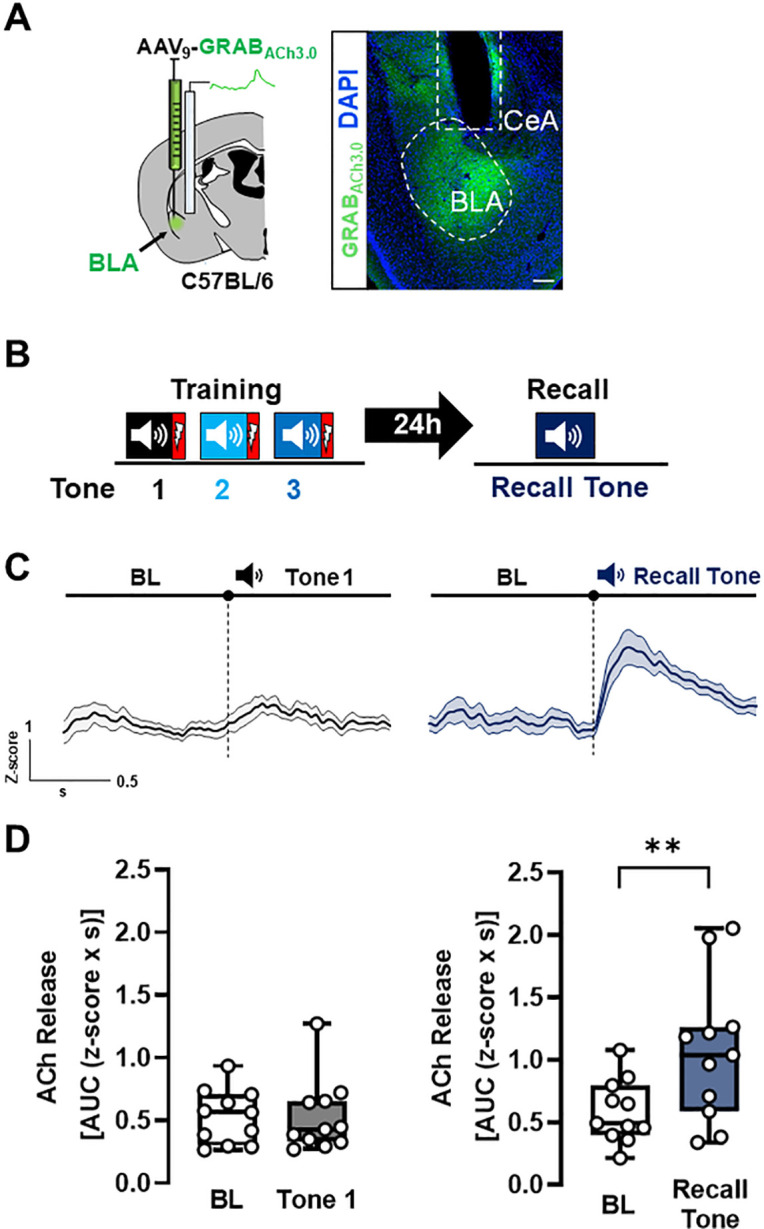 Figure 1
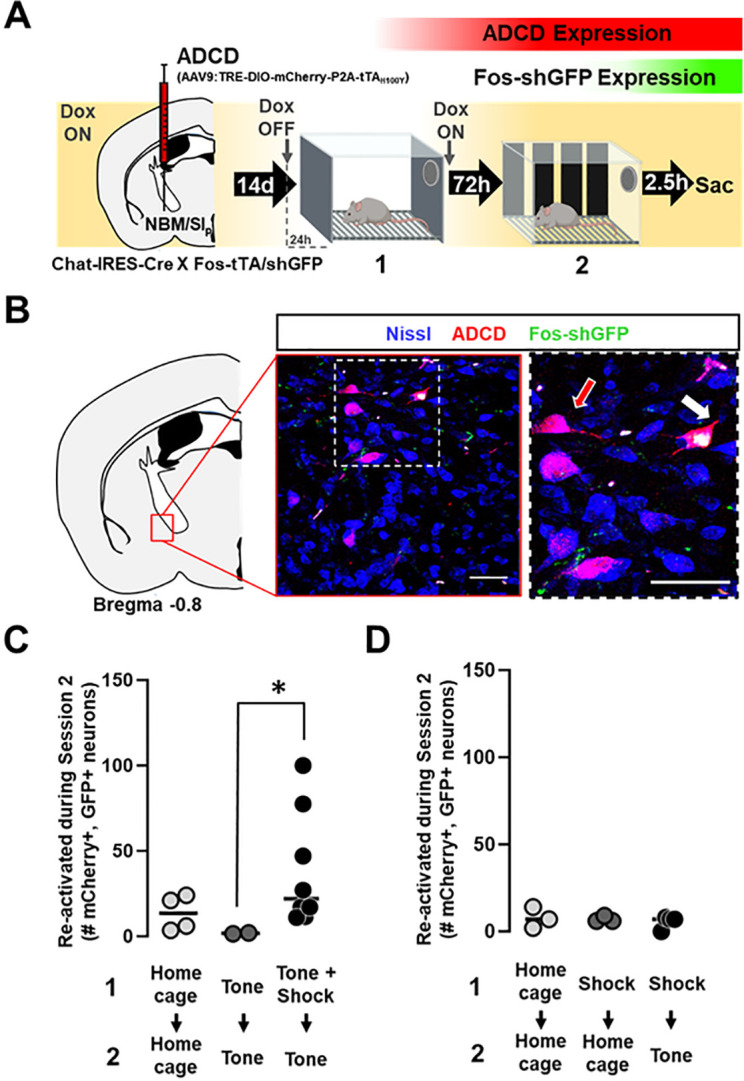 Figure 2
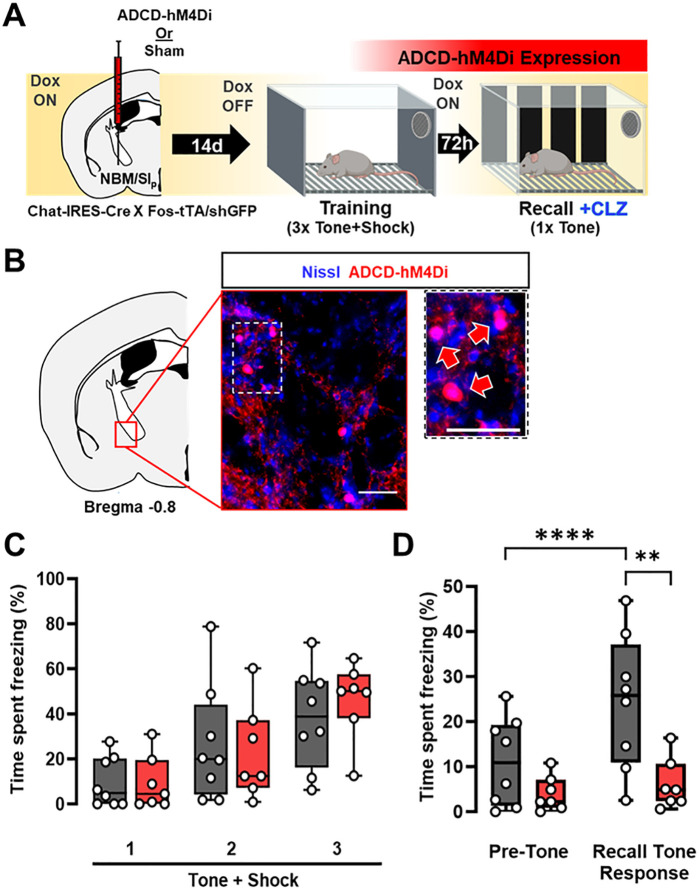 Figure 3
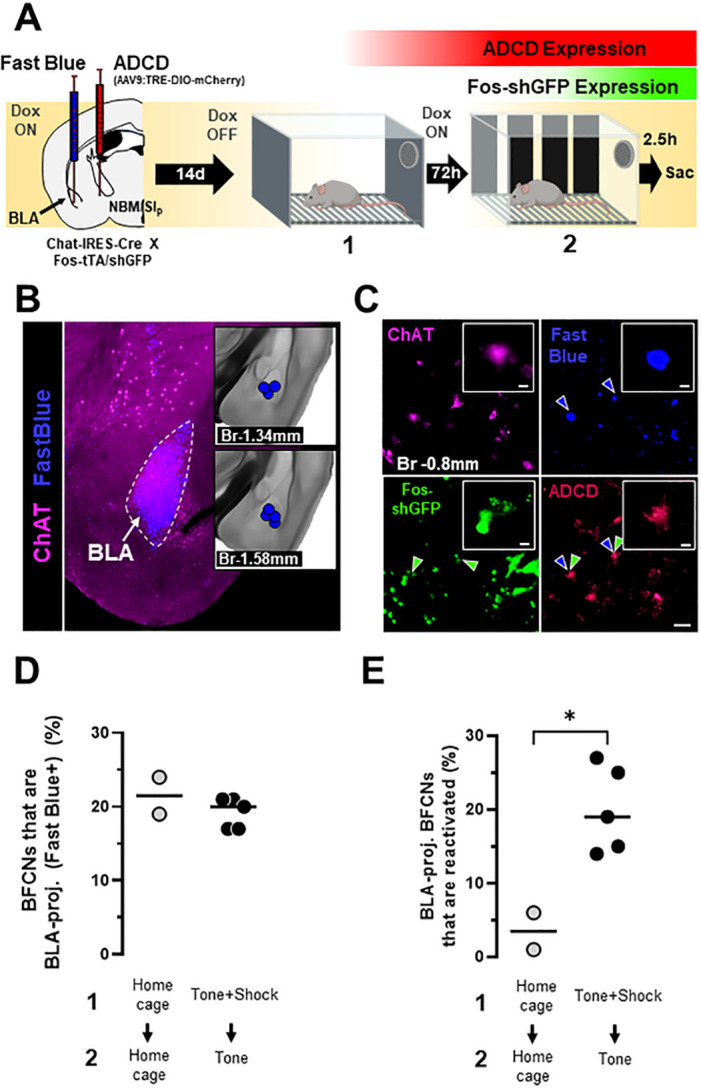 Figure 4
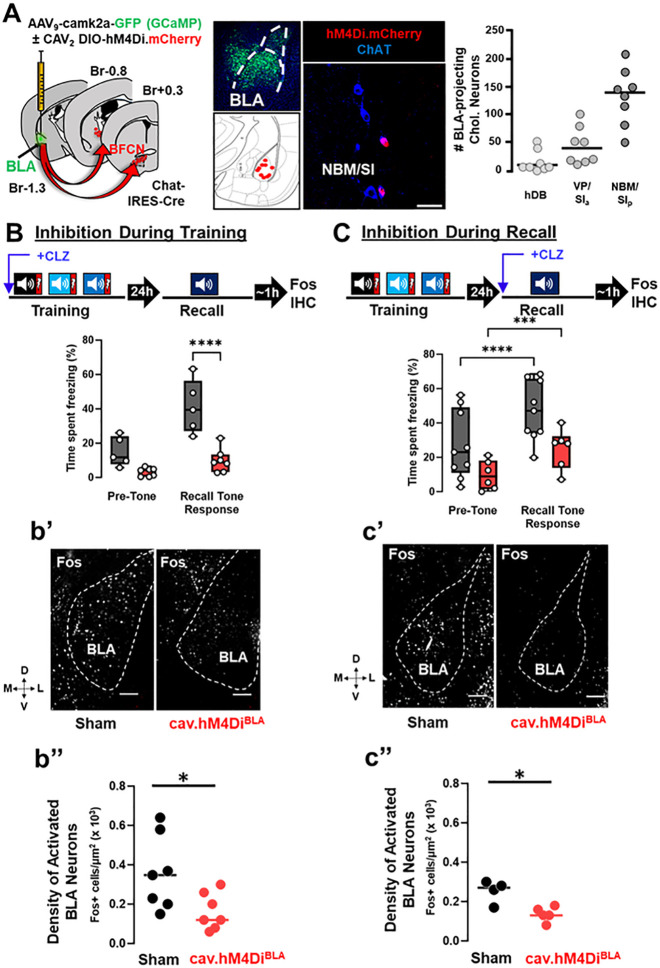 Figure 5
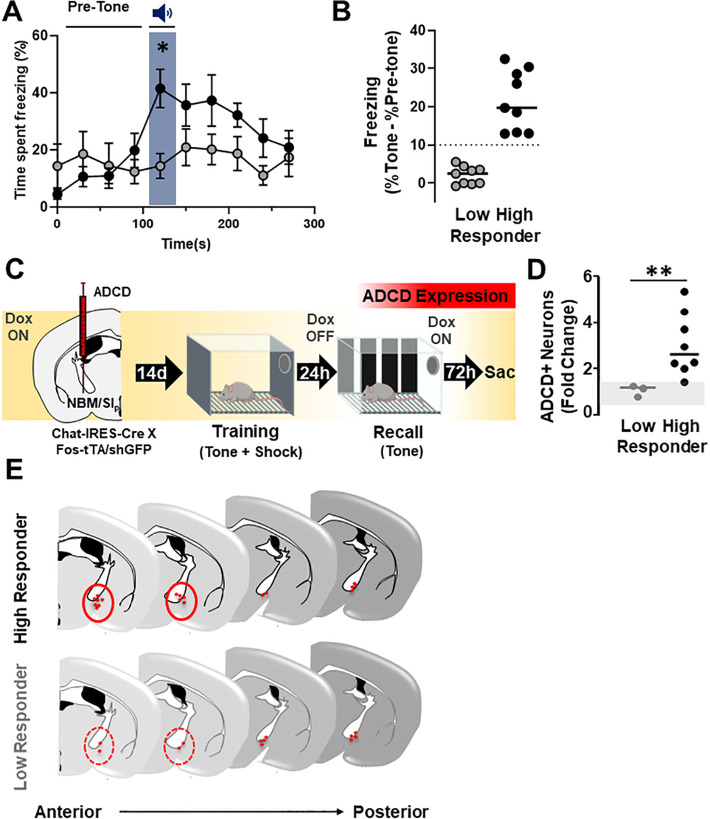 Figure 6
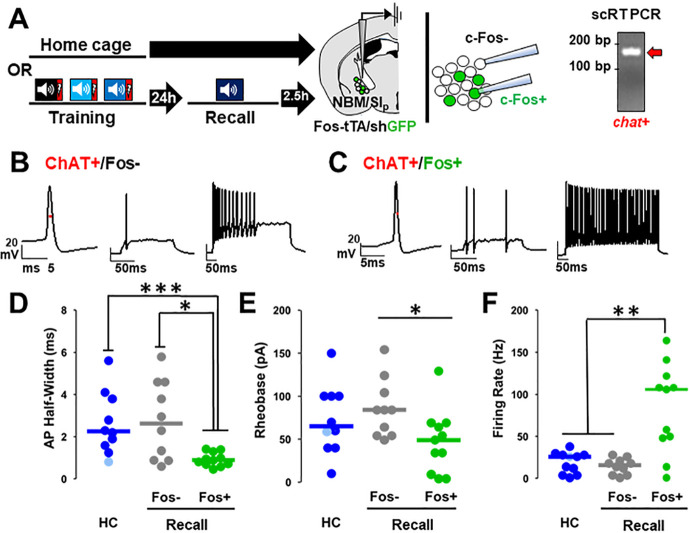 Figure 7
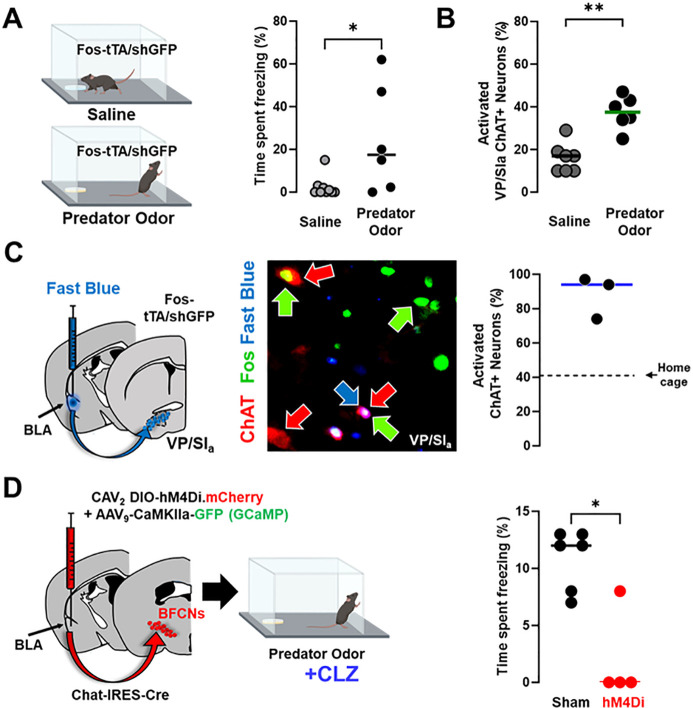 Figure 8
Peer Reviews
No public reviews on file for this paper yet. If you reviewed it on a platform where reviews are public (OpenReview, ICLR, NeurIPS, ICML), you can paste yours below so the community can read it here.
Videos
No videos yet. Explain this paper in a talk, walkthrough, or lecture? Add one.
Taxonomy
TopicsNicotinic Acetylcholine Receptors Study · Memory and Neural Mechanisms · Neuroendocrine regulation and behavior