Novel Screw Placement Method for Extremely Small Lumbar Pedicles in Scoliosis
Chang-Ju Hwang, Joo-Young Lee, Dong-Ho Lee, Jae-Hwan Cho, Choon-Sung Lee, Mi-Young Lee, So-Jung Yoon

TL;DR
This paper introduces a new surgical method for placing screws in patients with extremely small lumbar pedicles during scoliosis surgery, without using advanced navigation systems.
Contribution
A novel extrapedicular screw placement method for extremely small lumbar pedicles in scoliosis surgery is proposed and validated.
Findings
33 screws were successfully placed using the new method in 19 patients without correction loss or complications.
The method achieved tricortical fixation and radiological loosening occurred in only one screw.
The technique is described as easy, accurate, and safe for use in scoliosis surgery.
Abstract
Study Design: Consecutive case series. Objective: To propose a screw placement method in patients with extremely small lumbar pedicles (ESLPs) (<2 mm) to maintain screw density and correction power, without relying on the O-arm navigation system. Summary of Background Data: In scoliosis surgery, ESLPs can hinder probe passage, resulting in exclusion or substitution of the pedicle screws with a hook. Screw density affects correction power, making it necessary to maximize the number of screw placements, especially in the lumbar curve. Limited studies provide technical guidelines for screw placement in patients with ESLPs, independent of the O-arm navigation system. Methods: We enrolled 19 patients who underwent scoliosis correction surgery using our novel screw placement method for ESLPs. Clinical, radiological, and surgical parameters were assessed. After posterior exposure of the spine,…
Genes, proteins, chemicals, diseases, species, mutations and cell lines named across the full text — each resolved to its canonical identifier and authoritative record.
Click any figure to enlarge with its caption.
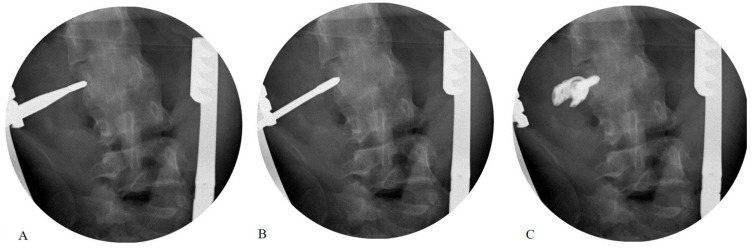 Figure 1
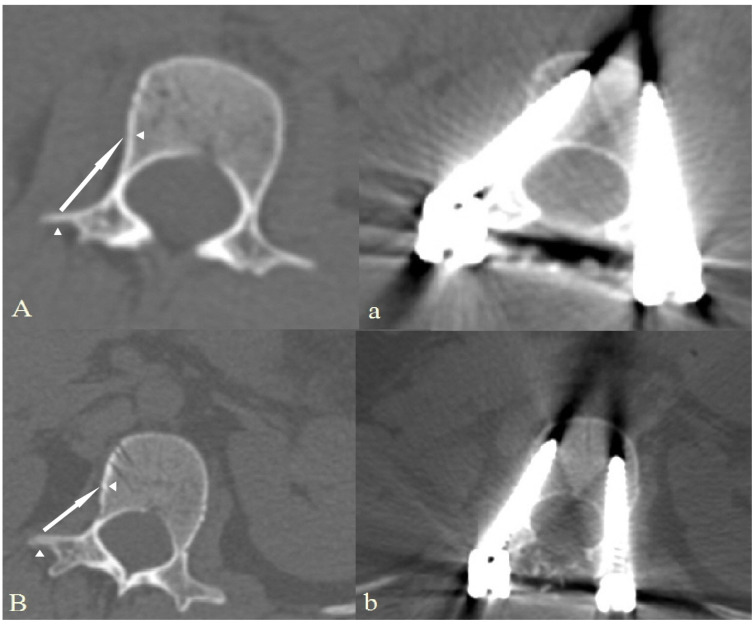 Figure 2
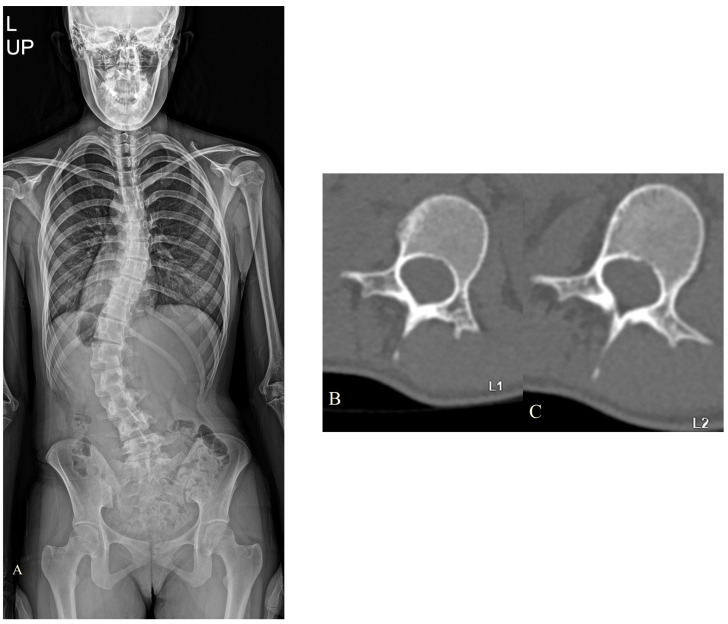 Figure 3
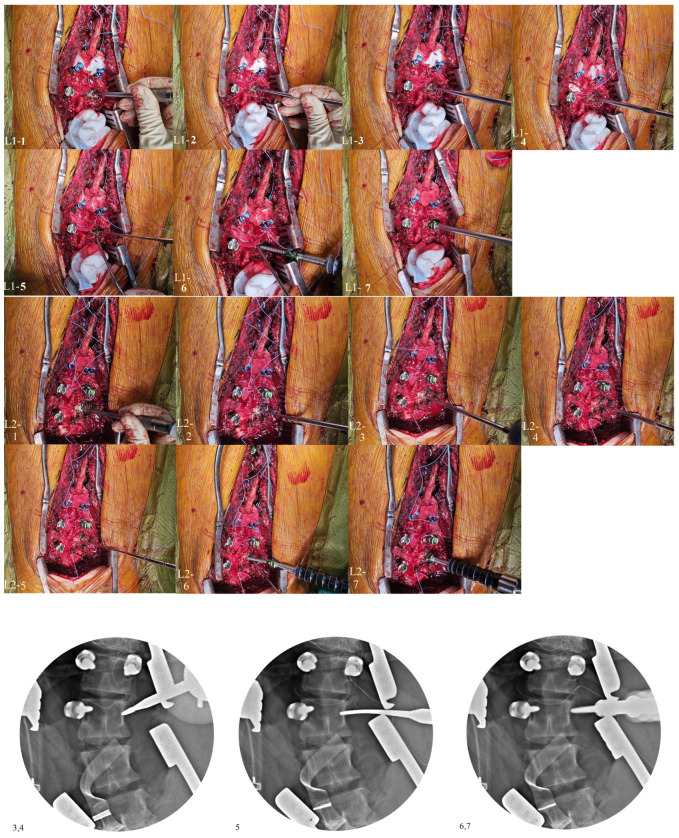 Figure 4
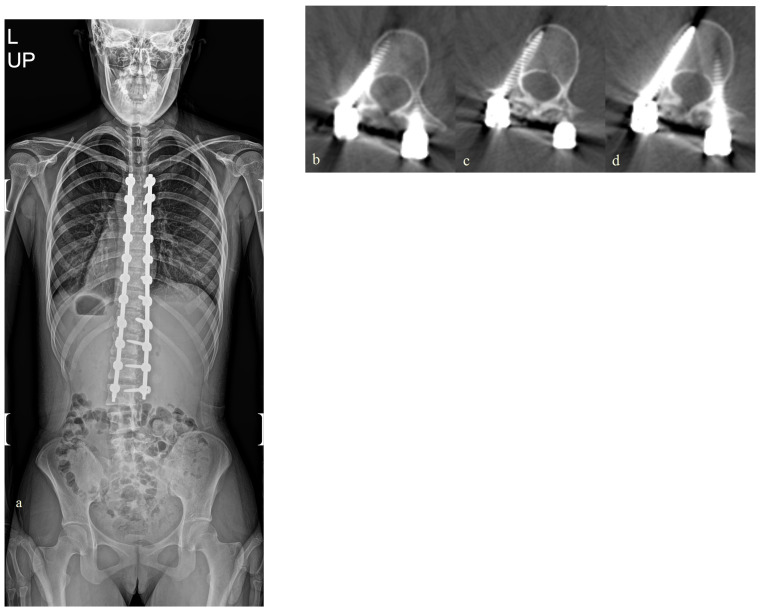 Figure 5
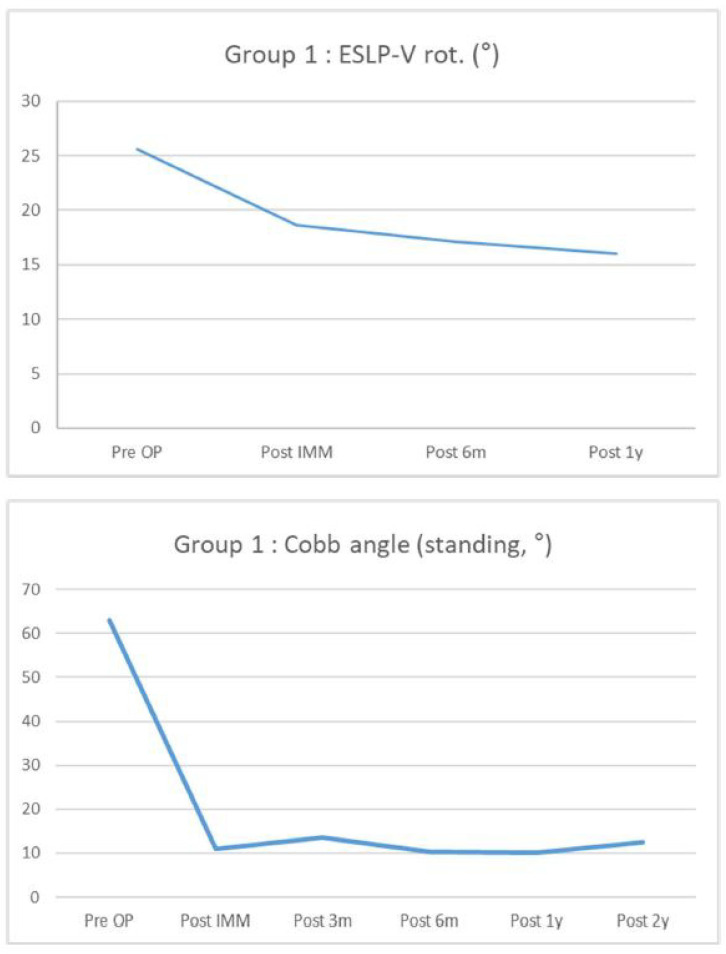 Figure 6
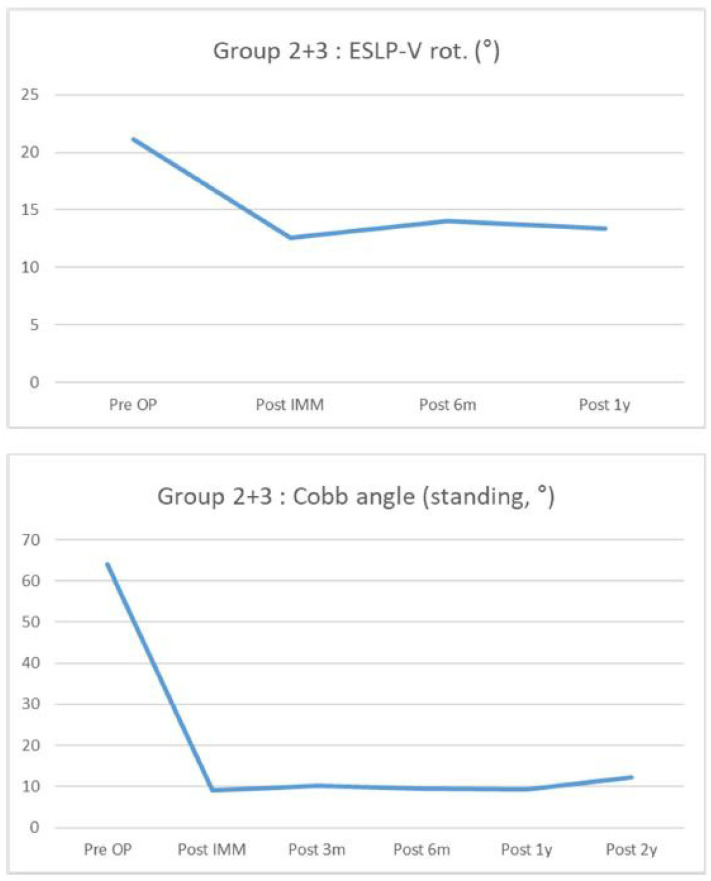 Figure 7
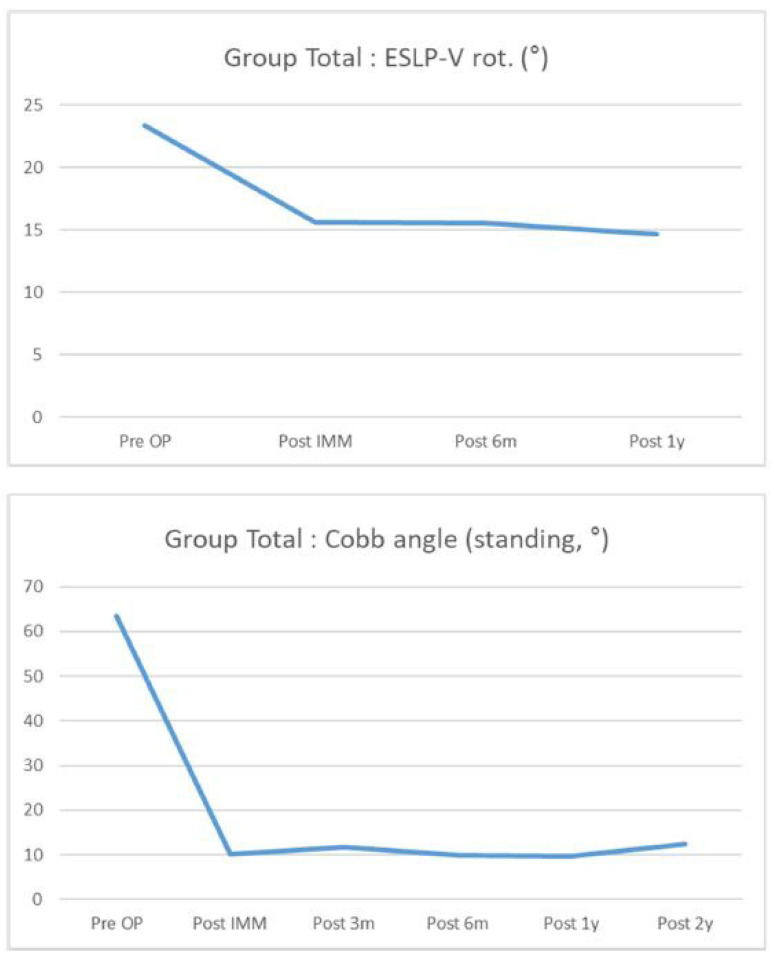 Figure 8
Peer Reviews
No public reviews on file for this paper yet. If you reviewed it on a platform where reviews are public (OpenReview, ICLR, NeurIPS, ICML), you can paste yours below so the community can read it here.
Videos
No videos yet. Explain this paper in a talk, walkthrough, or lecture? Add one.
Taxonomy
TopicsSpinal Fractures and Fixation Techniques · Spine and Intervertebral Disc Pathology · Pelvic and Acetabular Injuries