Ecological Speciation without Morphological Differentiation? A New Cryptic Species of Diodontus Curtis (Hymenoptera, Pemphredonidae) from the Centre of Europe
Eduardas Budrys, Svetlana Orlovskytė, Anna Budrienė

TL;DR
This paper describes a new cryptic species of wasp in Europe that is nearly identical in appearance but distinct genetically and ecologically.
Contribution
The discovery of a new cryptic species of Diodontus wasp using molecular methods and ecological data.
Findings
A new cryptic species of Diodontus wasp was identified based on mitotype divergence and nesting habitat differences.
Molecular markers confirmed the new species' distinct phylogenetic status despite minimal morphological differences.
The new species nests in clayey substrates, differing from the related species that nests in sandy sites.
Abstract
The application of molecular methods in the studies of biological diversity revealed that there are many more species than we can recognise by their appearance. Species pairs or groups, which are difficult to recognise and are known as cryptic species, may differ in their ecological traits, place in trophic networks, and their functional role in ecosystems. It is important to separate cryptic species, particularly if we apply species composition or other diversity metrics for an assessment or monitoring of the ecosystem state or human pressures and impacts. In our study, we revealed a new cryptic species of aphid-hunting wasp that is virtually indistinguishable from a well-known one by morphology. These two species can be easily segregated using molecular characters, and presumably they differ also by nesting habitat. Upon exploring the mitotype diversity of the aphid-hunting wasp,…
Genes, proteins, chemicals, diseases, species, mutations and cell lines named across the full text — each resolved to its canonical identifier and authoritative record.
Click any figure to enlarge with its caption.
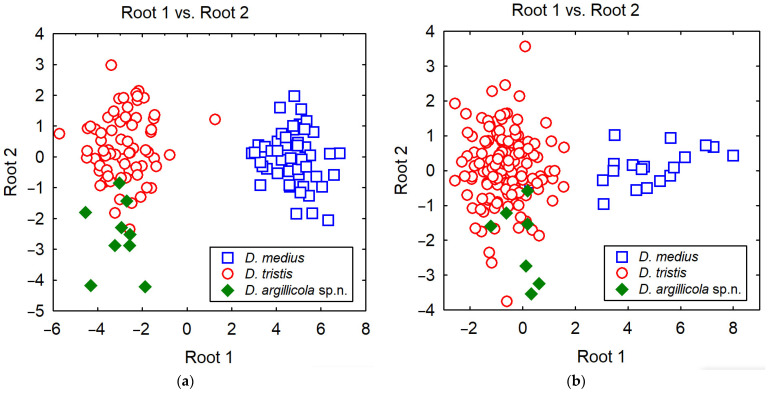 Figure 1
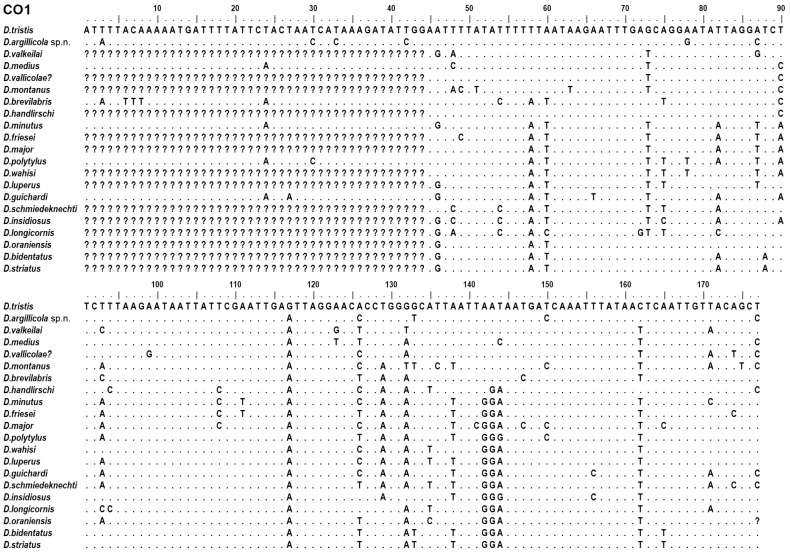 Figure 2
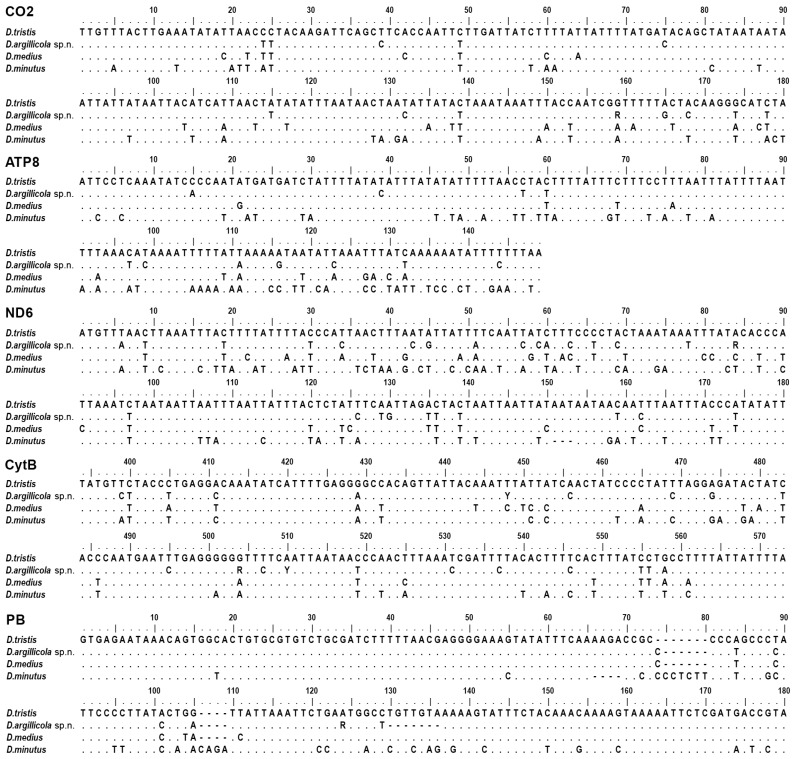 Figure 3
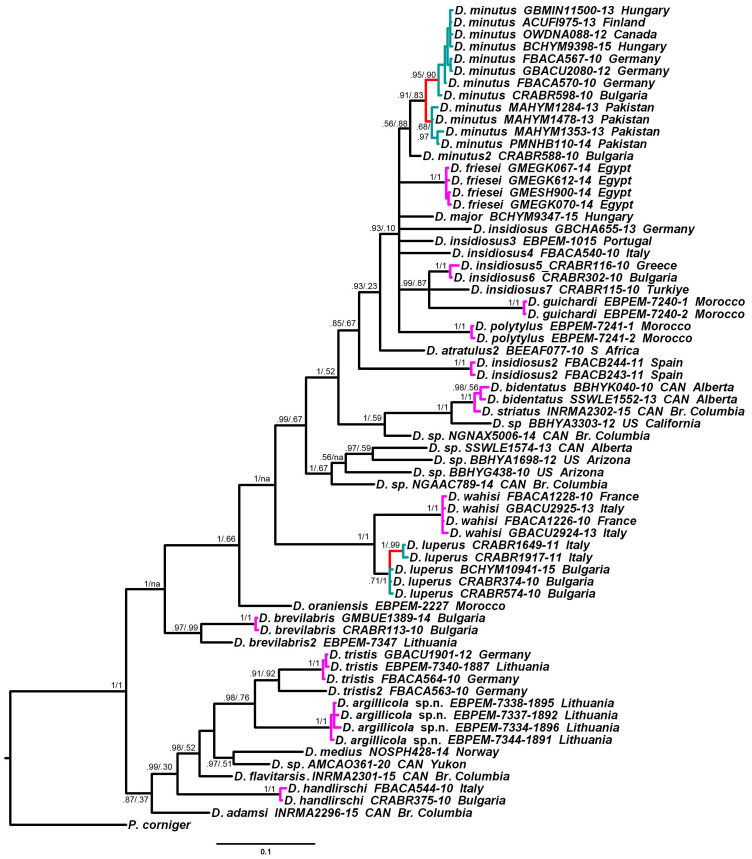 Figure 4
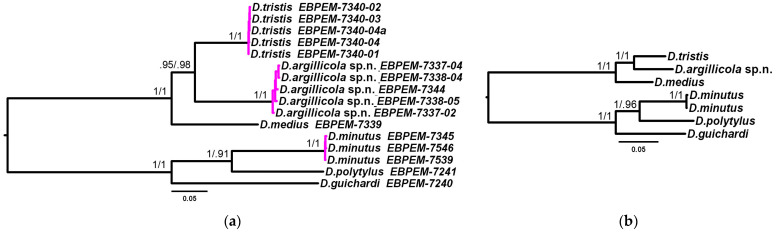 Figure 5
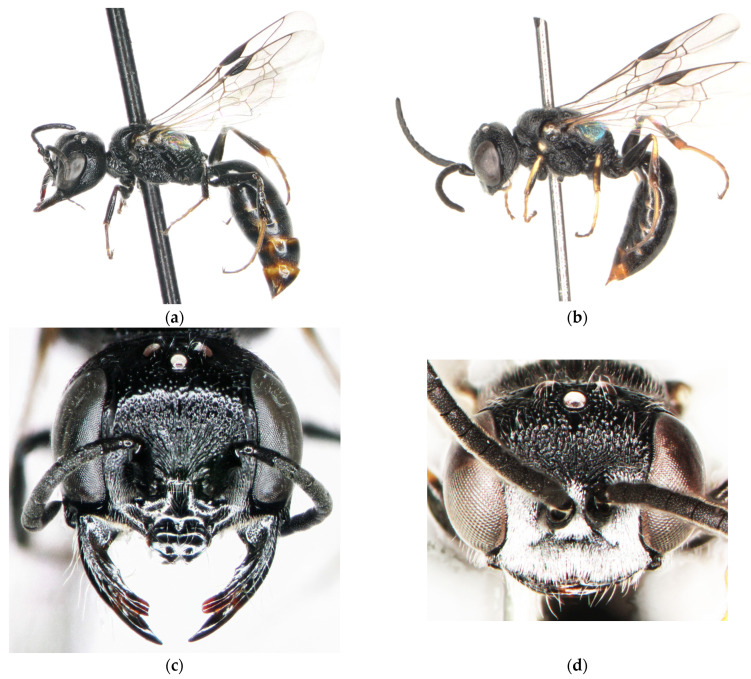 Figure 6
 Figure 7
 Figure 8
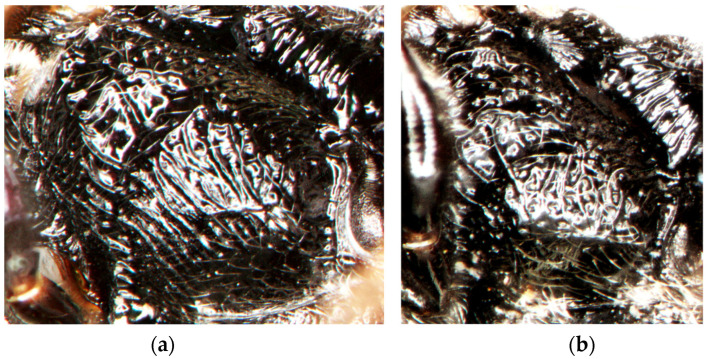 Figure 9
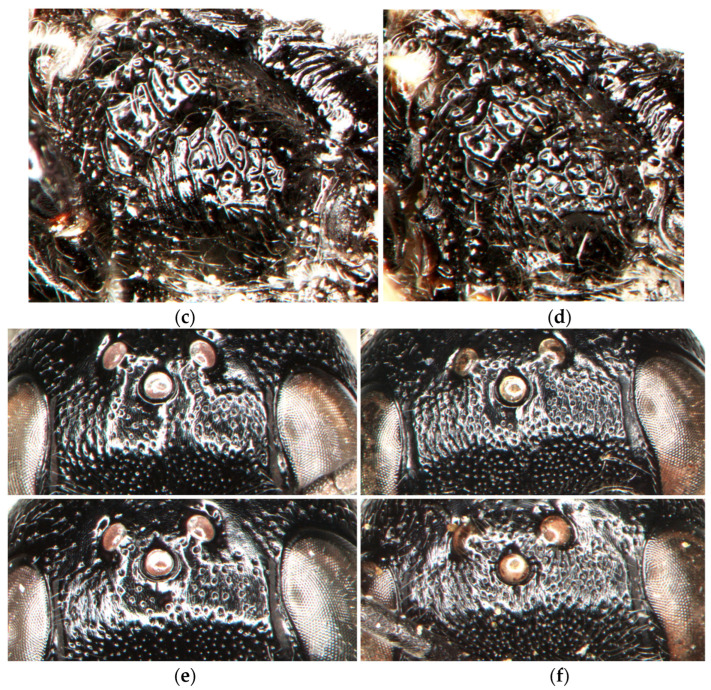 Figure 10
Peer Reviews
No public reviews on file for this paper yet. If you reviewed it on a platform where reviews are public (OpenReview, ICLR, NeurIPS, ICML), you can paste yours below so the community can read it here.
Videos
No videos yet. Explain this paper in a talk, walkthrough, or lecture? Add one.
Taxonomy
TopicsInsect symbiosis and bacterial influences · Insect-Plant Interactions and Control · Plant and animal studies