Impaired Mitochondrial Function and Marrow Failure in Patients Carrying a Variant of the SRSF4 Gene
Maurizio Miano, Nadia Bertola, Alice Grossi, Gianluca Dell’Orso, Stefano Regis, Marta Rusmini, Paolo Uva, Diego Vozzi, Francesca Fioredda, Elena Palmisani, Michela Lupia, Marina Lanciotti, Federica Grilli, Fabio Corsolini, Luca Arcuri, Maria Carla Giarratana, Isabella Ceccherini

TL;DR
A genetic variant in the SRSF4 gene causes mitochondrial dysfunction and bone marrow failure in a patient and their mother.
Contribution
This is the first report linking SRSF4 gene variants to mitochondrial dysfunction and marrow failure.
Findings
The SRSF4 p.R235W variant reduces SRSF4 protein expression and impairs mitochondrial function.
Restoring SRSF4 expression with the wild-type gene reversed mitochondrial dysfunction.
Mitochondrial defects in SRSF4 carriers are linked to mTOR signaling and biogenesis/dynamics imbalances.
Abstract
Serine/arginine-rich splicing factors (SRSFs) are a family of proteins involved in RNA metabolism, including pre-mRNA constitutive and alternative splicing. The role of SRSF proteins in regulating mitochondrial activity has already been shown for SRSF6, but SRSF4 altered expression has never been reported as a cause of bone marrow failure. An 8-year-old patient admitted to the hematology unit because of leukopenia, lymphopenia, and neutropenia showed a missense variant of unknown significance of the SRSF4 gene (p.R235W) found via whole genome sequencing analysis and inherited from the mother who suffered from mild leuko-neutropenia. Both patients showed lower SRSF4 protein expression and altered mitochondrial function and energetic metabolism in primary lymphocytes and Epstein–Barr-virus (EBV)-immortalized lymphoblasts compared to healthy donor (HD) cells, which appeared associated with…
Genes, proteins, chemicals, diseases, species, mutations and cell lines named across the full text — each resolved to its canonical identifier and authoritative record.
Click any figure to enlarge with its caption.
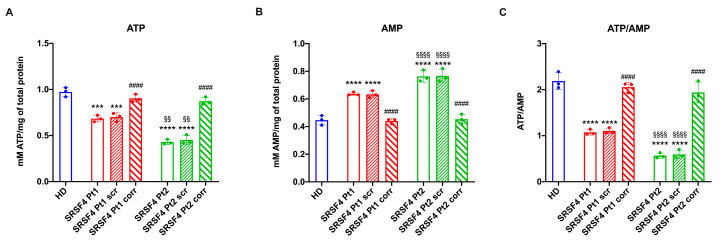 Figure 1
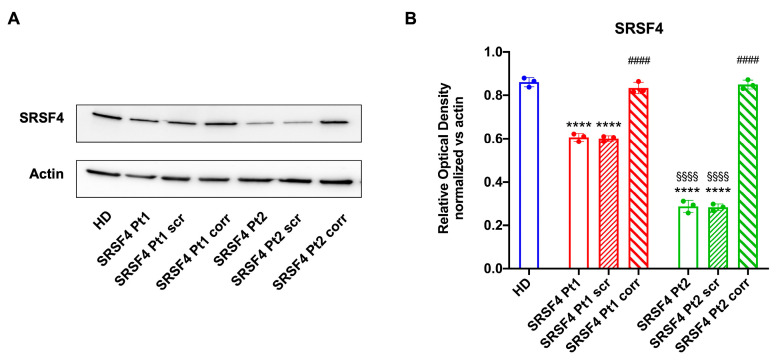 Figure 2
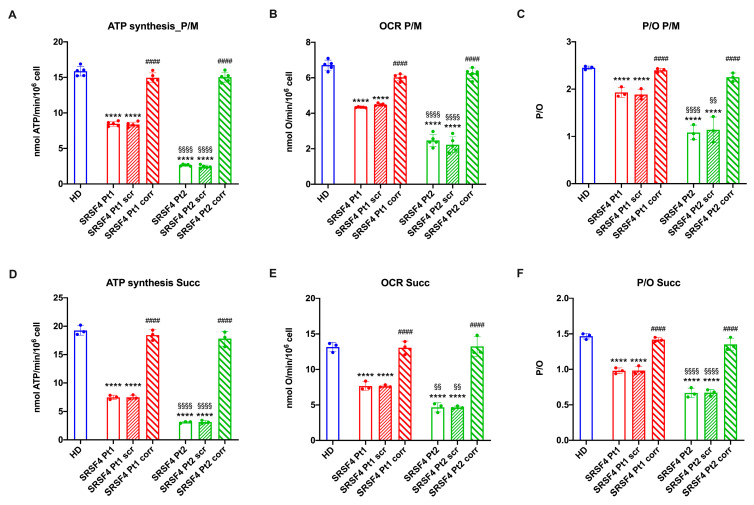 Figure 3
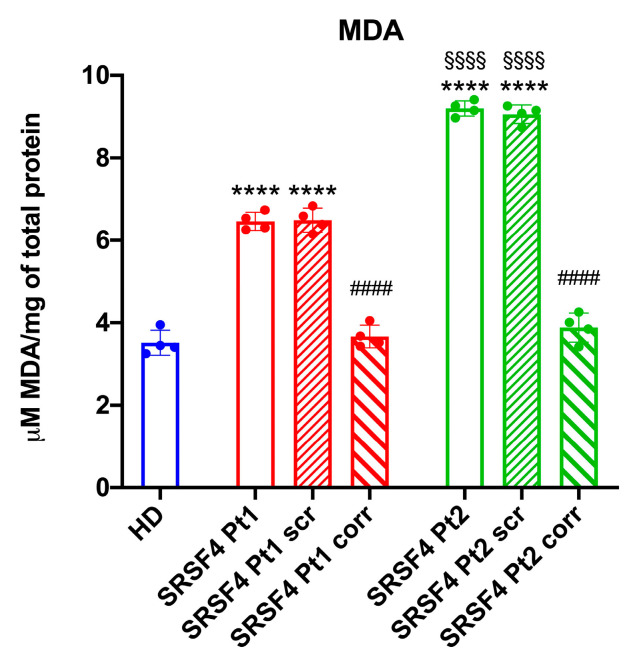 Figure 4
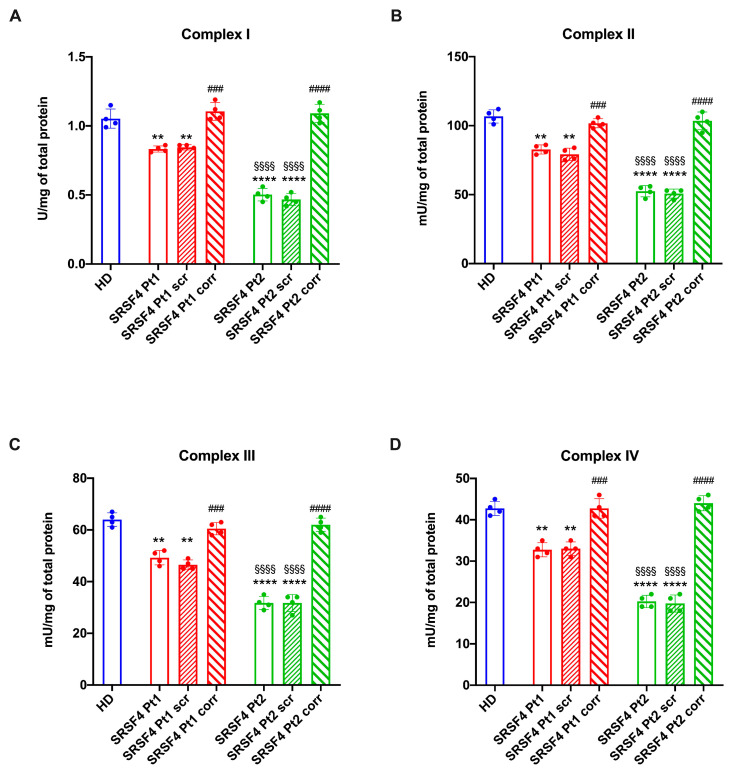 Figure 5
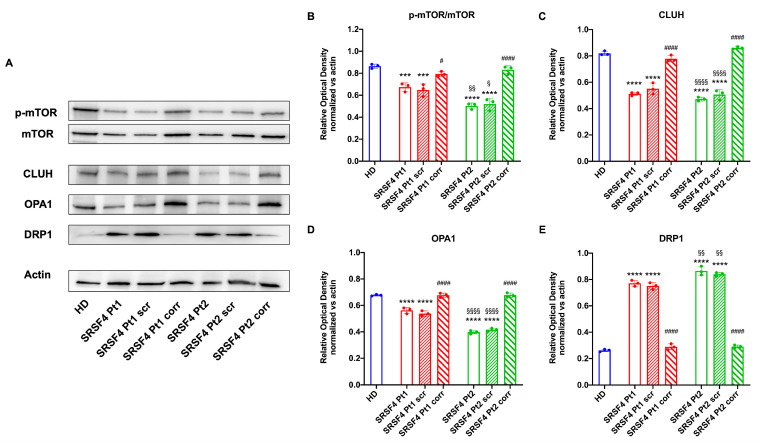 Figure 6
Peer Reviews
No public reviews on file for this paper yet. If you reviewed it on a platform where reviews are public (OpenReview, ICLR, NeurIPS, ICML), you can paste yours below so the community can read it here.
Videos
No videos yet. Explain this paper in a talk, walkthrough, or lecture? Add one.
Taxonomy
TopicsRNA modifications and cancer · RNA Research and Splicing · Mitochondrial Function and Pathology