Modulating Golgi Stress Signaling Ameliorates Cell Morphological Phenotypes Induced by CHMP2B with Frontotemporal Dementia-Associated p.Asp148Tyr
Shoya Fukatsu, Maho Okawa, Miyu Okabe, Mizuka Cho, Mikinori Isogai, Takanori Yokoi, Remina Shirai, Hiroaki Oizumi, Masahiro Yamamoto, Katsuya Ohbuchi, Yuki Miyamoto, Junji Yamauchi

TL;DR
This study shows that a mutated CHMP2B protein linked to frontotemporal dementia disrupts neuron development by causing Golgi stress, and reducing this stress can reverse harmful effects.
Contribution
The study identifies Golgi stress signaling as a novel mechanism by which CHMP2B mutations impair neuronal differentiation, suggesting new therapeutic targets for FTD.
Findings
CHMP2B with the D148Y mutation impairs neurite elongation in rat neurons and N1E-115 cells.
The mutation causes CHMP2B to aggregate in the Golgi body and reduces protective Hsp47 levels.
Modulating Golgi stress regulators like Hsp47 or Arf4 reverses cellular defects caused by the mutation.
Abstract
Some charged multivesicular body protein 2B (CHMP2B) mutations are associated with autosomal-dominant neurodegenerative frontotemporal dementia and/or amyotrophic lateral sclerosis type 7 (FTDALS7). The main aim of this study is to clarify the relationship between the expression of mutated CHMP2B protein displaying FTD symptoms and defective neuronal differentiation. First, we illustrate that the expression of CHMP2B with the Asp148Tyr (D148Y) mutation, which preferentially displays FTD phenotypes, blunts neurite process elongation in rat primary cortical neurons. Similar results were observed in the N1E-115 cell line, a model that undergoes neurite elongation. Second, these effects were also accompanied by changes in neuronal differentiation marker protein expression. Third, wild-type CHMP2B protein was indeed localized in the endosomal sorting complexes required to transport…
Genes, proteins, chemicals, diseases, species, mutations and cell lines named across the full text — each resolved to its canonical identifier and authoritative record.
Click any figure to enlarge with its caption.
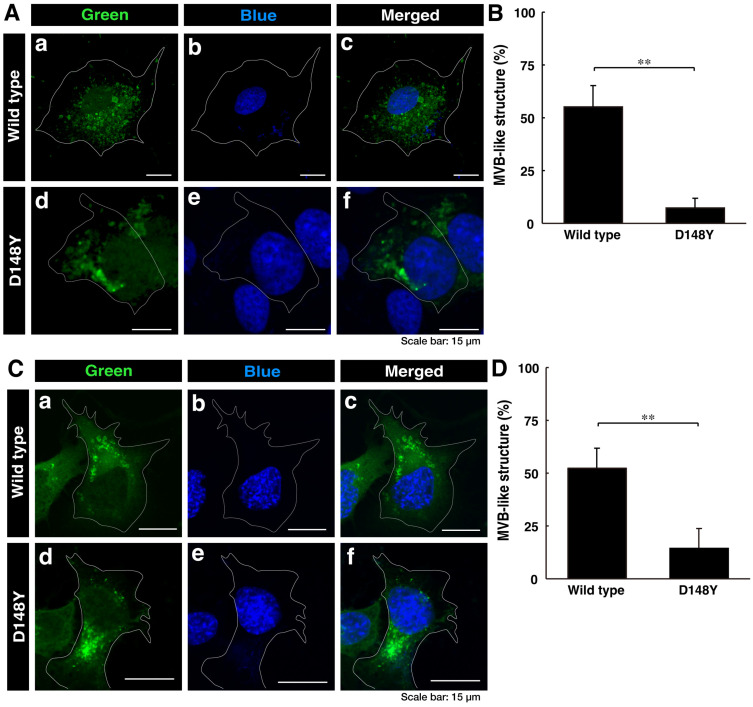 Figure 1
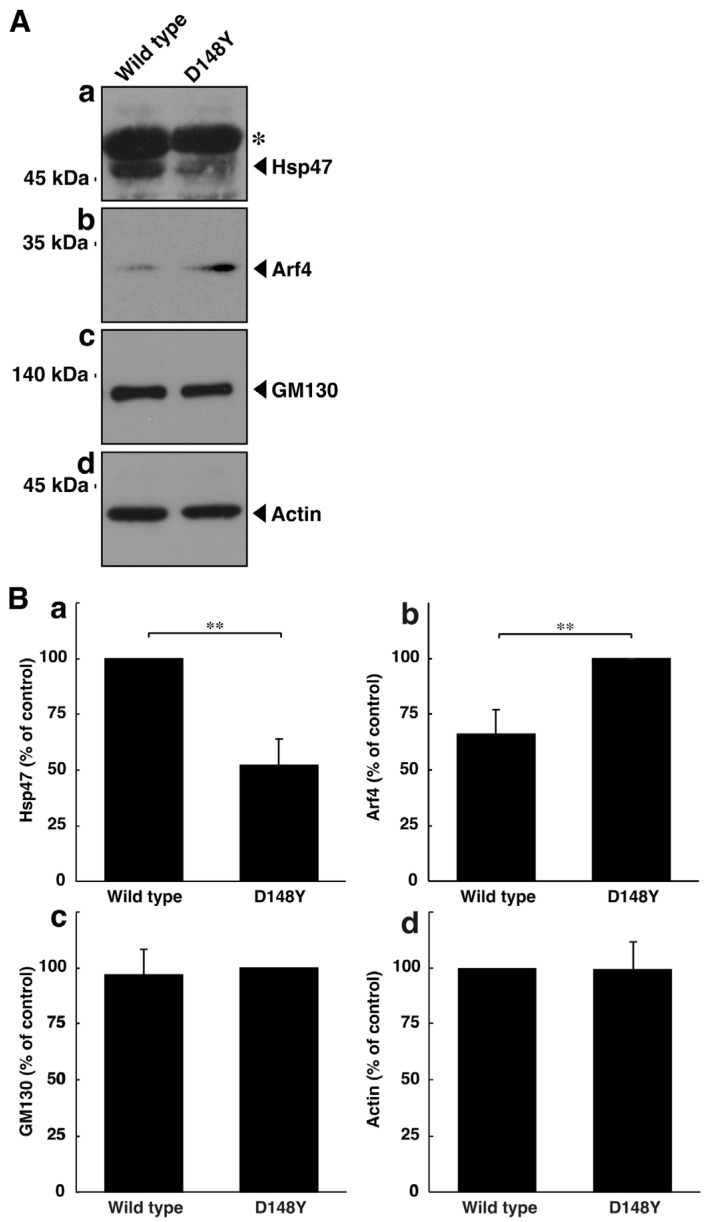 Figure 2
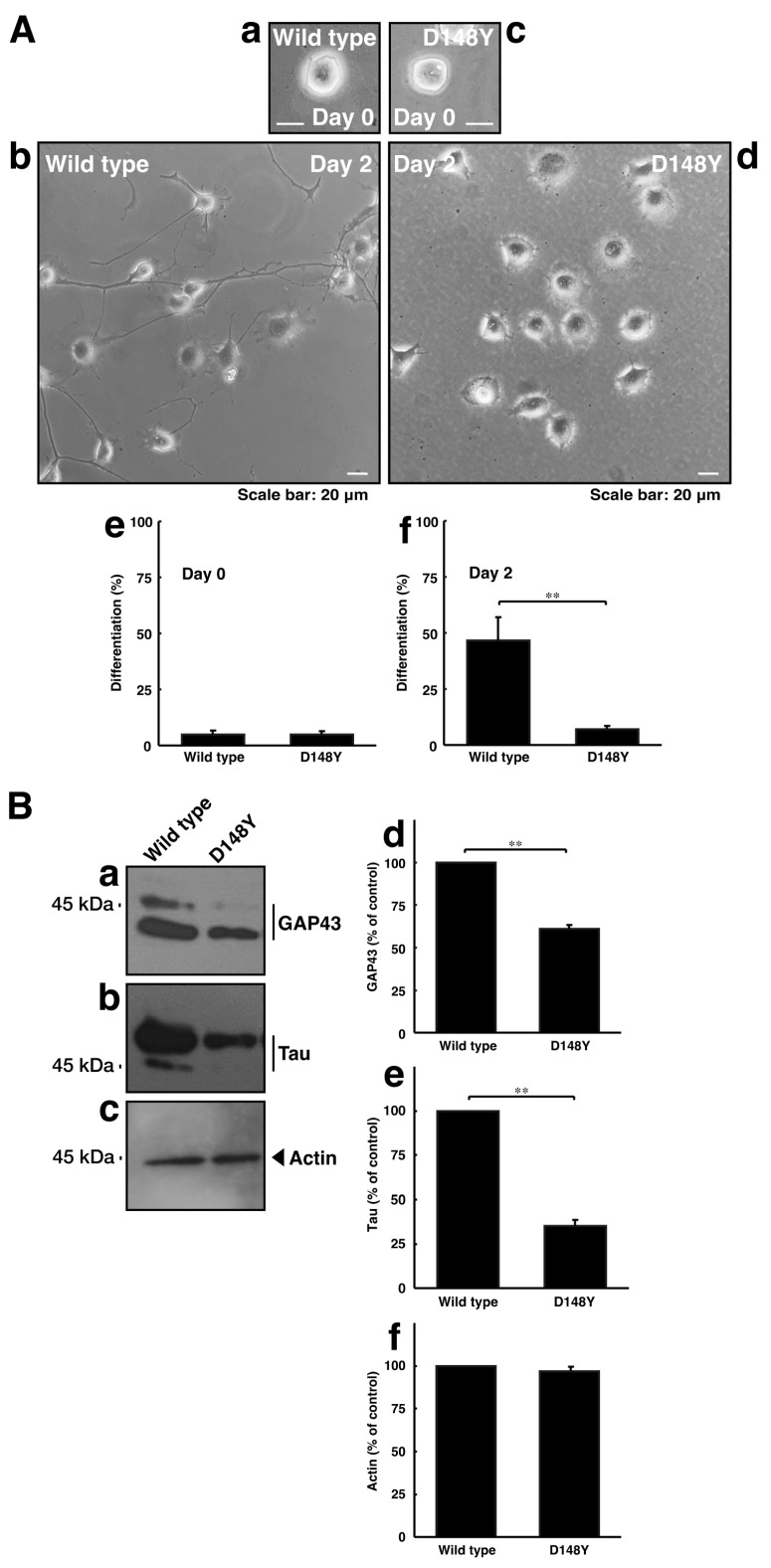 Figure 3
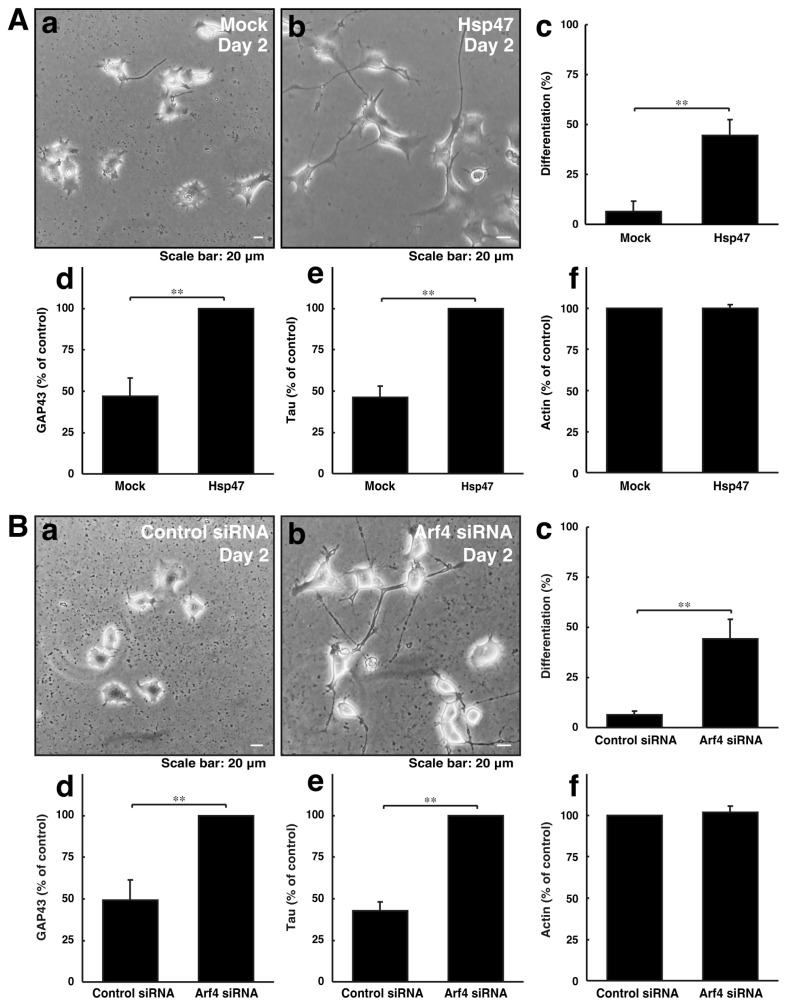 Figure 4
Peer Reviews
No public reviews on file for this paper yet. If you reviewed it on a platform where reviews are public (OpenReview, ICLR, NeurIPS, ICML), you can paste yours below so the community can read it here.
Videos
No videos yet. Explain this paper in a talk, walkthrough, or lecture? Add one.
Taxonomy
TopicsCellular transport and secretion · Amyotrophic Lateral Sclerosis Research · Cholinesterase and Neurodegenerative Diseases