Differential Privacy Preservation for Continuous Release of Real-Time Location Data
Lihui Mao, Zhengquan Xu

TL;DR
This paper introduces a new method to protect location privacy in real-time data while maintaining data usefulness.
Contribution
The novel QCLM-Lowpass method improves differential privacy for continuous location data by addressing nonstationary correlations and filter deviations.
Findings
Location increment-based correlation estimation handles nonstationary data effectively.
QCLM-Lowpass reduces output deviations in time-varying environments.
Experiments show QCLM-Lowpass balances privacy and data availability better than existing methods.
Abstract
Continuous real-time location data is very important in the big data era, but the privacy issues involved is also a considerable topic. It is not only necessary to protect the location privacy at each release moment, but also have to consider the impact of data correlation. Correlated Laplace Mechanism (CLM) is a sophisticated method to implement differential privacy on correlated time series. This paper aims to solve the key problems of applying CLM in continuous location release. Based on the finding that the location increment is approximately stationary in many scenarios, a location correlation estimation method based on the location increment is proposed to solve the problem of nonstationary location data correlation estimation; an adaptive adjustment model for the CLM filter based on parameter quantization idea (QCLM) as well as its effective implementation named QCLM-Lowpass…
Genes, proteins, chemicals, diseases, species, mutations and cell lines named across the full text — each resolved to its canonical identifier and authoritative record.
Click any figure to enlarge with its caption.
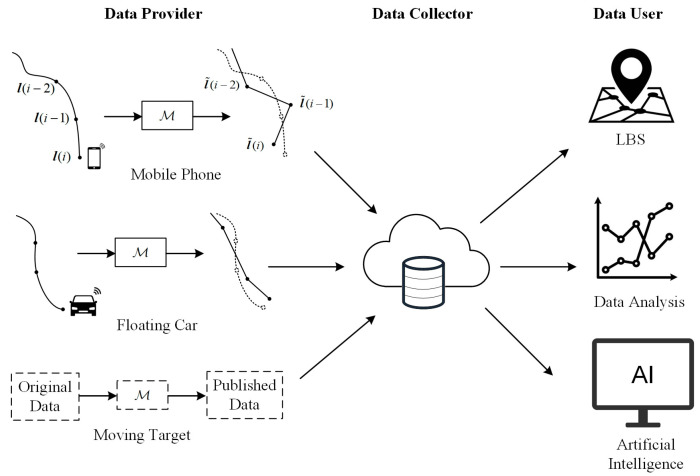 Figure 1
 Figure 2
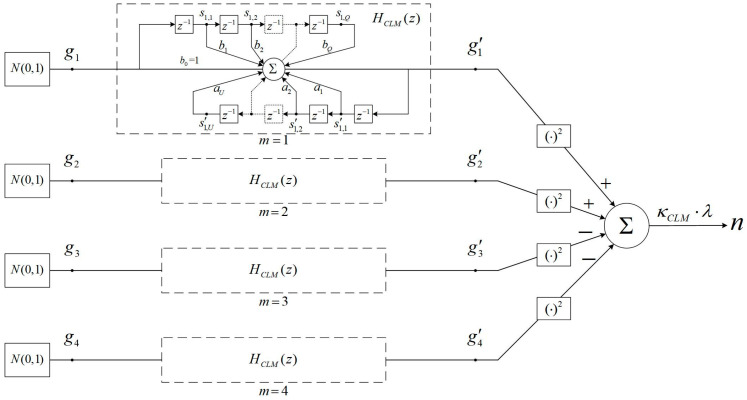 Figure 3
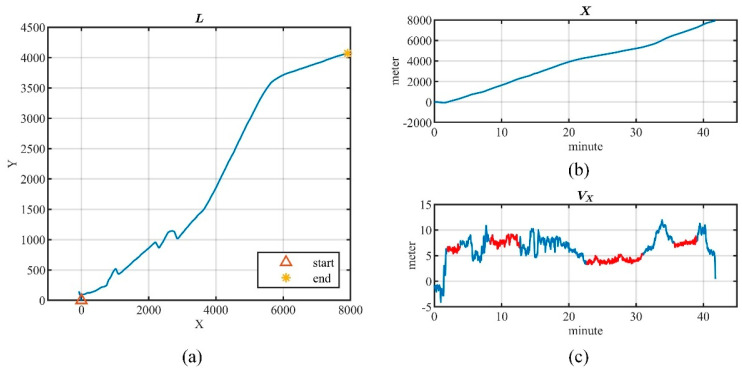 Figure 4
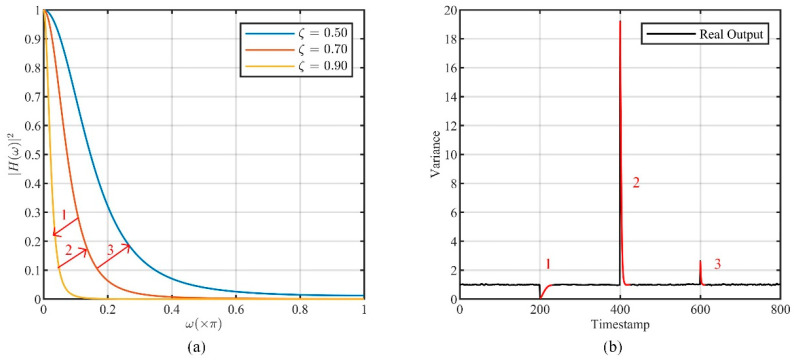 Figure 5
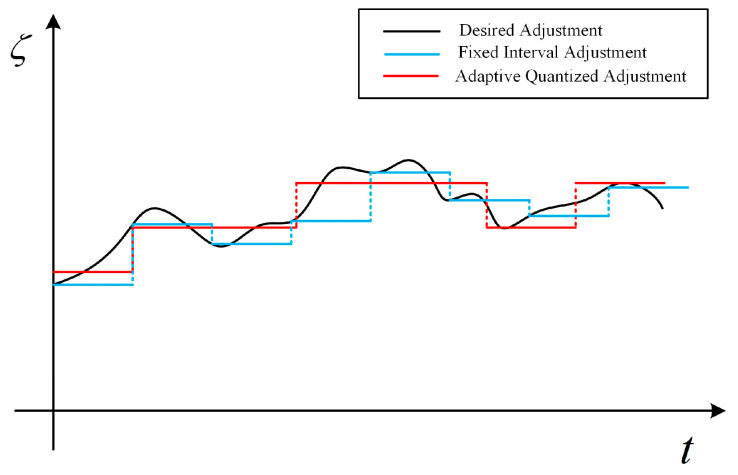 Figure 6
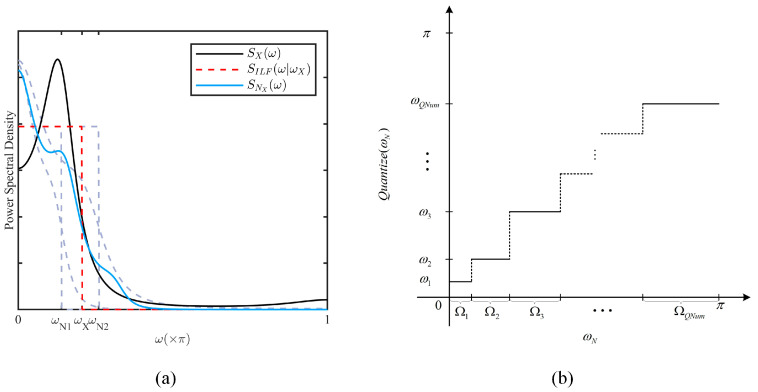 Figure 7
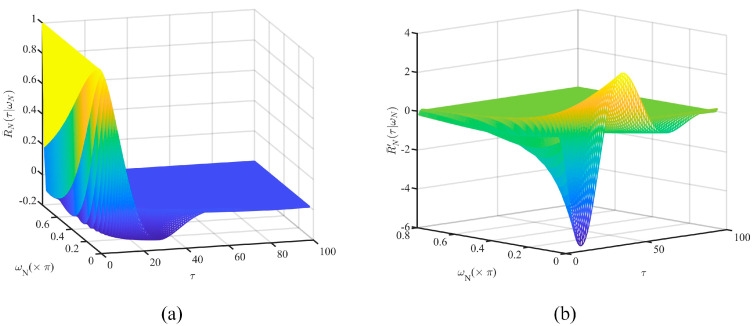 Figure 8
 Figure 9
 Figure 10
 Figure 11
 Figure 12
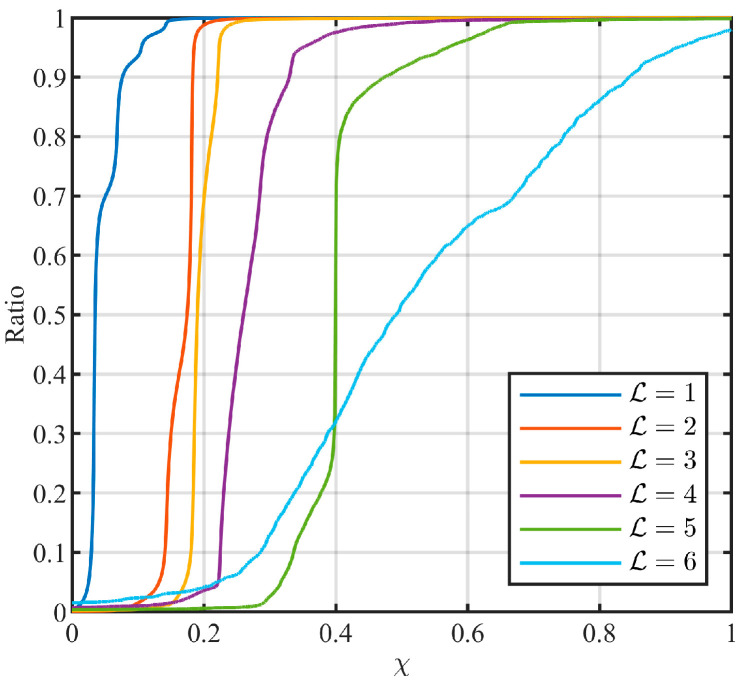 Figure 13
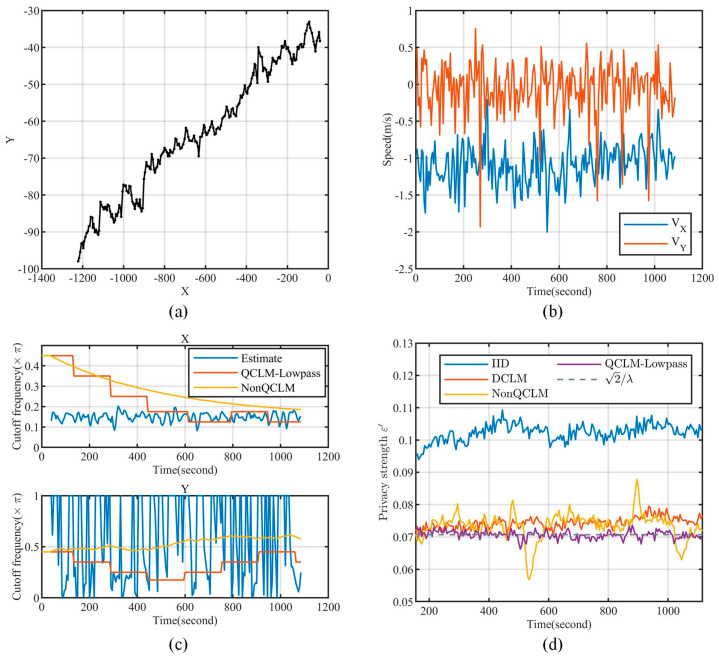 Figure 14
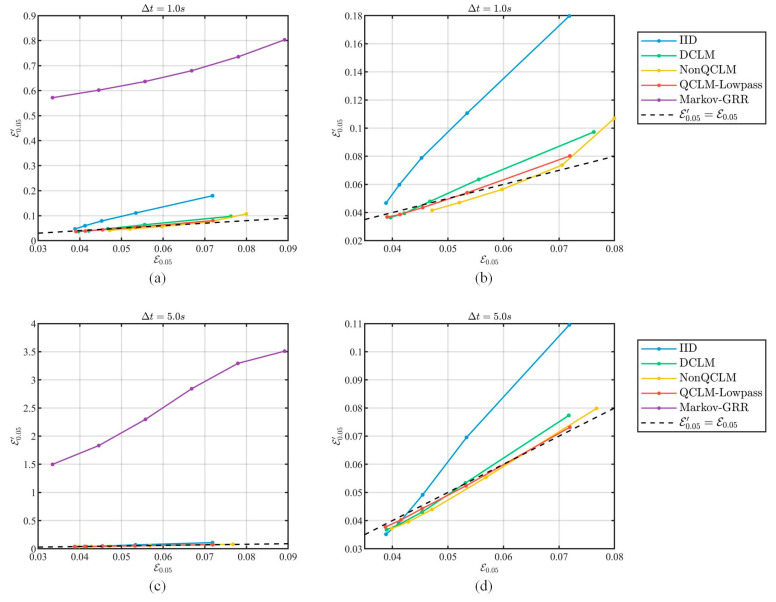 Figure 15
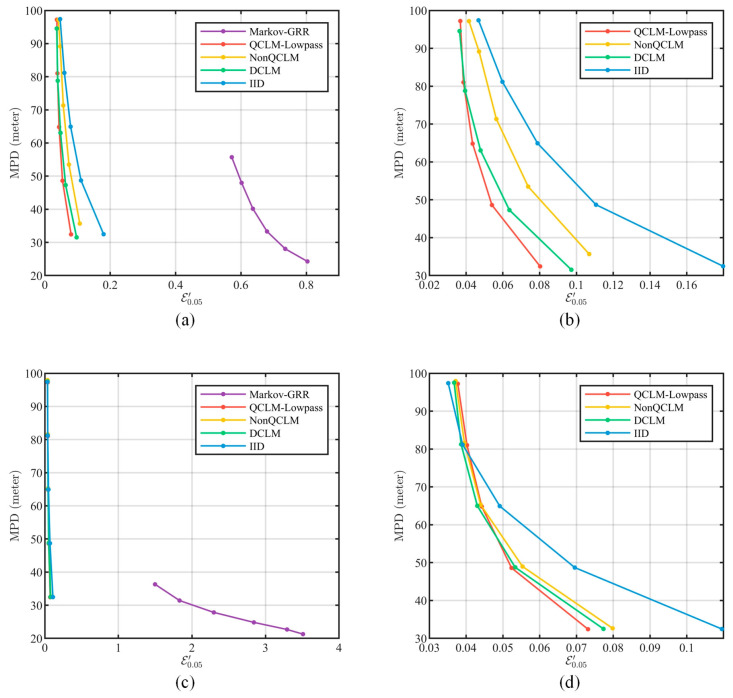 Figure 16
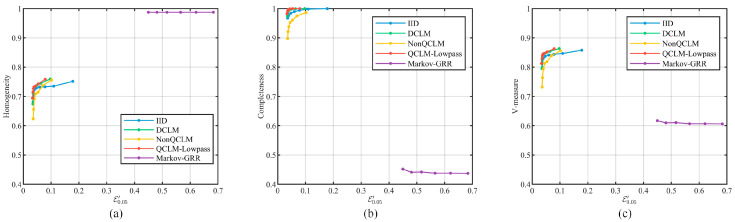 Figure 17
Peer Reviews
No public reviews on file for this paper yet. If you reviewed it on a platform where reviews are public (OpenReview, ICLR, NeurIPS, ICML), you can paste yours below so the community can read it here.
Videos
No videos yet. Explain this paper in a talk, walkthrough, or lecture? Add one.
Taxonomy
TopicsPrivacy-Preserving Technologies in Data · Random Matrices and Applications · Face and Expression Recognition