Node-Wise Monotone Barrier Coupling Law for Formation Control
Jin Gyu Lee, Cyrus Mostajeran, Graham Van Goffrier

TL;DR
This paper introduces a new coupling law inspired by neural systems to control formation patterns in networks.
Contribution
The novel node-wise monotone barrier coupling law enables multiple stable patterns and rapid switching.
Findings
The coupling law mimics neural central pattern generators with multiple stable states on a circle.
Rapid pattern switching is achieved through simple external 'kicks'.
State space partitioning ensures unique steady-state behaviors for each partition.
Abstract
We study a node-wise monotone barrier coupling law, motivated by the synaptic coupling of neural central pattern generators. It is illustrated that this coupling imitates the desirable properties of neural central pattern generators. In particular, the coupling law (1) allows us to assign multiple central patterns on the circle and (2) allows for rapid switching between different patterns via simple ‘kicks’. In the end, we achieve full control by partitioning the state space by utilizing a barrier effect and assigning a unique steady-state behavior to each element of the resulting partition. We analyze the global behavior and study the viability of the design.
Genes, proteins, chemicals, diseases, species, mutations and cell lines named across the full text — each resolved to its canonical identifier and authoritative record.
Click any figure to enlarge with its caption.
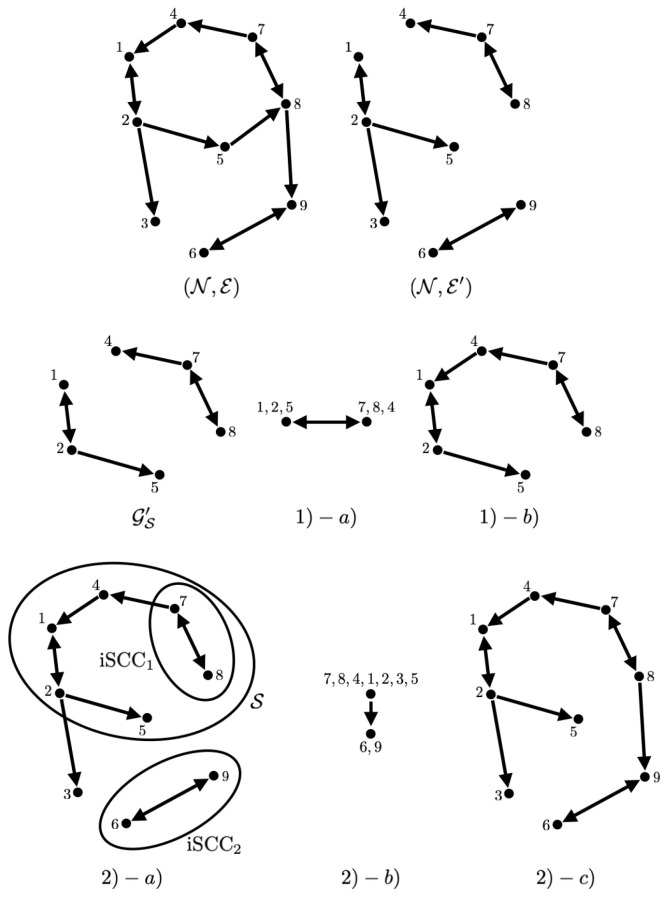 Figure 1
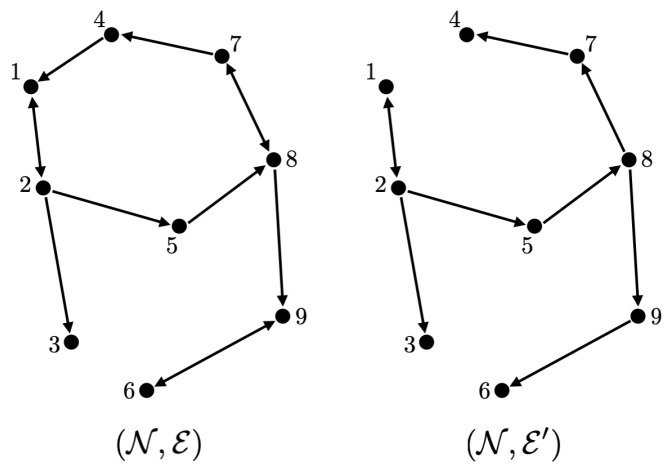 Figure 2
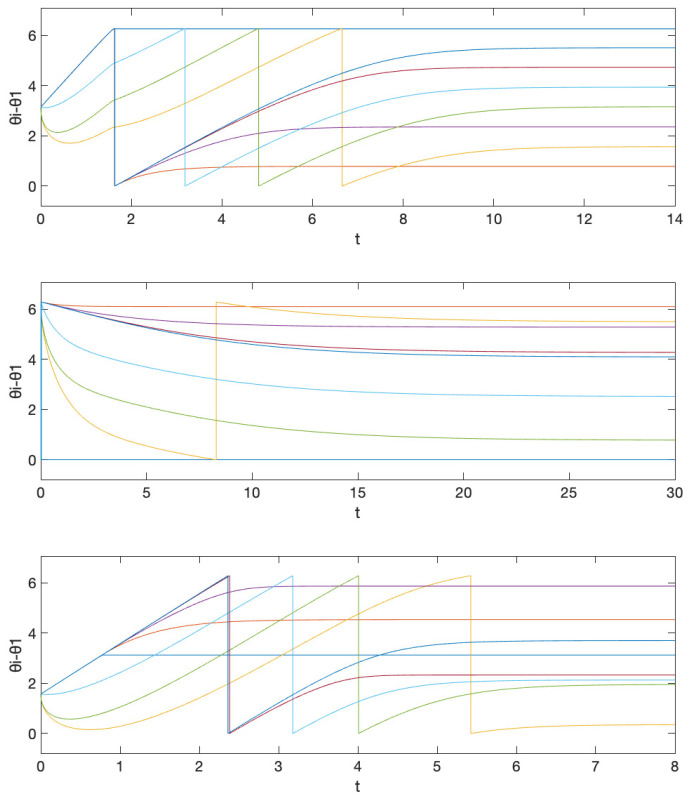 Figure 3
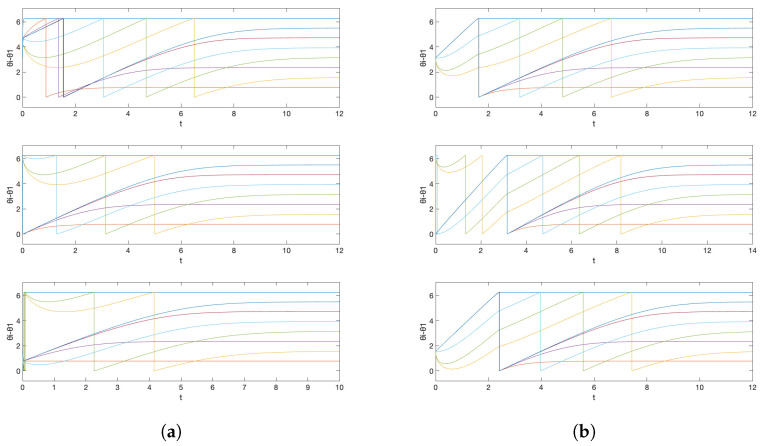 Figure 4
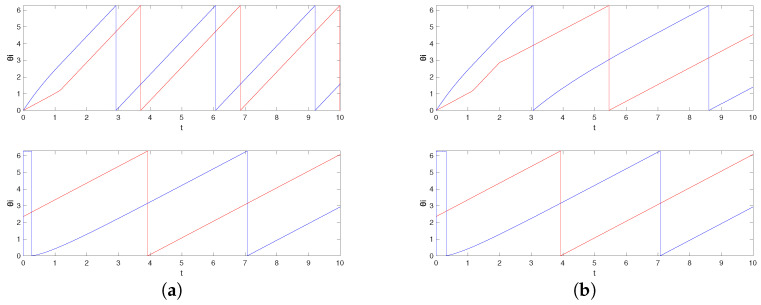 Figure 5
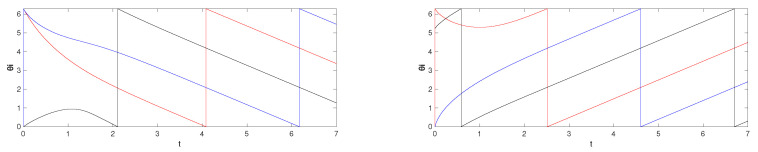 Figure 6
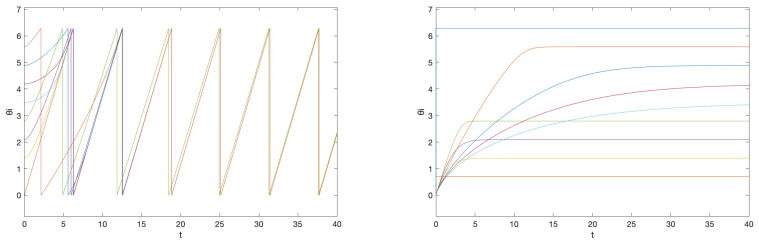 Figure 7
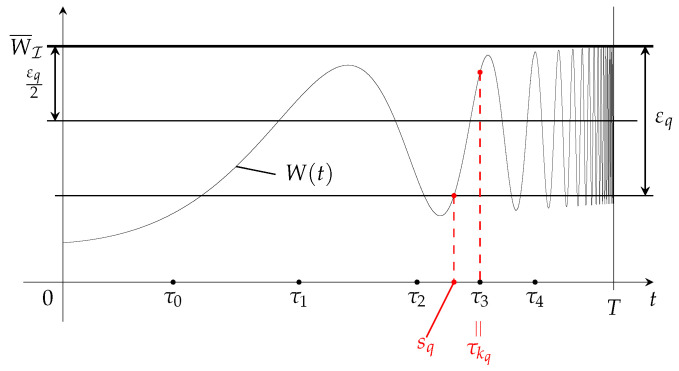 Figure 8
Peer Reviews
No public reviews on file for this paper yet. If you reviewed it on a platform where reviews are public (OpenReview, ICLR, NeurIPS, ICML), you can paste yours below so the community can read it here.
Videos
No videos yet. Explain this paper in a talk, walkthrough, or lecture? Add one.
Taxonomy
TopicsAdvanced Memory and Neural Computing · Neural dynamics and brain function · Neural Networks and Reservoir Computing