Multifractal Multiscale Analysis of Human Movements during Cognitive Tasks
Andrea Faini, Laurent M. Arsac, Veronique Deschodt-Arsac, Paolo Castiglioni

TL;DR
This study explores how human movements change during cognitive tasks using a new method called MFMS-DFA, revealing insights into brain-movement coordination.
Contribution
The study introduces and validates MFMS-DFA for analyzing multiscale movement dynamics during cognitive tasks.
Findings
MFMS-DFA detected multifractality in pedal revolution periods during cycling.
Cognitive tasks altered multifractality at specific time scales.
Collaborative play reduced these alterations, especially in skilled players.
Abstract
Continuous adaptations of the movement system to changing environments or task demands rely on superposed fractal processes exhibiting power laws, that is, multifractality. The estimators of the multifractal spectrum potentially reflect the adaptive use of perception, cognition, and action. To observe time-specific behavior in multifractal dynamics, a multiscale multifractal analysis based on DFA (MFMS-DFA) has been recently proposed and applied to cardiovascular dynamics. Here we aimed at evaluating whether MFMS-DFA allows identifying multiscale structures in the dynamics of human movements. Thirty-six (12 females) participants pedaled freely, after a metronomic initiation of the cadence at 60 rpm, against a light workload for 10 min: in reference to cycling (C), cycling while playing “Tetris” on a computer, alone (CT) or collaboratively (CTC) with another pedaling participant. Pedal…
Genes, proteins, chemicals, diseases, species, mutations and cell lines named across the full text — each resolved to its canonical identifier and authoritative record.
Click any figure to enlarge with its caption.
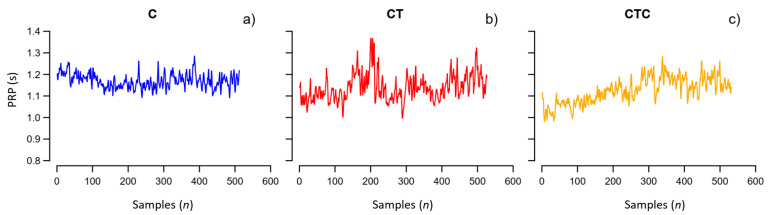 Figure 1
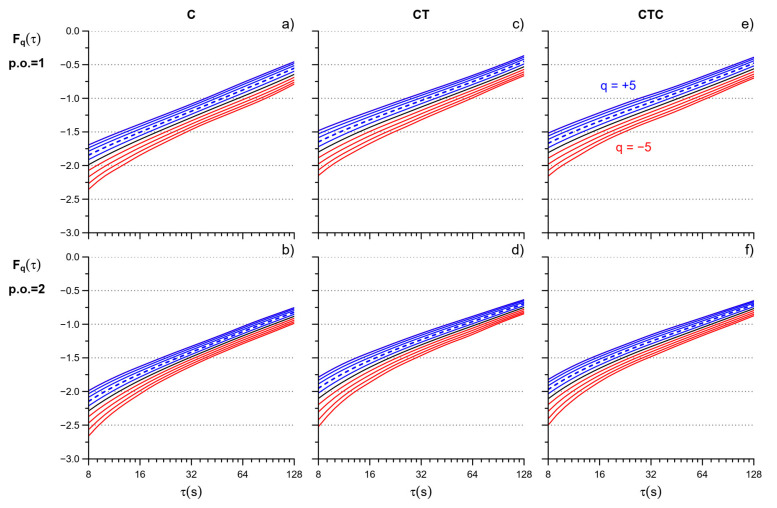 Figure 2
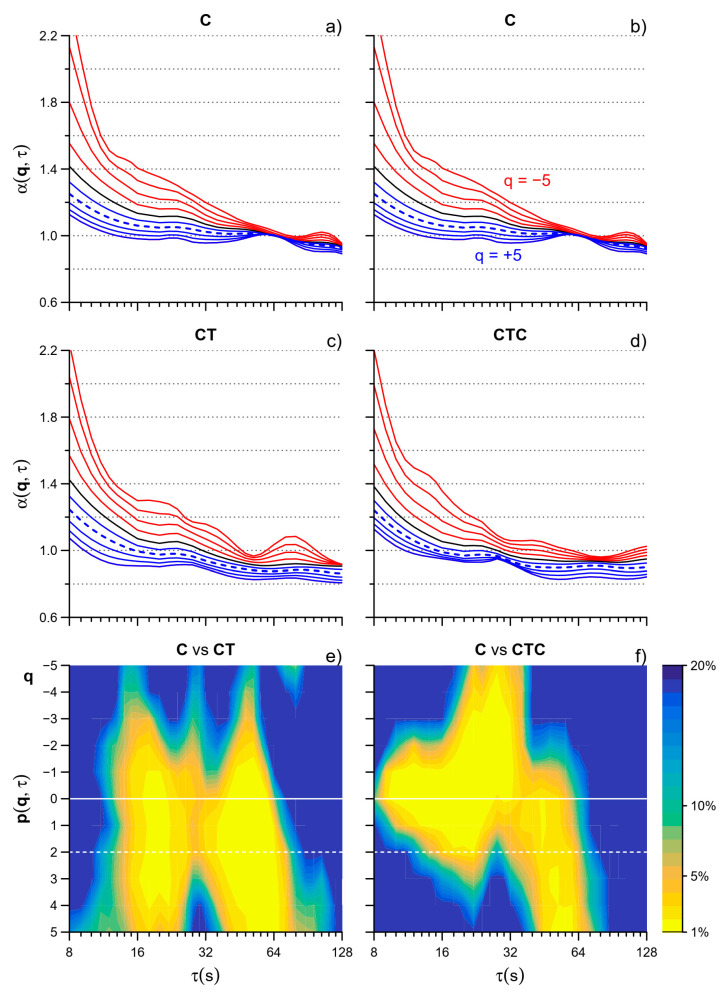 Figure 3
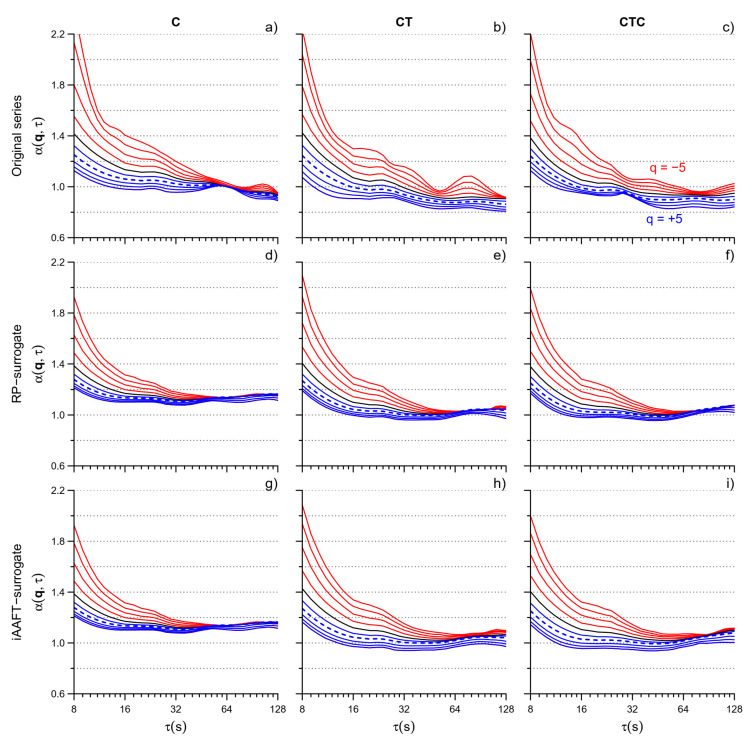 Figure 4
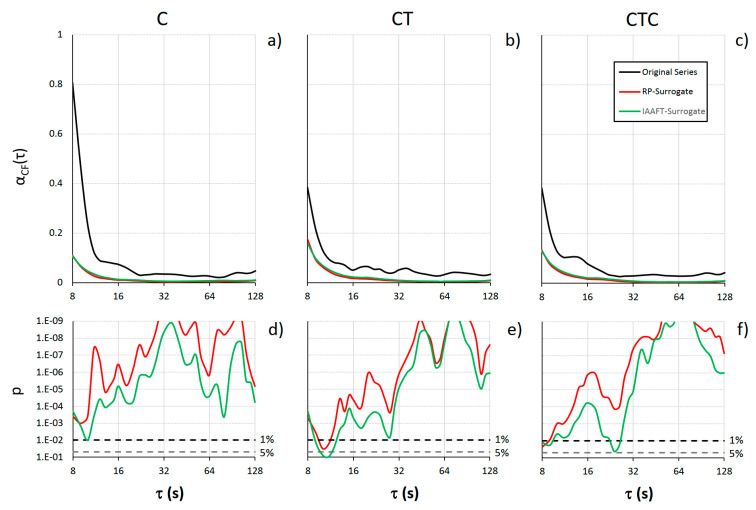 Figure 5
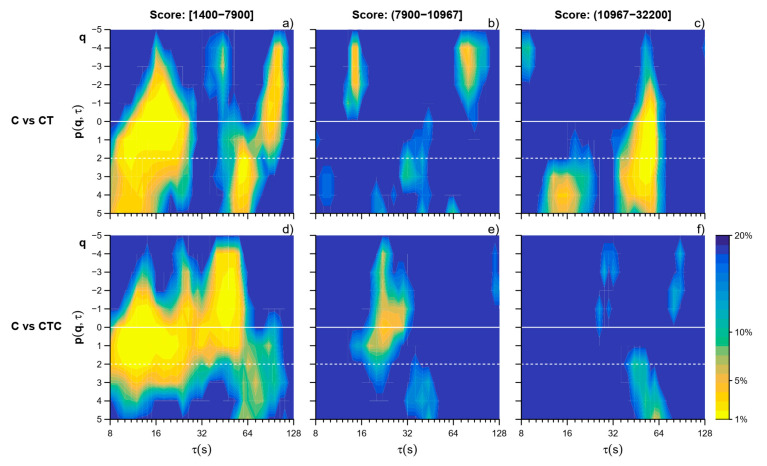 Figure 6
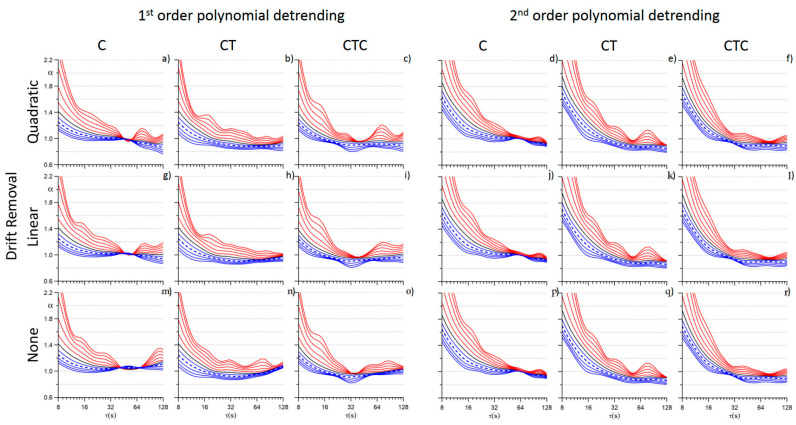 Figure 7
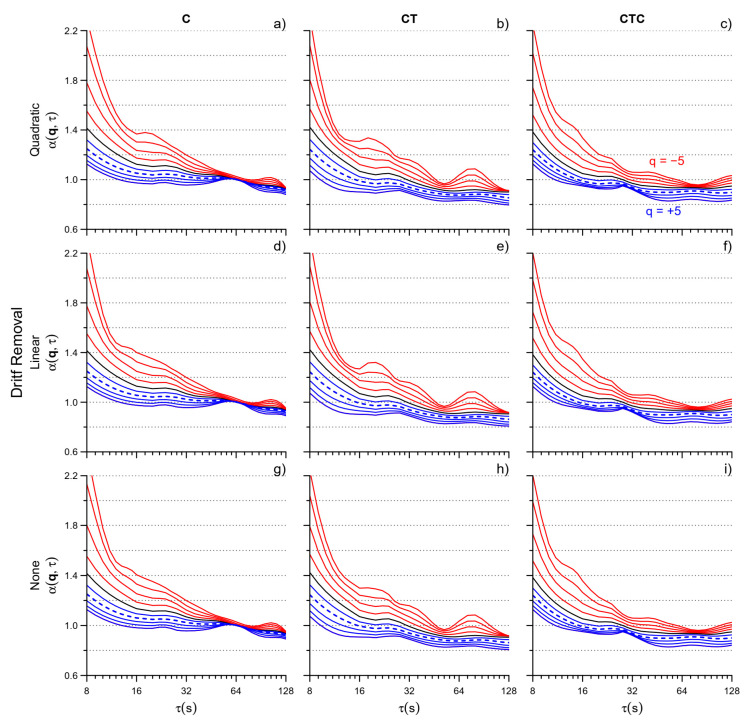 Figure 8
Peer Reviews
No public reviews on file for this paper yet. If you reviewed it on a platform where reviews are public (OpenReview, ICLR, NeurIPS, ICML), you can paste yours below so the community can read it here.
Videos
No videos yet. Explain this paper in a talk, walkthrough, or lecture? Add one.
Taxonomy
TopicsComparative International Legal Studies · Information Technology and Learning · Finance, Taxation, and Governance