Endoscopic radial incision of a congenital antral web in a child
Nuoya Zhou, Ou Chen, Xianglei Yuan, Bing Hu

Abstract
Genes, proteins, chemicals, diseases, species, mutations and cell lines named across the full text — each resolved to its canonical identifier and authoritative record.
Click any figure to enlarge with its caption.
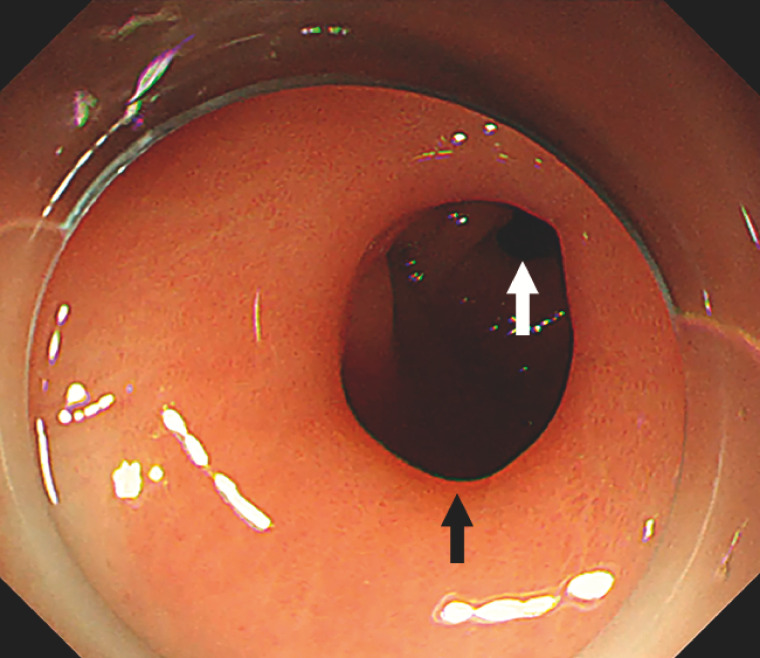 Fig. 1
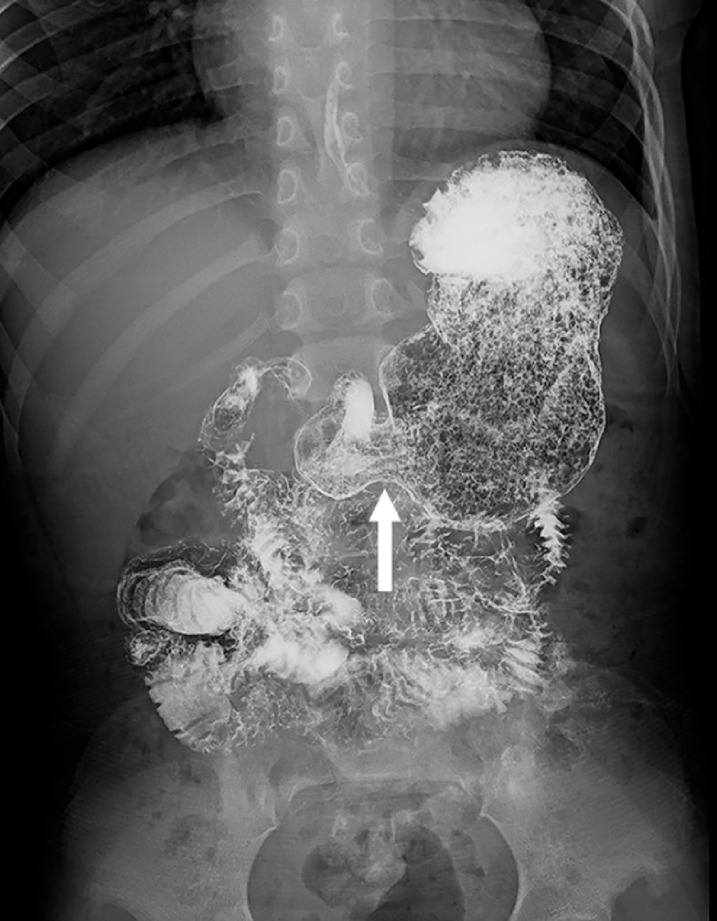 Fig. 2
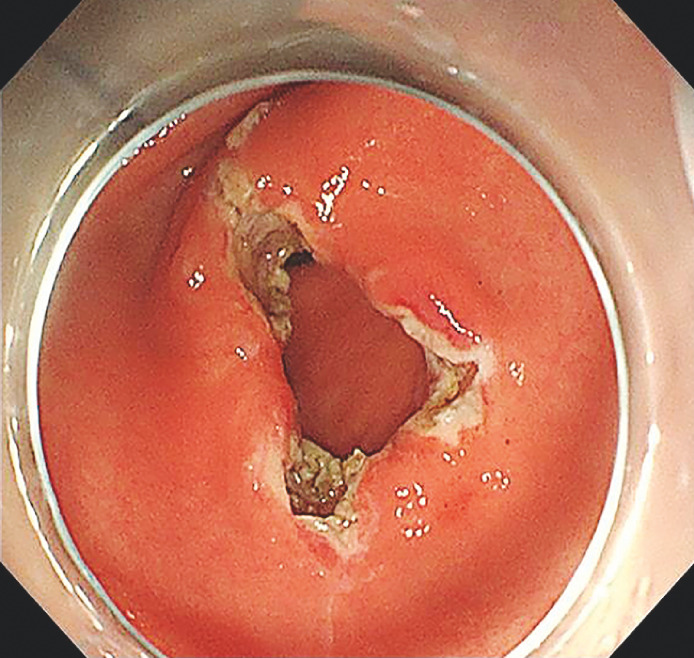 Fig. 3
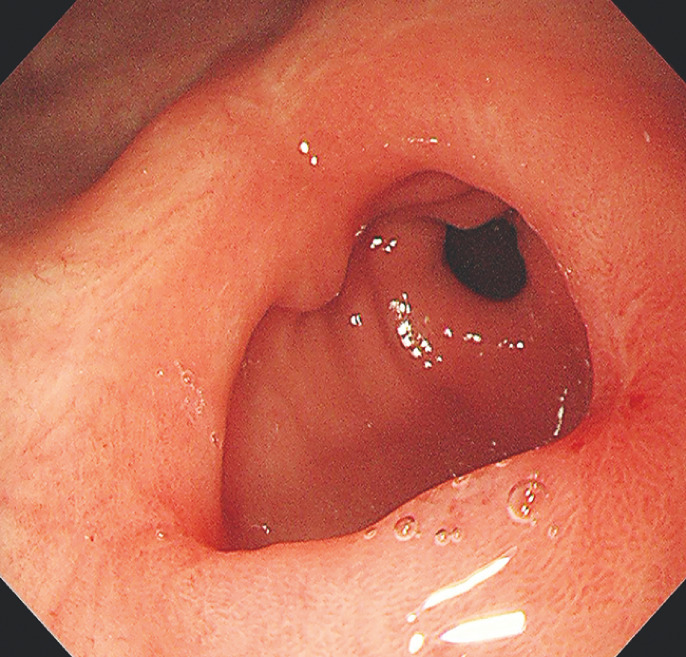 Fig. 4
- —1·3·5 project for disciplines of excellence, West China Hospital, Sichuan University
- —National Natural Science Foundation of China10.13039/501100001809
Peer Reviews
No public reviews on file for this paper yet. If you reviewed it on a platform where reviews are public (OpenReview, ICLR, NeurIPS, ICML), you can paste yours below so the community can read it here.
Videos
No videos yet. Explain this paper in a talk, walkthrough, or lecture? Add one.
Taxonomy
TopicsCongenital Anomalies and Fetal Surgery · Tracheal and airway disorders · Congenital Heart Disease Studies
A 5-year-old boy presented with intermittent nonbilious vomiting for over 1 year. During the gastroscopy examination, an antral web with a central aperture was found with the pylorus visible in the distance ( Fig. 1 ). A barium swallow test showed narrowing in the area of antrum and pylorus, but the contrast agent could still pass through ( Fig. 2 ). The definitive diagnosis of “congenital antral web, incomplete antral web” was made. Endoscopic treatment was subsequently performed ( Fig. 3 , Video 1 ). The web was incised directly using an insulated-tipped knife (Olympus, Tokyo, Japan) in a radial pattern at eleven, three, and seven o'clock until the circular muscle was completely cut, clearly exposing the antrum and pylorus. The endoscope was able to pass the pylorus smoothly after the incision. The patient was discharged in stable condition after 6 days without any adverse events. The patient's symptoms were significantly resolved and a follow-up endoscopy at 6 months suggested good wound healing and widened aperture of the residual web ( Fig. 4 ).
Endoscopic view of the antral web (black arrow) and the pylorus (white arrow).
Barium swallow test showed narrowing in the area of antrum and pylorus (arrow).
Endoscopic antral web radial incision.
Endoscopic radial incision of a congenital antral web in a child.Video 1
Endoscopic follow-up showed widened aperture of the residual web.
Antral web is a rare cause of gastric outlet obstruction. Its current treatment is mostly surgical web excision with pyloroplasty, but this method can be traumatic and often causes complications like bile reflux. Endoscopic treatment offers advantages of minimal damage to surrounding tissues and normal anatomy, shorter operation time, and faster postoperative recovery. There are few reports on endoscopic intervention for congenital antral web, usually combined with balloon dilation 1 . However, balloon dilation may have to be performed multiple times owing to unsatisfactory results. Our patient achieved successful results with a simple endoscopic radial incision, performed only once, with no signs of further narrowing. Endoscopic radial incision may be a safe and effective method for treating incomplete congenital antral web.
Endoscopy_UCTN_Code_TTT_1AO_2AH
The reference list from the paper itself. Each links out to its DOI / PubMed record.