Development of a novel mycobiome diagnostic for fungal infection
Danielle Weaver, Lilyann Novak-Frazer, Maisie Palmer, Malcolm Richardson, Mike Bromley, Paul Bowyer

TL;DR
This study developed a new DNA sequencing method to better detect and count fungi in clinical samples, outperforming existing techniques.
Contribution
A novel NGS fungal diagnostic assay using the Tef1 target was developed, offering improved accuracy and quantitation over ITS1-based methods.
Findings
The Tef1 assay successfully identified and quantified multiple fungal species in mock communities.
The Tef1 assay outperformed ITS1 in identifying filamentous fungi like A. fumigatus in mixed communities.
The assay detected as few as 2 haploid genome equivalents of A. fumigatus in clinical samples.
Abstract
Amplicon-based mycobiome analysis has the potential to identify all fungal species within a sample and hence could provide a valuable diagnostic assay for use in clinical mycology settings. In the last decade, the mycobiome has been increasingly characterised by targeting the internal transcribed spacer (ITS) regions. Although ITS targets give broad coverage and high sensitivity, they fail to provide accurate quantitation as the copy number of ITS regions in fungal genomes is highly variable even within species. To address these issues, this study aimed to develop a novel NGS fungal diagnostic assay using an alternative amplicon target. Novel universal primers were designed to amplify a highly diverse single copy and uniformly sized DNA target (Tef1) to enable mycobiome analysis on the Illumina iSeq100 which is a low cost, small footprint and simple to use next-generation sequencing…
Genes, proteins, chemicals, diseases, species, mutations and cell lines named across the full text — each resolved to its canonical identifier and authoritative record.
Click any figure to enlarge with its caption.
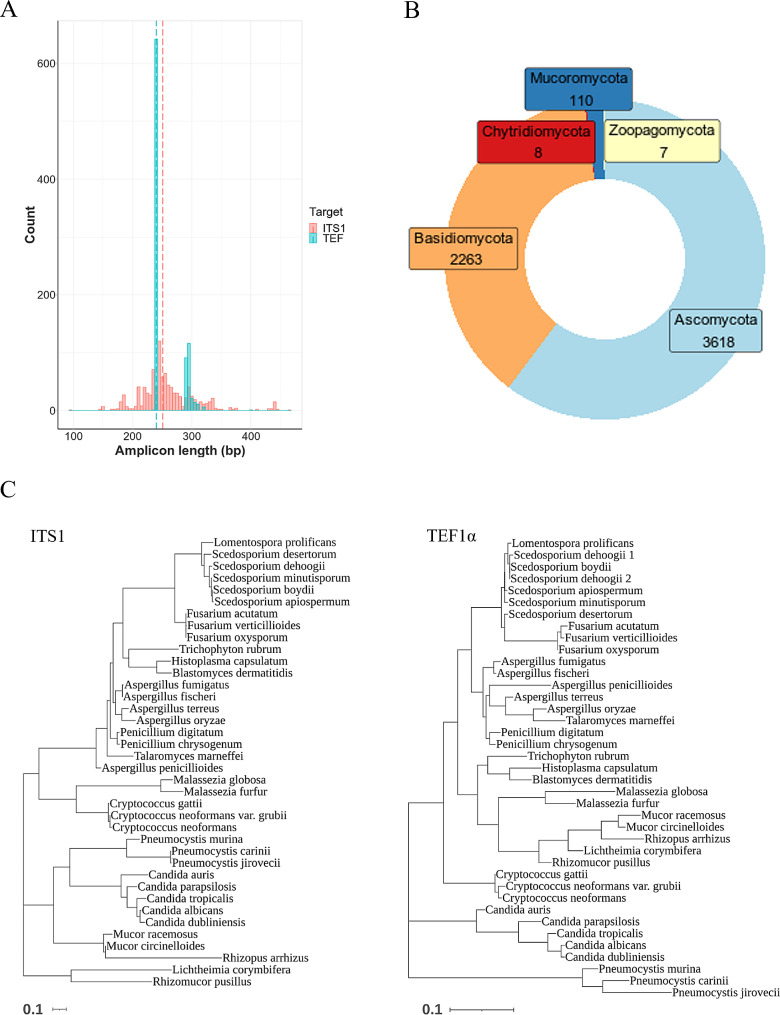 Figure 1
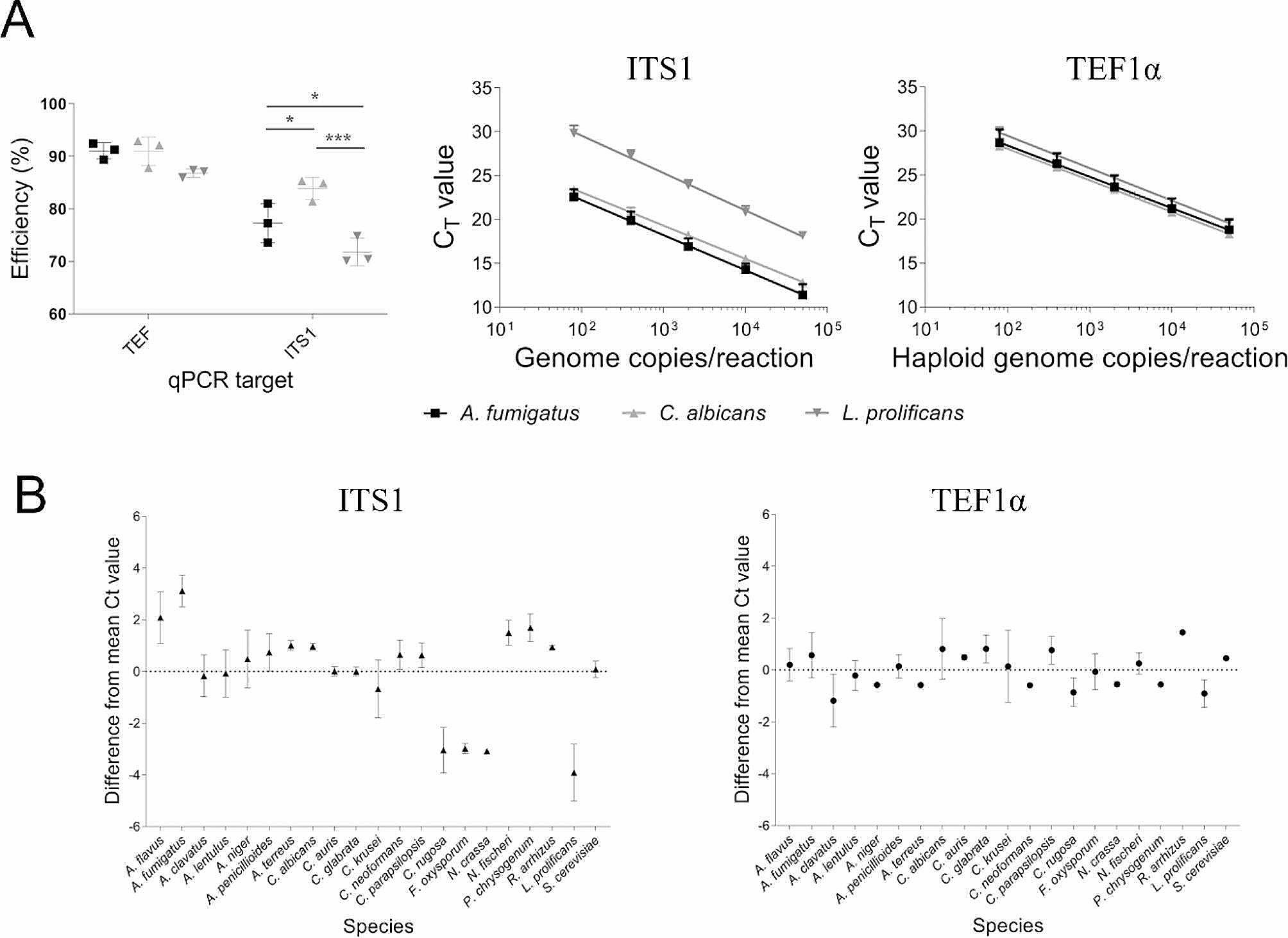 Figure 2
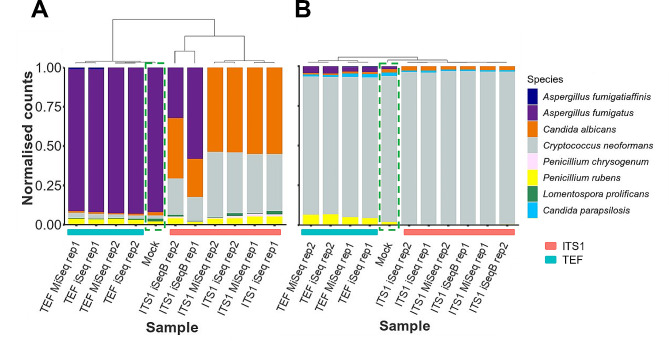 Figure 3
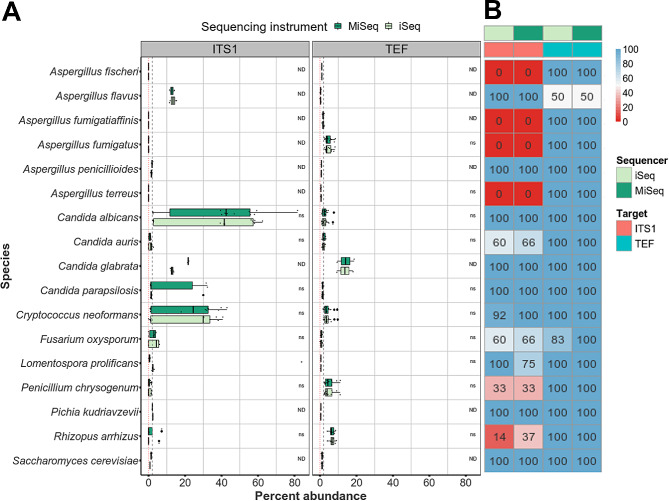 Figure 4
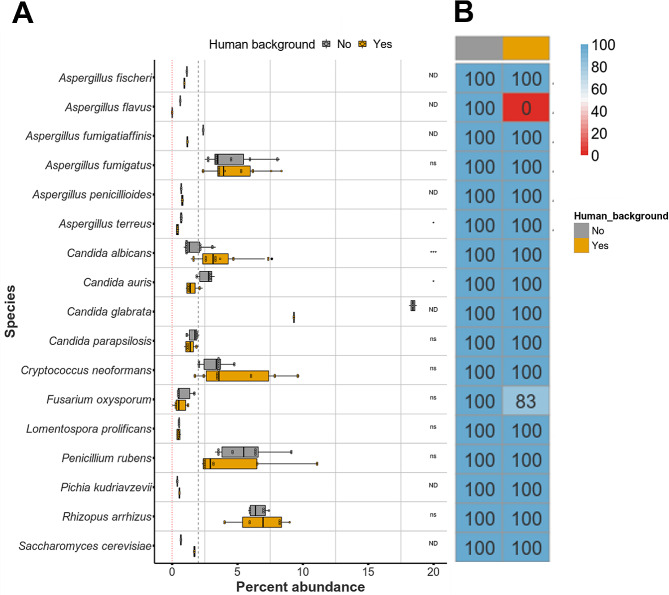 Figure 5
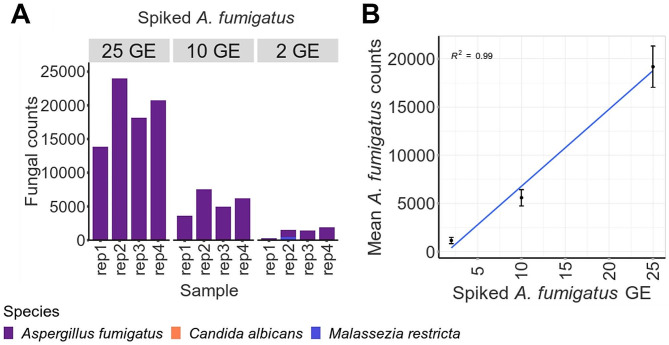 Figure 6
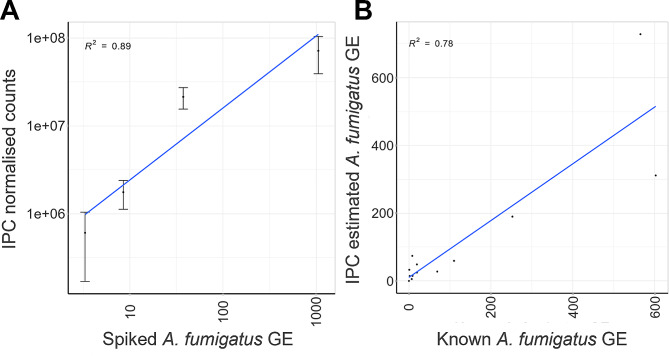 Figure 7
Peer Reviews
No public reviews on file for this paper yet. If you reviewed it on a platform where reviews are public (OpenReview, ICLR, NeurIPS, ICML), you can paste yours below so the community can read it here.
Videos
No videos yet. Explain this paper in a talk, walkthrough, or lecture? Add one.
Taxonomy
TopicsLegal processes and jurisprudence · Forensic and Genetic Research · Ethics in Clinical Research