Genetic analysis of a pedigree with MECP2 duplication syndrome in China
Lan Zeng, Hui Zhu, Jin Wang, Qiyan Wang, Ying Pang, Zemin Luo, Ai Chen, Shengfang Qin, Shuyao Zhu

TL;DR
This study identifies a genetic duplication in a Chinese family linked to MECP2 duplication syndrome, a rare disorder affecting males with developmental delays and health issues.
Contribution
The study reports a novel MECP2 duplication case in China, including detailed genetic analysis and clinical observations.
Findings
A male patient was found to have a 14.45 Mb duplication in Xq27.1q28, confirmed by CNV-seq.
The duplication was inherited from a mother with a mild phenotype and not present in other family members.
The findings support the importance of genetic testing for early diagnosis and reproductive guidance.
Abstract
MECP2 duplication syndrome (MDS) is a rare X-linked genomic disorder that primarily affects males. It is characterized by delayed or absent speech development, severe motor and cognitive impairment, and recurrent respiratory infections. MDS is caused by the duplication of a chromosomal region located on chromosome Xq28, which contains the methyl CpG binding protein-2 (MECP2) gene. MECP2 functions as a transcriptional repressor or activator, regulating genes associated with nervous system development. The objective of this study is to provide a clinical description of MDS, including imaging changes observed from the fetal period to the neonatal period. Conventional G-banding was employed to analyze the chromosome karyotypes of all pedigrees under investigation. Subsequently, whole exome sequencing (WES), advanced biological information analysis, and pedigree validation were conducted,…
Genes, proteins, chemicals, diseases, species, mutations and cell lines named across the full text — each resolved to its canonical identifier and authoritative record.
Click any figure to enlarge with its caption.
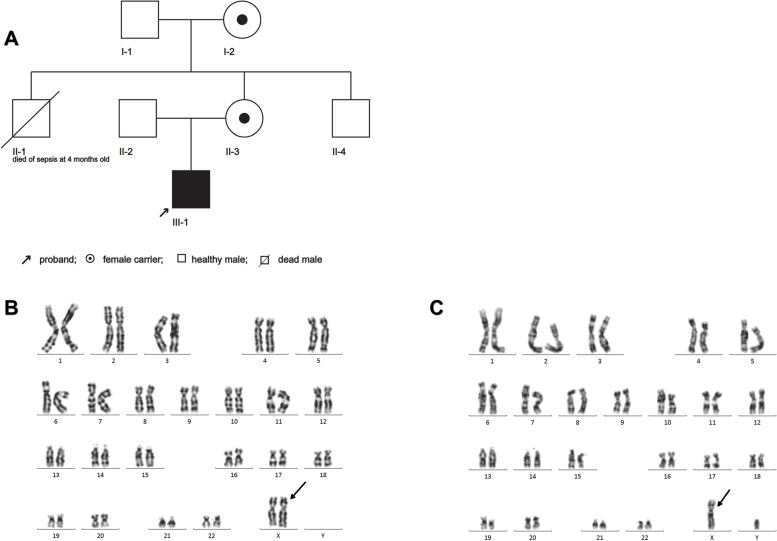 Figure 1
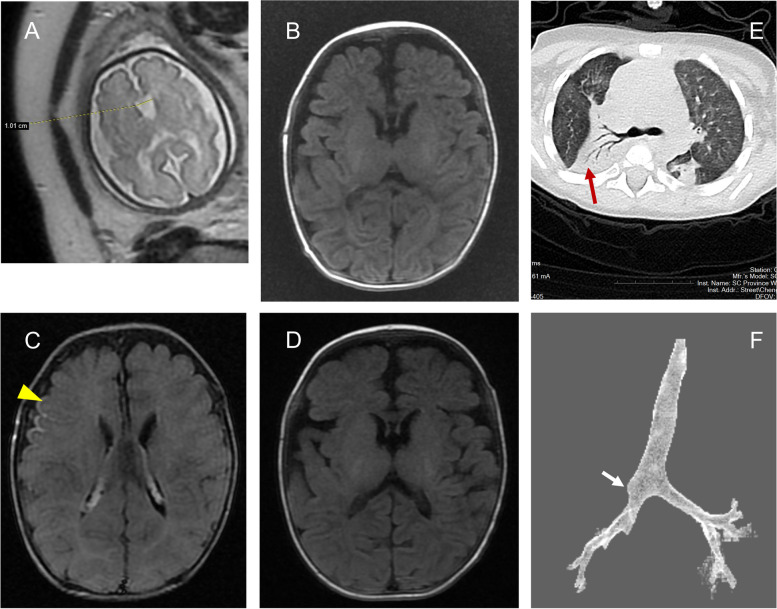 Figure 2
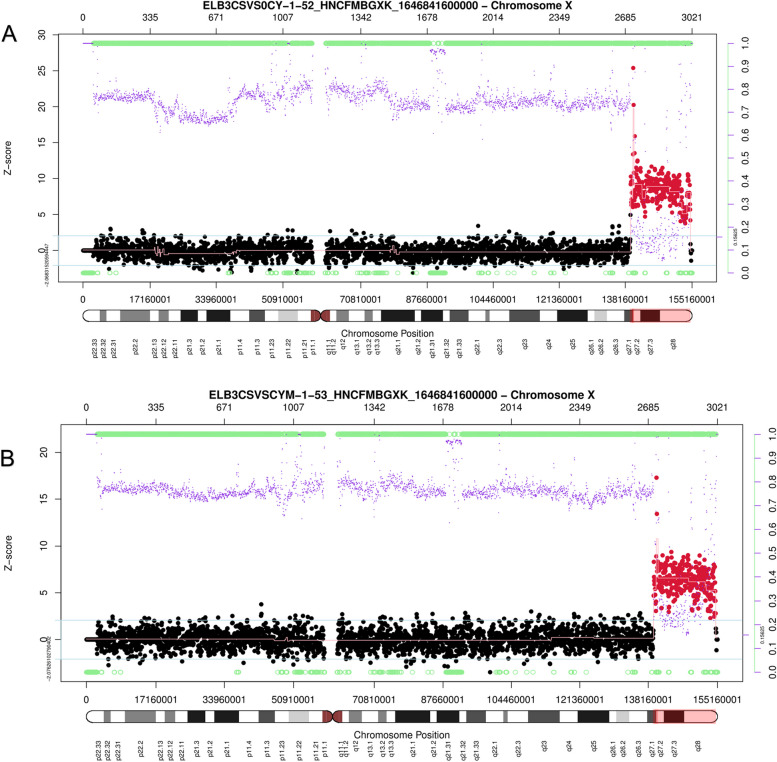 Figure 3
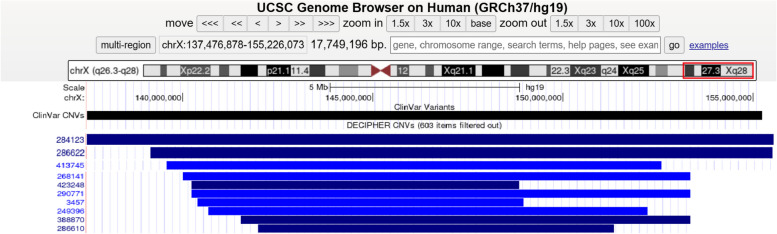 Figure 4
Peer Reviews
No public reviews on file for this paper yet. If you reviewed it on a platform where reviews are public (OpenReview, ICLR, NeurIPS, ICML), you can paste yours below so the community can read it here.
Videos
No videos yet. Explain this paper in a talk, walkthrough, or lecture? Add one.
Taxonomy
TopicsGenetics and Neurodevelopmental Disorders · Genomic variations and chromosomal abnormalities · RNA modifications and cancer