Deoxyribose Nucleic Acid Damage and Its Association With Plasma Malondialdehyde Levels Among Patients With Cervical Cancer: A Case-Control Study
Sankara Narayanan G, Rajasekhar SSSN, Latha Chaturvedula, Prashant Adole

TL;DR
This study found higher DNA damage and oxidative stress in cervical cancer patients compared to controls, suggesting a potential new diagnostic tool.
Contribution
The study introduces a potential predictive test combining DNA damage assessment and plasma MDA levels for cervical cancer risk evaluation.
Findings
Cervical cancer patients showed significantly higher DNA damage metrics compared to controls.
Plasma MDA levels positively correlated with DNA damage parameters in cervical cancer cases.
Specific demographic factors were associated with increased DNA damage in cervical cancer patients.
Abstract
Purpose The objective of this research project was to estimate DNA damage in patients diagnosed with cervical cancer using the comet assay, establish a correlation between this quantification and the oxidative stress marker malondialdehyde (MDA; plasma MDA), and compare the resulting parameters between the cases and age-matched controls. Materials and methods This study included 49 cervical cancer cases and 49 age-matched controls to measure DNA damage parameters such as comet length, head diameter, percentage of DNA in the comet head, tail length, percentage of DNA in the comet tail, and oxidative stress marker (plasma MDA) using the thiobarbituric acid reactive substance (TBARS) enzyme-linked immunosorbent assay (ELISA) method. Results Comet metrics suggesting DNA damage, such as comet length, tail length, and percentage of DNA in the comet tail, were considerably higher in…
Genes, proteins, chemicals, diseases, species, mutations and cell lines named across the full text — each resolved to its canonical identifier and authoritative record.
Click any figure to enlarge with its caption.
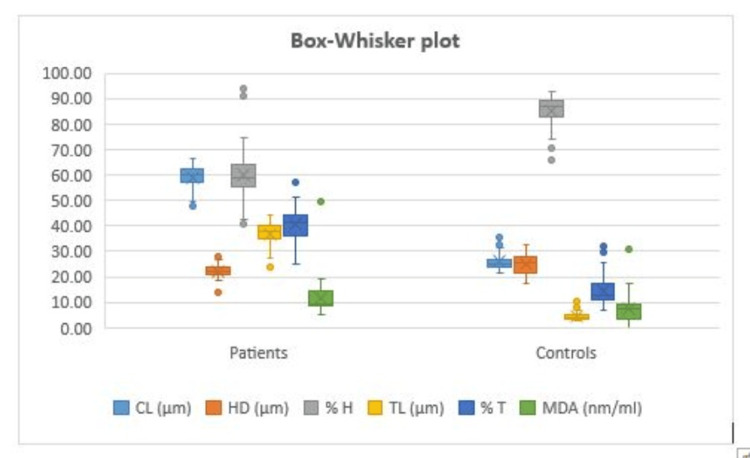 Figure 1
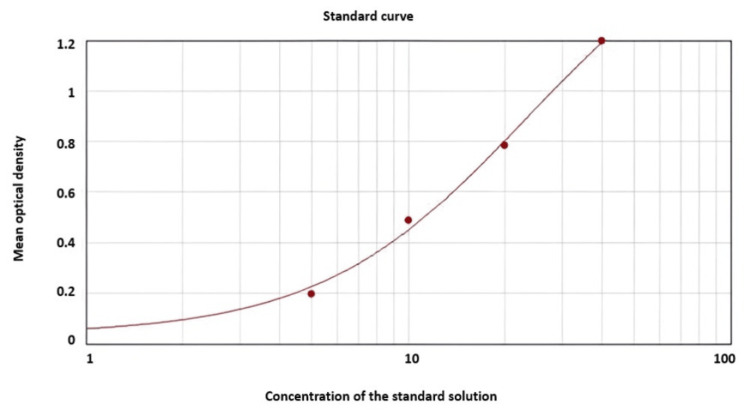 Figure 2
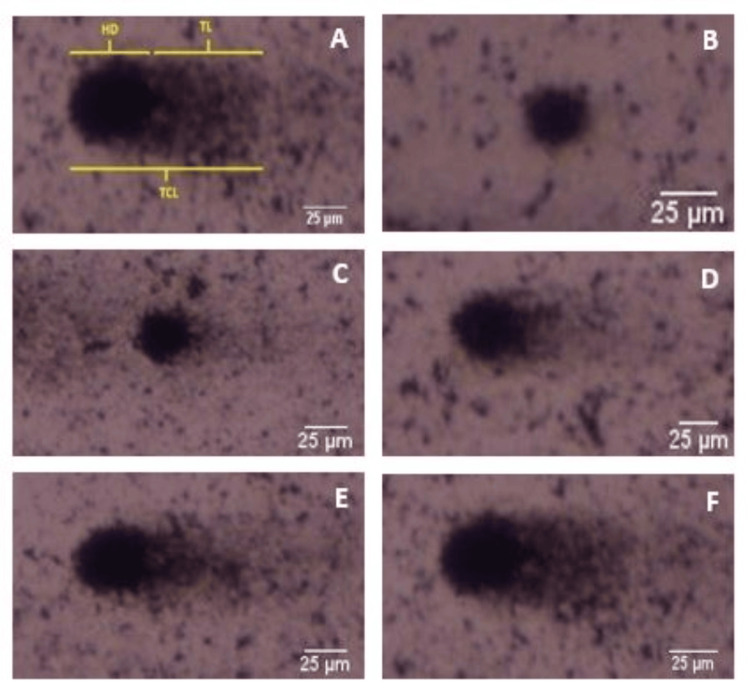 Figure 3
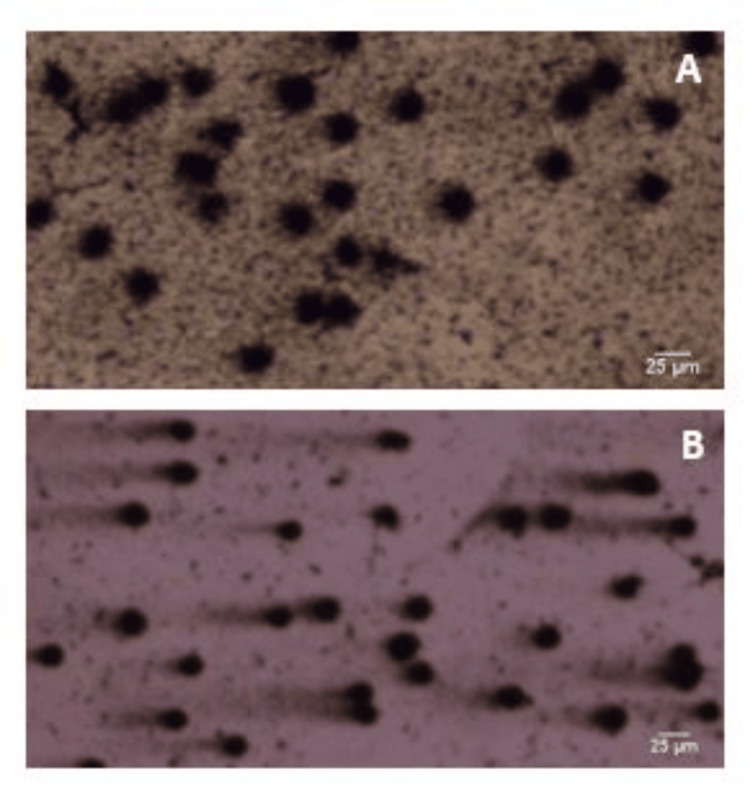 Figure 4
Peer Reviews
No public reviews on file for this paper yet. If you reviewed it on a platform where reviews are public (OpenReview, ICLR, NeurIPS, ICML), you can paste yours below so the community can read it here.
Videos
No videos yet. Explain this paper in a talk, walkthrough, or lecture? Add one.
Taxonomy
TopicsCarcinogens and Genotoxicity Assessment · Glutathione Transferases and Polymorphisms · Molecular Biology Techniques and Applications