CCN3, POSTN, and PTHLH as potential key regulators of genomic integrity and cellular survival in iPSCs
Nuha T. Swaidan, Nada H. Soliman, Ahmed T. Aboughalia, Toqa Darwish, Ruba O. Almeshal, Azhar A. Al-Khulaifi, Rowaida Z. Taha, Rania Alanany, Ahmed Y. Hussein, Salam Salloum-Asfar, Sara A. Abdulla, Abdallah M. Abdallah, Mohamed M. Emara

TL;DR
This paper identifies three genes, CCN3, POSTN, and PTHLH, that may help maintain genomic stability and pluripotency in reprogrammed stem cells.
Contribution
The study identifies CCN3, POSTN, and PTHLH as novel genes potentially regulating genomic integrity and survival in iPSCs.
Findings
CCN3, POSTN, and PTHLH are differentially expressed and interact with proteins related to cell survival and signaling.
POSTN interacts with extracellular matrix components and Wnt signaling factors.
CCN3 interacts with TP53 and CDKN1A, suggesting roles in apoptosis and proliferation.
Abstract
Reprogramming human somatic cells into a pluripotent state, achieved through the activation of well-defined transcriptional factors known as OSKM factors, offers significant potential for regenerative medicine. While OSKM factors are a robust reprogramming method, efficiency remains a challenge, with only a fraction of cells undergoing successful reprogramming. To address this, we explored genes related to genomic integrity and cellular survival, focusing on iPSCs (A53T-PD1) that displayed enhanced colony stability. Our investigation had revealed three candidate genes CCN3, POSTN, and PTHLH that exhibited differential expression levels and potential roles in iPSC stability. Subsequent analyses identified various protein interactions for these candidate genes. POSTN, significantly upregulated in A53T-PD1 iPSC line, showed interactions with extracellular matrix components and potential…
Genes, proteins, chemicals, diseases, species, mutations and cell lines named across the full text — each resolved to its canonical identifier and authoritative record.
Click any figure to enlarge with its caption.
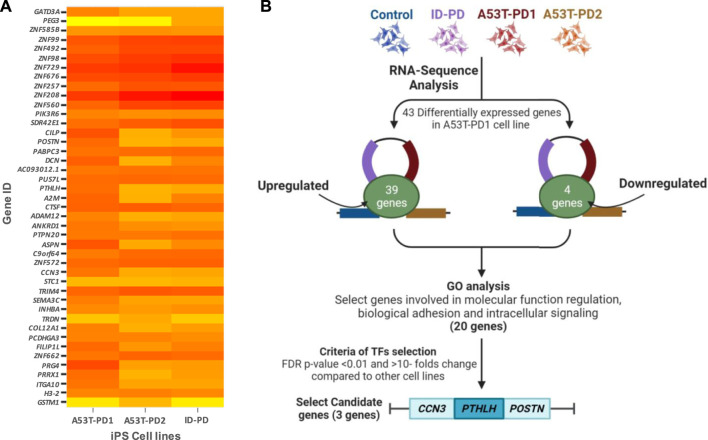 Figure 1
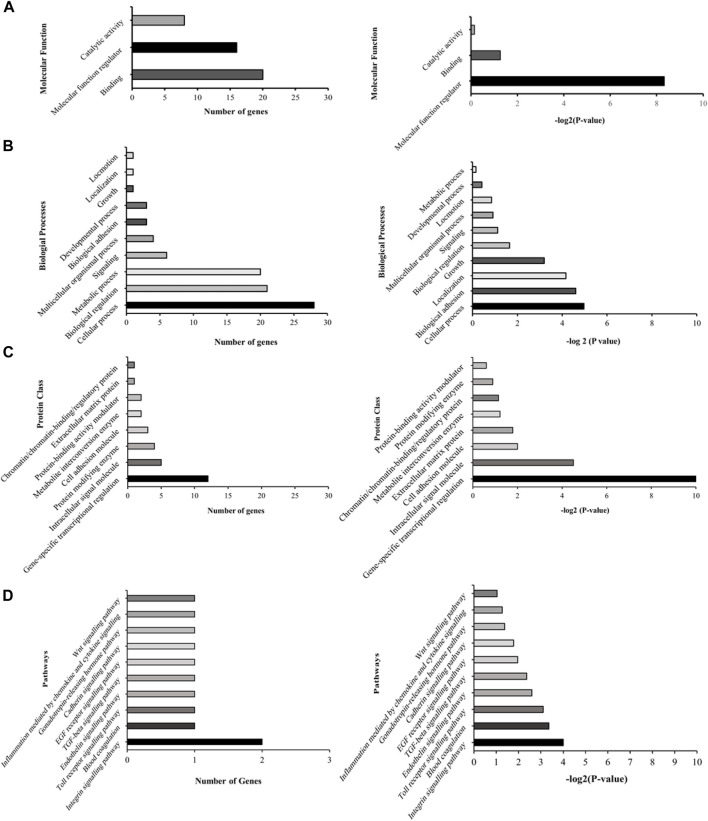 Figure 2
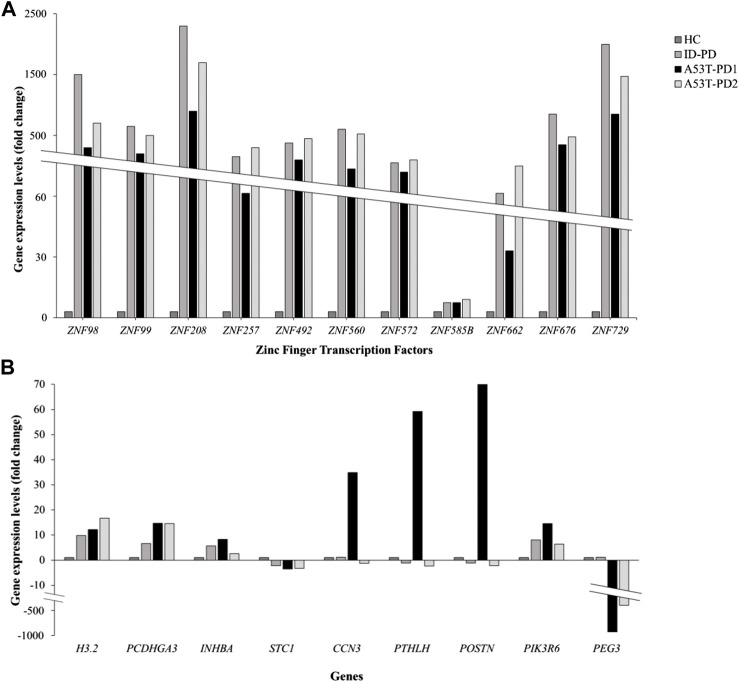 Figure 3
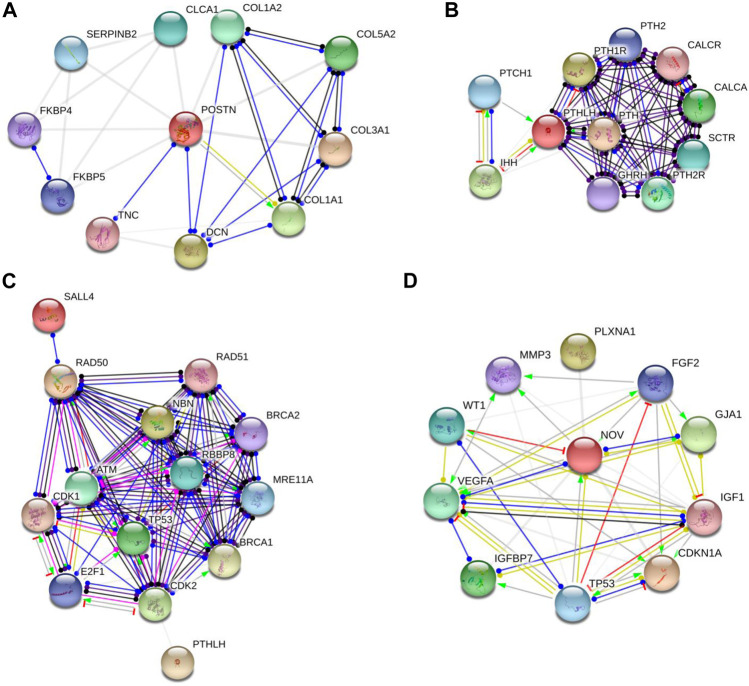 Figure 4
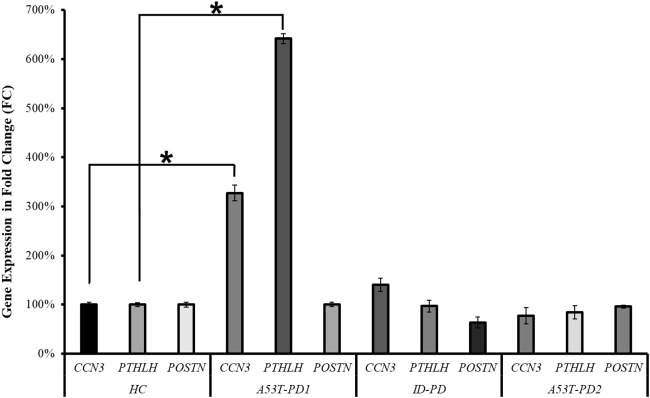 Figure 5
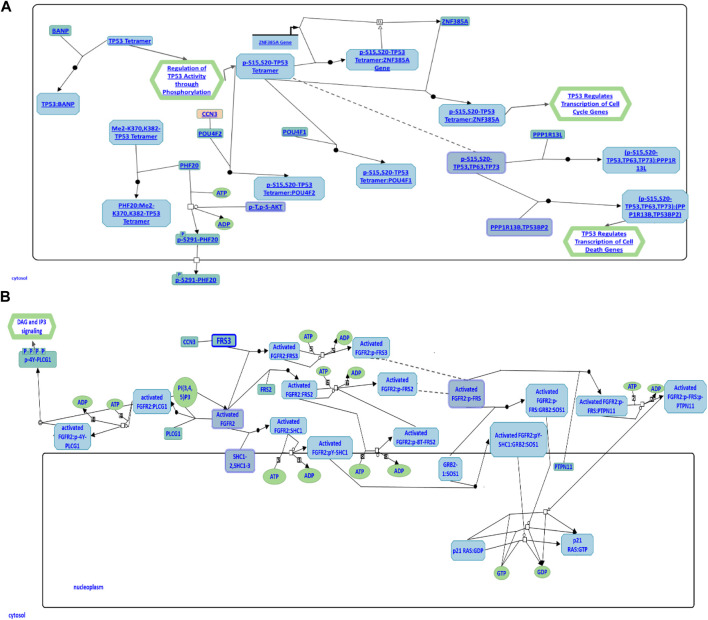 Figure 6
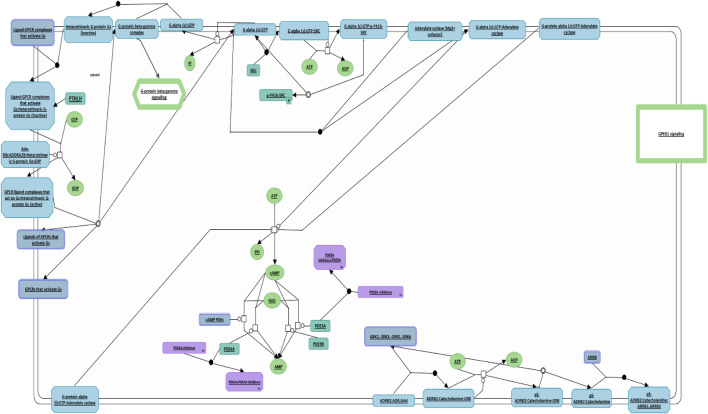 Figure 7
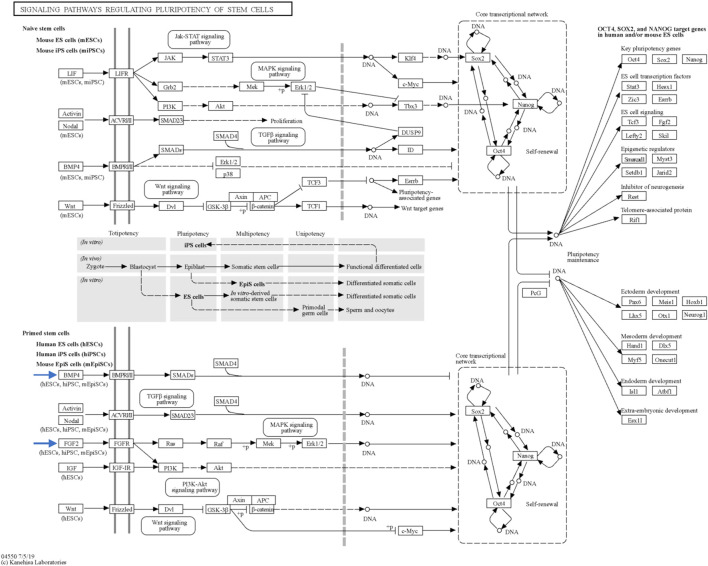 Figure 8
Peer Reviews
No public reviews on file for this paper yet. If you reviewed it on a platform where reviews are public (OpenReview, ICLR, NeurIPS, ICML), you can paste yours below so the community can read it here.
Videos
No videos yet. Explain this paper in a talk, walkthrough, or lecture? Add one.
Taxonomy
TopicsReproductive Biology and Fertility · Renal and related cancers · Pluripotent Stem Cells Research