A Case of a Father and Son With Complex Regional Pain Syndrome Type 1 Exhibiting Different Resting-State Functional Connectivity on Functional MRI
Katsuyuki Moriwaki, Atsuo Yoshino, Yumi Ikejiri, Ryuji Nakamura, Yasuo Tsutsumi

TL;DR
A father and son with CRPS type 1 showed different brain connectivity patterns on fMRI, suggesting that brain activity differences may explain their distinct symptoms.
Contribution
This case study demonstrates distinct resting-state functional connectivity patterns in CRPS type 1 patients with similar diagnoses but different symptoms.
Findings
The father showed decreased connectivity between the rostral prefrontal cortex and orbitofrontal cortex, linked to pain and emotional changes.
The son exhibited reduced connectivity between the supplementary motor area and pallidum, associated with dystonia and movement issues.
Altered resting-state functional connectivity correlates with individual CRPS type 1 phenotypes.
Abstract
Complex regional pain syndrome (CRPS) type 1 is a chronic pain condition whose pathogenesis involves changes in the central and peripheral nervous systems, with potential genetic contributions. Functional magnetic resonance imaging (fMRI) studies report that alterations in resting-state functional connectivity (rsFC) may reflect central nervous system anomalies in CRPS type 1. Herein, we describe the case of a father and son with CRPS type 1 who exhibited different rsFC patterns in fMRI analyses correlating with their individual CRPS phenotypes. A 39-year-old male and his 61-year-old father presented with severe pain and mobility limitations in their right upper limbs following a vehicle accident and a fall, respectively, and were diagnosed with CRPS type 1. Despite receiving treatment, they experienced severe pain and limited mobility. The son exhibited dystonia and musculoskeletal…
Genes, proteins, chemicals, diseases, species, mutations and cell lines named across the full text — each resolved to its canonical identifier and authoritative record.
Click any figure to enlarge with its caption.
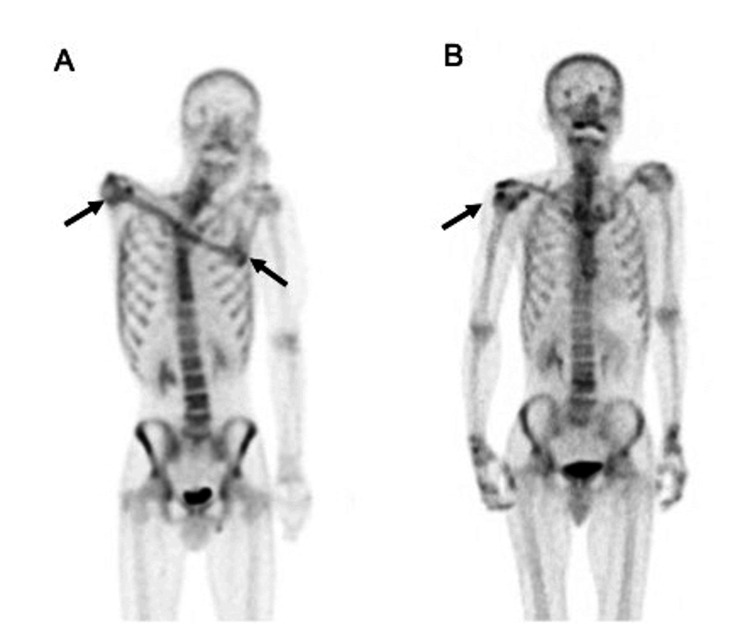 Figure 1
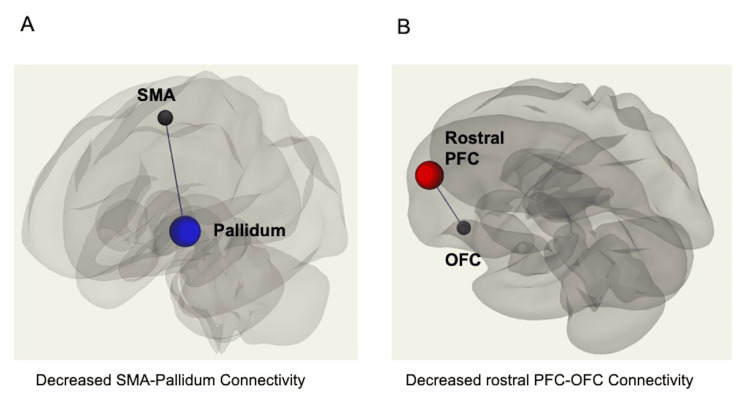 Figure 2
Peer Reviews
No public reviews on file for this paper yet. If you reviewed it on a platform where reviews are public (OpenReview, ICLR, NeurIPS, ICML), you can paste yours below so the community can read it here.
Videos
No videos yet. Explain this paper in a talk, walkthrough, or lecture? Add one.
Taxonomy
TopicsPain Management and Treatment · Musculoskeletal pain and rehabilitation · Pain Mechanisms and Treatments