A Presentation of Babesiosis in the Setting of Low-Grade Follicular B-cell Lymphoma
Erika Foerst, Karthik Shankar, Jing Zhou, Arezoo Ghaneie

TL;DR
This case report discusses the diagnostic challenges of distinguishing babesiosis from low-grade lymphoma symptoms and suggests screening for babesiosis before immunosuppressive treatment.
Contribution
The paper introduces a recommendation for babesiosis screening before rituximab treatment in patients with specific symptoms and geography.
Findings
Babesiosis symptoms can mimic those of low-grade follicular B-cell lymphoma, making diagnosis difficult.
Concurrent babesiosis and lymphoma can lead to diagnostic confusion and potential harm from immunosuppressive treatment.
Screening for babesiosis before rituximab use is suggested to avoid confounding diagnoses.
Abstract
Babesiosis is a tick-borne parasitic infection seen in the Northeast and upper Midwest regions of the United States. Clinically, this intra-erythrocytic parasitic infection can present in a variety of ways, including fever, fatigue, malaise, or myalgia. Of note, these presenting symptoms are very similar to symptoms that can also be seen in patients with low-grade lymphoma. Thus, differentiating between babesiosis infection and active, symptomatic low-grade lymphoma can be difficult. We present a patient with concurrent severe babesiosis infection and follicular lymphoma. This case report provides a unique overlap of Hematology/Oncology and Infectious Disease and the ensuing diagnostic challenges when both tick-borne illnesses and low-grade lymphoma present together. We suggest including babesiosis screening in the pretreatment evaluation for the use of rituximab in patients with the…
Genes, proteins, chemicals, diseases, species, mutations and cell lines named across the full text — each resolved to its canonical identifier and authoritative record.
Click any figure to enlarge with its caption.
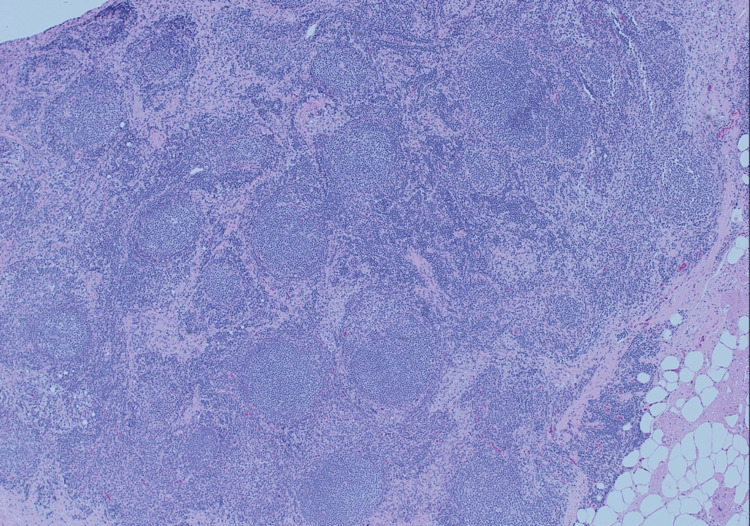 Figure 1
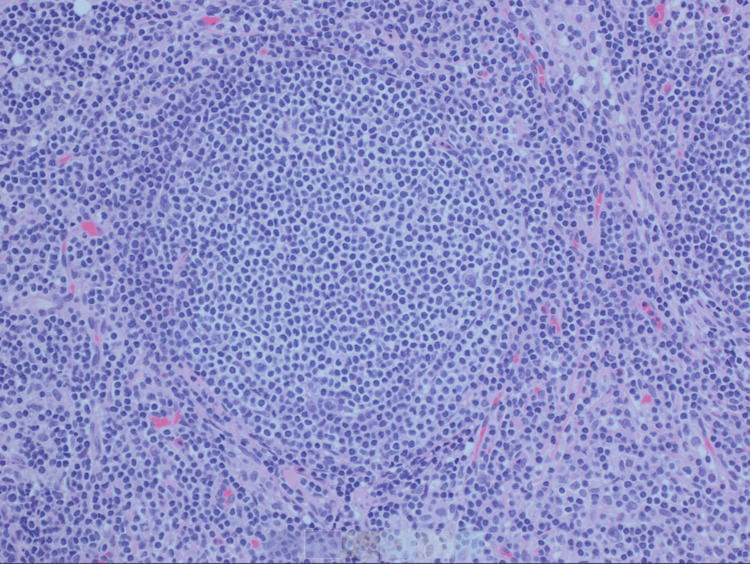 Figure 2
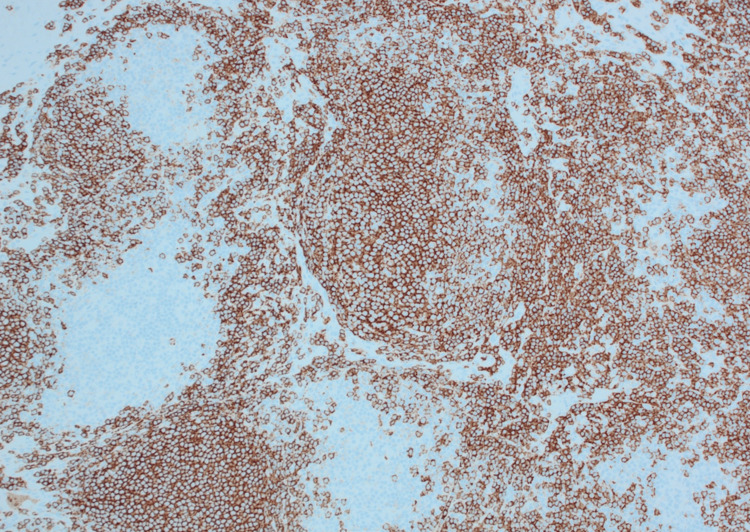 Figure 3
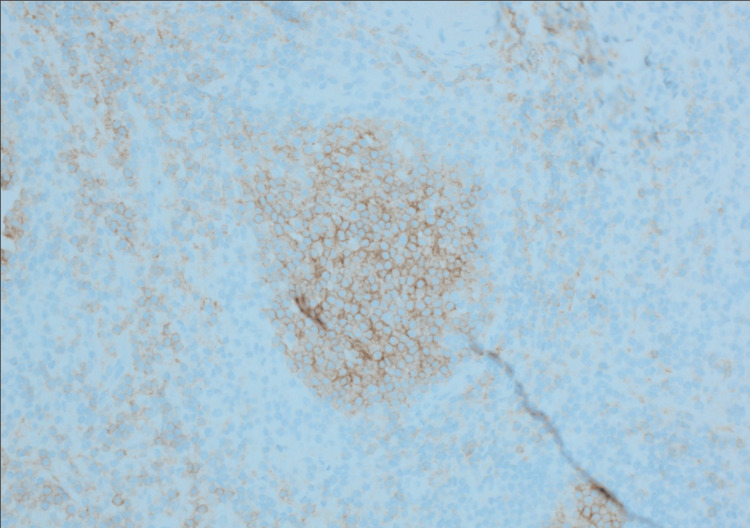 Figure 4
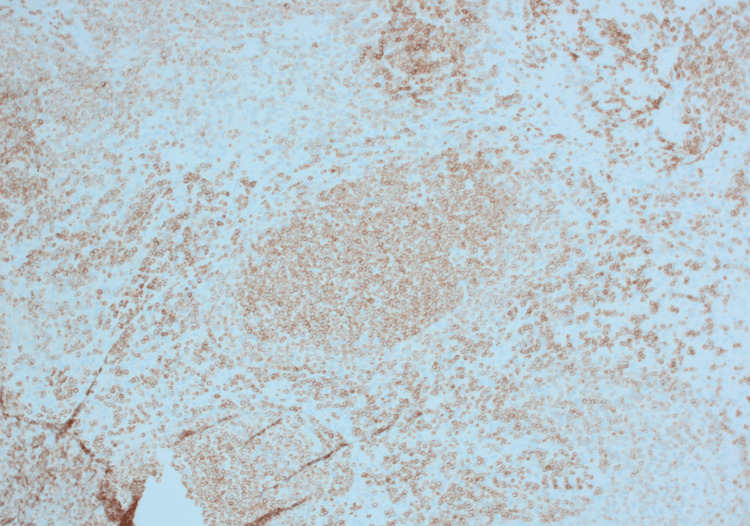 Figure 5
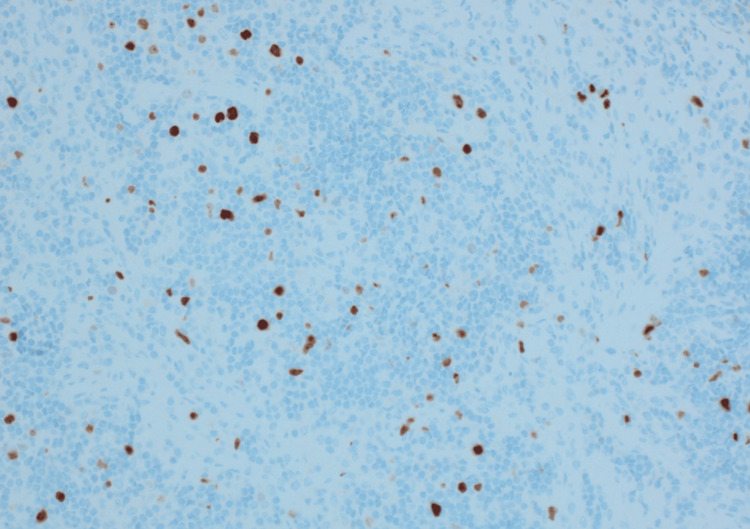 Figure 6
Peer Reviews
No public reviews on file for this paper yet. If you reviewed it on a platform where reviews are public (OpenReview, ICLR, NeurIPS, ICML), you can paste yours below so the community can read it here.
Videos
No videos yet. Explain this paper in a talk, walkthrough, or lecture? Add one.
Taxonomy
TopicsVector-borne infectious diseases · Viral Infections and Vectors · Dermatological diseases and infestations