The Clinical Spectrum of Adrenoleukodystrophy at a Portuguese Tertiary Hospital: Case Series and Review of Literature
Catarina Menezes, Ana Losa, Sara Mosca, Ana de Carvalho Vaz, Catarina M Figueiredo, Cristina Garrido, Teresa Borges, Joana Borges Correia

TL;DR
This paper presents a case series of four male patients with X-linked adrenoleukodystrophy in Portugal, highlighting the importance of early diagnosis and genetic testing for better outcomes.
Contribution
The study provides new clinical insights into X-linked adrenoleukodystrophy through a Portuguese case series and emphasizes the need for early screening and genetic confirmation.
Findings
Three out of four patients were diagnosed through family screening, with one showing hyperpigmentation.
Two distinct clinical forms were identified: adolescent cerebral adrenoleukodystrophy and isolated adrenal insufficiency.
Genetic analysis revealed two different ABCD1 gene mutations among the patients.
Abstract
Adrenoleukodystrophy, a rare genetic disease associated with the X chromosome (X-ALD - X-linked adrenoleukodystrophy), predominantly affects males and stems from mutations in the ABCD1 gene, responsible for transporting very long chain fatty acids (VLCFA) into peroxisomes. It leads to adrenal insufficiency (AI) and axonal demyelination. In males, the phenotype varies from isolated adrenocortical insufficiency and progressive myelopathy to cerebral adrenoleukodystrophy (CALD). The aim of this case series is to characterize patients with different clinical presentations of X-ALD with follow-up at a tertiary Portuguese hospital. All four patients were males, and the median age at the diagnosis was 5 years. Three patients were diagnosed through family screening, with the oldest already displaying hyperpigmentation. Two distinct forms were identified: adolescent CALD (25%) and isolated…
Genes, proteins, chemicals, diseases, species, mutations and cell lines named across the full text — each resolved to its canonical identifier and authoritative record.
Click any figure to enlarge with its caption.
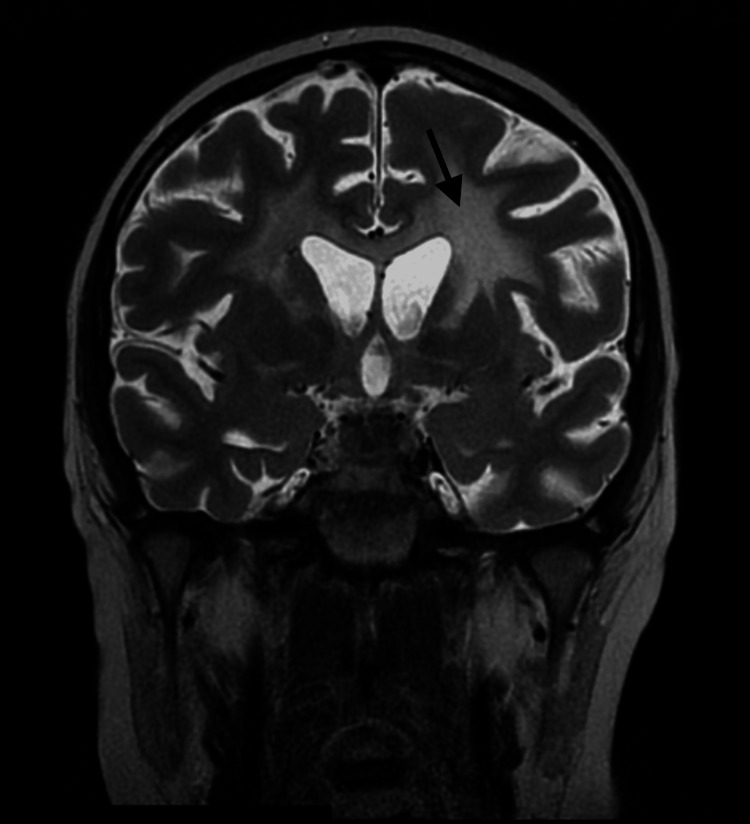 Figure 1
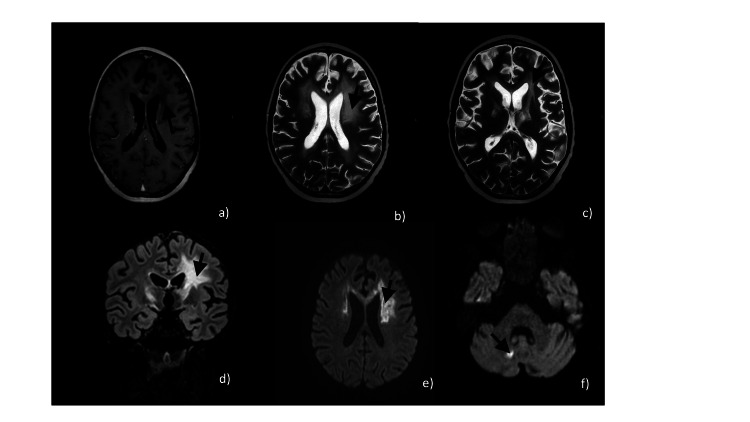 Figure 2
Peer Reviews
No public reviews on file for this paper yet. If you reviewed it on a platform where reviews are public (OpenReview, ICLR, NeurIPS, ICML), you can paste yours below so the community can read it here.
Videos
No videos yet. Explain this paper in a talk, walkthrough, or lecture? Add one.
Taxonomy
TopicsPeroxisome Proliferator-Activated Receptors · Metabolism and Genetic Disorders · Adipose Tissue and Metabolism