A58 UTILIZATION OF HYPOXIA-TOLERANT ORGANISMS AS A MODEL IN THE STUDY OF ISCHEMIC-REPERFUSION INJURY IN TRANSPLANT HEPATOLOGY
N Hossein-Javaheri, L Buck

TL;DR
This paper explores using hypoxia-tolerant animals like turtles and goldfish as models to better understand and prevent liver damage during transplants.
Contribution
The study introduces hypoxia-tolerant organisms as novel models for investigating ischemic-reperfusion injury in liver transplantation.
Findings
Hypoxia-tolerant organisms store more glycogen, allowing better ATP production under low oxygen.
Turtle and goldfish hepatocytes can survive anoxia by reducing metabolic demand and preserving mitochondrial function.
Regulated ROS levels in these organisms prevent cell death during reperfusion, unlike in mammalian models.
Abstract
Ischemic-reperfusion injury (IRI) is a barrier to successful liver transplantation. This complex process is initiated by an episode of hypoxia and decreased adenosine triphosphate (ATP) production. Mammalian hepatocytes are susceptible to prolonged hypoxia and may experience irreversible damage with ATP depletion. Yet, facultative anaerobes have developed physiological hepatoprotective strategies to tolerate hypoxic stress. The painted turtle (Chrysemys picta belli) and the common goldfish (Carassius auratus) are able to survive under severe hypoxia for weeks to months. Introducing hypoxia-tolerant organisms as a suitable animal model for studying IRI in transplant hepatology. A comprehensive search of PubMed, OVID, CINAHL, and Cochrane databases up to May 2023 was conducted to identify all studies reporting experimental evidence and hepatoprotective pathways in hypoxia-tolerant…
Genes, proteins, chemicals, diseases, species, mutations and cell lines named across the full text — each resolved to its canonical identifier and authoritative record.
Click any figure to enlarge with its caption.
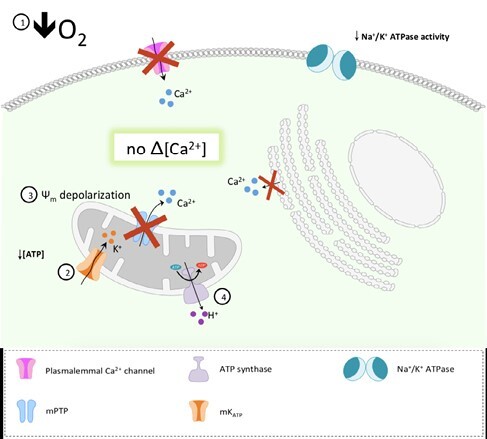 Figure 1
Peer Reviews
No public reviews on file for this paper yet. If you reviewed it on a platform where reviews are public (OpenReview, ICLR, NeurIPS, ICML), you can paste yours below so the community can read it here.
Videos
No videos yet. Explain this paper in a talk, walkthrough, or lecture? Add one.
Taxonomy
TopicsOrgan Transplantation Techniques and Outcomes · Cardiac Ischemia and Reperfusion · Metabolism and Genetic Disorders