Triply Bonded Pancake π-Dimers Stabilized by Tetravalent Actinides
Luciano Barluzzi, Sean P. Ogilvie, Alan B. Dalton, Peter Kaden, Robert Gericke, Akseli Mansikkamäki, Sean R. Giblin, Richard A. Layfield

TL;DR
Scientists created a new type of strong molecular bond using tetravalent actinides, which could lead to new materials with unique electronic properties.
Contribution
The first experimental synthesis of six-electron triple pancake bonds stabilized by tetravalent actinides.
Findings
Triple pancake bonds were synthesized from [HAN]3– triradicals and stabilized by thorium and uranium ions.
The electronic absorption spectrum of the bonds matches computational predictions, confirming their structure.
Thin films of the π-dimers show conductivity, suggesting potential for molecular conductors.
Abstract
Aromatic π-stacking is a weakly attractive, noncovalent interaction often found in biological macromolecules and synthetic supramolecular chemistry. The weak nondirectional nature of π-stacking can present challenges in the design of materials owing to their weak, nondirectional nature. However, when aromatic π-systems contain an unpaired electron, stronger attraction involving face-to-face π-orbital overlap is possible, resulting in covalent so-called “pancake” bonds. Two-electron, multicenter single pancake bonds are well known, whereas four-electron double pancake bonds are rare. Higher-order pancake bonds have been predicted, but experimental systems are unknown. Here, we show that six-electron triple pancake bonds can be synthesized by a 3-fold reduction of hexaazatrinaphthylene (HAN) and subsequent stacking of the [HAN]3– triradicals. Our analysis reveals a multicenter covalent…
Genes, proteins, chemicals, diseases, species, mutations and cell lines named across the full text — each resolved to its canonical identifier and authoritative record.
Click any figure to enlarge with its caption.
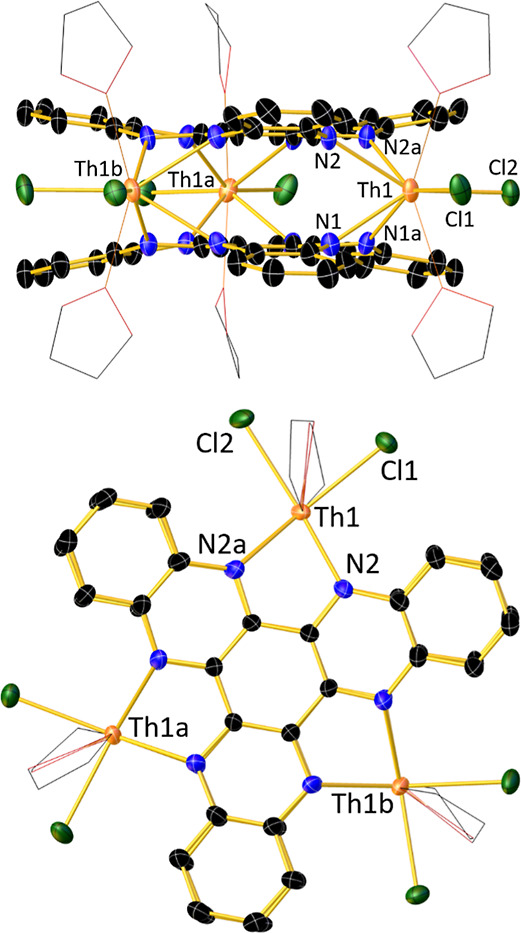 Figure 1
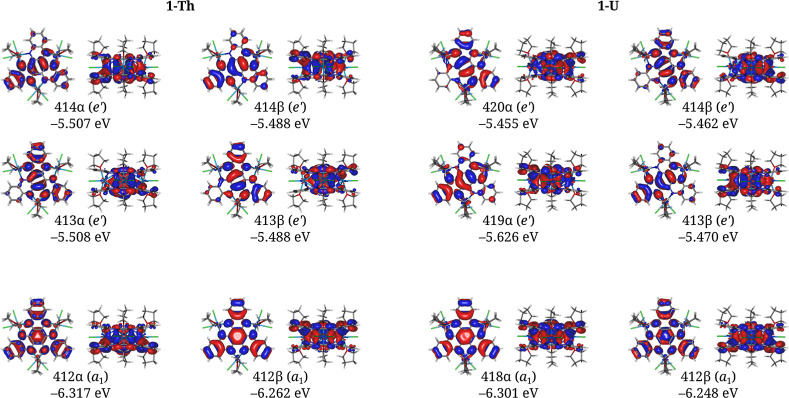 Figure 2
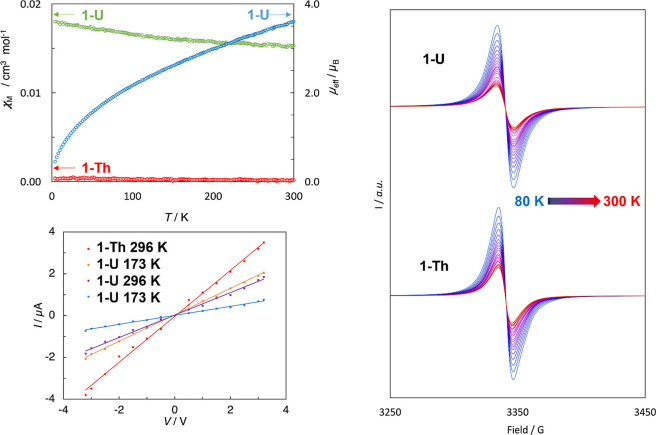 Figure 3
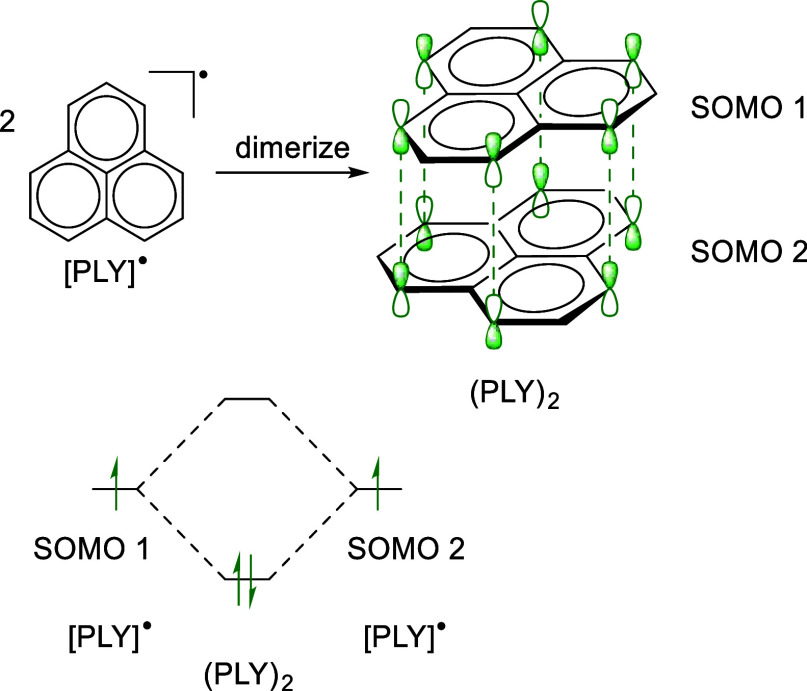 Figure 4
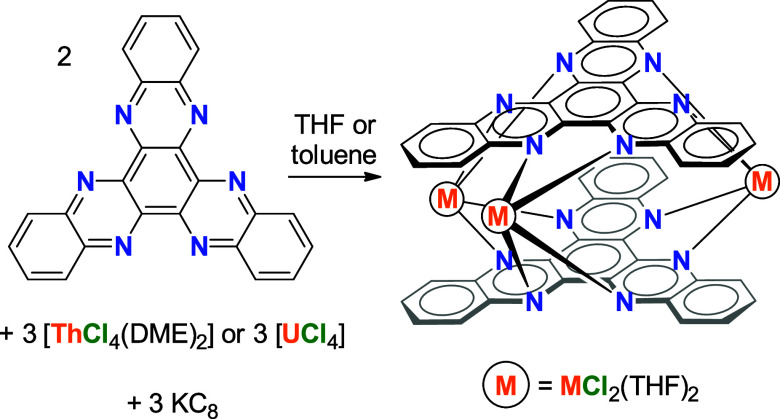 Figure 5
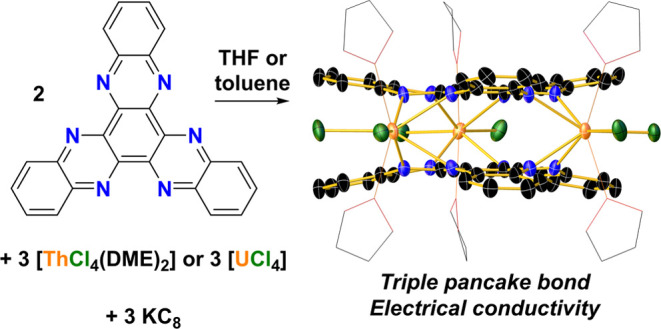 Figure 6
Peer Reviews
No public reviews on file for this paper yet. If you reviewed it on a platform where reviews are public (OpenReview, ICLR, NeurIPS, ICML), you can paste yours below so the community can read it here.
Videos
No videos yet. Explain this paper in a talk, walkthrough, or lecture? Add one.
Taxonomy
TopicsTeaching and Learning Programming · Augmented Reality Applications · Software Engineering and Design Patterns