Novel Conversions of a Multifunctional, Bio-sourced Lactone Carboxylic Acid
Trinadh Kaicharla, Sangjun Lee, Ruiqin Wang, Ashok D. Pehere, Shu Xu, Thomas R. Hoye

TL;DR
This paper explores new chemical conversions of a plant-based compound into useful biorenewable monomers for polymer production.
Contribution
The study introduces novel methods to convert a lactone carboxylic acid into acrylate and methacrylate esters suitable for polymerization.
Findings
A lactone carboxylic acid was converted into acrylate and methacrylate esters via ring-opening reactions.
These esters are promising biorenewable monomers for RAFT polymerization.
The reactions used Sc(OTf)3 and (meth)acrylic anhydride for direct acylative ring opening.
Abstract
The plant-derived compounds furfuryl alcohol and itaconic anhydride are known to undergo a Diels-Alder reaction at room temperature and in bulk to efficiently give an alkene-containing lactone carboxylic acid. Reported here is the conversion of this substance to a variety of derivatives via hydrogenation, epoxidation, or halolactonization reactions. Most notable is the formation of a set of three related acrylate or methacrylate esters (see graphical abstract) produced by direct acylative ring opening of ether bonds using Sc(OTf)3 and (meth)acrylic anhydride. These esters are viewed as promising candidates for use as biorenewable monomers in reversible addition-fragmentation chain transfer (RAFT) polymerization reactions.
Genes, proteins, chemicals, diseases, species, mutations and cell lines named across the full text — each resolved to its canonical identifier and authoritative record.
Click any figure to enlarge with its caption.
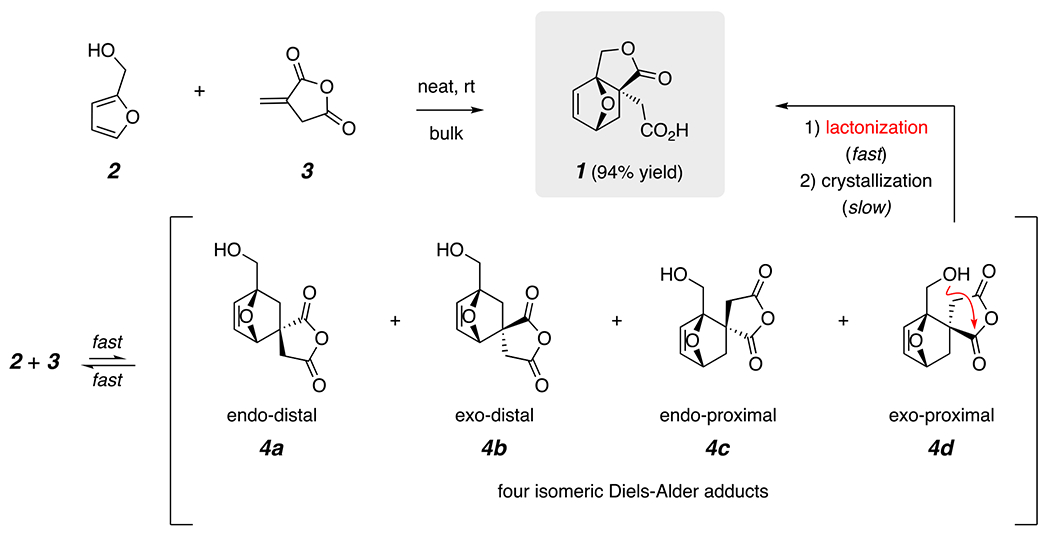 Figure 1
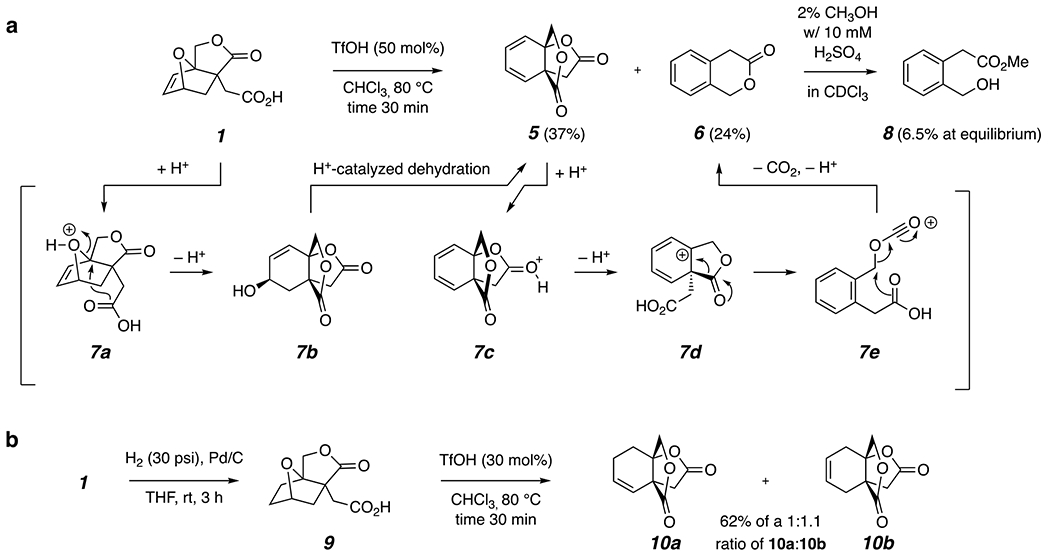 Figure 2
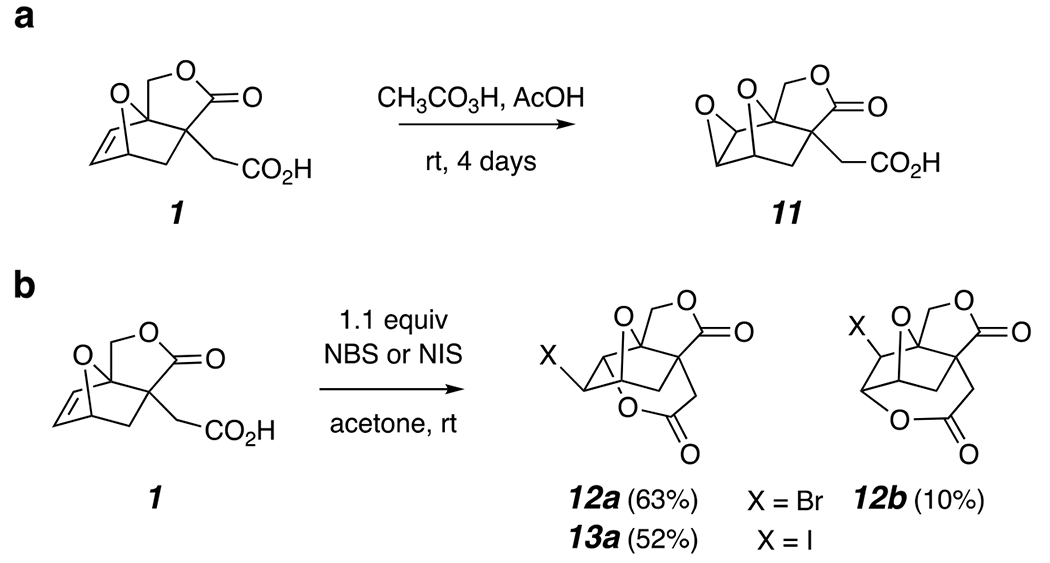 Figure 3
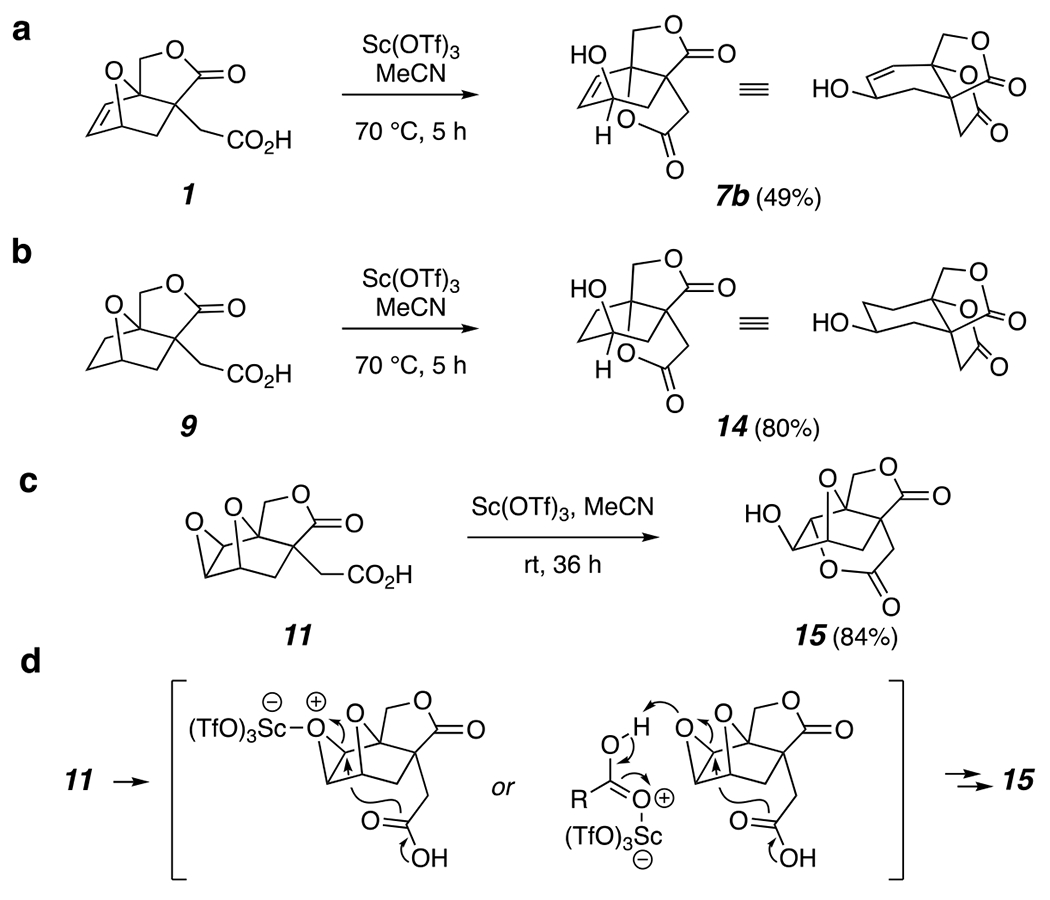 Figure 4
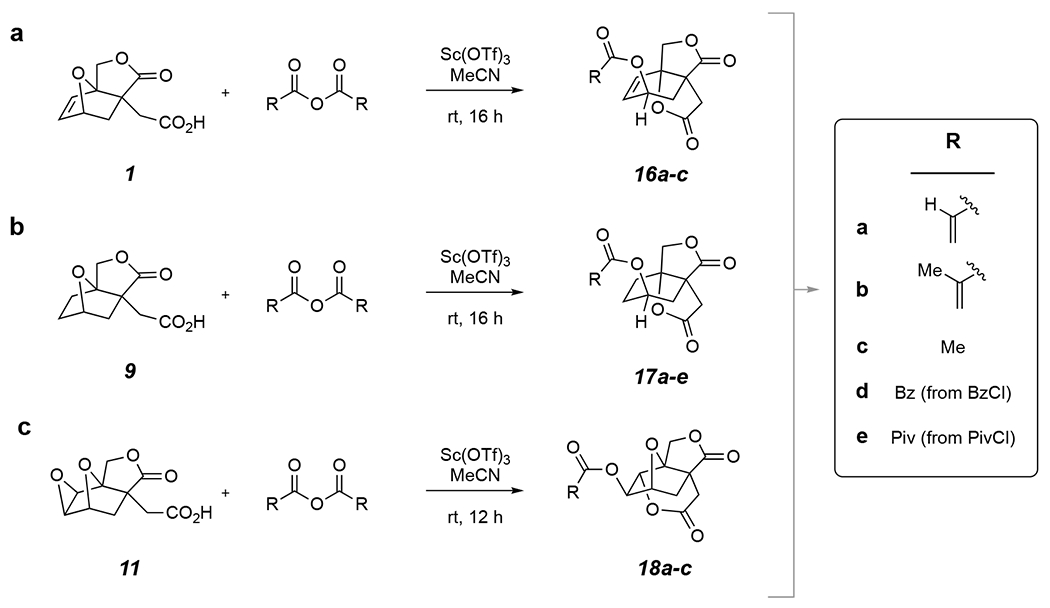 Figure 5
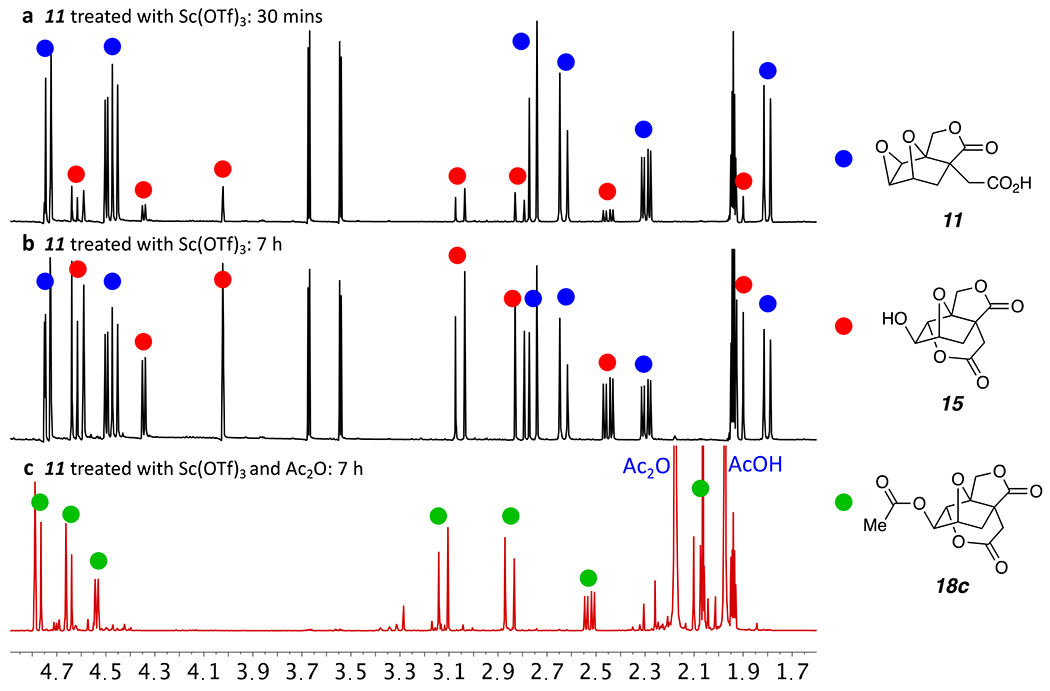 Figure 6
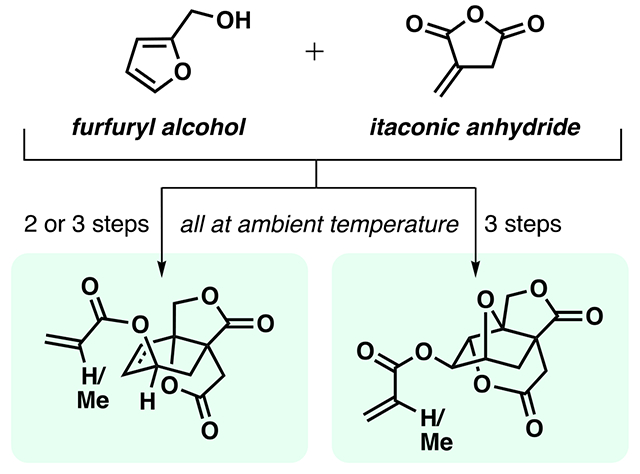 Figure 7
Peer Reviews
No public reviews on file for this paper yet. If you reviewed it on a platform where reviews are public (OpenReview, ICLR, NeurIPS, ICML), you can paste yours below so the community can read it here.
Videos
No videos yet. Explain this paper in a talk, walkthrough, or lecture? Add one.
Taxonomy
Topicsbiodegradable polymer synthesis and properties · Carbon dioxide utilization in catalysis · Advanced Polymer Synthesis and Characterization