Chemical and biological characterization of vaccine adjuvant QS-21 produced via plant cell culture
Xiangmin Lv, Jesse Martin, Heather Hoover, Bishnu Joshi, Margaret Wilkens, David A. Ullisch, Thomas Leibold, John S. Juchum, Sanket Revadkar, Barbara Kalinovska, Justin Keith, Adam Truby, Gui Liu, Elaine Sun, John Haserick, Jon DeGnore, Joseph Conolly, Adrian V.S. Hill

TL;DR
Scientists developed a new way to produce a vaccine ingredient called QS-21 using plant cells instead of tree bark, making it more sustainable and accessible.
Contribution
First-time successful plant cell culture production of QS-21 with properties matching the natural source.
Findings
QS-21 produced via plant cell culture has structural and chemical properties similar to bark-extracted QS-21.
The new method ensures broader availability and accessibility of QS-21 for vaccine development.
A sustainable and scalable in vitro platform for producing plant saponin-derived vaccine adjuvants was established.
Abstract
Many vaccines, including those using recombinant antigen subunits, rely on adjuvant(s) to enhance the efficacy of the host immune responses. Among the few adjuvants clinically approved, QS-21, a saponin-based immunomodulatory molecule isolated from the tree bark of Quillaja saponaria (QS) is used in complex formulations in approved effective vaccines. High demand of the QS raw material as well as manufacturing scalability limitation has been barriers here. We report for the first-time successful plant cell culture production of QS-21 having structural, chemical, and biologic, properties similar to the bark extracted product. These data ensure QS-21 and related saponins are broadly available and accessible to drug developers. •Transformative method for manufacturing QS-21 vaccine adjuvant•Enhancing the sustainability of QS-21 vaccine adjuvant production•Bioequivalence of plant cell…
Genes, proteins, chemicals, diseases, species, mutations and cell lines named across the full text — each resolved to its canonical identifier and authoritative record.
Click any figure to enlarge with its caption.
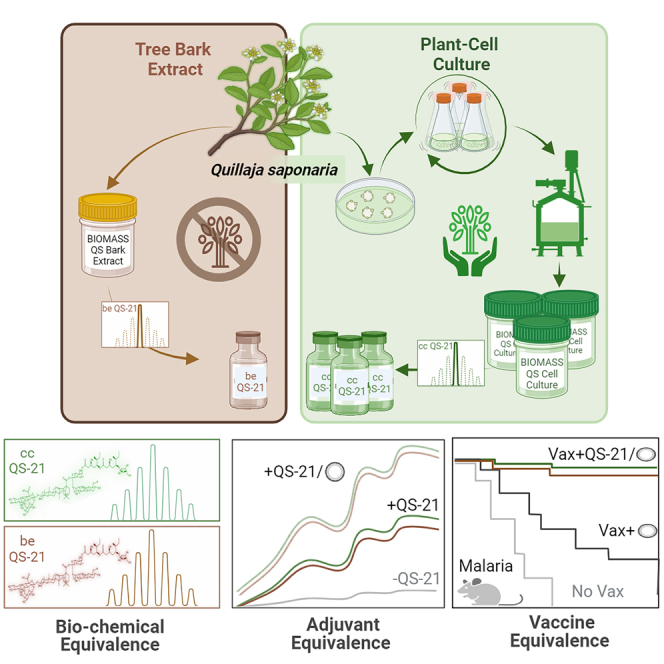 Figure 1
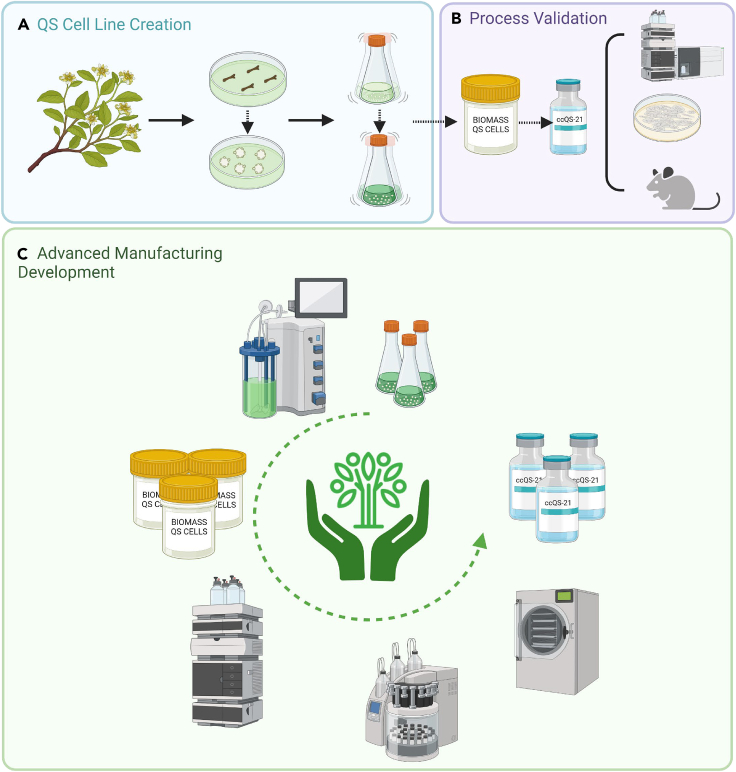 Figure 2
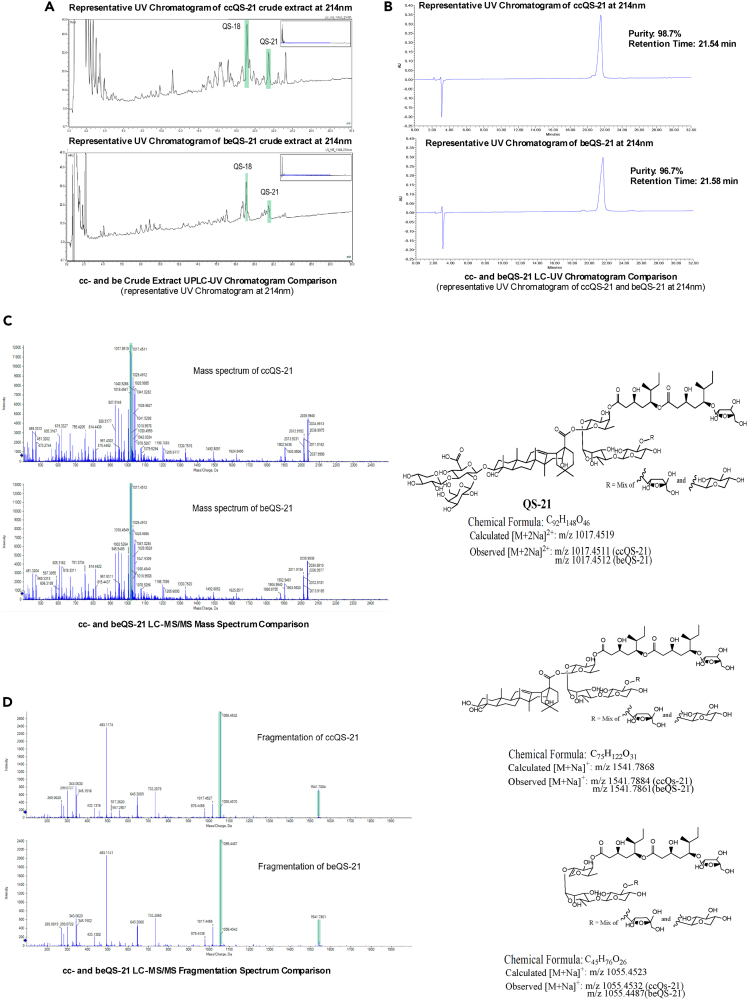 Figure 3
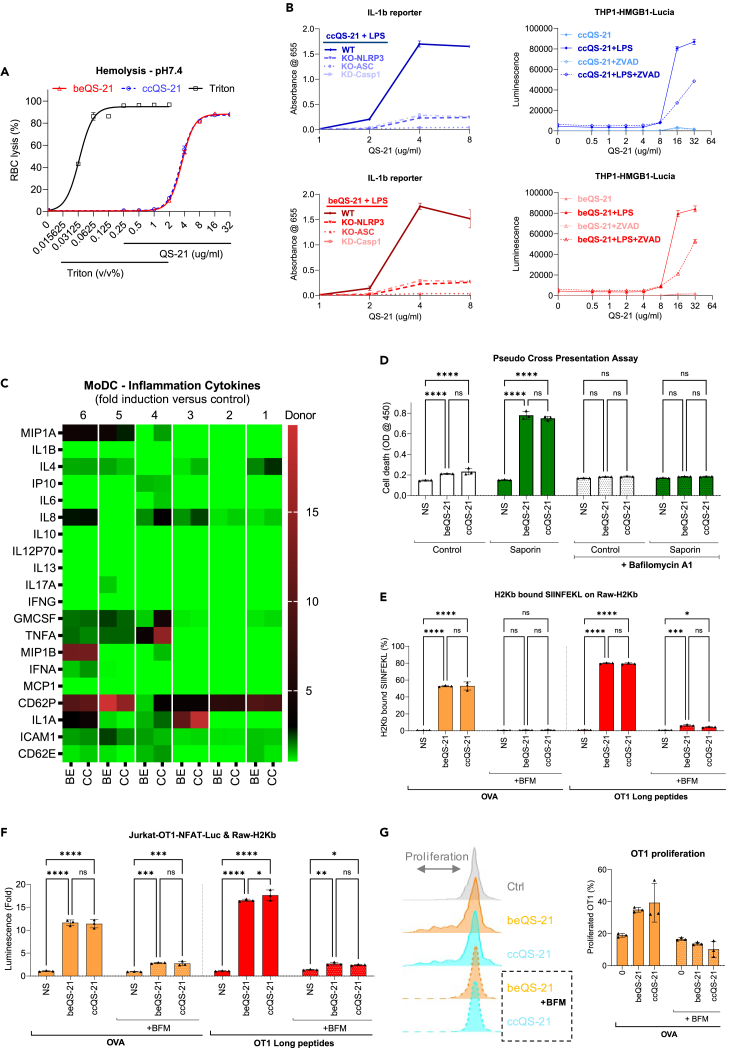 Figure 4
 Figure 5
 Figure 6
 Figure 7
Peer Reviews
No public reviews on file for this paper yet. If you reviewed it on a platform where reviews are public (OpenReview, ICLR, NeurIPS, ICML), you can paste yours below so the community can read it here.
Videos
No videos yet. Explain this paper in a talk, walkthrough, or lecture? Add one.
Taxonomy
TopicsEvolutionary Psychology and Human Behavior · Aging, Health, and Disability