All that glitters is not gold: X-ray fluorescence analysis of a fixed dental prosthesis from Colecção de Esqueletos Identificados Século XXI, Portugal (CEI/XXI)
Inês Oliveira-Santos, Ricardo A.M.P. Gomes, Catarina Coelho, Francisco Gil, Eugénia Cunha, Isabel Poiares Baptista, Maria Teresa Ferreira

TL;DR
A dental prosthesis was analyzed using X-ray fluorescence to determine its composition, revealing it was made of copper and aluminum, not gold and palladium as initially thought.
Contribution
The study demonstrates the use of X-ray fluorescence to accurately identify the composition of a dental prosthesis, aiding in forensic identification.
Findings
X-ray fluorescence detected copper and aluminum as the main elements in the dental prosthesis.
No gold or palladium was found in the prosthesis, contradicting initial assumptions.
The prosthesis likely originated from an Eastern European country, aligning with the individual's birthplace.
Abstract
Access to better health care anticipates that more medical devices can be found alongside skeletal remains. Those employed in oral rehabilitation, with available brands or batch/series, can prove useful in the identification process. A previous study in the Colecção de Esqueletos Identificados Século XXI described macroscopically the dental prostheses. An unusual case of a dental device with chromatic alterations demonstrated to require a more detailed analysis. The individual, a 53-year-old male, exhibited, at both arches, a fixed tooth-supported rehabilitation, with gold colouring classified initially as a gold-palladium alloy. Simultaneously, a green pigmentation deposit was observable in bone and prosthesis. This investigation aimed to verify the elemental composition of the dental prosthesis alloy. Elemental analysis was performed by X-ray fluorescence in two regions (labial…
Genes, proteins, chemicals, diseases, species, mutations and cell lines named across the full text — each resolved to its canonical identifier and authoritative record.
Click any figure to enlarge with its caption.
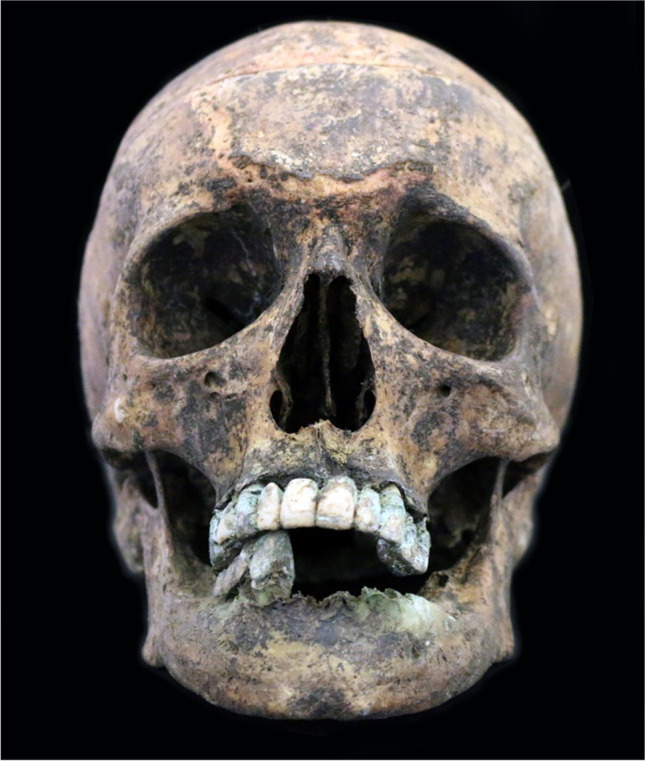 Figure 1
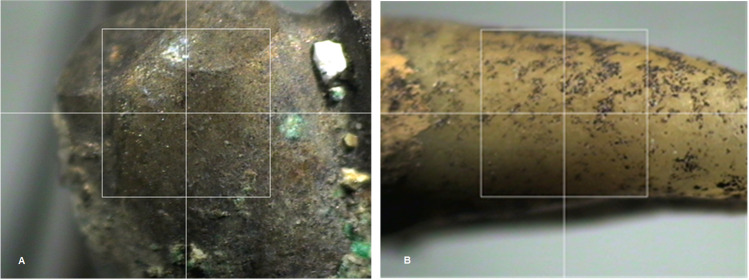 Figure 2
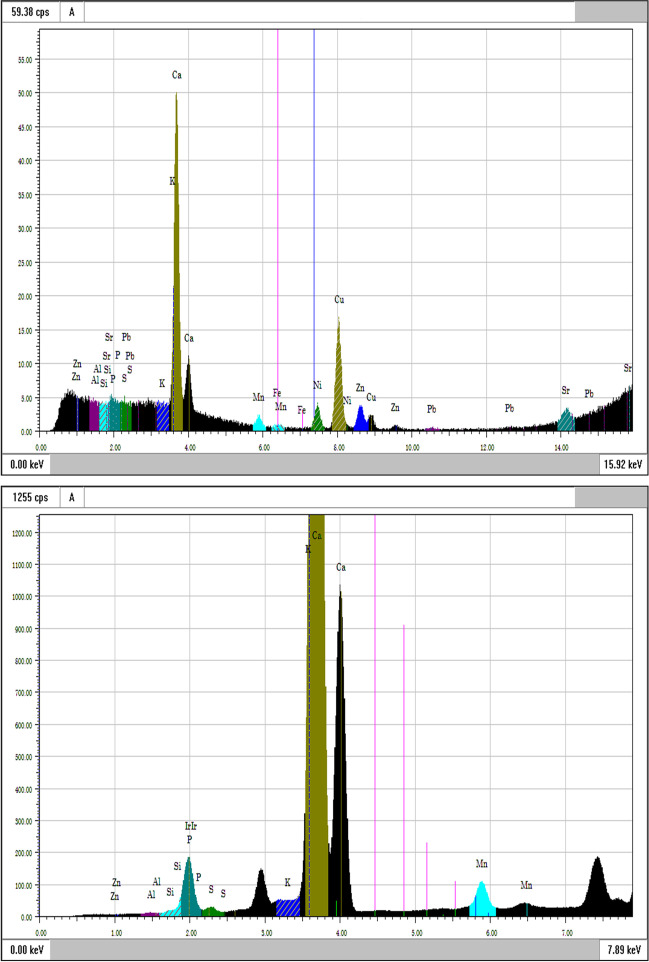 Figure 3
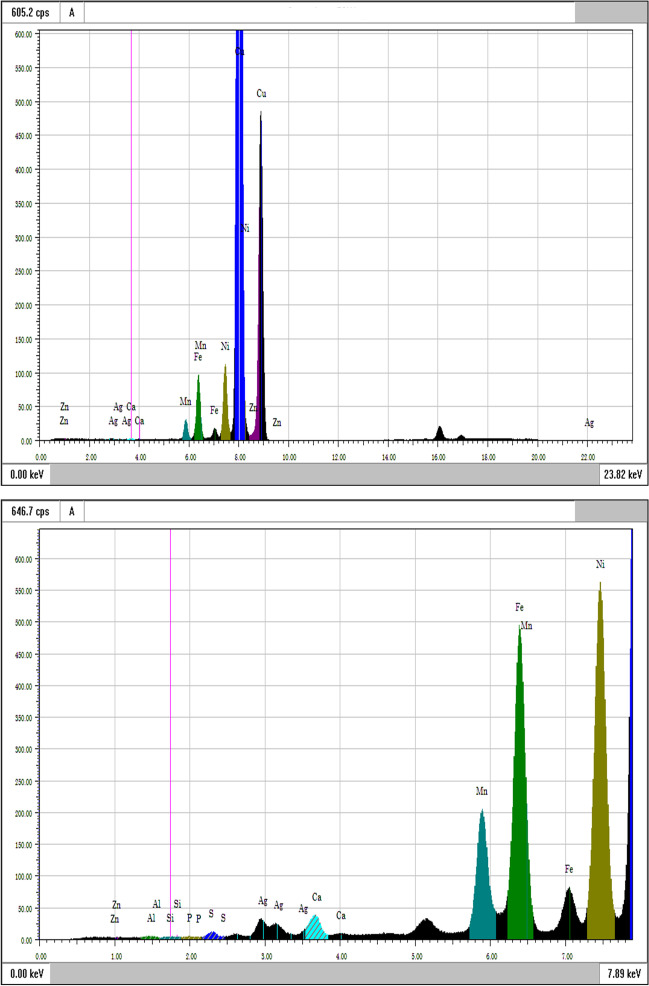 Figure 4
Peer Reviews
No public reviews on file for this paper yet. If you reviewed it on a platform where reviews are public (OpenReview, ICLR, NeurIPS, ICML), you can paste yours below so the community can read it here.
Videos
No videos yet. Explain this paper in a talk, walkthrough, or lecture? Add one.
Taxonomy
TopicsForensic Anthropology and Bioarchaeology Studies · Paleopathology and ancient diseases · Dental materials and restorations