Low-dose palliative radiotherapy for malignant peripheral T-cell lymphoma masked by cellulitis and osteomyelitis: a case report
Yasir Alayed

TL;DR
Low-dose radiotherapy helped manage a rare lymphoma case complicated by infection after chemotherapy failed.
Contribution
Demonstrates successful use of low-dose palliative radiotherapy in a complex, post-chemotherapy lymphoma case.
Findings
Low-dose radiotherapy provided effective palliation for a rare lymphoma case.
The case involved a different lymphoma histology after systemic therapy failure.
Management was complicated by concurrent local infection.
Abstract
Classic Hodgkin lymphoma is a potentially curable disease. With the advent of effective systemic regimens with adriamycin, bleomycin, vincristine, and dacarbazine, chemotherapy has become the treatment of choice for advanced Hodgkin lymphoma. However, for advanced Hodgkin lymphoma after chemotherapy, disease relapse rates are still high. This case report highlights how low-dose palliative radiotherapy can be used successfully for the management of an unusual case of recurrent lymphoma with a different histology soon after completing systemic therapy, which was further complicated by an ongoing local infection.
Genes, proteins, chemicals, diseases, species, mutations and cell lines named across the full text — each resolved to its canonical identifier and authoritative record.
Click any figure to enlarge with its caption.
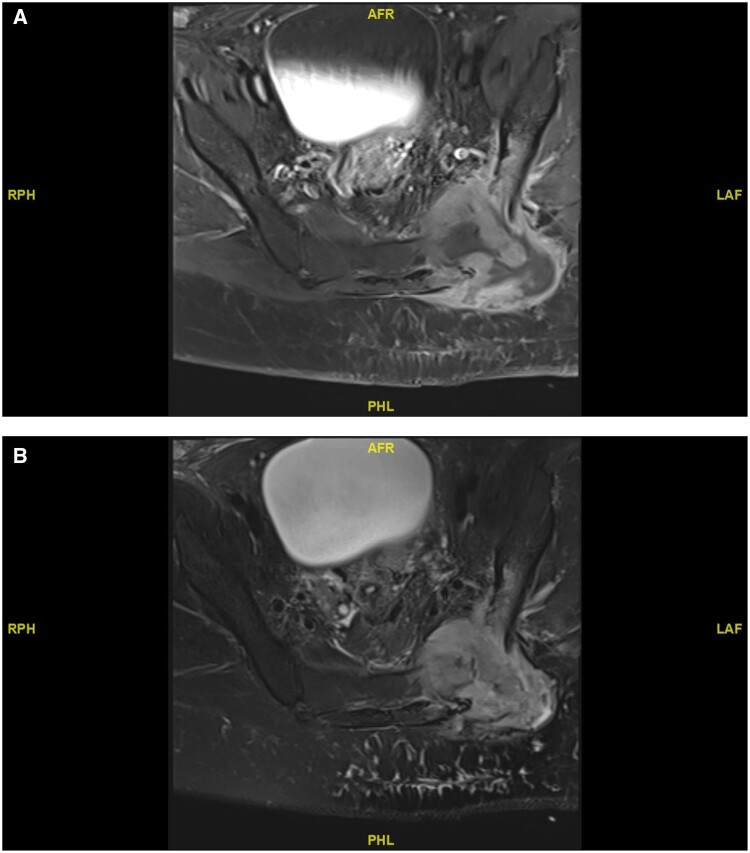 Figure 1
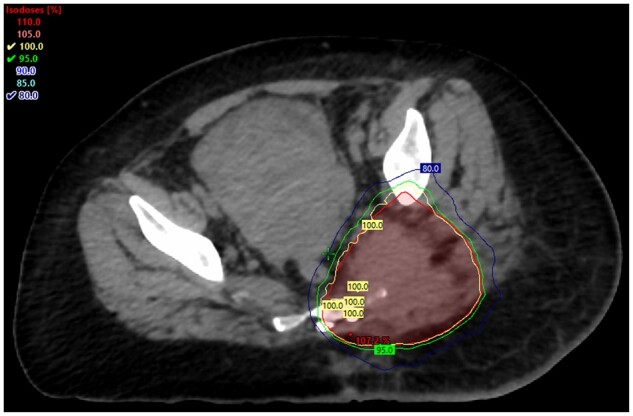 Figure 2
Peer Reviews
No public reviews on file for this paper yet. If you reviewed it on a platform where reviews are public (OpenReview, ICLR, NeurIPS, ICML), you can paste yours below so the community can read it here.
Videos
No videos yet. Explain this paper in a talk, walkthrough, or lecture? Add one.
Taxonomy
TopicsLymphoma Diagnosis and Treatment · Colorectal and Anal Carcinomas · Colorectal Cancer Treatments and Studies